
Carpet Inlay in Wood Floor: Your Ultimate Design Guide
Hardwood floors offer timeless beauty and elegance. Yet, they can lack the warmth and comfort underfoot that only carpet can provide. This often leaves homeowners feeling like they have to choose one over the other.
What if you could have the best of both worlds? The solution is a stunning and practical design feature: the carpet inlay in a wood floor. It’s a sophisticated way to define spaces, add plush comfort, and create a unique focal point in any room.
You'll Learn About
What is a Carpet Inlay and Why is it a Game-Changer?
A carpet inlay, often called a “recessed carpet” or “flush-mount carpet,” is a piece of carpeting that is set directly into the hardwood flooring. Unlike an area rug that sits on top, an inlay is installed flush with the surface of the wood. This creates a seamless, integrated look that is both elegant and highly functional.
This design feature solves several common household problems. It provides a soft surface in areas where you want comfort, like a living room seating area or beside a bed. It also significantly reduces noise and echo in large, open-concept spaces, creating a more intimate and quiet atmosphere.
Defining Spaces with Style and Purpose
One of the most powerful uses of a carpet inlay is to define specific functional zones within a larger room. A carefully placed inlay can visually separate a living area from a dining space or create a cozy reading nook in a master bedroom.
This technique is far more permanent and architecturally integrated than simply laying down a rug. It makes the design feel intentional and custom-built, elevating the overall aesthetic of your home. The result is a clean, uncluttered look without the tripping hazard of a traditional area rug.
The Critical First Step: Design and Material Selection
Planning is paramount for a successful carpet inlay. The choice of materials will dramatically impact the final look and longevity of your floor. It’s about creating a harmonious relationship between the soft texture of the carpet and the natural grain of the wood.
Consider the room’s function and traffic levels. A high-traffic area like a family room will require a durable, low-pile carpet. In contrast, a bedroom allows for a more luxurious, plush option. The goal is to balance aesthetic appeal with practical durability.
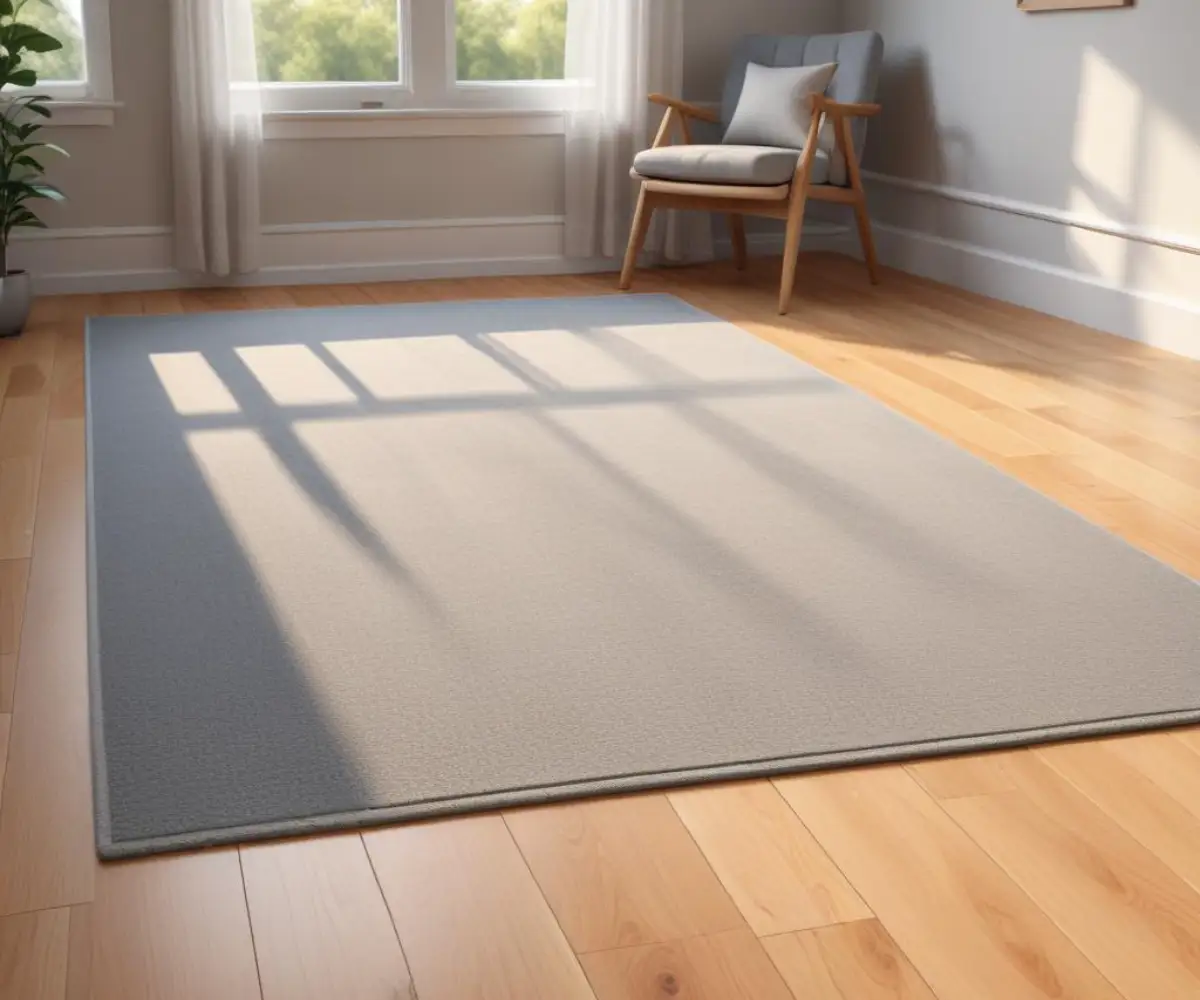
Pairing Carpet Textures with Wood Grains
The synergy between your chosen carpet and hardwood is crucial. A smooth, sleek hardwood like maple or birch pairs beautifully with a textured, patterned carpet to create visual interest. Conversely, a rustic wood with a prominent grain, such as oak or hickory, often looks best with a simple, solid-color carpet.
Pay close attention to the pile height of the carpet. To achieve a perfectly flush finish, the carpet’s thickness (including the padding) must match the thickness of the hardwood flooring. A professional installer will measure this precisely, but it’s a critical detail for any DIY attempt.
Color Theory for a Cohesive Look
Color choice can make or break your design. You can opt for a high-contrast look by pairing a dark wood floor with a light-colored carpet, creating a dramatic and modern focal point. This approach works well in contemporary and minimalist interiors.
For a more subtle and traditional feel, select a carpet color that complements the undertones of the wood. A warm-toned wood like cherry or mahogany pairs well with carpets in shades of beige, cream, or warm gray. This creates a seamless and sophisticated transition between the two materials.
Installation: Deciding Between DIY and Professional Services
Installing a carpet inlay is a precise job that requires careful planning and execution. While it can be a rewarding DIY project for an experienced woodworker, it’s often best left to a professional flooring installer to ensure a flawless and lasting result.
A professional has the specialized tools and expertise to create clean cuts, perfectly level surfaces, and seamless transitions. However, understanding the process is valuable whether you hire a pro or tackle it yourself.
| Feature | Carpet Inlay | Area Rug |
|---|---|---|
| Aesthetics | Integrated, custom, and seamless architectural feature. | Sits on top of the floor; can be easily changed. |
| Safety | No tripping hazard as it sits flush with the floor. | Edges can curl, creating a potential tripping hazard. |
| Permanence | A permanent installation that adds long-term value. | Temporary and can be moved or replaced easily. |
| Maintenance | Requires cleaning two different surfaces (wood and carpet). | Can be removed for deep cleaning or replacement. |
| Cost | Higher initial investment due to custom installation. | Lower upfront cost and wider range of price points. |
The DIY Approach: A Guide for the Confident Homeowner
If you have strong woodworking skills, the right tools, and patience, a DIY installation is possible. The process generally involves marking your desired shape on the existing hardwood floor. Precision is key here; measure twice, and then measure a third time.
Next, you’ll use a circular saw with a guide and a router to carefully cut and remove the hardwood flooring within the marked area. This step requires immense precision to avoid damaging the surrounding floor. You may need specialized tools for creating perfect edges, not unlike the precision offered by a WS98 Corner-Grooving Machine in its own application.
After removing the hardwood, you must prepare the subfloor. This is a frequently overlooked but critical step. You may need to add a layer of plywood to ensure the subfloor is perfectly level and that the new carpet and pad will sit flush with the height of the hardwood. Finally, install tack strips, lay the carpet pad, and then stretch and secure the carpet for a tight, professional finish.
Why Hiring a Professional is Often the Smartest Choice
For most homeowners, hiring a professional flooring contractor is the recommended path. They have the experience to handle complex layouts, curved designs, and unexpected subfloor issues. A professional ensures the transition between wood and carpet is perfectly clean and tight, which is the hallmark of a high-quality installation.
Professionals also guarantee their work, giving you peace of mind. They can expertly manage the minute details, such as ensuring the grain of the surrounding wood floor is respected and that the final surface is perfectly level and free of gaps.
Advanced Design and Customization Options
A carpet inlay doesn’t have to be a simple rectangle. Technology and craftsmanship allow for a wide range of custom shapes and designs. Consider a circular inlay in a foyer or a free-form shape in a child’s playroom to add a touch of whimsy and personality.
You can also frame the inlay with a different material for added definition. A metal or stone border between the wood and carpet can create a stunning, high-end look. This level of customization truly makes the floor a unique piece of art.
Long-Term Care and Maintenance
Maintaining your carpet inlay requires a two-pronged approach. You’ll need to care for both the carpeted section and the surrounding hardwood floor. Regular vacuuming of the carpet is essential, paying special attention to the edges where dust and debris can accumulate.
For the hardwood, use a microfiber mop and a cleaner specifically designed for wood floors. Avoid getting excess moisture on the wood or along the seam of the inlay. Maintaining a consistent environment is also key to preserving the beauty of your floors over time. In the same way you protect certain appliances from the elements, like learning how to protect an outdoor washer and dryer, you must protect your indoor investments from daily wear and tear.
Protecting the Seam: The Key to Durability
The transition point between the carpet and the wood is the area most susceptible to wear. Ensure this seam is tight and clean. Avoid using harsh cleaning chemicals or overly aggressive vacuum attachments near this edge, as they can damage the wood or cause the carpet fibers to fray over time.
Periodically inspect the seam to ensure there are no gaps or lifting. Addressing any minor issues promptly will prevent them from becoming larger problems. A well-maintained inlay will look beautiful for many years.
Is a Carpet Inlay the Right Choice for Your Home?
A carpet inlay in a wood floor is a sophisticated design choice that offers the perfect blend of comfort, style, and functionality. It provides a custom, built-in look that an area rug simply cannot replicate. It’s an investment that can elevate your home’s interior design and add significant value.
By carefully considering your design goals, selecting the right materials, and ensuring a high-quality installation, you can create a stunning and practical feature that you’ll enjoy for years to come. It’s the ideal solution for those who refuse to choose between the beauty of hardwood and the comfort of carpet.
