
Canned Tomatoes Without Citric Acid: The Secret to Richer Sauces
Have you ever spent hours crafting a tomato sauce from scratch, only for it to taste disappointingly sharp or metallic? You followed the recipe perfectly, used high-quality ingredients, and yet, the final product lacks the deep, rich, naturally sweet flavor you craved. This common kitchen frustration often has a surprising culprit hiding in plain sight on the ingredients list: added citric acid.
Many home cooks and gardeners pour their passion into creating flavorful meals, yet this single additive can undermine their efforts. Understanding why citric acid is used and how to avoid it is the first step toward unlocking a world of more authentic and robust tomato flavor in your cooking and preserving.
You'll Learn About
The Problem: Why Citric Acid Flattens Tomato Flavor
Citric acid is a preservative and acidity regulator widely used in canned goods, especially tomatoes. Its primary purpose is food safety; it lowers the pH of the tomatoes to a level that prevents the growth of harmful bacteria like Clostridium botulinum, the cause of botulism. While this is crucial for shelf stability, particularly in commercial canning, it comes at a significant cost to flavor.
The addition of concentrated citric acid introduces a sharp, almost lemony tartness that is not natural to the tomato. This artificial acidity can overpower the delicate sweetness and complex umami notes inherent in ripe tomatoes, resulting in a sauce that tastes one-dimensional and harsh. It fundamentally alters the chemical balance, preventing the natural sugars in the tomatoes from shining through.
Beyond the Tang: How Acid Affects Browning and Depth
One of the less-discussed impacts of excess citric acid is its effect on the Maillard reaction and caramelization. These chemical reactions are responsible for the deep, savory, and complex flavors that develop when foods are browned. The overly acidic environment created by added citric acid can hinder these reactions, preventing your sauces from developing that coveted rich, savory character.
Instead of a sauce that tastes like it has simmered for hours, developing layers of flavor, you are left with something that remains stubbornly bright and acidic. This is why so many recipes call for a pinch of sugar to “balance” the acidity of canned tomatoes—a step often unnecessary when using tomatoes packed without this additive.
The Solution: Seeking Purity in Your Pantry and Garden
The path to a better-tasting tomato sauce is twofold: choosing the right commercially canned products and, for the dedicated gardener, growing and preserving your own tomatoes with flavor in mind. Both avenues lead to a pantry stocked with superior ingredients that will elevate your cooking.
Whether you’re buying from a store or canning from your harvest, the goal is to find tomatoes packed in their own juices, with perhaps only a bit of salt. This simplicity is the hallmark of a high-quality product that lets the true taste of the tomato take center stage.
Decoding Labels: How to Find the Best Canned Tomatoes
Finding commercially canned tomatoes without citric acid requires a bit of detective work, but many excellent brands are available. Look for brands that list only “tomatoes” or “tomatoes, tomato juice, salt” on the ingredient label. Often, these are imported Italian brands, particularly those with a D.O.P. (Protected Designation of Origin) seal, which certifies their quality and origin.
San Marzano tomatoes are renowned for their low acidity and sweet, intense flavor, making them a top choice for sauces. However, not all tomatoes labeled “San Marzano” are created equal. True D.O.P. San Marzanos will have the seal and typically do not contain added citric acid. Be a vigilant label-reader to ensure you’re getting a pure product.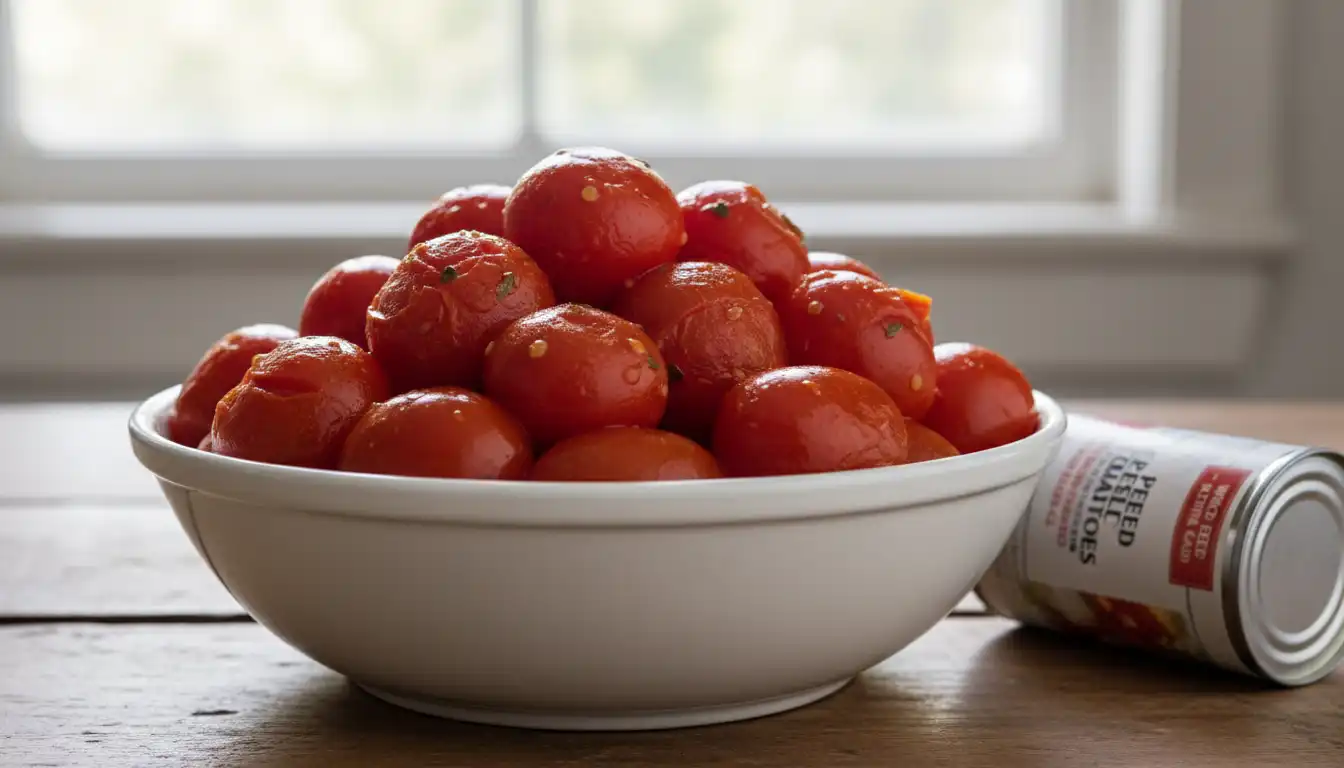
Brands to Look For
While availability varies, some brands have built a reputation for packing high-quality tomatoes without unnecessary additives. Brands like Mutti, Cento (specifically their certified San Marzano line), and Jovial are often cited by chefs and home cooks as reliable choices for pure tomato flavor. Exploring your local Italian market or the international aisle of your grocery store can uncover hidden gems.
| Brand | Common Products Without Added Citric Acid | Key Feature |
|---|---|---|
| Mutti | Whole Peeled, Crushed (Polpa), Cherry Tomatoes | Known for vibrant, fresh tomato flavor. |
| Cento | Certified San Marzano Whole Peeled Tomatoes | Classic choice for authentic Italian sauces. |
| Jovial | Organic Crushed, Diced, and Whole Tomatoes (in glass jars) | Organic option often packed in glass to avoid can lining concerns. |
| Pomi | Chopped and Strained Tomatoes (in cartons) | Packaged in BPA-free cartons, known for a fresh taste. |
From Garden to Jar: Preserving for Peak Flavor
For the home gardener, the ultimate expression of flavor control is canning your own harvest. This allows you to capture the unique “terroir” of your garden—the specific taste imparted by your soil, climate, and chosen tomato varieties. Preserving tomatoes without added citric acid is possible, but it requires strict adherence to safe canning procedures.
Since tomatoes have a borderline pH, modern safety guidelines from the USDA strongly recommend adding acid to all home-canned tomatoes to ensure a safe acidity level. However, you have control over the *type* of acid. Using bottled lemon juice, which has a consistent acidity level, is the recommended alternative to citric acid powder and often imparts a more natural flavor than vinegar.
Choosing the Right Tomato Varieties for Canning
The journey to superior home-canned tomatoes begins with selecting the right plants. You want varieties that are meaty, with fewer seeds and less water content. These are often called “paste” or “sauce” tomatoes.
- San Marzano: The gold standard for sauce, this heirloom variety is prized for its rich flavor and low acidity.
- Amish Paste: A large, meaty heirloom tomato with excellent flavor, perfect for thick sauces.
- Roma: A widely available and reliable determinate variety that produces a large crop perfect for big-batch canning.
- Opalka: This Polish heirloom is long, pepper-shaped, and incredibly flavorful with very few seeds.
Planting these varieties ensures your canning efforts start with the best possible raw ingredients. Proper garden maintenance is key to developing that flavor; ensuring your plants have consistent water is as crucial as troubleshooting your irrigation system when you see issues like air coming out of a backflow preventer.
Safe Canning Practices at Home
If you choose to can your own tomatoes, safety is paramount. The risk of botulism is real, so following tested recipes and procedures is not optional. The National Center for Home Food Preservation provides up-to-date, science-backed guidelines.
The recommended acidification is two tablespoons of bottled lemon juice per quart jar or one tablespoon per pint. This amount is calculated to lower the pH to a safe level for water bath canning without dramatically altering the flavor in the way concentrated citric acid can. For those planning an efficient outdoor canning setup, perhaps on a new deck, researching materials by reading Menards UltraDeck reviews can help create the perfect, durable workspace for your preservation projects.
Unlocking True Tomato Taste in Your Kitchen
Once you have your high-quality, citric-acid-free canned tomatoes, you will immediately notice the difference. Your sauces will have a natural sweetness and a depth of flavor that was previously masked. You can season them simply with salt, garlic, and fresh basil, allowing the pure tomato taste to be the star.
When you serve your creations, the presentation matters. Moving beyond the everyday can make a meal feel special, much like when you consider elegant alternatives to traditional decor, such as finding what to use instead of doilies for a modern tablescape. Let the superior flavor of your sauce be matched by a thoughtful presentation.
By consciously choosing canned tomatoes without added citric acid or by carefully preserving your own garden bounty, you take control of the most fundamental ingredient in countless recipes. This simple change is a powerful step towards creating dishes that are not just homemade, but truly exceptional in flavor.
Frequently Asked Questions
Why is citric acid added to most canned tomatoes?
Citric acid is primarily added to canned tomatoes to increase their acidity, which helps prevent the growth of harmful bacteria like Clostridium botulinum, the cause of botulism. This ensures the safety of the product for long-term storage. Additionally, it helps maintain the color of the tomatoes.
Are canned tomatoes without citric acid safe?
Yes, canned tomatoes without added citric acid are safe to eat. Brands that pack tomatoes without this additive typically use high-quality, ripe tomatoes that are naturally acidic enough to ensure safety. These products are processed to meet rigorous food safety standards.
How can I find canned tomatoes without citric acid?
You can find them by carefully reading the ingredient list on the label; the product should only list tomatoes and possibly tomato juice or puree. Some brands that offer citric acid-free options include Mutti, Cento, Jovial, and Pomi. These are often found in grocery stores or specialty food markets.
Does the absence of citric acid affect the taste?
Many people find that canned tomatoes without added citric acid have a sweeter and more natural tomato flavor. The addition of citric acid can sometimes impart a slightly tart or metallic taste. Canned tomatoes without it are often considered to be of higher quality.
Are tomatoes packed without citric acid also BPA-free?
Not necessarily, as packaging varies by brand. However, some brands that offer tomatoes without citric acid do use BPA-free packaging, such as glass jars or cartons. It’s always best to check the product’s label or the manufacturer’s website for information on their packaging.
What are some brands of canned tomatoes without added citric acid?
Several brands offer canned tomatoes without citric acid, including Mutti, Cento San Marzano, Jovial Organic, and Pomi. These brands are known for using high-quality tomatoes and packing them in their own juice. You can often find these in the canned goods aisle of your local supermarket.
Final Word
If your homemade tomato sauce tastes harsh despite your best efforts, citric acid may be quietly tipping the balance. While it plays an important role in preserving canned tomatoes, it can also introduce an unexpected tang that masks the natural sweetness you’re trying to build. Recognizing this hidden influence empowers you to adjust your cooking approach—whether by choosing low-acid tomato products, balancing flavors more intentionally, or opting for fresh tomatoes when possible. With a few small changes, you can transform a flat, overly acidic sauce into the rich, smooth, and satisfying one you intended from the start.
