
Canned Peach Pie Filling Without Clear Jel: A Complete Guide
There’s nothing quite like the taste of summer captured in a jar of home-canned peach pie filling. It promises a delicious, golden-hued pie on a cold winter day. However, many recipes call for a specific ingredient that can be surprisingly hard to find: Clear Jel.
This common roadblock leaves many home canners frustrated and searching for a safe, reliable alternative. You want that perfect, thick, glossy pie filling, but you either can’t find Clear Jel, or you prefer to use more common pantry staples. This guide provides the definitive solution to creating delicious, and most importantly, safe canned peach pie filling without this specialty starch.
You'll Learn About
What is Clear Jel and Why Is It So Often Recommended?
Before diving into the alternatives, it’s essential to understand why Clear Jel is the go-to for commercial and recommended home canning recipes. Clear Jel is a modified food starch derived from corn. Unlike regular cornstarch or flour, it has some unique properties that make it ideal for canning.
It creates a smooth, clear, and gel-like consistency that remains stable during the high heat of the canning process and long-term storage. Critically, it does not break down or become watery and provides a consistent texture that won’t clump. It is also designed to thicken without interfering with heat penetration, a vital safety factor in canning.
The Problem with Common Kitchen Thickeners in Canning
The primary reason you must avoid using regular thickeners like cornstarch, flour, or tapioca for canning pie fillings is food safety. These starches can clump and become very dense during the canning process. This density can create cold spots within the jar, preventing the heat from penetrating evenly and reaching the center.
This improper heat penetration can lead to the survival of dangerous microorganisms, including Clostridium botulinum, the bacterium that causes botulism. Furthermore, these common starches break down under the high heat and acidity of canning, resulting in a separated, watery, and unappetizing final product. Never attempt to can pie fillings using these thickeners.
The Safest Method: Canning Peaches and Thickening Later
The most trusted and safest way to achieve perfect peach pie filling without Clear Jel is to separate the process into two stages. First, you can the peaches in a simple syrup. Then, when you’re ready to bake your pie, you thicken the contents of the jar.
This method guarantees food safety, as the heat can fully penetrate the peaches and thin syrup. It also gives you complete control over the final thickness and sweetness of your pie filling, allowing for customization right before you bake.
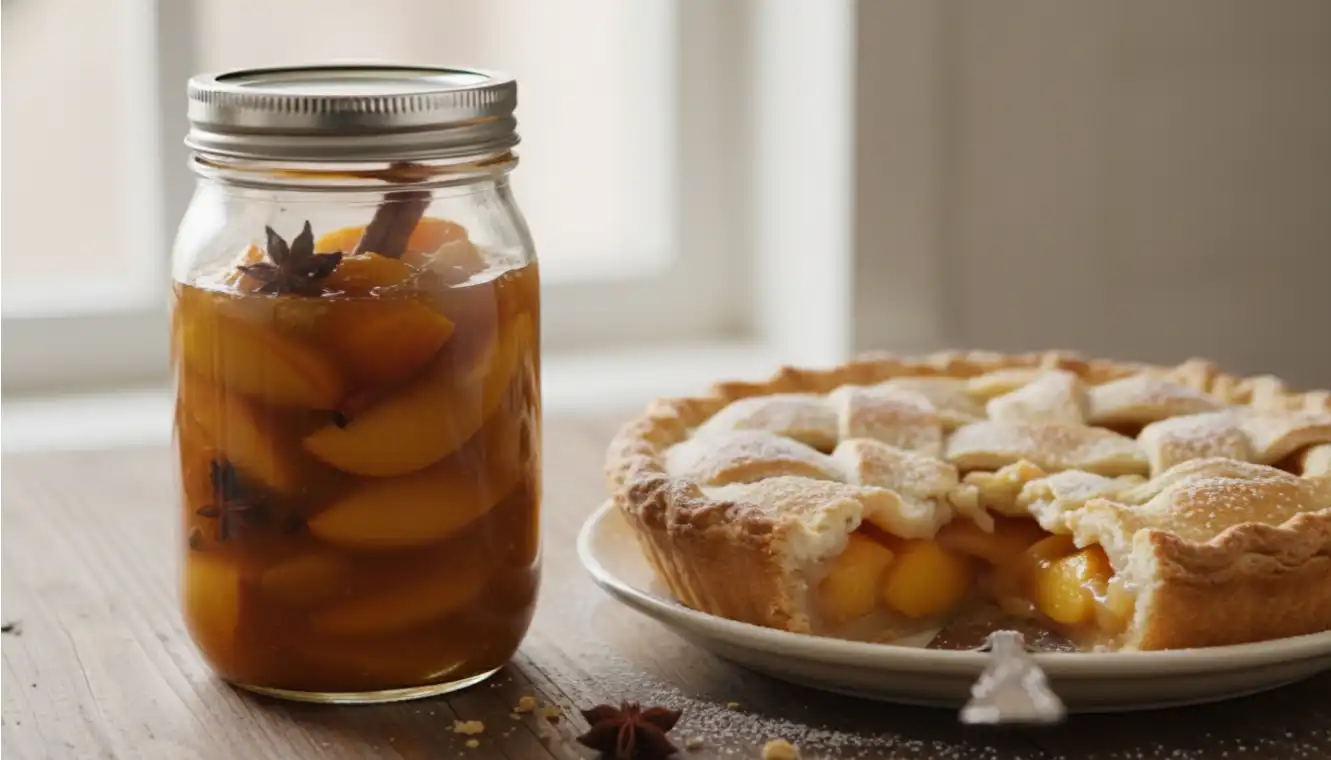
Step-by-Step Guide to Canning Peaches in Syrup
This process uses the hot pack method in a boiling water bath canner, which is suitable for high-acid foods like peaches.
1. Select and Prepare Your Peaches:
Choose ripe, firm, freestone peaches for the best results. Freestone varieties have pits that are easily removed. To peel them easily, blanch the peaches by dropping them in boiling water for 30-60 seconds, then immediately transferring them to an ice bath. The skins will slide right off.
2. Prevent Browning:
As you peel and slice your peaches, place them in a solution of water and lemon juice or a commercial product like Fruit-Fresh to prevent oxidation and browning. This keeps their beautiful golden color intact.
3. Prepare the Syrup:
You can choose a syrup based on your sweetness preference. A light syrup is generally recommended to let the peach flavor shine. For about 5 pounds of peaches, you’ll need approximately 6 cups of water and 1.5 cups of sugar for a light syrup. Heat the water and sugar in a saucepan until the sugar completely dissolves.
4. Hot Pack the Jars:
Drain your prepared peach slices and add them to the hot syrup. Bring the mixture back to a boil and cook for about 5 minutes. This step, known as hot packing, helps remove air from the fruit tissue, prevents floating in the jars, and improves the final product. Using a slotted spoon, pack the hot peaches into sterilized canning jars, leaving a 1-inch headspace.
5. Fill and Seal:
Ladle the hot syrup over the peaches, maintaining the 1-inch headspace. Remove any air bubbles by sliding a non-metallic utensil, like a chopstick or bubble remover, around the inside of the jar. Wipe the jar rims clean, place the lids on, and screw the bands on until fingertip-tight.
6. Process in a Water Bath Canner:
Place the jars in a pre-warmed water bath canner, ensuring the water covers the jars by at least 1-2 inches. Bring the water to a rolling boil and process pints for 20 minutes and quarts for 25 minutes (adjusting for altitude). Once processing is complete, turn off the heat, remove the canner lid, and let the jars sit for 5 minutes before removing them to a towel-lined countertop to cool completely.
Thickener Choices: A Safety and Performance Comparison
Understanding why certain thickeners are unsafe for canning is critical. The table below breaks down the options and clearly outlines why the “thicken later” method is the superior choice for safety and quality when Clear Jel is not an option.
| Thickener | Safe for Canning? | Texture When Canned | Best Use Case |
|---|---|---|---|
| Clear Jel | Yes | Smooth, clear, stable | The only starch-based thickener recommended for canning pie fillings. |
| Cornstarch | No – Unsafe | Clumpy, may separate | Thickening sauces or fillings immediately before serving or baking. |
| All-Purpose Flour | No – Unsafe | Opaque, gummy | Best for gravies or sauces; not recommended for pie fillings. |
| “Thicken Later” Method | Yes – Safest Option | N/A (Thickened after opening) | The best alternative for home canning without Clear Jel. |
Creating the Perfect Pie Filling From Your Canned Peaches
Once your jars of peaches have been safely canned and stored, turning them into a delicious pie filling is incredibly simple. This final step is done right before you assemble your pie, ensuring a fresh, perfect consistency every time.
For one quart jar of canned peaches (which is perfect for a standard 9-inch pie), follow these steps:
- Drain the syrup from the jar of peaches into a saucepan. You should have about 1.5 to 2 cups of syrup.
- In a small bowl, whisk together 1/4 cup of cornstarch (or arrowroot starch for a glossier finish) with 1/4 cup of cold water or a little of the cooled syrup until a smooth slurry is formed.
- Bring the syrup in the saucepan to a simmer. Slowly pour in the cornstarch slurry, whisking constantly to prevent lumps.
- Continue to cook, stirring gently, until the mixture boils and thickens. Let it bubble for one minute to fully cook the starch.
- Gently fold in the drained peach slices. You can also add a teaspoon of vanilla extract, a pinch of cinnamon or nutmeg, and a tablespoon of butter for richness.
- Let the filling cool slightly before pouring it into your unbaked pie crust.
A Note on Kitchen Ambiance
A long day of canning can be incredibly rewarding, but it can also generate a lot of heat and steam in the kitchen. This significant change in temperature can be uncomfortable and even affect other culinary projects. If you find your kitchen becoming noticeably warmer, it’s a reminder of how much energy is involved in preserving food. Ensuring good ventilation can make the process more pleasant.
Expert Tips for Superior Canned Peaches
Going beyond the basic recipe can elevate your canned peaches from good to unforgettable. The secret often lies in the details of ingredient selection and preparation.
The Importance of Peach Variety
While any peach can be canned, the variety you choose significantly impacts the final product. Freestone peaches, such as Redhaven, Elberta, or Glohaven, are highly recommended because the flesh does not cling to the pit, making them much easier to prepare. They also tend to hold their shape better during the canning process compared to their clingstone counterparts.
Adding Layers of Flavor
Your syrup is a blank canvas for flavor. Instead of a simple sugar-water syrup, consider infusing it with spices. Add a cinnamon stick, a few whole cloves, or a star anise pod to the syrup as it heats. For a more sophisticated flavor, you can add a scraped vanilla bean or a splash of high-quality almond extract to the syrup before pouring it over the peaches.
Beyond Pie: Other Uses for Your Canned Peaches
Don’t limit yourself to just making pie. These canned peaches are incredibly versatile. They are a wonderful topping for yogurt, oatmeal, or vanilla ice cream. You can use them to create a quick peach cobbler or crisp, blend them into smoothies, or serve them alongside grilled pork chops for a sweet and savory dish.
After a successful day of preserving, cleanup is the final step. Having reliable appliances makes this task much easier. A dependable dishwasher, like some of the models from the Kenmore brand, can handle the sticky pots and bowls, leaving you more time to relax. And for that well-deserved relaxation, nothing beats a long soak, perhaps in a beautifully designed tub. You can find inspiration by looking at some reviews of high-end bathtubs to dream about your ideal post-canning oasis.
Frequently Asked Questions (FAQ)
Can I use honey or maple syrup instead of sugar?
Yes, you can substitute honey or maple syrup for some or all of the sugar. However, be aware that they will impart their own distinct flavors to the final product and may make the syrup slightly darker. Use light-flavored honey to avoid overpowering the delicate peach taste.
Why did my peaches float in the jar?
Fruit floating is a common issue and is often caused by raw-packing (placing raw fruit in jars instead of hot-packing). Overripe fruit or packing the fruit too loosely can also contribute to this. While floating fruit is an aesthetic issue, it is not a sign of spoilage as long as the jar is properly sealed.
Do I need a pressure canner for this recipe?
No, a pressure canner is not necessary for canning peaches. Peaches are a high-acid food, which means they can be safely processed in a boiling water bath canner. Pressure canners are required for low-acid foods like vegetables and meats.
How long will these canned peaches last?
When properly canned and stored in a cool, dark place, your peaches will be safe to eat for at least a year. For the best quality and flavor, it is recommended to consume them within 12-18 months. Always inspect the jar for a proper seal and any signs of spoilage before opening.
