
Cucumbers With Bacterial Wilt: Can You Eat Them Safely?
You’ve spent weeks nurturing your cucumber plants, watching them grow from tiny seedlings into sprawling vines. Suddenly, you notice a sight that makes any gardener’s heart sink: the leaves are drooping and wilted, despite the soil being perfectly moist. Your thriving cucumber patch now looks sad and defeated.
The immediate fear is often a disease like bacterial wilt. This leads to the most pressing question of all: if the plant is sick, are the cucumbers from it safe to eat? This guide will answer that question definitively and give you the tools to identify, understand, and combat this devastating garden disease.
You'll Learn About
What is Bacterial Wilt and Why is it a Cucumber’s Worst Nightmare?
Bacterial wilt is an aggressive and destructive plant disease caused by the bacterium Erwinia tracheiphila. It primarily affects plants in the cucurbit family, which includes not only cucumbers but also melons, squash, and pumpkins. It is a true nightmare for gardeners because it works swiftly and, once a plant is infected, there is no cure.
The disease is almost exclusively spread by two common garden pests: the striped cucumber beetle and the spotted cucumber beetle. These beetles carry the bacteria in their digestive systems. As they munch on the leaves and stems of your cucumber plants, they create open wounds and transmit the bacteria into the plant’s vascular system.
Once inside, the bacteria multiply rapidly within the xylem, which is the plant’s plumbing system responsible for transporting water from the roots to the leaves. This bacterial growth essentially clogs the plant’s arteries, preventing water from reaching the stems and leaves, leading to the characteristic wilting and eventual death of the plant.
The Crucial Question: Can You Eat Cucumbers with Bacterial Wilt?
Let’s get straight to the answer. From a food safety perspective, the Erwinia tracheiphila bacterium itself is not harmful to humans. Consuming a cucumber from an infected plant will not make you sick, provided the fruit itself is not showing signs of secondary rot or decay.
However, this doesn’t mean you should rush to add them to your salad. While technically safe, the quality of the cucumbers will be severely compromised. The disease disrupts the plant’s ability to transport water and nutrients, which directly impacts the development and taste of the fruit.
Cucumbers from a plant with bacterial wilt are often small, misshapen, and have a bitter, unpleasant taste. The plant is under immense stress, and it simply cannot produce the high-quality, crisp, and refreshing fruit you were hoping for. The decision to eat them becomes less about safety and more about whether they are even palatable.
The golden rule is this: if the cucumber looks, smells, and feels normal, it is likely safe to eat, though it may not taste great. If it shows any signs of soft spots, mold, or decomposition, it must be discarded immediately.
Spotting the Enemy: How to Be Sure It’s Bacterial Wilt
Correctly identifying bacterial wilt is the first step in managing the problem. The symptoms can sometimes be confused with other issues like simple dehydration or different types of wilt disease. Look for a specific progression of symptoms.
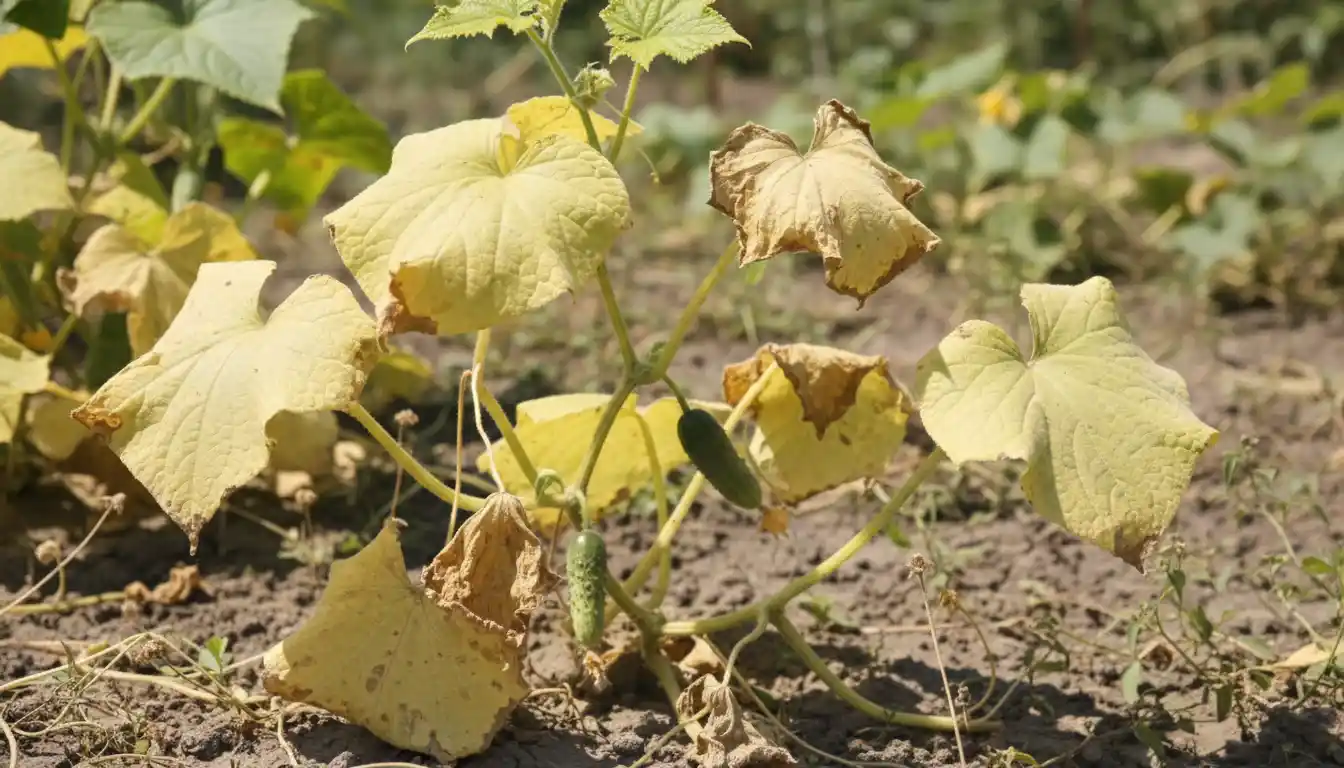
The first sign is often the wilting of a single leaf or a runner on the vine. A key early indicator is that the plant may appear wilted during the heat of the day but seems to recover overnight, only to wilt again the next day. This is a temporary phase before the infection takes complete hold.
Within a short time, the wilting spreads rapidly and becomes permanent. The entire plant will droop and its leaves will turn yellow and then brown as they die. This progression from a single wilted leaf to a dead plant can happen in just a matter of days.
The Definitive “Bacterial Ooze” Test
There is a simple and reliable diagnostic test you can perform at home to confirm the presence of bacterial wilt. This test checks for the sticky, bacteria-filled slime clogging the plant’s vascular tissues.
First, select a stem that has just begun to wilt and cut it cleanly near the base of the plant. Press the two cut ends back together firmly for a moment. Then, very slowly pull the two pieces apart. If the plant is infected with bacterial wilt, you will see fine, slimy, white-to-clear strands stretching between the two cut ends. This “bacterial ooze” is a definitive sign of the disease.
A Tale of Three Wilts: Bacterial vs. Fusarium vs. Verticillium
Not all wilting is caused by bacterial wilt. Fungal diseases like Fusarium wilt and Verticillium wilt can present similar symptoms but have different causes and require different management strategies. Understanding the differences is key for any serious gardener.
Fusarium and Verticillium are soil-borne fungi that enter the plant through the roots. Unlike bacterial wilt, they are not primarily spread by insects. A key difference is that fungal wilts often cause a browning or discoloration inside the stem’s vascular tissue, which you can see if you slice the stem lengthwise. The table below highlights the main differences.
| Feature | Bacterial Wilt | Fusarium Wilt | Verticillium Wilt |
|---|---|---|---|
| Pathogen Type | Bacterium (Erwinia tracheiphila) | Fungus (Fusarium oxysporum) | Fungus (Verticillium dahliae) |
| Primary Vector | Cucumber Beetles | Soil-borne, enters roots | Soil-borne, enters roots |
| Key Symptom | Bacterial ooze from cut stems | Yellowing on one side of plant; vascular browning | V-shaped lesions on leaves; vascular streaking |
| Pattern of Wilting | Rapid and complete plant collapse | Often starts on one side or branch of the plant | Typically starts on lower, older leaves and progresses upward |
| Common Hosts | Cucurbits (cucumbers, melons, squash) | Cucurbits, Tomatoes, Peppers | Wide range including tomatoes, potatoes, and ornamentals |
Prevention is the Best Medicine: Your Battle Plan Against Bacterial Wilt
Since there is no cure for an infected plant, all your efforts must be focused on prevention. Your entire strategy should revolve around one primary goal: controlling the cucumber beetle. If you can stop the vector, you can stop the disease.
1. Control the Cucumber Beetle
This is the most critical step. You must prevent the beetles from feeding on your plants, especially when they are young and most vulnerable. Start your defense from the moment you plant.
Use floating row covers over your seedlings and young plants to create a physical barrier that the beetles cannot penetrate. Secure the edges firmly with soil or rocks. You must remove these covers once the plants begin to flower to allow for pollination, but by then, the plants are often more established and can better withstand minor feeding damage.
Yellow sticky traps are another effective tool. Cucumber beetles are attracted to the color yellow, and these traps can help capture adult beetles, reducing their population in your garden. Place them near your cucumber plants but be mindful that they can also trap beneficial insects.
2. Choose Resistant Varieties
While no cucumber variety is completely immune to bacterial wilt, some have been bred for resistance or tolerance. When shopping for seeds or seedlings, look for varieties labeled as “bacterial wilt resistant.” This can give your garden a significant advantage from the start.
3. Practice Impeccable Garden Hygiene
Good sanitation can make a big difference. Cucumber beetles can overwinter in old plant debris and weeds, so it is crucial to clean your garden thoroughly at the end of the season. Remove all dead vines and weeds to eliminate their winter hiding spots.
Maintaining a clean garden is about more than just aesthetics; it’s a primary defense against pests and diseases. Just as you would investigate and solve unexpected household issues, like the appearance of unexplained black dust in a bathroom, your garden requires constant vigilance to prevent problems from taking root.
What to Do If Your Cucumbers Are Already Infected
If you perform the ooze test and confirm that your plant has bacterial wilt, you must act immediately. There is no hope of saving the plant, and leaving it in the garden only serves as a source of bacteria for cucumber beetles to spread to other healthy plants.
You must carefully remove the entire infected plant, including the roots. Do not put it in your compost pile. The bacteria can potentially survive the composting process and reinfect your garden later. Seal the plant in a plastic bag and dispose of it in the trash.
After handling the infected plant, be sure to clean and disinfect your garden tools, gloves, and hands with a bleach solution or rubbing alcohol to avoid accidentally spreading the bacteria to other areas of your garden.
Frequently Asked Questions About Bacterial Wilt
Even with a clear plan, you may have some lingering questions. Here are answers to some of the most common queries from concerned gardeners.
Can I save a partially wilted cucumber plant?
Unfortunately, no. Once a plant is systemically infected with Erwinia tracheiphila, the damage is irreversible. The wilting will continue to spread until the entire plant dies, so prompt removal is the best and only course of action.
Will bacterial wilt stay in my soil?
The bacteria itself does not survive for long periods in the soil or on dead plant material. The primary concern is the cucumber beetles that carry the bacteria. They can overwinter in your garden soil and surrounding debris, emerging in the spring to start the infection cycle all over again. This is why fall cleanup is so critical.
Are there organic ways to control cucumber beetles?
Yes, there are several effective organic strategies. Aside from row covers and hand-picking, you can apply beneficial nematodes to your soil, which can attack the larval stage of the beetles. Some gardeners also find success with companion planting, using plants like radishes, nasturtiums, or tansy, which are thought to deter cucumber beetles.
The Cascade Effect: Why Fruit Quality Suffers So Much
It’s important to understand that the impact of bacterial wilt goes beyond simple dehydration. The clogging of the plant’s vascular system triggers a cascade of failures. The plant can no longer effectively perform photosynthesis, create sugars, or transport vital micronutrients to the developing fruit.
This starvation is what leads to the bitterness. Stressed cucumber plants often produce higher levels of cucurbitacins, the chemical compounds responsible for a bitter taste. Essentially, the plant is in survival mode, and producing delicious fruit is its lowest priority.
Your Path to a Healthier Harvest
Discovering bacterial wilt in your garden is disheartening, but it does not have to be a recurring tragedy. While you might lose a plant or two this season, you are now armed with the knowledge to protect your future harvests. Remember the key takeaways from this guide.
You can technically eat cucumbers from an infected plant if they show no signs of rot, but their poor quality and bitter taste make them largely unappealing. The most effective approach is to focus all your energy on prevention. By controlling the cucumber beetle population, choosing resistant varieties, and practicing diligent garden hygiene, you can create an environment where bacterial wilt struggles to gain a foothold.
Use this experience as a lesson. A vigilant gardener is a successful gardener. By understanding the enemy and implementing a smart, proactive defense, you can look forward to future seasons filled with crisp, delicious, and healthy cucumbers.
