
Can Sherwin Williams Match Benjamin Moore Paint? The Brutal Truth
You’ve found the perfect Benjamin Moore color. It has the exact undertone you’ve been searching for, but there’s a problem: your painter prefers Sherwin Williams, a SW store is closer, or maybe you just have a gift card.
This sparks the critical question that countless homeowners face: can Sherwin Williams truly match a Benjamin Moore color? The simple answer is yes, but the real answer is far more complex and crucial to the final look of your home.
You'll Learn About
The Deep Dive into Cross-Brand Color Matching
Understanding what happens when you ask for a color match is key. It’s not as simple as plugging a name into a computer and getting an identical product. Each paint brand has a unique chemical fingerprint.
This process relies on technology and human expertise, but it’s fundamentally an act of replication, not duplication. The core components of paint—the base and the colorants—differ significantly between brands, making a 100% identical match chemically impossible.
How the Magic of Color Matching Actually Works
When you bring a Benjamin Moore paint chip to a Sherwin Williams store, they use a device called a spectrophotometer. This machine scans the color sample by shining a light on it and measuring the wavelengths of light that reflect off the surface. It then translates this data into a formula using Sherwin Williams’ own bases and colorants to recreate the color as closely as possible.
While this technology is incredibly advanced, it’s not foolproof. The accuracy can be affected by the sample’s texture, sheen, and even ambient light in the store. An experienced paint technician can often refine the computer’s formula by eye, but this introduces a human element that can vary from person to person.
Why a “Perfect” Match Can Still Look Different on Your Walls
Even when a color match seems perfect in the store, it can appear noticeably different once you get it home. This frustrating phenomenon is often due to a scientific principle known as metamerism. This is a crucial concept that is often overlooked in the paint matching conversation.
Metamerism occurs when two colors appear to be identical under one light source (like the fluorescent lights of a paint store) but look different under another, such as the natural daylight in your living room. Because the matched paint has a different chemical makeup—different pigments and bases—it reflects light differently than the original Benjamin Moore color. This can cause subtle, or sometimes dramatic, shifts in the color’s appearance throughout the day.
The Unseen Differences: Base Paint and Colorants
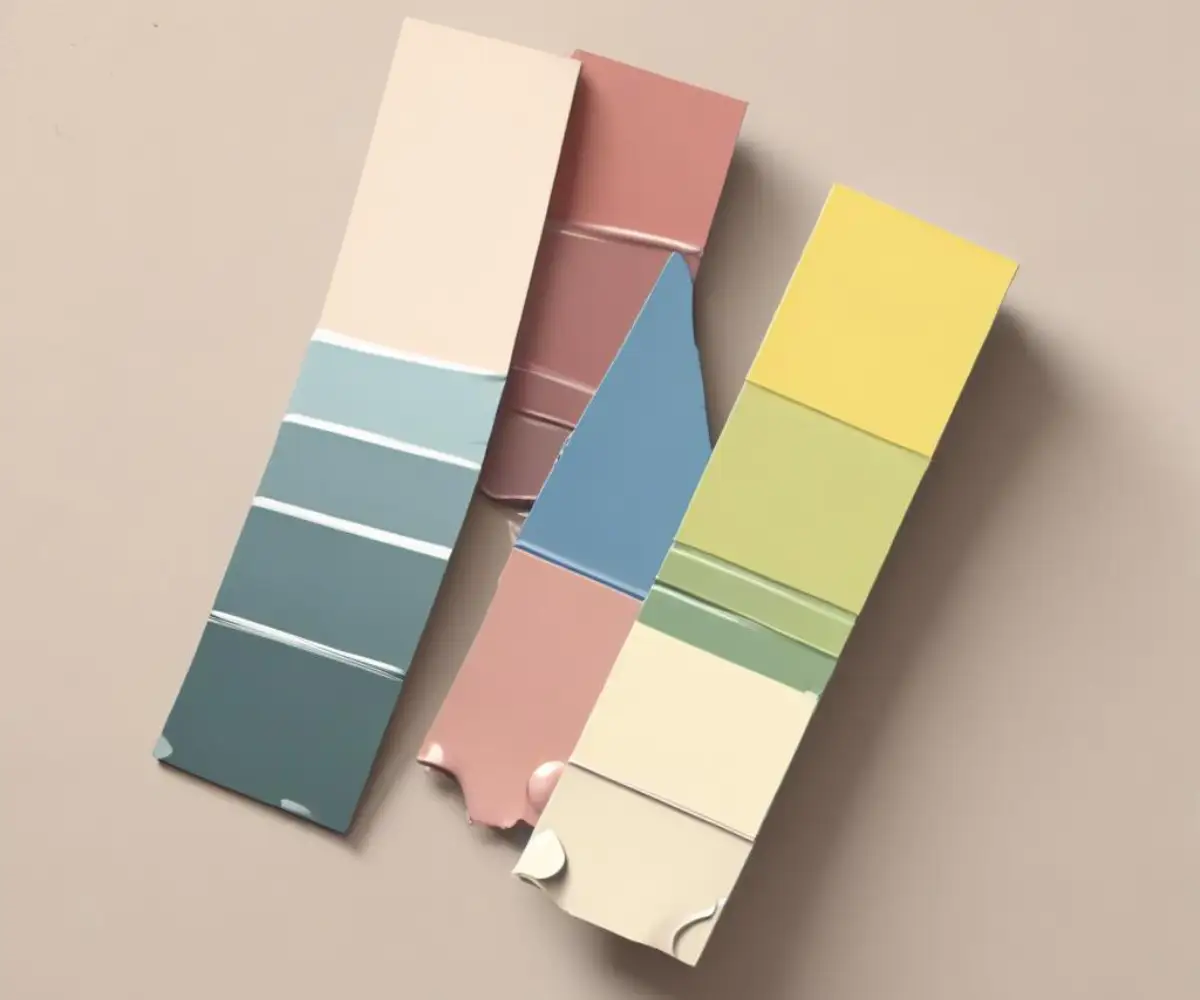
Think of the paint base as the canvas and the colorants as the oils. Sherwin Williams and Benjamin Moore use proprietary formulas for both. A “white” base from Sherwin Williams might have a slightly different undertone than a “white” base from Benjamin Moore.
Furthermore, the colorant systems are unique. One brand might use a specific magenta or yellow oxide that the other doesn’t have. To create a match, the system must approximate that color using a combination of its available pigments, which can affect the color’s complexity and how it reacts to light.
Your Step-by-Step Guide to the Best Possible Color Match
While an exact chemical replica is off the table, you can achieve a visually identical match that is indistinguishable to the naked eye. Success hinges on a careful and methodical approach. Following these steps is not optional if you want to avoid a costly mistake.
Step 1: Always Start with a Physical Sample
Do not rely on a color name, a formula code, or a picture on your phone. Go to a Benjamin Moore store and get an official paper paint chip of the color you want. This is the “ground truth” that the spectrophotometer will scan.
Step 2: Communicate Clearly with the Technician
When you go to Sherwin Williams, provide the paint chip and state the exact Benjamin Moore color name and number (e.g., “Benjamin Moore Revere Pewter HC-172”). Ask the technician if they have a pre-existing formula for this color in their system. Often, popular colors from competitors have been matched before and have a tested formula ready to go.
Step 3: The Most Important Step—Buy a Sample Pot
Never, ever skip this step. Before committing to gallons of paint, always purchase a small sample pot of the matched color. It is the single most effective way to prevent disappointment and is a tiny investment compared to the cost of repainting a room.
Step 4: Test the Sample in Its Final Environment
Paint a large swatch (at least 2×2 feet) of the sample on your wall. If you don’t want to paint directly on the wall, use a large piece of poster board. Observe it at all times of the day—in the bright morning sun, the warm afternoon light, and with your artificial lights on at night. Place it next to your trim, flooring, and furniture to ensure it harmonizes as you envisioned.
Common Pitfalls in Paint Matching and How to Sidestep Them
Navigating the nuances of color matching requires being aware of the subtle factors that can derail your project. Beyond the base paint and colorants, sheen and color complexity play a huge role in the final outcome.
The Powerful Effect of Sheen
A color’s sheen—be it matte, eggshell, satin, or semi-gloss—dramatically impacts how it is perceived. Light reflects differently off a glossy surface than a flat one, which can alter the appearance of the color. A Benjamin Moore “Eggshell” and a Sherwin Williams “Satin” may have similar names but different levels of reflectivity.
When getting a match, it’s crucial to try and match the sheen as closely as possible. Be aware that even with a perfect color match, a difference in sheen can make the paint look like a different shade, especially on large surfaces.
| Factor | Getting a Sherwin Williams Match | Using the Original Benjamin Moore Paint |
|---|---|---|
| Convenience & Cost | Often higher convenience and potential for savings during sales events. | Guarantees you are getting the product you want, but may be less convenient or pricier. |
| Color Accuracy | Can be extremely close (95-99%), but never a 100% guaranteed formula match. | Absolute 100% accuracy to the color chip. No guesswork involved. |
| Potential for Error | Higher risk of metamerism and slight variations. Requires diligent testing. | Virtually no risk of color error. What you see is what you get. |
| Sheen Consistency | Sheens are not standardized across brands and may differ, affecting the final look. | The sheen is perfectly calibrated to the specific color formula by the manufacturer. |
| Performance | You can use a preferred Sherwin Williams product line (e.g., Emerald, Duration). | You get the exact performance and application properties of the Benjamin Moore product. |
Complex Colors Are Harder to Replicate
Some colors are more forgiving than others. Simple, primary-like colors are generally easier to match. However, complex neutrals like greiges, nuanced off-whites, and deep, saturated hues with tricky undertones are notoriously difficult to replicate perfectly.
Colors like the iconic White Dove have subtle undertones that can be easily thrown off by a slightly different base or colorant mixture. If your heart is set on a particularly complex and iconic color, sticking with the original brand is often the safest choice.
The Deeper Chemistry: More Than Just Color
A crucial point that is rarely discussed is that a paint’s formula is about more than just its color. It’s a complex recipe of binders, solvents, and performance-enhancing additives. These ingredients dictate how the paint applies, how durable it is, how well it covers, and its final texture.
When you get a color match, you are only replicating the color. You are not replicating the unique performance characteristics of the original Benjamin Moore product. This is why some painters prefer one brand over another; it’s about the feel and performance during application. Considering how different brands stack up in quality, as explored in a Farrell Calhoun vs Sherwin Williams comparison, highlights that the product itself is as important as the shade.
Final Touches for a Cohesive and Professional Look
Once you’ve successfully navigated the color matching process and your walls are painted, the details matter. The right finishing touches can elevate the entire space and ensure the new wall color looks intentional and polished.
Don’t let small details undermine your hard work. For instance, considering what color wall plates with grey walls or any other color can make a surprising difference in the final, cohesive look of your room.
Conclusion: Match with Confidence, But Verify with Diligence
So, can Sherwin Williams match a Benjamin Moore paint color? Absolutely, and often with remarkable accuracy. The technology and expertise available can create a match that is visually indistinguishable from the original for most people.
However, the brutal truth is that it will never be an identical chemical formula. The secret to success lies not in blind faith in the machine, but in your own diligence. By understanding the process, respecting the differences in paint chemistry, and, most importantly, always testing a sample in your own home’s unique lighting, you can confidently use the brand you prefer while getting the exact color you love.
