
Can Eucalyptus Grow in Virginia? Your Ultimate Success Guide
The allure of eucalyptus is undeniable. Its silvery-blue leaves, refreshing fragrance, and rapid growth make it a coveted addition to any garden. But for Virginia gardeners, a critical question looms: can this iconic Australian native truly survive, let alone thrive, in the Commonwealth’s diverse climate?
Many gardeners have been discouraged, fearing that Virginia’s cold winters and humid summers would spell doom for these seemingly delicate trees. The problem is a valid one, as many eucalyptus species are not equipped to handle temperatures that dip into the teens or single digits. However, the answer isn’t a simple no; it’s a resounding “yes, if you choose wisely and plan carefully.”
You'll Learn About
Understanding Virginia’s Climate: The Zone Matters
Success with eucalyptus in Virginia begins with a fundamental understanding of your specific growing environment. The U.S. Department of Agriculture (USDA) Plant Hardiness Zone Map is an essential tool. It divides the country into zones based on average annual minimum winter temperatures. Virginia spans several zones, primarily zones 6b, 7a, 7b, and 8a.
This variation is critical. A eucalyptus variety that thrives in the warmer coastal regions of zone 8a (like Virginia Beach) may not survive a winter in the mountainous terrain of zone 6b. Knowing your specific zone is the first step in selecting a tree that has a fighting chance against the cold.
Breaking Down Virginia’s Hardiness Zones
Most of Virginia falls into zones 7a and 7b, where winter temperatures can dip to between 0°F and 10°F. This is the challenging middle ground where variety selection becomes paramount. Some areas, like Richmond, straddle these zones. Northern Virginia is predominantly 7a, while the southeastern part of the state enjoys the milder 8a climate.
Don’t guess your zone. An incorrect assumption can lead to a failed planting and disappointment. A quick search online with your zip code will provide your precise USDA hardiness zone, forming the bedrock of your eucalyptus growing strategy.
The Microclimate Factor: Your Secret Weapon
Beyond the broad strokes of USDA zones, every garden possesses unique microclimates. These are small pockets where conditions can be warmer, cooler, wetter, or drier than the surrounding area. A south-facing wall that absorbs and radiates heat can create a pocket of warmth equivalent to a half-zone warmer.
Similarly, a low-lying area where cold air settles will be more prone to frost. Planting near a building or a dense evergreen hedge can provide crucial protection from damaging winter winds. Identifying and utilizing these microclimates is a sophisticated gardening technique that can dramatically increase your chances of success with borderline hardy plants like eucalyptus.
The Best Cold-Hardy Eucalyptus Varieties for Virginia
The single most important factor for success is choosing a proven cold-hardy variety. Not all eucalyptus are created equal. While thousands of species exist, only a select few have demonstrated the resilience to withstand Virginia’s winters. Extensive trials have identified several champions that gardeners can plant with confidence.
These varieties have been observed to survive temperatures well below freezing, and some can even regrow from their roots if the top growth is killed by an exceptionally harsh winter. Focus your search on these proven performers to avoid the heartbreak of losing a tree to the first deep freeze.
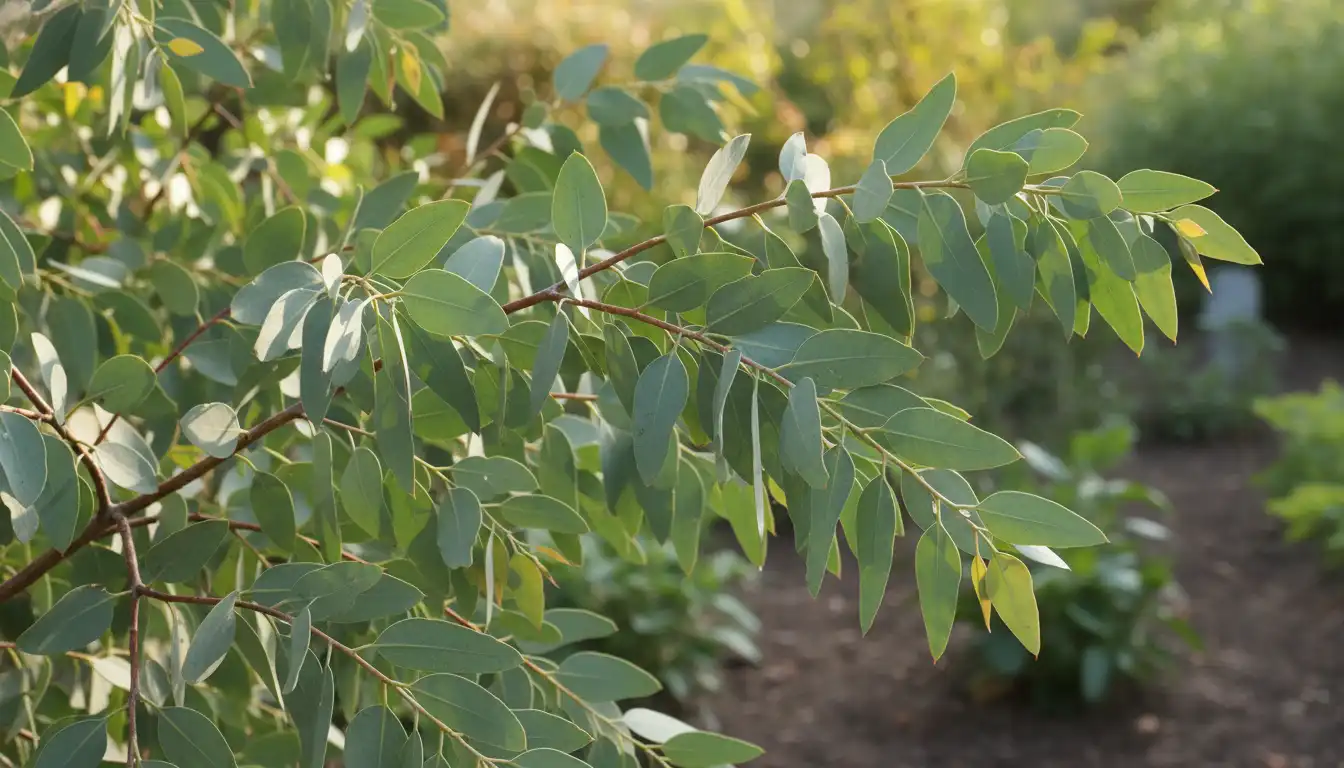
Below is a table highlighting some of the most recommended cold-hardy eucalyptus species for Virginia gardens. Pay close attention to their hardiness ratings and mature sizes to find the perfect fit for your landscape.
| Variety Name | Scientific Name | Hardiness Zone | Mature Height | Key Features |
|---|---|---|---|---|
| Big O | Eucalyptus neglecta ‘Big O’ | 6b – 11 | 20-30 ft. | Large, round juvenile leaves; very fragrant; fast-growing. |
| Southern Euc ‘Grace’ | Eucalyptus elliptica ‘Grace’ | 7a – 11 | 30-40 ft. | Graceful, weeping habit; powdery-white bark; fast growth. |
| Cider Gum | Eucalyptus gunnii | 7a – 10 | 30-50 ft. | Classic silver-dollar foliage; tolerates pruning well. |
| Spinning Gum | Eucalyptus perriniana | 7a – 10 | 20-30 ft. | Unique juvenile leaves that encircle the stem. |
| Southern Euc ‘Sheila’ | Eucalyptus sp. ‘Sheila’ | 7a – 11 | 25-40 ft. | Elegant form with attractive leaves and bark. |
Your Step-by-Step Guide to Planting Eucalyptus in Virginia
Once you’ve selected a suitable variety, proper planting and care are crucial for establishing a strong, healthy tree that can withstand the elements. From timing to soil preparation, each step plays a vital role in the long-term survival of your eucalyptus.
When to Plant: Timing is Everything
The ideal time to plant eucalyptus in Virginia is in the spring, after the last threat of frost has passed. This gives the tree the entire growing season to establish a robust root system before facing its first winter. Planting in late summer or fall is risky, as the tree may not have enough time to acclimate and harden off before cold weather arrives.
Starting with a small, healthy plant from a reputable nursery is often better than a larger one. Smaller plants experience less transplant shock and can often establish their roots more quickly, leading to more vigorous growth in the long run.
Site Selection: Sun, Soil, and Shelter
Eucalyptus trees are sun worshippers. You must select a location that receives at least six to eight hours of direct sunlight per day. Insufficient light will lead to weak, leggy growth and can make the tree more susceptible to pests and diseases.
Excellent drainage is non-negotiable. Eucalyptus roots are highly sensitive to waterlogged conditions, which can quickly lead to root rot. If you have heavy clay soil, which is common in many parts of Virginia, you will need to amend the planting area to improve drainage. A spot on a gentle slope is often ideal. Also, consider wind protection, especially for young trees, by planting on the leeward side of a structure or other established trees.
Soil Preparation: Giving Your Tree the Best Start
To prepare the planting site, dig a hole that is twice as wide as the root ball but no deeper. This encourages the roots to spread out into the surrounding soil rather than just circling in the hole. If you have heavy clay, mix in organic matter like compost or pine bark fines to improve soil structure and drainage.
Eucalyptus generally prefers slightly acidic soil, which is common in Virginia, so extensive pH adjustments are usually not necessary. The key is to create a loose, friable soil environment that allows roots to breathe and grow without obstruction.
The Planting Process: From Pot to Ground
Carefully remove the eucalyptus from its nursery pot, taking care not to disturb the root ball more than necessary. Gently tease apart any circling roots at the bottom. Place the tree in the center of the hole, ensuring that the top of the root ball is level with or slightly above the surrounding ground.
Backfill the hole with the amended soil, gently tamping it down to remove any air pockets. Water the tree thoroughly immediately after planting to help settle the soil. Apply a 2-3 inch layer of mulch, such as pine bark or wood chips, around the base of the tree, keeping it several inches away from the trunk to prevent moisture buildup and potential rot.
Overwintering Eucalyptus: The Key to Survival in Virginia
The first few winters are the most critical for a young eucalyptus tree. Providing extra protection can make the difference between survival and demise. As the tree matures and develops a thicker trunk and more extensive root system, it will become progressively more resilient.
Year One: Babying Your Young Tree
For the first winter, it’s wise to provide extra insulation. After the first hard frost, apply a thick layer of mulch (6-8 inches) around the base of the tree to protect the root crown. This is crucial because even if the top of the tree dies back, many cold-hardy varieties can resprout from the lignotuber (a woody swelling at the base) if the roots are protected.
For very young or small trees, you can also create a cage of hardware cloth around the trunk and fill it loosely with fallen leaves for added insulation. Another option is to wrap the trunk with burlap or a commercial tree wrap.
Mature Trees: Mulching and Protection Strategies
Once a eucalyptus tree is established (typically after 2-3 years), it will require less intensive winter care. However, continuing the practice of applying a generous layer of mulch each fall is a simple and effective way to ensure its ongoing health and protect it during an unusually severe winter.
Avoid heavy fertilization, especially late in the season. Pushing new, tender growth in the fall will make the tree much more susceptible to frost damage. Allow the tree to naturally harden off as the days get shorter and cooler.
What to Do After a Hard Frost
Don’t be alarmed if your eucalyptus suffers some leaf damage or even branch dieback after a particularly cold spell. This is often cosmetic. Do not prune the damaged parts in the middle of winter. Wait until spring, when new growth begins to emerge. At that point, you can clearly see which branches are dead and prune them back to live wood.
Common Problems and Solutions for Virginia Gardeners
While selecting the right variety and providing winter protection are the biggest hurdles, Virginia gardeners may face a few other challenges. Being prepared to address them will ensure your tree remains a beautiful, healthy specimen.
Pest and Disease Management
One of the benefits of growing eucalyptus in a non-native environment is that they have relatively few serious pest and disease problems. The most significant threat is root rot, which is almost always caused by poor drainage. Ensuring your tree is planted in well-draining soil from the start is the best prevention.
Occasionally, you might see pests like psyllids or sawflies, but they rarely cause significant damage to a healthy tree. Fungal leaf spot can occur during particularly wet, humid summers. Improve air circulation through proper pruning and remove any heavily affected leaves.
Managing Aggressive Growth and Pruning
Eucalyptus trees are known for their fast growth rate. While this is often a desirable trait, it can become a problem if the tree is planted in a small space. Regular pruning is the best way to manage its size and shape. The best time to perform structural pruning is in late winter or early spring, just before the new growth starts.
You can remove dead or crossing branches at any time. Pruning not only controls size but can also encourage a denser, bushier habit, which is often desirable for privacy screens or hedges.
Container Growing: A Viable Alternative?
For those in the coldest parts of Virginia (zone 6b) or gardeners with limited space, growing eucalyptus in a large container is an excellent option. This allows you to enjoy the tree’s beauty and fragrance on a patio or deck during the summer and move it to a protected location, like an unheated garage or cool basement, for the winter.
When growing in pots, use a high-quality potting mix designed for good drainage. Container-grown plants will need more frequent watering and occasional fertilization during the growing season. You might even consider crafting custom containers for your trees. With the right techniques, you can learn how to glaze cement to create stunning, durable planters that complement the unique beauty of eucalyptus.
Beyond the Basics: Advanced Tips for Thriving Eucalyptus
Once you’ve mastered the fundamentals, you can explore more advanced techniques to get the most out of your eucalyptus tree. These methods can enhance its appearance, control its growth, and provide you with a steady supply of fragrant foliage.
Coppicing for Bushier Growth and Abundant Stems
Coppicing is a traditional pruning technique that involves cutting the tree back hard, close to the ground, in early spring. This is an incredibly effective method for managing size and is particularly useful for gardeners who want to harvest foliage for floral arrangements. Many eucalyptus species respond vigorously to coppicing, sending up multiple new stems from the base.
This practice also forces the tree to continually produce its juvenile foliage, which is often more decorative and rounded than the elongated adult leaves. By coppicing every one to three years, you can maintain your eucalyptus as a multi-stemmed shrub rather than a large tree, providing a constant supply of beautiful, fragrant stems.
Harvesting Leaves for Fragrance and Decor
The aromatic leaves of the eucalyptus tree are one of its main attractions. You can harvest stems at any point during the growing season to bring indoors for fresh arrangements. For drying, it’s best to harvest stems in late summer when the foliage has “hardened off” a bit.
Hang the bunches upside down in a dark, dry, well-ventilated area for several weeks until they are fully dried. The dried leaves will retain their fragrance for months and can be used in wreaths, potpourri, or simply displayed in a vase for long-lasting natural decor.
Conclusion: Is Growing Eucalyptus in Virginia Worth It?
Growing eucalyptus in Virginia is not only possible but can be incredibly rewarding. It requires more thoughtful planning than planting a native oak or maple, but the payoff is a unique, fast-growing, and stunningly beautiful tree with year-round interest and an unforgettable fragrance.
By understanding your hardiness zone, carefully selecting a cold-hardy variety, providing excellent drainage, and offering protection during the first few winters, you can successfully cultivate this Australian treasure. The sight of silvery leaves shimmering in the Virginia sun and the fresh scent drifting on a summer breeze is a prize well worth the effort.
