Can Any Wire be Used as a Ground Wire?
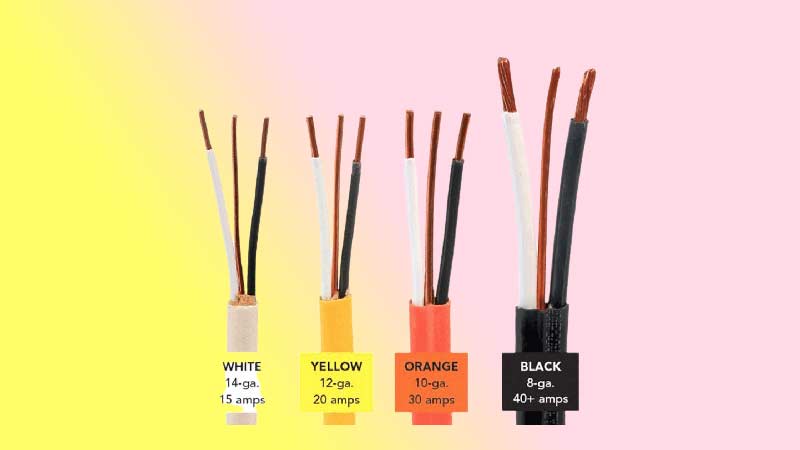
A ground wire is a necessary part of your electrical system and should be installed by a professional. It’s important to know where the ground wire goes in order to correctly connect your wires and avoid potential problems with your house or appliances.
No — not any wire should be used as a grounding conductor. Use a properly sized, code-approved conductor (commonly copper, bare or green/green-yellow insulated) and follow local electrical codes and manufacturer instructions. For long-lasting, corrosion-resistant connections consider stranded or tinned copper when appropriate and use proper connectors rated for the materials in your installation.
Always follow the manufacturer’s installation instructions and local electrical code; have grounding and bonding inspected or tested with the appropriate equipment by a qualified electrician rather than relying on plugging in an appliance to check a ground.
You'll Learn About
What is a Ground Wire and Why It’s Necessary?
A ground wire (grounding conductor) is a conductor that provides a low-resistance path to earth and to the system neutral where required, so that fault currents have a safe route to cause protective devices (circuit breakers or fuses) to open. Its main purpose is to reduce shock hazard and help clear electrical faults.
Grounding systems provide connections between equipment grounding conductors, the service equipment, and the grounding electrode system (such as a ground rod or grounding plate). In typical building electrical systems, branch circuits include hot (live) conductors, a neutral (return) where applicable, and an equipment grounding conductor that is intended for safety, not for carrying normal load current.
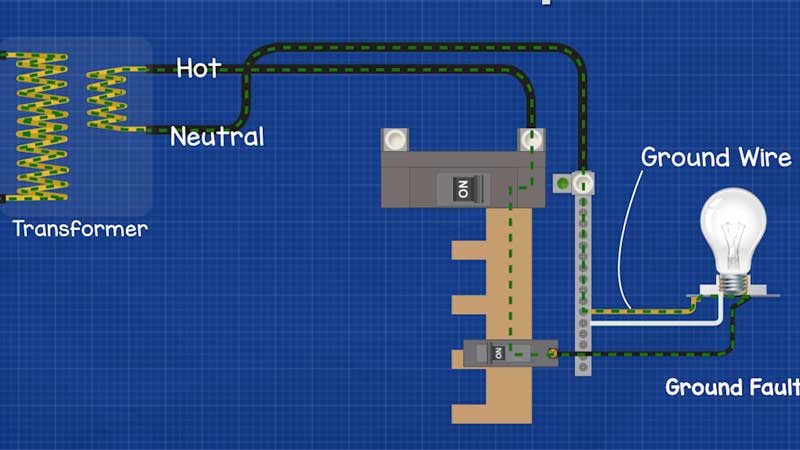
When a fault occurs, the grounding path helps carry fault current back to the source so protective devices can operate and isolate the fault, reducing the risk of shock, fire, or equipment damage.
Why is a ground wire necessary?
A ground wire is essential for electrical safety. A grounding system helps keep people safe from electric shock and helps protect equipment by providing a predictable path for fault current so overcurrent protection can operate.
What does a ground wire do?
A grounding conductor normally does not carry current; it provides a low-impedance path that conducts fault current to enable protective devices to clear the fault. It also helps stabilize voltage relative to earth.
If a fault or wiring problem occurs, proper grounding helps the electrical system respond safely (for example, by tripping a breaker). It is not a guarantee that sparks or smoke won’t occur, which is why correct installation and protection are essential.
Where should I install my ground wire?
Grounding conductors are routed and connected according to the electrical code: equipment grounding conductors connect to outlets and equipment, and the overall grounding/bonding system ties to the service equipment and the grounding electrode system (ground rods, plates, or building structural grounding). Exact placement and routing must follow local code and be performed or inspected by a qualified electrician.
Wire that can be Used as a Ground Wire
You must use a conductor that meets local code and the equipment manufacturer’s requirements. Commonly used grounding conductors are bare copper, or copper with green or green-yellow insulation; in some installations aluminum conductors may be allowed if sized and connected correctly. Do not substitute arbitrary wires or colors.
Color
Grounding conductors are typically bare copper or insulated in green or green with yellow stripe. Other colors are reserved for other functions (for example, black/red are often hot, white or gray used for neutral in AC systems) and should not be used as grounding conductors.
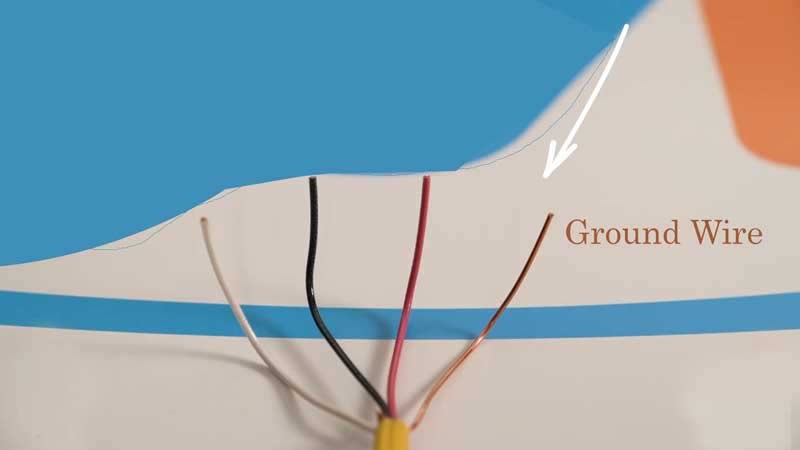
Note the difference between AC branch-circuit wiring and simple battery wiring: in typical household AC wiring black is a hot (live) conductor and white is neutral; for batteries the convention is commonly red = positive and black = negative. Always confirm which system and color conventions apply and follow code and device instructions.
- No — you must use a conductor that meets code requirements for equipment grounding; color coding is for safety and should be followed.
- Grounding conductors are used in wiring systems to provide a safe path for fault current and to help protective devices function properly; they are not intended to carry normal load current.
- Grounding helps protect equipment from damage in faults and can reduce risk from lightning or static in properly designed grounding/earthing systems, but proper design and installation are required for effectiveness.
Type
Use conductors and materials that are code-approved for grounding: typically copper (solid or stranded) sized according to circuit ampacity and the applicable code tables. Aluminum may be permitted in some applications but requires larger conductor size and proper connectors rated for aluminum. Do not attach grounding conductors arbitrarily to window frames or non-electrical hardware unless those methods and materials are explicitly permitted and listed for bonding by code or an authority having jurisdiction.
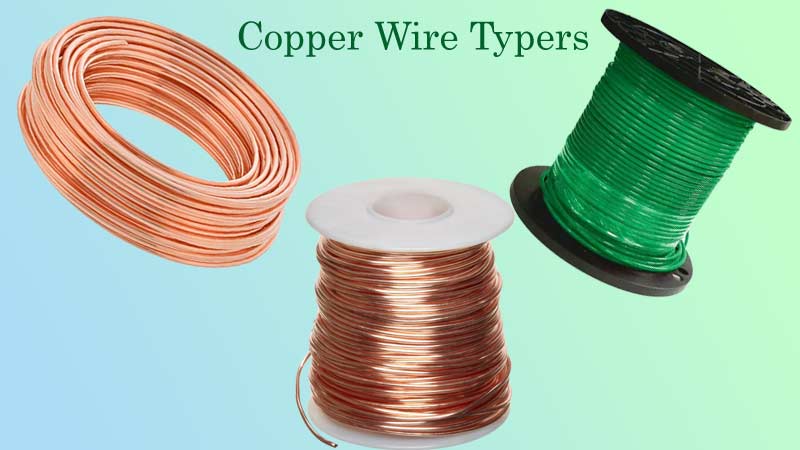
Do not improvise mechanical attachments for grounding; use listed clamps and connectors and follow the installation instructions and local regulations. Improper mechanical connections can corrode or loosen and defeat the grounding function.
Bare Copper Wire
Copper is commonly used for grounding because it has good conductivity and resists corrosion when installed correctly. When choosing a grounding conductor, make sure it has the appropriate size and listing for your project.
Gauged Copper Wire
Ground conductor sizes are determined by electrical code and by the circuit ampacity or equipment they serve; there is no single “one size fits all” gauge. Always size grounding conductors per your local electrical code or a qualified electrician.
Make sure you buy wires and connectors that are compatible so they form a reliable electrical and mechanical connection.
Any Type of Wire
Not every random wire is acceptable. Use copper or other listed grounding conductors as permitted by code. When aluminum is used, it must be specifically rated and connected with compatible, listed hardware. Improper materials or connections can lead to hazards.
Choose Appropriate Conductor Material
Select a conductor material and construction (solid vs. stranded, tinned, etc.) that is appropriate for the environment and listed for the application. “Oxygen-free” marketing terms are not a substitute for code compliance and listed equipment.
Multi Strand Wire
Both solid and stranded conductors are used for grounding depending on the application; stranded conductors can be easier to route in some installations, but either must meet the required gauge and listing for the circuit and connection type.
How to Choose The Right Wire
Consult your local electrical code and the equipment manufacturer’s instructions to determine the correct type and size of grounding conductor. When in doubt, work with a qualified electrician or inspector to ensure the installation is safe and code-compliant.
Bare Copper Wire vs. Gauged Copper Wire
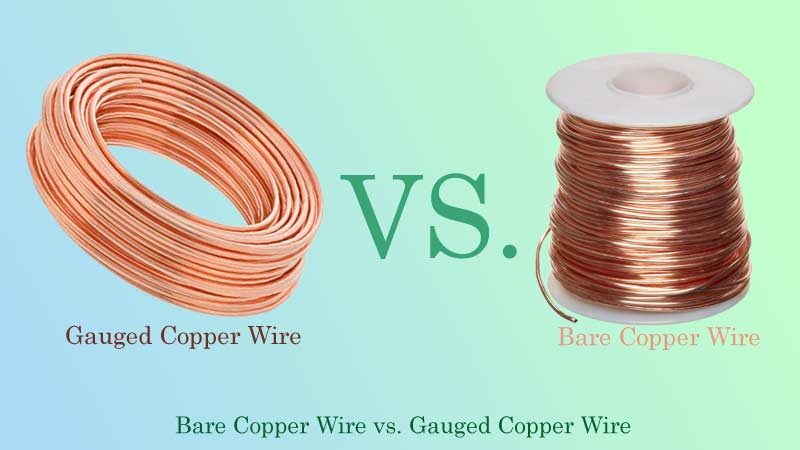
| Bare Copper Wire | Gauged Copper Wire |
| Commonly used as an equipment grounding conductor (uninsulated where permitted). | Insulated conductors sized and marked for branch circuits and grounding where insulation or specific identification is required. |
| Often used where exposed grounding conductors are acceptable and protected. | Used where code or installation requires insulated, identified conductors. |
| Requires proper clamps and connectors for corrosion resistance and mechanical strength. | Also requires compatible connectors and proper installation practices. |
Bare Copper Wire vs. Gauged Copper Wire
To Recap
Bare copper wire and insulated copper conductors are commonly used for grounding. Conductor sizes vary and are chosen according to code and the circuits or equipment being protected.
Remember that a higher AWG number means a smaller conductor. Always follow code tables or a licensed electrician’s guidance when selecting conductor size to ensure safety and compliance.
Frequently Asked Questions
What type of wire is used for grounding?
Grounding conductors are typically copper (solid or stranded) or, where permitted, listed aluminum conductors; always use materials and sizes that are code-approved for the specific installation.
Why do we need to ground a building?
For safety. If the electrical system is not properly grounded and bonded, fault currents and stray voltages can create shock or fire hazards; grounding and bonding help manage those risks.
How do I know when to ground a building?
Buildings and electrical systems must be grounded and bonded during installation or major renovation according to local code. Consult an electrician or the authority having jurisdiction (local inspector) to determine the required grounding methods for your project.
Also Read – GE Cafe Refrigerator Problems and Solutions