
Island Longer Than Cabinets: The Design Mistake You Might Be About to Make
You stand in your kitchen, tape measure in hand, envisioning a grand, sweeping island. It’s the centerpiece you’ve dreamed of—a vast expanse for meal prep, homework sessions, and casual gatherings. But then, a nagging question surfaces: can a kitchen island be longer than the cabinets it faces? It’s a design choice that teeters between a stroke of genius and a costly mistake.
Conventional wisdom often dictates a sense of symmetry, suggesting an island should neatly align with the length of the cabinetry run. Yet, in modern, open-concept homes, breaking this “rule” is becoming more common. The real problem isn’t about adhering to old-school guidelines; it’s about understanding the fundamental principles of flow, balance, and function that make a kitchen truly work.
You'll Learn About
Why The “Rules” of Island Length Exist
Traditional kitchen design often emphasizes creating a contained and visually balanced workspace. An island that is shorter than or equal to the length of the wall cabinets helps frame the primary kitchen zone. This approach creates a clear, defined area that feels intentional and orderly.
This method works well in enclosed kitchens, where the island’s main purpose is to support the “work triangle”—the efficient path between the sink, refrigerator, and stove. Keeping the island within the cabinet lines ensures it doesn’t obstruct major traffic paths or feel like an afterthought. However, as homes have evolved, so too have the roles of our kitchens and their islands.
The Rise of the Asymmetrical Kitchen
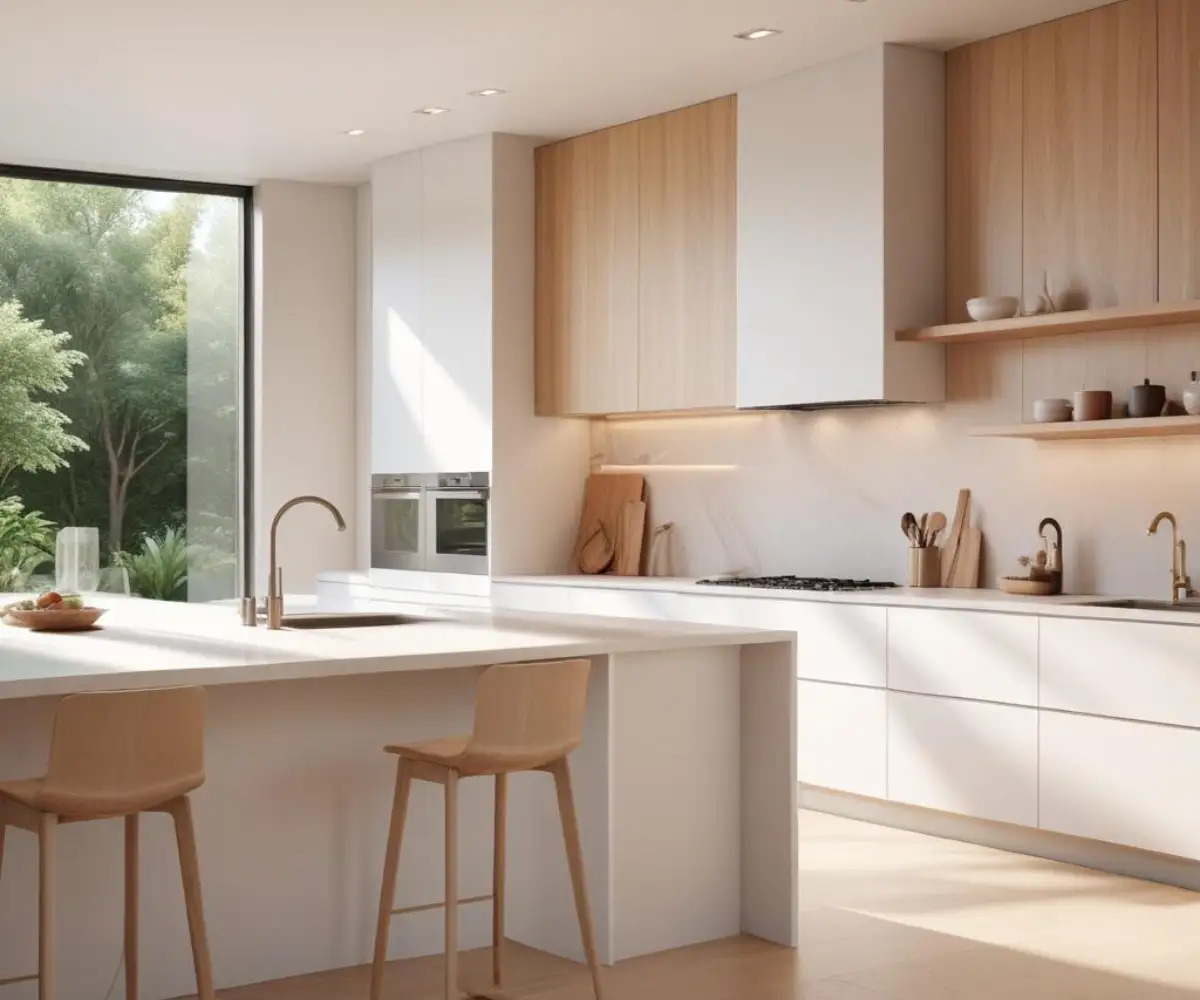
Today’s open-plan living spaces demand a different approach. The kitchen is no longer just a utility room; it’s the home’s central hub. An island that extends beyond the main cabinet line can act as a brilliant transitional element, subtly dividing the kitchen from the living or dining area without erecting a wall.
This intentional asymmetry can create a powerful design statement, transforming the island from a simple work surface into a multi-functional piece of furniture. It can become a dining bar, a serving station for entertaining, or a casual work-from-home spot. The key is to make this extension look deliberate, not accidental.
When an Extended Island Works Wonders
Deciding to extend your island beyond the cabinet run isn’t a decision to take lightly. It succeeds when the choice is rooted in purpose and careful planning. An extended island is a winning strategy in several specific scenarios.
It excels in large, open-concept rooms where it can define spatial boundaries. It’s also ideal for homeowners who want to create distinct functional zones within a single, cohesive unit. Ultimately, a longer island works when it solves a problem, whether that’s adding seating, improving flow, or anchoring a vast space.
Defining Spaces in an Open-Concept Home
In a large great room, an island that stretches beyond the kitchen cabinetry acts as a low-profile room divider. It can create a visual “stop” that signals the end of the kitchen and the beginning of the dining or living area. This is especially effective when the extended end is dedicated to seating.
This technique guides traffic flow naturally around the central hub rather than through the primary cooking zone. It establishes the kitchen as a distinct, functional space while maintaining the airy, connected feel of an open floor plan.
Creating Dedicated Functional Zones
A longer island allows you to create highly specific zones for different activities. The portion of the island directly opposite the main work area (stove, sink) can be designated the “prep and cooking zone.” This is where the business of making meals happens.
The extended portion then becomes the “social and dining zone.” This clear separation is highly practical. It keeps guests or family members out of the cook’s way while still allowing for easy conversation and interaction, turning the island into the true heart of the home.
The Blueprint for Success: How to Design an Extended Island
If you’ve determined that an island longer than your cabinets is the right move, success lies in the details. Execution is everything. Without careful consideration of clearance, balance, and functionality, your bold design choice can quickly become a daily frustration.
You must prioritize movement and safety, create visual harmony, and strategically plan every inch of your island’s surface. These pillars will ensure your extended island is both beautiful and brilliantly functional, enhancing your kitchen for years to come.
Step 1: Master the Clearances
The most critical factor is ensuring adequate space for movement. An oversized island in a space that can’t handle it will make your kitchen feel cramped and dysfunctional. Adhering to established guidelines is non-negotiable.
The National Kitchen & Bath Association (NKBA) provides clear recommendations. Maintain a minimum of 42 inches of clearance in the primary work aisle between the island and the main cabinets. If your kitchen often has multiple cooks, expanding this to 48 inches is even better. For walkways behind seating or on less-trafficked sides, a minimum of 36 inches is acceptable, but 44 inches is preferred to allow people to walk past someone who is seated.
Step 2: Achieve Visual Balance
An island that extends beyond the cabinets can make a room feel lopsided if not balanced properly. The goal is to make it look intentional. One of the most effective ways to achieve this is with a waterfall countertop.
A waterfall edge, where the countertop material flows down the side of the island to the floor, provides a clean, finished look. It anchors the extended end, giving it visual weight and purpose. This transforms the island into a sculptural element, making the asymmetry feel deliberate and high-design. Another strategy is to use lighting. A series of pendant lights spaced evenly across the entire length of the island will unify the structure and draw the eye along its full span.
Step 3: Plan for Functionality and Seating
Proper planning for seating is essential for comfort and usability. For comfortable seating, allow a knee-space overhang of at least 15 inches for a standard 36-inch-high counter. Anything less will force people to sit sideways or uncomfortably perched on the edge of their stool.
You should also plan for at least 24 inches of width per person. This prevents diners from bumping elbows and ensures everyone has adequate personal space. If your island is intended to be a primary dining spot, thoughtful planning of seating capacity is crucial.
| Aspect | Pros of an Island Longer Than Cabinets | Cons of an Island Longer Than Cabinets |
|---|---|---|
| Aesthetics | Creates a strong focal point and a modern, asymmetrical look. Can define spaces in an open-concept layout. | Can look unbalanced or disproportionate if not designed carefully. May appear like a planning error. |
| Functionality | Provides extensive, continuous counter space. Allows for distinct work and social zones. | Can create long, inefficient travel paths around the island, disrupting the classic work triangle. |
| Space & Flow | Helps guide traffic flow in large, open rooms. Ideal for creating a social hub for entertaining. | Requires significant clearance on all sides; can make a moderately sized kitchen feel cramped and obstruct pathways. |
| Cost & Installation | Maximizes utility from a single built-in element, potentially reducing the need for a separate dining table. | Longer countertops may require seams and additional support, increasing material and labor costs. |
Critical Mistakes to Avoid with an Extended Island
While an extended island can be a stunning feature, several common pitfalls can turn it into a design disaster. Avoiding these mistakes is just as important as following the right steps. Thoughtful planning can prevent you from creating a beautiful but impractical kitchen.
From ignoring your kitchen’s natural workflow to choosing the wrong lighting, these errors can compromise both the look and function of your space. Be mindful of these potential issues as you finalize your design to ensure your island is an asset, not an obstacle.
Ignoring the Work Triangle
Even in a modern kitchen with work zones, the core relationship between the sink, stove, and refrigerator remains important. Your island, no matter its length, should not become a barrier between these key appliances. For instance, you shouldn’t have to walk around a 12-foot island to get from the refrigerator to the sink.
Plan the placement of your primary appliances and workstations to ensure an efficient workflow. A prep sink on the island can drastically improve functionality, especially if the island is very long. If you’re considering multiple appliances, an article on installing 2 dishwashers in your kitchen could provide valuable insights for a high-functioning setup.
Underestimating Lighting Needs
A long island requires a well-thought-out lighting plan. A single, small fixture will look lost and fail to adequately illuminate the entire surface. This is a common mistake that undermines the island’s role as a primary workspace.
Instead, opt for multiple pendant lights spaced evenly along the island’s length. This approach not only provides consistent, task-oriented lighting but also helps to visually unify the entire structure. The lighting should accentuate the island’s length, reinforcing it as a deliberate and central design feature.
Forgetting the Finishing Touches
The details matter, especially with a statement piece like an extended island. A beautiful island can be let down by clumsy finishing. For example, ensuring a clean transition to the floor is crucial for a professional look.
A guide on installing baseboard under kitchen cabinets can offer principles that apply to finishing the base of your island. Consistent and clean detailing where the island meets the floor will contribute to a polished and high-end appearance, making it feel truly integrated into the kitchen design.
The Final Verdict: Is a Longer Island Right for You?
So, can a kitchen island be longer than the cabinets? The answer is a resounding yes, but only with careful, intentional design. It is not a rule to be broken lightly but a design choice that, when executed correctly, can elevate your kitchen from merely functional to truly spectacular.
The decision hinges on your space, your lifestyle, and your design goals. If you have a large, open-concept kitchen and crave a multi-functional hub for cooking, dining, and socializing, an extended island could be the perfect solution. However, if your kitchen is more compact, forcing an oversized island into the space will only create frustration. It’s about creating harmony between scale, proportion, and function—not just about maximizing countertop inches.
Before you commit, lay out your proposed island with painter’s tape on the floor. Walk around it, open imaginary appliance doors, and pull up chairs. If the flow feels natural and the space remains open and accessible, you may have a winning design. For those at the beginning of this journey, exploring options like a Lowe’s cabinets sale can be a great starting point for finding the building blocks of your dream kitchen.
