
Cali GeoWood Reviews: The Untold Truth Before You Buy
Choosing the perfect floor for your home can feel like a monumental task. You crave the timeless elegance and warmth of hardwood, but your practical side worries about durability, water damage, and the demanding upkeep that often comes with it.
This is a common dilemma for homeowners. You’re caught between the aesthetic you love and the performance you need, especially in a busy household with pets, children, and the occasional spill. The fear of installing a beautiful floor only to see it warp, scratch, or stain is a significant barrier to creating the home and garden oasis you envision.
What if there was a flooring solution that bridged this gap? Cali GeoWood emerges as a contender, promising the authentic beauty of real wood combined with next-generation resilience. This review explores whether it truly delivers on this promise, offering a comprehensive look at the technology, real-world performance, and crucial considerations to help you make a confident decision.
You'll Learn About
What is Cali GeoWood? A Deeper Look at the Innovation
Cali GeoWood isn’t your standard engineered hardwood. It represents a new category of flooring designed to overcome the traditional weaknesses of wood floors. The magic lies in its unique, layered construction.
At its heart is a proprietary limestone composite core known as GeoCore. This foundation, made of 70% stone, provides incredible stability and, most importantly, makes the planks 100% waterproof. This core is the primary reason GeoWood can be installed in areas previously off-limits to wood flooring, like full bathrooms, kitchens, and basements.
On top of this stone core is a layer of real, sustainably harvested timber. This is what gives GeoWood its authentic look and feel, as you are walking on genuine wood. The final layer is a robust, 7-coat aluminum oxide finish that provides commercial-grade scratch and dent resistance, armoring the beautiful wood veneer against the rigors of daily life.
The Real-World Pros: What Homeowners Love About GeoWood
Online forums and customer testimonials frequently praise several key aspects of Cali GeoWood. The feedback consistently points to a product that solves long-standing flooring problems.
The most celebrated feature is its unmatched waterproof performance. Homeowners express relief at finally having a wood floor in their kitchen without the constant fear of water damage from spills or appliance leaks. This feature alone opens up a world of design possibilities for a cohesive look throughout the home.
Durability is another major win. Families with large dogs and active children report that the finish holds up remarkably well to claws, toys, and heavy foot traffic. This resilience means less stress about everyday life damaging your investment.
Many users also highlight the aesthetic quality. They note that because it’s topped with real wood, GeoWood avoids the artificial or repetitive look of some vinyl or laminate products. It offers the unique grain patterns and character that only natural wood can provide.
Potential Drawbacks: What to Consider Before Buying
No product is without its trade-offs, and it’s important to have a balanced view. One of the most significant points to understand about GeoWood is the thickness of its real wood veneer. Because this layer is relatively thin, GeoWood cannot be sanded and refinished like traditional solid hardwood.
This means that while the surface is highly resistant to scratches, any very deep gouge that penetrates the finish and the wood layer cannot be easily repaired by refinishing the entire floor. For some buyers who envision a floor that can be renewed for generations, this is a critical consideration.
Another point mentioned in some reviews is the feel underfoot. The limestone core creates a very solid, dense plank. Some users, accustomed to the slight give of solid wood over a plywood subfloor, may notice a harder feel. Using a quality underlayment can help mitigate this and also improve acoustics.
GeoWood vs. The Competition: A Head-to-Head Analysis
To truly understand GeoWood’s place in the market, it’s helpful to compare it directly with other popular flooring options. Each has its strengths, and the best choice depends entirely on your priorities and the specific demands of your home environment.
The table below breaks down the key differences between Cali GeoWood and its main competitors. This provides a clear, at-a-glance reference to help you weigh the most important factors for your project, from water resistance to long-term value.
| Feature | Cali GeoWood | Solid Hardwood | Standard Engineered Wood | Luxury Vinyl Plank (LVP) |
|---|---|---|---|---|
| Water Resistance | 100% Waterproof Core | Highly Susceptible to Damage | Varies; Generally Low Resistance | 100% Waterproof |
| Durability & Scratching | High (7-Coat Finish) | Varies by Wood Species & Finish | Moderate to High | High |
| Refinishing Capability | No | Yes (Multiple Times) | Maybe (1-2 Times if Veneer is Thick) | No |
| Core Material | Limestone Composite | Solid Wood | Plywood or HDF | PVC and Composites |
| Best for DIY Installation | Excellent (Click-Lock) | Difficult (Nail-Down) | Moderate (Click-Lock or Glue) | Excellent (Click-Lock) |
| Ideal Use Cases | Kitchens, Bathrooms, Basements | Living Rooms, Bedrooms | Most Rooms (Except Wet Areas) | Any Room |
Installation Guide: Setting Your Project Up for Success
One of the appealing aspects of Cali GeoWood is its DIY-friendly click-lock installation system. However, a successful and long-lasting result depends on proper preparation. Rushing this stage is the most common cause of flooring failures.
The single most important factor is a perfectly flat and clean subfloor. GeoWood is a rigid plank, and it will not bend to accommodate significant dips or bumps. An uneven subfloor can lead to bouncing, creaking, and potential damage to the locking mechanism over time.
Before you even open a box, you must acclimate the flooring. Let the unopened boxes of GeoWood sit in the room where they will be installed for at least 48-72 hours. This allows the planks to adjust to the home’s temperature and humidity, preventing future expansion or contraction issues.
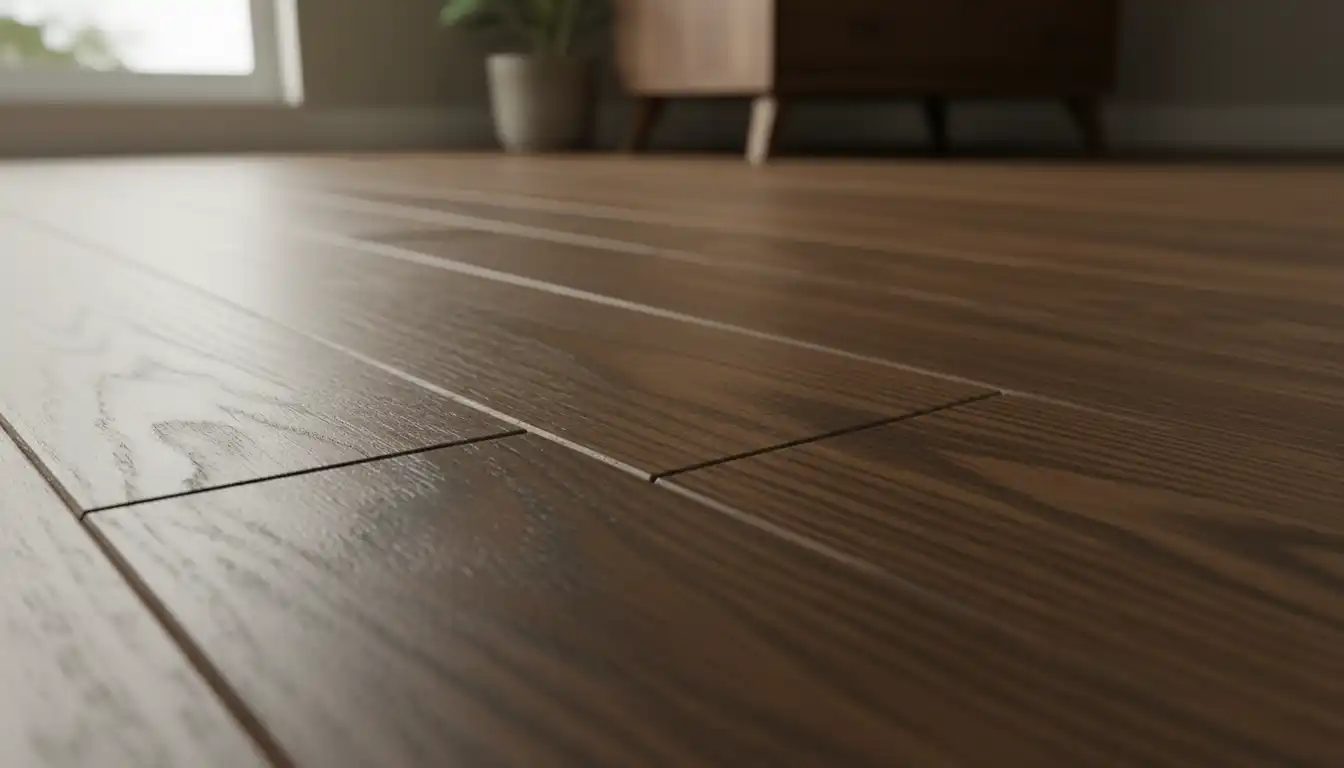
Key Steps for a Flawless Installation
First, ensure the room is ready. This includes removing all baseboards and verifying your subfloor is level. You may need to sand down high spots or use a self-leveling compound to fill in low spots. This prep work is tedious but non-negotiable for a professional result.
When laying the planks, always use tapping blocks and maintain the manufacturer-recommended expansion gap around the perimeter of the room. This gap, typically hidden by baseboards, is crucial. It gives the floor space to expand and contract with seasonal changes, preventing buckling. A common mistake that homeowners make is thinking they have a dead spot in the wall when their stud finder beeps but no stud is present, which can complicate baseboard reinstallation.
Finally, plan your layout. Stagger the plank seams for a more natural look and greater structural integrity. Careful planning ensures you won’t be left with a very narrow, awkward-looking plank on the final row. On rare occasions, a complex room layout may require adjustments to utilities, and understanding how hard it is to move a breaker box can help you decide whether to hire a professional for such tasks.
Maintaining the Beauty: Long-Term Care for GeoWood
GeoWood’s durable finish makes it relatively easy to maintain, but using the right methods is key to preserving its appearance. The goal is to clean the floor without damaging the protective topcoat or the wood veneer.
For routine cleaning, a microfiber dust mop or a vacuum with the beater bar turned off is ideal. This removes grit and dust that can act like sandpaper over time. For deeper cleaning, use a pH-neutral cleaner specifically designed for hardwood floors, lightly misting it onto a microfiber mop rather than directly onto the floor.
Never use a steam mop, wax, or oil-based soaps. Steam can damage the wood veneer, and waxes can build up a dull film that is difficult to remove. Also, place felt pads under all furniture legs and use area rugs in high-traffic zones like entryways to minimize the risk of scratches and wear. An entryway with GeoWood can stand up to a lot, even the slush and salt brought in after using your powerful st504 ariens snowblower during a tough winter.
The Final Verdict: Is GeoWood the Right Choice for You?
Cali GeoWood flooring successfully occupies a unique space in the market, offering a compelling blend of natural beauty and modern resilience. It directly addresses the primary fear associated with hardwood floors: water damage. This makes it an excellent solution for creating a seamless, high-end wood look that flows through every room of the house, including kitchens and basements.
It is the ideal choice for active families, pet owners, and anyone seeking a low-maintenance, waterproof wood floor. If you prioritize durability and DIY-friendly installation over the ability to refinish your floors in the distant future, GeoWood is one of the strongest contenders available.
However, if your vision of a “forever floor” includes the tradition of sanding and refinishing it every few decades, then solid hardwood remains the superior choice. Ultimately, Cali GeoWood provides an innovative solution that allows more homeowners to enjoy the authentic beauty of wood without the traditional worries, making it a powerful addition to the modern home and garden landscape.
