Cable Railing Isn’t Your Only Option: Stunning Alternatives
Cable railings offer a popular, modern aesthetic for decks and stairs, promising sleek lines and unobstructed views. However, this popular choice isn’t without its significant drawbacks. Many homeowners find themselves facing unexpected challenges ranging from high costs and complex installation to ongoing maintenance and safety concerns.
The reality is that achieving the perfect look with cable railings often requires specialized tools and precise tensioning, which can be daunting for a DIY project. Furthermore, issues like cable sag, potential rust in coastal climates, and navigating local building codes can turn a dream deck into a frustrating endeavor. It’s time to explore the wealth of beautiful, practical, and often more suitable alternatives available.
You'll Learn About
Why You Should Reconsider Cable Railing
While prized for a minimalist look, cable railing presents several challenges that homeowners should consider before committing. Understanding these potential problems is the first step toward finding a better alternative for your home and garden.
The Hidden Costs and Installation Headaches
The initial appeal of cable railing can quickly fade when the true costs and labor are revealed. The material costs, particularly for stainless steel components, are often higher than for traditional wood or vinyl railings. This initial investment is just the beginning.
Proper installation requires specialized tools like cable crimpers and tension gauges to achieve the taut, parallel lines essential for both safety and appearance. Incorrect tensioning is a common problem, leading to sagging cables that fail inspections and compromise safety. This complexity often necessitates hiring a professional, adding significantly to the overall project expense.
Maintenance and Long-Term Durability Concerns
Cable railings demand regular upkeep to maintain their appearance and structural integrity. The cables need to be periodically re-tensioned as they can stretch and sag over time due to temperature fluctuations and physical stressors. This isn’t a one-time adjustment; it’s a recurring maintenance task.
In coastal or humid environments, even marine-grade stainless steel can show early signs of rust if not cleaned and protected regularly. Cleaning between the individual cables can also be tedious. These long-term maintenance needs can become a persistent chore for homeowners.
Navigating Building Codes and the “Ladder Effect”
One of the most significant hurdles for horizontal cable railing is its perception as a “ladder.” Many local building codes have specific regulations regarding horizontal railings due to the concern that young children could use them to climb. While the International Residential Code (IRC) removed language about the “ladder effect” in 2001, some local jurisdictions still enforce stricter rules.
This means that before you even purchase materials, you must thoroughly research your local codes to ensure compliance. An investment in a beautiful railing system could be wasted if it fails the final inspection, making vertical alternatives an inherently safer bet in many areas.
Top Cable Railing Alternatives for a Stunning Home and Garden
Fortunately, a wide array of excellent alternatives offers unique benefits in style, maintenance, and safety. From the crystal-clear views of glass to the timeless appeal of wood, there is a perfect railing for every home.
Glass Panel Railings: The Ultimate Unobstructed View
For those whose primary goal is preserving a scenic view, glass railings are the undisputed champion. Using large panels of tempered or laminated glass, this option provides a nearly invisible barrier, creating a seamless transition between your deck and the landscape beyond.
While the material cost is among the highest, the aesthetic payoff is unparalleled. Glass is perfect for modern and contemporary homes, offering a high-end, sophisticated look. However, the main drawback is the need for frequent cleaning to remove fingerprints, pollen, and water spots, ensuring your view remains crystal clear. Exploring options like improved window inserts can be part of a larger strategy to enhance views and home efficiency.
Vertical Rod & Bar Railings: A Modern and Safe Twist
Vertical rod or bar railings provide the same modern, minimalist feel as cable but with a crucial difference: the orientation. By running the metal rods vertically, they eliminate any “ladder effect” concerns, making them a safer choice for families with young children and an easier pass for building inspections.
This style maintains an open, airy feel and interferes minimally with the view. Available in materials like stainless steel or powder-coated aluminum, they are durable and require very little maintenance. This alternative is a perfect blend of the contemporary style of cable with enhanced safety and peace of mind.
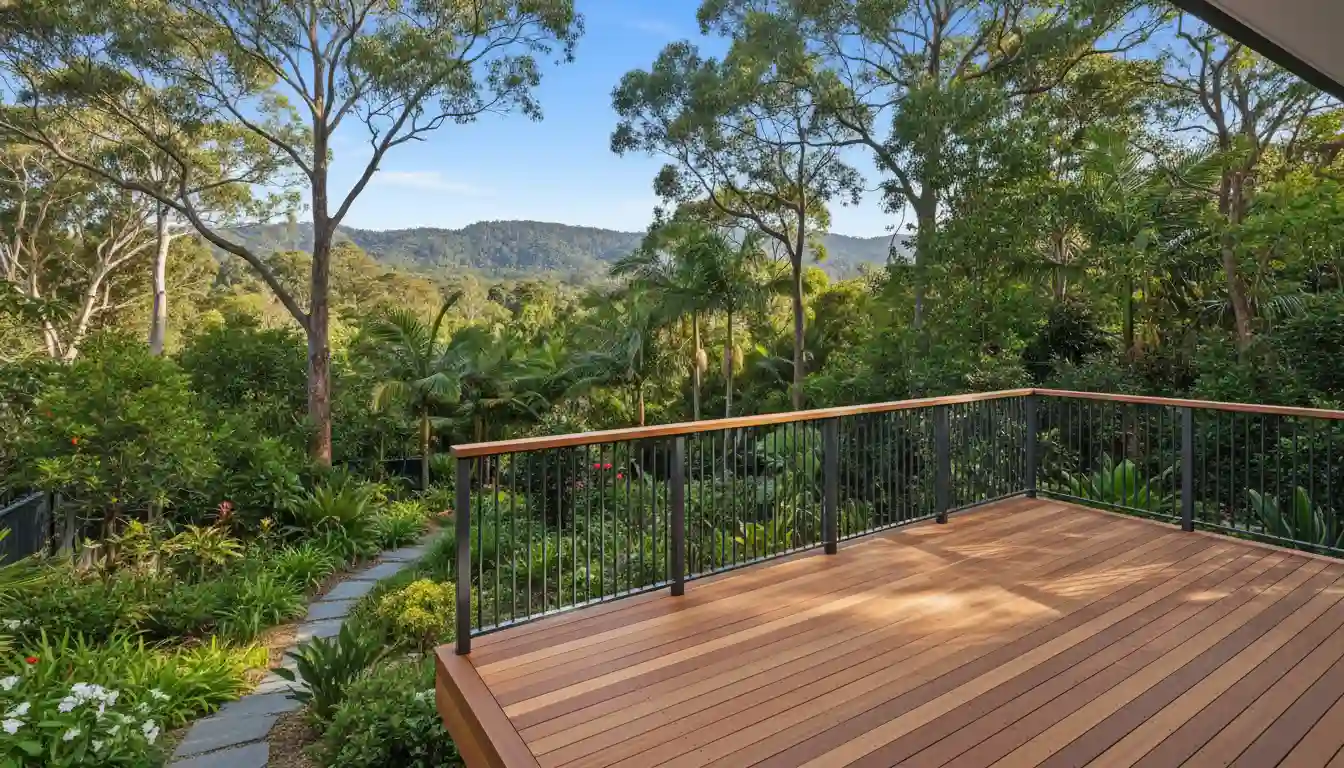
Wood Railings: Classic, Versatile, and Budget-Friendly
Wood is a timeless choice that offers unmatched versatility and warmth. From simple, rustic designs to intricate, custom patterns, wood can be adapted to suit any architectural style, be it a traditional colonial, a cozy cottage, or a rustic farmhouse.
Pressure-treated pine is the most budget-friendly option, while cedar and redwood offer natural resistance to rot and insects at a higher price point. The main consideration for wood is the required maintenance; it will need to be cleaned, and stained or sealed every few years to protect it from the elements and prevent rot.
Composite & Vinyl Railings: The Low-Maintenance Champions
For homeowners who want the look of wood without the constant upkeep, composite and vinyl (PVC) railings are an excellent solution. These materials are engineered to withstand the elements, resisting rot, warping, and insect damage without ever needing to be stained or painted.
A simple cleaning with soap and water is all that’s needed to keep them looking new. Available in a variety of colors and styles, composite systems often feature mix-and-match components, allowing you to pair composite posts and rails with aluminum balusters for a custom look.
Aluminum & Wrought Iron Railings: For Timeless Strength
Both aluminum and wrought iron offer exceptional durability and a classic, elegant appearance. Aluminum is lightweight, resistant to rust, and available in a variety of powder-coated finishes, making it a very low-maintenance option suitable for nearly any climate.
Wrought iron is heavier and more substantial, offering a traditional, stately look. While incredibly strong, it requires more maintenance than aluminum to prevent rust, especially at welded joints. Both materials offer a sense of permanence and security that can significantly enhance a property’s curb appeal.
Hog Wire & Welded Wire Panels: Rustic Charm Meets Modern Design
Originally used in agriculture, hog wire panels have become a trendy and cost-effective railing alternative. These sturdy, welded mesh grids are typically framed with wood or metal, creating a look that is simultaneously rustic and industrial.
Hog wire provides excellent visibility at a fraction of the cost of glass or cable. The open mesh design allows for great airflow and is very durable. It’s an ideal choice for farmhouse, rustic, or modern industrial home styles, offering a unique texture and a robust, practical barrier.
Comparison Table: Choosing Your Perfect Railing
To simplify your decision, this table breaks down the key characteristics of each popular cable railing alternative. Compare them side-by-side to find the best fit for your budget, style, and maintenance preferences.
| Railing Type | Average Cost (Per Linear Foot Installed) | Maintenance Level | View Obstruction | Best For |
|---|---|---|---|---|
| Glass Panels | $100 – $600 | High (Frequent Cleaning) | Minimal | Modern homes with premium views. |
| Vertical Rods | $50 – $200 | Low | Low | A modern, safe alternative to cable. |
| Wood | $20 – $50 | High (Sealing/Staining) | Moderate | Traditional styles and custom designs. |
| Composite/Vinyl | $25 – $60 | Very Low | Moderate | Homeowners seeking durability with minimal upkeep. |
| Aluminum | $50 – $200 | Very Low | Low to Moderate | A durable, rust-free, and versatile option. |
| Hog Wire | $30 – $100 | Low | Low | Rustic, farmhouse, and industrial aesthetics. |
Key Factors to Consider Before You Choose
Selecting the right railing involves more than just aesthetics. Practical considerations like budget, local climate, and safety regulations are crucial for making a long-lasting and successful choice for your home.
Budget and Long-Term Value
Your budget will be a primary driver in your decision. While wood is often the cheapest material upfront, it’s essential to factor in the long-term costs of maintenance. Composite, vinyl, and aluminum may have a higher initial cost but can save you money and time over the years due to their minimal upkeep.
Consider the total cost of ownership, not just the purchase price. A railing that lasts for decades with little to no maintenance can provide better overall value than a cheaper option that needs frequent and costly attention.
Local Building Codes and Safety
Before finalizing any decision, you must consult your local building department. Codes dictate minimum railing height (typically 36 inches for residential decks), maximum spacing between balusters (usually no more than 4 inches), and specific structural requirements.
Ensuring all aspects of your property meet safety standards is paramount, from the railing you choose to other home systems. This due diligence can even extend to things like your water supply; for peace of mind, some homeowners even get a Home Depot water test call to check for contaminants. Verifying these details early prevents costly mistakes and ensures your project is safe and compliant.
Climate and Material Suitability
Your local climate plays a huge role in how different materials will perform over time. In coastal areas, salt spray can be corrosive to certain metals, making powder-coated aluminum or stainless steel a better choice than standard steel. In regions with heavy snowfall, consider how a railing will hold up to the weight and moisture of snow buildup.
You should also think about year-round property maintenance. Just as you’d choose a railing material suited for your climate, you’d want reliable equipment for other seasonal tasks. For example, a powerful machine like the one in this Toro CCR 1000 3 hp snowblower review becomes essential for managing heavy snow on and around your deck.
The Unspoken Advantage: Material Sourcing and Sustainability
An often-overlooked aspect of choosing a railing is the environmental impact of the materials. As homeowners become more eco-conscious, the sourcing and lifecycle of products are gaining importance. This provides an opportunity to add unique value and character to your project.
Consider alternatives like reclaimed wood, which offers a rich history and prevents new trees from being harvested. Recycled aluminum is another excellent choice, as it requires significantly less energy to produce than virgin aluminum. By thinking about sustainability, you can make a choice that is not only beautiful and durable but also responsible.
Making the Final Decision for Your Home
Moving beyond the trend of cable railings opens up a world of creative possibilities that can better serve your home’s style, budget, and functional needs. Each alternative—from the unparalleled clarity of glass panels to the rustic charm of hog wire—offers a unique combination of benefits.
By carefully weighing factors like long-term maintenance, local climate, and safety codes, you can select a railing that is not just a safety feature but a beautiful and lasting enhancement to your home and garden. The perfect railing is out there, and it might not be the one you initially expected.