
Cabinet Shops Closing? Why Your Dream Kitchen Is at Risk
You have the vision: a stunning kitchen with custom-built cabinets, perfectly tailored to your space and style. You find a local craftsman, a true artisan whose portfolio is filled with beautiful work. But weeks turn into months, communication falters, and suddenly, the workshop is empty and the phone number is disconnected. Your deposit is gone, and your dream kitchen project has become a nightmare.
This scenario is becoming alarmingly common. Across the country, small, independent cabinet shops are closing their doors, leaving homeowners in a difficult position. Understanding why these skilled businesses are failing is the first step in protecting yourself and ensuring your renovation project is a success.
You'll Learn About
The Vanishing Craftsman: Why Are Local Cabinet Shops Disappearing?
The closure of local cabinet shops isn’t due to a single cause but rather a perfect storm of economic, competitive, and operational pressures. For homeowners, this trend means fewer choices for true custom work and a higher risk of losing money on a project.
Economic Storms and Shifting Tides
The cabinet industry is highly sensitive to the health of the housing market and the broader economy. Fluctuating raw material costs, especially for quality lumber and plywood, can destroy the profit margins of a small shop. Unlike large manufacturers who can buy in bulk, local shops often pay premium prices, a cost they must pass on to customers who are already facing budget constraints.
These financial pressures are compounded by a persistent shortage of skilled labor. Many experienced cabinet makers are nearing retirement, and there are not enough new artisans entering the trade to replace them. This gap makes it difficult for shops to take on new work and maintain quality, leading to a cycle of delays and unhappy clients.
The Big Box Squeeze: Competing on Price vs. Quality
Large home improvement stores and online retailers offer ready-to-assemble (RTA) and stock cabinets at prices that small, custom shops simply cannot match. While these mass-produced options often sacrifice quality and customization, their affordability is a powerful draw for budget-conscious homeowners. This creates immense pressure on local artisans to lower their prices, often to unsustainable levels.
The challenge for custom shops is to effectively communicate the value of their craftsmanship—superior materials, durable construction, and a perfect fit—to clients who may only see the initial price difference. When a business fails to articulate this value, it enters a losing battle based on price alone.
The Artisan’s Dilemma: When Passion Isn’t Enough
Many cabinet makers are passionate woodworkers but reluctant business owners. They excel at their craft but often lack the skills needed to manage finances, market their services, and handle client relations effectively. This “Artisan’s Dilemma” is a significant, yet often overlooked, reason for business failure.
Poor financial management is a critical mistake. Underestimating capital needs, failing to track costs accurately, and mismanaging cash flow can quickly lead a profitable-on-paper shop to insolvency. Without a solid business foundation, even the most talented craftsman can struggle to stay afloat.
Red Flags: How to Spot a Cabinet Shop on the Brink of Collapse
Before you hand over a deposit, it is crucial to recognize the warning signs of a business in distress. Being vigilant can save you from significant financial loss and project delays. These red flags can indicate that a shop is struggling to manage its finances and commitments.
Communication Breakdowns and Missed Deadlines
One of the earliest warning signs is a sharp decline in communication. A craftsman who was once responsive suddenly becomes difficult to reach, avoiding calls and ignoring emails. This is often paired with vague excuses for missed deadlines and a lack of clear updates on your project’s progress.
While occasional delays can happen in any custom project, persistent and unexplained postponements are a major concern. It may suggest the shop lacks the funds to order materials or pay its staff, bringing your project to a standstill.
The Unstable Down Payment: Financial Warning Signs
A cabinet maker’s approach to payments can reveal a lot about their financial stability. An unusually high down payment request, such as 75% or even 90% upfront, is a significant red flag. This often means the business needs your money to cover debts from a previous project rather than to purchase materials for yours.
Another warning sign is a sudden request for additional funds before a scheduled payment milestone is reached. This is a classic indicator of a cash flow crisis. Be equally wary of “cut-throat” bidding, where a quote is so low it seems too good to be true; it often is, as the business may be desperate to secure any cash inflow, even at a loss.
A Workshop in Disarray
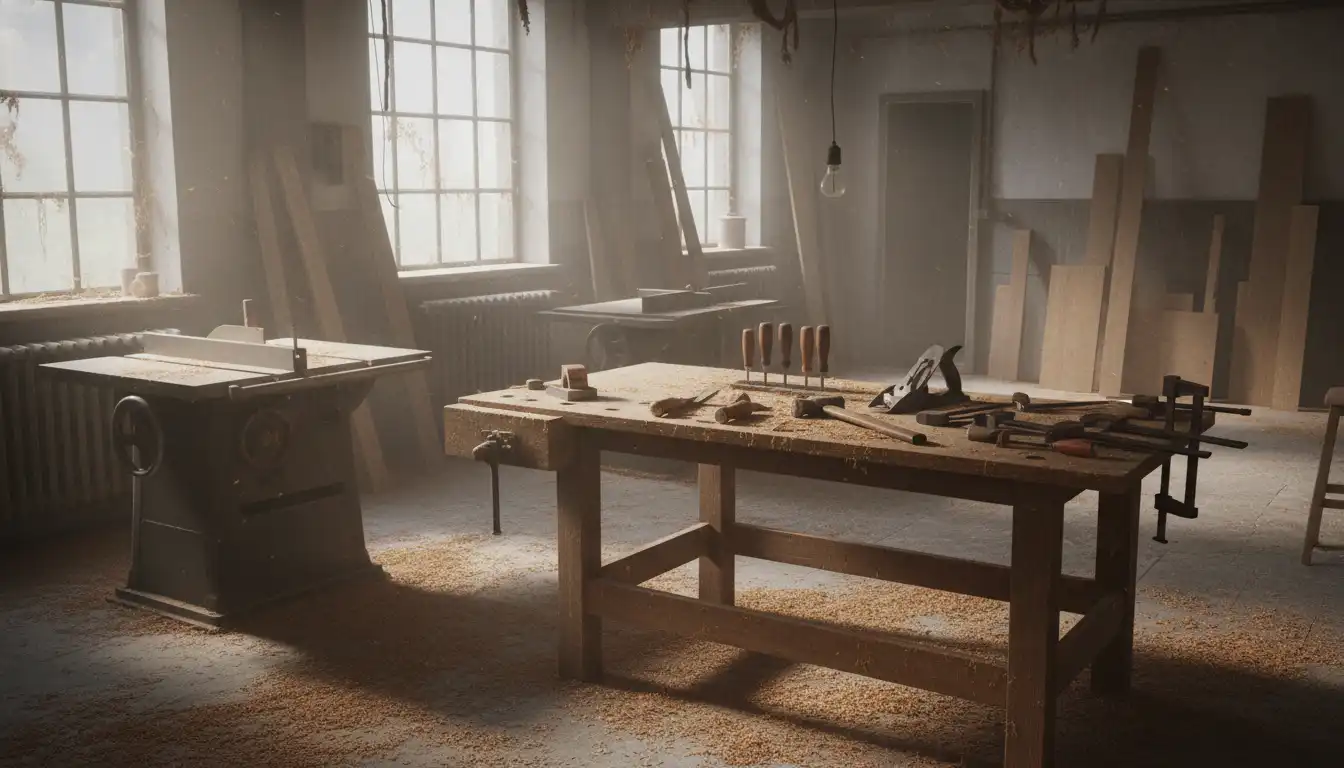
If possible, visit the workshop before signing a contract. A well-run shop is organized and active. Signs of trouble include a significant reduction in on-site workers, a lack of raw materials, or key machinery that appears to be unused or disappearing.
High staff turnover is another indicator of instability. If you notice that key personnel, like the lead designer or shop foreman, have recently departed, it could signal internal problems, including the inability to make payroll.
Your Blueprint for Success: Finding a Reliable Cabinet Craftsman
Despite the risks, hiring a local custom cabinet maker can be a rewarding experience that results in a truly unique and high-quality kitchen. The key is to do your due diligence and protect yourself at every stage of the process. A systematic approach to vetting and contracting can ensure your project is built on a solid foundation.
Finding a skilled artisan requires more than just looking at a portfolio. You need to investigate their business practices, financial stability, and reputation within the industry. This proactive approach minimizes your risk and sets the stage for a successful partnership.
| Vetting Method | Key Questions & Actions | Why It Matters |
|---|---|---|
| Check Supplier References | Ask the cabinet maker for the names of their primary lumber and hardware suppliers. Call the suppliers and ask if the shop pays its bills on time. | Suppliers are the first to know when a business is in financial trouble. A history of late payments is a major red flag. |
| Review Recent Projects | Ask for references from the last 2-3 completed projects, not their all-time favorites. Ask the homeowners about communication, timeliness, and budget adherence. | This provides a current snapshot of the shop’s performance and client satisfaction, not just their best work from years ago. |
| Verify Insurance & Licensing | Request a copy of their current liability insurance and any required state or local contractor licenses. Verify that the coverage is active. | This protects you from liability for accidents on your property and confirms they are a legitimate, professional operation. |
| Conduct a Legal Check | Perform a public records search for any liens, legal judgments, or bankruptcy filings against the business or its owner. | A history of legal or financial trouble is a strong indicator of potential problems for your project. |
The Power of a Rock-Solid Contract
Never proceed with a simple handshake or a vague quote. A detailed contract is your single most important tool for protection. It should clearly outline the full scope of work, including detailed drawings, material specifications, hardware choices, and finish colors.
The contract must also include a firm timeline with specific milestones and a clear payment schedule tied to the completion of those milestones. Finally, it should specify the process for handling changes and resolving any potential disputes that may arise.
Vetting Beyond the Portfolio: Speaking to Suppliers
A portfolio shows craftsmanship, but it doesn’t reveal business stability. One of the most effective but least utilized vetting strategies is to speak with the cabinet shop’s suppliers. Ask the maker for a list of their primary hardware and lumber providers.
Contact these suppliers and inquire about the shop’s payment history. A business that consistently pays its suppliers on time is likely to be financially stable. Hesitation or refusal to provide this information can be a red flag in itself.
Staggered Payments: Your Financial Safety Net
Avoid contracts that demand large upfront payments. A reasonable payment schedule protects both you and the cabinet maker. A typical structure might be 10-15% at signing, 30-40% when materials are delivered to the shop, 30-40% upon delivery of cabinets to your home, and the final 10-15% only after the installation is fully complete and you have signed off on a final punch list.
Never make a final payment until every last detail is completed to your satisfaction. This retained amount is your primary leverage to ensure the project is finished correctly.
Navigating the New Landscape: Smart Alternatives to Traditional Shops
The changing cabinet market doesn’t mean you have to abandon your dream of a custom kitchen. It simply means exploring a wider range of modern solutions and high-quality manufacturers. Many new options offer a balance of customization, quality, and reliability.
The Rise of High-Tech Solutions and Modular Systems
Technology has revolutionized the cabinet industry, offering homeowners powerful new options. Companies specializing in modular systems provide a bridge between custom and stock cabinetry. For those interested in this approach, reading Cabinotch reviews can offer insight into solutions that leverage technology for custom-fit cabinet boxes.
These systems allow for a high degree of personalization in sizing and configuration, manufactured with precision in a controlled factory setting. This often results in faster lead times and greater consistency compared to a small, traditional shop.
Considering Alternative Materials and Suppliers
The vision of a custom project can also be achieved by looking beyond traditional solid wood. High-quality, furniture-grade materials can offer excellent durability and a flawless finish. Sourcing MDF cut to size, for example, is a strategy many modern woodworkers use for perfectly stable and paintable cabinet doors and panels.
Exploring these materials can sometimes provide a better result for certain applications, such as painted finishes, while also managing costs effectively. It expands the possibilities for achieving a custom look without being solely dependent on a single local craftsman.
Exploring Reputable Pre-Assembled Brands
The market also includes many reputable cabinet manufacturers that offer semi-custom and factory-direct lines. These companies provide a wide range of styles, finishes, and organizational features. They combine the quality control of a factory with a significant degree of personalization.
When considering this route, thorough research into brand reputation is key. For instance, exploring detailed information and critiques, such as an in-depth look at B. Jorgsen & Co cabinets, can help you understand the quality and service you can expect before making a purchase.
The Silver Lining: Opportunities in a Shifting Market
While the decline of some traditional shops presents challenges, it also creates unique opportunities for savvy homeowners. A shifting industry landscape means new models of business emerge, and assets from closed businesses become available.
Acquiring High-Quality Equipment from Liquidations
For the dedicated DIY enthusiast, the closure of a cabinet shop can be an opportunity to acquire professional-grade woodworking equipment at a fraction of its original cost. Auctions and liquidation sales can be a source for high-quality table saws, sanders, and other machinery that can elevate a home workshop.
This allows ambitious homeowners to take more of the customization process into their own hands, secure in the knowledge that they are working with tools built for precision and durability.
The Future of Cabinetry: A Hybrid Approach
The future of custom cabinetry likely lies in a hybrid model that combines the best of technology and craftsmanship. Homeowners can now work with online design services to create a custom layout, have cabinet boxes precision-manufactured and shipped, and then hire a local finish carpenter for the final installation and custom touches like trim and molding.
This approach diversifies the risk and leverages the strengths of both manufacturing and local craftsmanship. It empowers homeowners to take control of their projects, ensuring a high-quality result that is both personalized and reliable.
