
Cabinet Authority vs Joint: Unmasking the Secret to Cabinets That Last a Lifetime
You’re ready to invest in new cabinets, but the terminology is confusing. You’ve heard phrases like “cabinet authority” and “cabinet joint,” but what do they really mean for your home? This confusion is a common problem for homeowners trying to make a wise investment.
The truth is, one of these terms holds the key to incredible durability, while the other is often a source of misunderstanding. Focusing on the wrong details can lead to choosing cabinets that sag, wobble, or fall apart years before their time. The secret to longevity isn’t in a brand name, but in the time-tested craftsmanship of how it’s built.
This guide will demystify the jargon and empower you. We’ll explore why understanding the construction—specifically, the joints—is the true measure of quality. You’ll learn how to spot superior craftsmanship and make a choice that brings lasting value and beauty to your home.
You'll Learn About
Decoding Cabinet Terminology: What is a Cabinet Joint?
Before diving into the finer points of cabinetry, it’s crucial to understand the absolute foundation of its construction: the joint. A cabinet joint is the point where two separate pieces of wood are connected to form the structure of the cabinet box, face frame, or drawer.
Think of it as the skeleton of your cabinetry. The method and quality of these connections determine the cabinet’s strength, stability, and ability to withstand decades of daily use. A well-made joint distributes stress evenly and resists the constant pulling and pushing forces that cabinets endure.
Without strong joints, a cabinet is just a collection of wood pieces destined to weaken, shift, and fail. This is why seasoned woodworkers and high-quality manufacturers place immense emphasis on joinery. It is the single most important factor in the structural integrity of your cabinets.
The “Cabinet Authority” Myth: Why Joints Matter More Than Jargon
The term “cabinet authority” can be misleading. It is not a technical term for a type of construction. Instead, it often refers to a brand name, a retailer, or a general sense of quality. Some homeowners might believe that choosing a so-called “cabinet authority” guarantees a superior product.
However, true authority in the world of cabinetry comes from demonstrable quality, not marketing. The real measure of a cabinet’s worth lies in its construction, with the joinery being paramount. A brand’s reputation is meaningless if the products are assembled with weak, inadequate joints.
Instead of searching for a vague “authority,” the savvy homeowner becomes their own authority by learning what to look for. By understanding the different types of cabinet joints, you can assess the quality of any cabinet, regardless of the brand name attached to it. This knowledge empowers you to see past the sales pitch and identify true craftsmanship.
A Visual Guide to Common Cabinet Joints
The method used to join wood reveals everything about a cabinet’s intended quality and price point. Some joints are hallmarks of high-end, bespoke furniture, while others are used for mass-produced, budget-friendly options. Understanding these differences is key to making an informed decision.
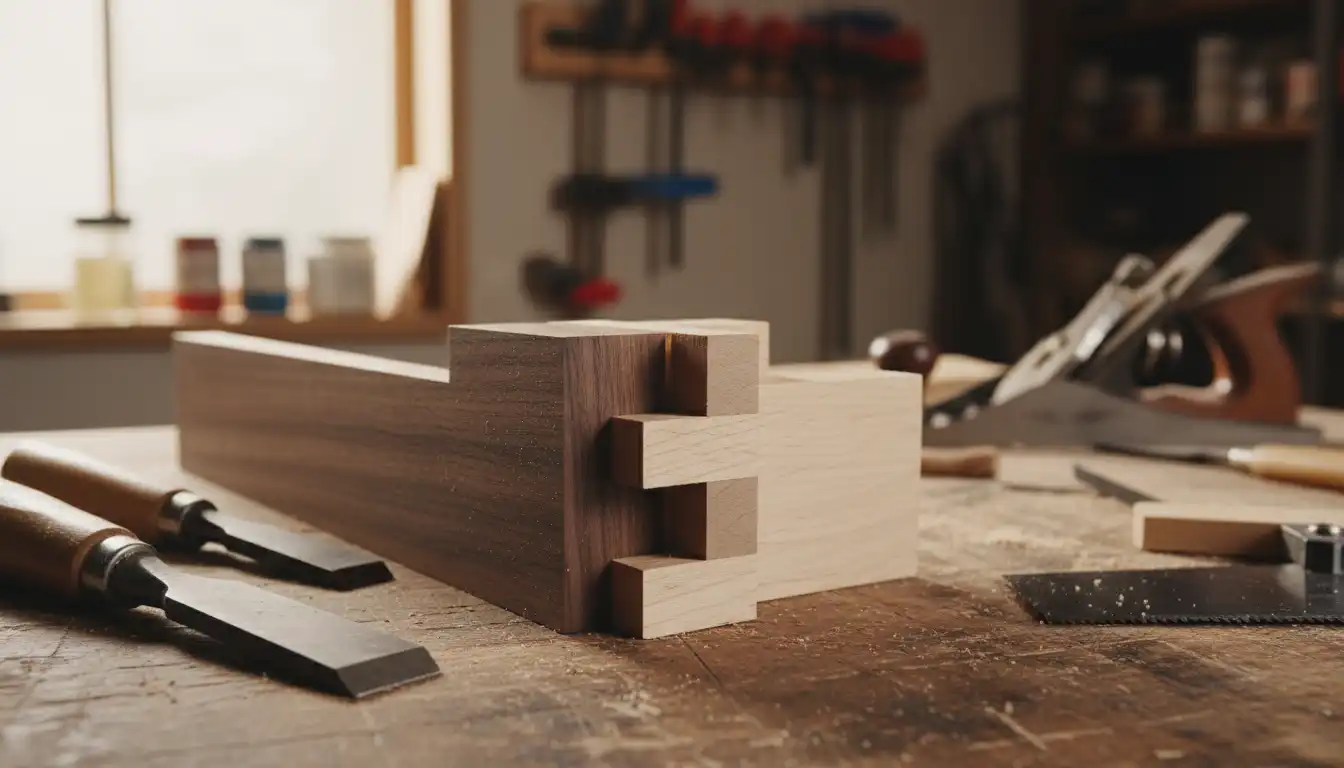
The Dovetail Joint: The Gold Standard
Instantly recognizable by its interlocking pins and tails, the dovetail joint is a true mark of superior craftsmanship. The shape of the joint creates an incredibly strong mechanical lock that is nearly impossible to pull apart. This makes it the absolute best choice for drawer boxes, which are subjected to constant pulling forces.
The primary advantage of the dovetail is its immense tensile strength. It’s also aesthetically beautiful, often left exposed to showcase the quality of the piece. The only real downside is the cost and skill required to produce them, which is why they are typically found on high-end, premium cabinetry.
The Mortise and Tenon Joint: A Timeless Classic
One of the oldest and most trusted joints in woodworking, the mortise and tenon joint provides exceptional strength. It is created by fitting a precisely cut tongue (the tenon) into a corresponding hole (the mortise). This joint is exceptionally strong and is a preferred method for constructing cabinet doors and face frames.
Its strength lies in its large glue surface area and its ability to resist racking forces from every direction. Like the dovetail, it requires skill and precision to create, making it a feature of high-quality, durable furniture. This method ensures that cabinet doors hang straight and frames remain square for years to come.
The Dado Joint: Simple and Strong
A dado joint is a simple yet highly effective method used to build the main cabinet box, or carcass. It involves cutting a square-channeled groove in one piece of wood into which another piece fits snugly. This joint is most commonly used to secure cabinet shelves and partitions into the side panels.
The primary benefit of a dado is its ability to support weight and prevent shelves from sagging. It provides a solid, stable housing for shelves and cabinet backs, adding significant rigidity to the entire structure. While not as complex as a dovetail, a well-cut dado is a clear indicator of thoughtful construction.
The Rabbet Joint: A Basic but Effective Connection
Similar to a dado, a rabbet joint is an L-shaped groove cut along the edge of a piece of wood. It’s a common and practical joint used to recess cabinet back panels into the sides of the cabinet box. This creates a stronger connection than a simple butt joint and helps to keep the cabinet square.
While not as strong as more complex joints, the rabbet is perfectly suitable for its intended purpose. It provides a good glue surface and helps align the pieces during assembly. It’s a functional, no-frills joint you’ll find in well-made, mid-range cabinetry.
Butt Joints & Pocket Screws: The Budget-Friendly Option
The most basic joint is the butt joint, where two pieces of wood are simply butted up against each other and held with glue, nails, or screws. This method offers very little mechanical strength. To reinforce it, builders often use pocket screws, which are screws driven at an angle through one board and into the other.
This method is fast, easy, and requires minimal specialized equipment, making it very popular in mass-produced and ready-to-assemble (RTA) cabinets. While perfectly adequate for some applications, these joints lack the long-term durability of traditional joinery and are considered a sign of lower-quality construction, especially in high-stress areas like drawers or frames.
Head-to-Head Comparison: Which Cabinet Joint is Right for You?
Choosing cabinets isn’t just about color and style; it’s about investing in a structure that suits your needs and budget. The type of joinery used directly impacts the cabinet’s performance and cost. This table breaks down the key differences to help you identify what’s best for your home.
| Joint Type | Strength & Durability | Typical Cost | Best Use Case | Appearance |
|---|---|---|---|---|
| Dovetail | Exceptional | High | Drawer Boxes, High-End Case Construction | Aesthetically Pleasing, often a design feature |
| Mortise and Tenon | Very High | High | Cabinet Doors, Face Frames, Structural Frames | Clean lines, craftsmanship is evident |
| Dado | High | Moderate | Cabinet Shelves, Partitions, Box Construction | Hidden, but provides a very clean interior |
| Rabbet | Good | Moderate | Attaching Cabinet Backs, Drawer Bottoms | Hidden, creates a flush and solid back |
| Pocket Screw / Butt Joint | Fair | Low | Budget Cabinetry, Face Frame Assembly | Can be hidden, but structurally weaker |
Beyond the Joint: Other Hallmarks of Quality Cabinetry
While joinery is the heart of a cabinet’s structure, other elements also contribute significantly to its overall quality and longevity. A truly well-made cabinet is a sum of its parts. Paying attention to these additional details will ensure you’re getting the best possible value.
The Importance of Materials
The material used for the cabinet box is a critical factor. Plywood is generally superior to particle board (or furniture board) because it holds screws more securely and is far more resistant to moisture damage—a key consideration in kitchens and bathrooms. When considering material thickness, it’s worth exploring how different measurements compare, as even slight variations can impact strength; for instance, understanding if 19/32 vs 5/8 plywood are the same can inform your choice for shelving and cabinet boxes. High-quality cabinets will typically feature solid wood or plywood construction.
Drawer Construction
Beyond the dovetail joints, look at the drawer hardware. Soft-close, full-extension drawer glides are a sign of quality. They allow for smooth operation and easy access to the entire drawer. The thickness of the drawer bottom is also important; a flimsy bottom will sag over time under the weight of your items.
Finishing Touches
A high-quality finish does more than just provide color; it protects the wood from moisture and wear. Run your hand over the surface. It should feel smooth and consistent, without any rough patches or blemishes. A multi-step finishing process indicates a higher level of craftsmanship and will result in a more durable and beautiful appearance.
How to Inspect Cabinet Joints Like a Pro
When you’re shopping for cabinets, you are the final inspector. You don’t need to be a woodworking expert to spot the signs of good or poor construction. Knowing what to look for can empower you to make a confident choice and avoid common pitfalls.
Start by opening a cabinet door and looking at the corners of the face frame. Do you see the clean, strong lines of a mortise and tenon joint, or can you spot the angled entry points of pocket screws? Pull out a drawer and examine its corners. The interlocking pattern of a dovetail joint is a clear sign of premium quality, while simple butt joints held by staples or nails are a red flag.
Don’t be afraid to ask the salesperson directly: “How are the drawers constructed?” or “What kind of joinery is used for the cabinet doors?” A knowledgeable salesperson should be able to answer these questions with confidence. Remember to check for overall fit and finish; there should be no visible gaps or excess glue squeeze-out at the joints. Being a vigilant homeowner in all aspects, from inspecting cabinets to remembering if you forgot to turn off the garden hose, protects your investment. Even small details, like noticing an unusual hot glue gun smell in the house after a repair, can be part of maintaining a safe and sound home.
Your Path to Becoming a Cabinet Connoisseur
The distinction between “cabinet authority” and “cabinet joint” is now clear. True authority doesn’t come from a brand name, but from the quality embedded within the product itself. The cabinet joint is the most critical indicator of that quality, defining the strength and lifespan of your investment.
By focusing on the joinery—seeking out dovetails in drawers and mortise and tenon joints in doors—you elevate yourself from a casual buyer to an informed consumer. You are now equipped to look past the surface and assess the structural integrity of any cabinet you encounter.
Ultimately, making a smart choice for your home means investing in craftsmanship that lasts. Armed with this knowledge, you can confidently select cabinets that will not only look beautiful but will also stand strong, serving your home reliably for decades to come.
