
Duplicate Hot Tub Circuit Board Fried? A Bypass Is a Dangerous Gamble
Your hot tub should be a sanctuary of relaxation, not a source of frustration. When the jets won’t turn on and the water stays cold, the silence can be deafening. Often, the culprit is the hot tub’s main circuit board.
Faced with a potentially expensive repair, you might search for a quick fix and stumble upon the idea of a “bypass.” This guide will explain why bypassing your hot tub circuit board is an incredibly risky idea and outline the safe, effective alternatives to get you back to soaking safely.
You'll Learn About
What is a Hot Tub Circuit Board and Why Does It Fail?
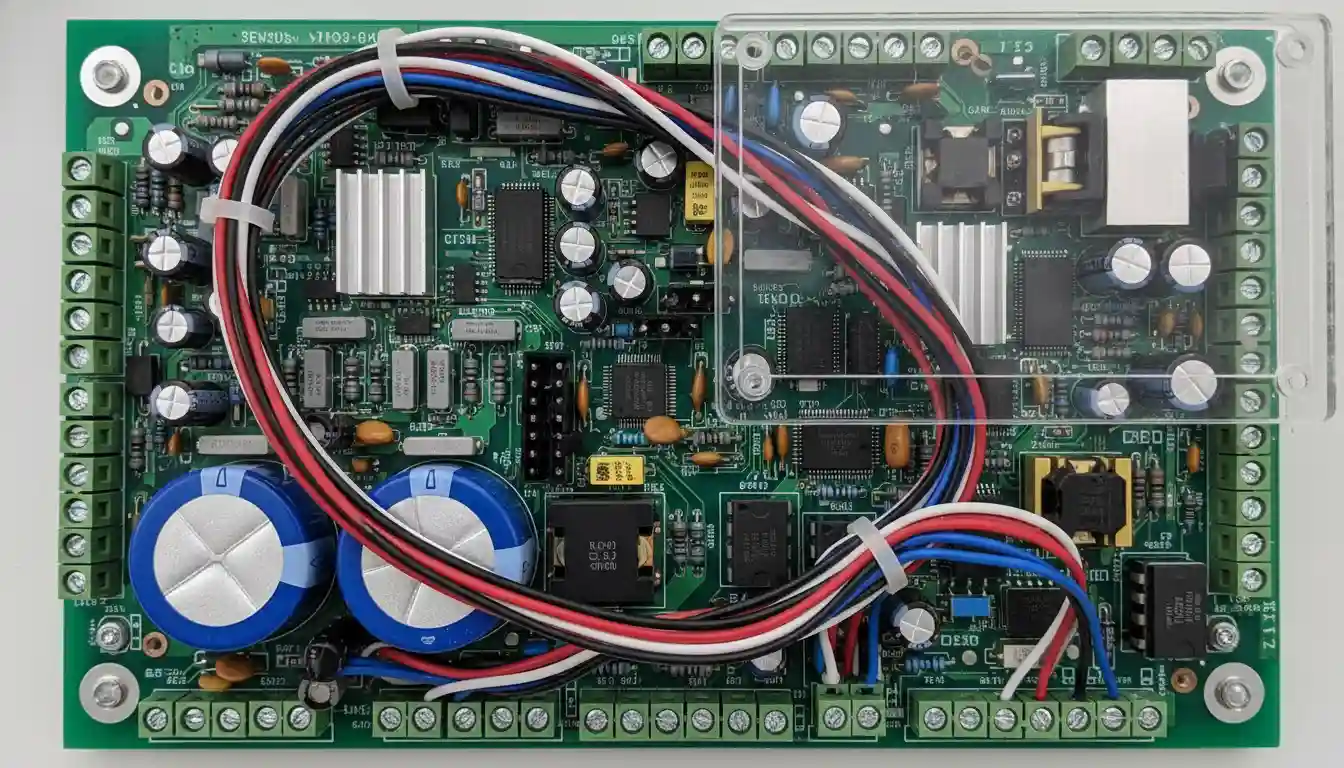
Think of the circuit board as the brain of your hot tub. This complex electronic component controls every function, from the heater and pumps to the lights and filtration cycles. It’s the central command that ensures everything works in harmony and, most importantly, safely.
Unfortunately, like any electronic device, these boards can fail. Failures often stem from a few common causes, including power surges from electrical storms, moisture intrusion causing corrosion, or simply the natural aging of electronic components. Sometimes, even insects or small rodents can find their way into the control box and cause a critical short circuit.
The Alluring (and Deceptive) Idea of a Bypass
When you discover a replacement circuit board can cost hundreds or even thousands of dollars, the idea of a bypass becomes tempting. The primary motivation is almost always to save money or to get the hot tub working immediately without waiting for parts or a technician.
Some may consider a bypass as a diagnostic tool to determine if a specific component, like a pump, is faulty. While isolating components is part of troubleshooting, a true bypass of the board’s core functions is not the way to do it. Online forums may be filled with anecdotal stories, but they often leave out the immense dangers involved.
Stop! The Unseen Dangers of Bypassing a Circuit Board
Attempting to bypass a hot tub circuit board is not a clever workaround; it is the deliberate disabling of critical safety systems. The risks associated with this are severe and cannot be overstated. This is one area of DIY where taking a shortcut can have catastrophic consequences.
The board is engineered with multiple safety layers that you would be eliminating. This includes everything from simple fuses to complex logic that monitors temperature and electrical current. Removing this brainpower creates a dangerous, uncontrolled environment.
The Extreme Risk of Fire and Electrocution
The number one reason to never bypass your board is the extreme risk of fire. The circuit board’s relays and fuses are designed to handle specific electrical loads. By creating a direct connection, you can easily overload the wiring, causing it to overheat and ignite the spa’s plastic components and insulation.
Furthermore, hot tubs are a unique environment where high-voltage electricity and water are intentionally brought together. The circuit board works in conjunction with your GFCI (Ground Fault Circuit Interrupter) to prevent lethal electrocution. Bypassing these systems creates a direct path for electricity to enter the water, posing a deadly threat to anyone in or near the tub.
Guaranteed Damage to Other Components
A circuit board ensures that components like pumps, blowers, and heaters receive the correct voltage. Sending unregulated power by bypassing the board can instantly destroy these expensive parts. A pump designed for 120V that receives 240V will burn out in seconds.
This turns a single point of failure—the circuit board—into a cascade of destruction. What started as a $500 problem can quickly escalate into a $2,000+ repair bill as you replace every major component you just fried. This is a gamble that almost never pays off.
Loss of Overheating Protection
One of the most vital jobs of the circuit board is temperature regulation. It constantly reads data from temperature and high-limit sensors to keep the water at your desired temperature and, crucially, to shut the heater off if it gets too hot. A bypass eliminates this critical safety feature.
Without this control, the heater can run indefinitely, a condition known as “runaway heating.” This can raise the water temperature to dangerous, scalding levels. It can also cause the spa’s acrylic shell to melt, warp, or blister, causing irreparable damage to the entire hot tub structure. When your spa’s heater fails, it can feel as frustrating as when your home’s system gives out and the heat isn’t working on the first floor, but the solutions require equal attention to safety.
Safe and Smart Alternatives to a Risky Bypass
Instead of attempting a dangerous bypass, focus on proper diagnosis. You can safely identify the problem and make an informed decision about the repair. This methodical approach protects you, your property, and your hot tub investment.
Most issues can be traced with some basic tools and a bit of patience. Rushing into a “fix” without understanding the root cause is how accidents happen. Let’s walk through the correct diagnostic steps.
Step 1: Perform Basic Visual Checks
Before you suspect the entire board is dead, start with the simple things. First, check your home’s main breaker panel and the GFCI breaker for the hot tub. A simple reset is often all that’s needed. If the breaker trips again immediately, you have a short circuit that needs investigation.
Next, with the power completely turned off at the breaker, open the spa’s control panel. Look for any obvious signs of trouble on the circuit board. Check for burn marks, melted plastic connectors, signs of water drips or corrosion, or even dead insects across the circuits, which can cause a short. Often, the problem is a simple, replaceable fuse on the board itself.
Step 2: Use a Multimeter for Safe Testing
A multimeter is your best friend for electrical diagnostics. You can use it to safely test for voltage and continuity without bypassing anything. Check for proper voltage coming into the terminal block on the board to ensure the spa is receiving power.
You can then test the voltage output from the board to a specific component. For example, when you activate the jets from the topside controller, you can test the terminals that power the pump. If you see the correct voltage, but the pump doesn’t turn on, the problem is the pump, not the board. If you don’t see any voltage, the issue is likely the board’s relay or a related circuit.
Step 3: The “Workbench Test”—The Only Safe Bypass
The only scenario where a “bypass” is acceptable is for off-grid component testing. This is not for running the tub but for confirming if a part works. To do this, you must completely disconnect power to the hot tub at the breaker.
You would then physically remove a component, like a pump, and test it on a workbench using a separate, appropriate power cord with its own GFCI protection. This completely isolates the component from the spa’s control system. If the pump runs on the workbench, you know with 100% certainty that the pump is good and the issue lies within the spa’s circuit board or wiring.
Step 4: Professional Repair or Full Replacement
If you’ve confirmed the board is the culprit, you have two main options: repair or replace. Some electronics repair shops specialize in circuit board repair and may be able to fix your specific issue for less than the cost of a new board.
However, the most common and reliable solution is a full replacement. Carefully note the model number on your existing board and any codes on the software chip. Ordering the exact same board is crucial for ensuring compatibility with your topside controller and other components. Deciding whether to repair or replace is a common dilemma, much like weighing whether to fix an old but reliable appliance or invest in a new one.
Table: Comparing Hot Tub Circuit Board Solutions
To help you decide, here is a breakdown of the different approaches you can take when faced with a faulty circuit board.
| Method | Average Cost | Risk Level | Required Skill |
|---|---|---|---|
| DIY Troubleshooting & Fuse Replacement | $5 – $20 | Low (with power off) | Basic |
| Board Bypass (Not Recommended) | Potentially thousands in damages | Extreme | Expert (and reckless) |
| Professional Board Repair Service | $150 – $400 | Low | Intermediate (to remove/reinstall) |
| Full Board Replacement (DIY) | $300 – $900+ | Medium | Intermediate |
| Hiring a Spa Technician for Replacement | $500 – $1,200+ | Very Low | None |
Protecting Your New Circuit Board for the Future
Once you’ve repaired or replaced your board, you’ll want to protect your investment. A few proactive steps can significantly extend the life of the new board and prevent a repeat of the problem.
First, ensure the equipment area of your spa remains dry. Regularly check for small drips or leaks from plumbing connections, as even minor moisture can lead to corrosion over time. Second, consider installing a high-quality surge protector specifically for your hot tub to guard against electrical spikes.
Finally, maintaining proper water chemistry does more than just keep the water clean. Unbalanced water can create a corrosive environment that can damage heater elements and other metal components, which in turn can lead to electrical issues. Poor water quality is also a primary reason why your hot water might smell like dirt, indicating underlying bacterial or chemical issues that need addressing.
Conclusion: A Brain Transplant, Not a Risky Bypass
While the idea of a quick and cheap bypass for your hot tub circuit board may seem appealing, it is a dangerous gamble that is simply not worth the risk. The board is the central nervous system and safety monitor of your spa. Disabling it exposes you to severe risks of fire, electrocution, and catastrophic equipment damage.
The smarter path is always through safe and methodical diagnosis. By inspecting the system, using a multimeter to test components, and understanding the root cause, you can make an informed decision. The correct solution is a proper repair or replacement—a brain transplant that restores your hot tub to its safe, functional, and relaxing state.
