
Butterfly Drying Secrets: From Curled Wings to a Perfect Display
The ephemeral beauty of a butterfly is a captivating sight in any garden. Capturing that delicate perfection, however, presents a significant challenge. Many enthusiasts find their attempts to preserve these stunning creatures result in curled wings, faded colors, and brittle, disappointing specimens.
This common problem stems from a misunderstanding of the preservation process. Without the proper techniques, moisture, decay, and physical damage can quickly ruin a butterfly’s intricate structure. This guide provides an authoritative, step-by-step approach to master the art of butterfly drying, ensuring your specimens remain as vibrant and graceful as they were in nature.
You'll Learn About
Why Proper Drying is Crucial for Butterfly Preservation
A butterfly’s structure is composed of chitin, a natural polymer that is susceptible to decay when moisture is present. The primary goal of drying is to remove this moisture completely, halting the processes of decomposition and preventing the growth of mold. Failure to do so is the number one cause of ruined specimens.
Improper drying not only leads to decay but also causes the wings to become misshapen and fragile. Rushing the process or using incorrect methods often results in curled wings, which are nearly impossible to correct once the specimen has hardened. A properly dried butterfly, on the other hand, will be stable, rigid, and retain its shape and color for decades if stored correctly.
The Essential Toolkit: Gathering Your Butterfly Preservation Supplies
Achieving a professional result requires the right tools. Makeshift equipment can lead to damaged specimens and frustration. Investing in the proper supplies from the start is the most effective path to success. These tools are designed to handle the delicate nature of butterflies without causing harm.
Many of these items are available from entomological supply companies, though some can be sourced from craft or hardware stores. Assembling your toolkit before you begin ensures a smooth and efficient workflow from rehydration to final display.
| Tool | Purpose | Notes for Home & Garden Blog Readers |
|---|---|---|
| Spreading Board | Holds the wings flat and in the desired position during drying. | Can be purchased or made from soft pine or high-density styrofoam. An adjustable board is versatile for different butterfly sizes. |
| Entomological Pins | Used to anchor the butterfly’s body and hold paper strips in place. | Use stainless steel pins (size #2 or #3 is common) to prevent rust. Standard sewing pins are too thick and can cause damage. |
| Fine-Tipped Forceps | For handling the butterfly’s delicate legs, antennae, and wings. | Spade-tip or featherweight forceps are ideal as they minimize the risk of tearing wings or rubbing off scales. |
| Parchment or Wax Paper | Cut into strips to gently hold the wings down on the board. | This prevents the pins from directly touching and damaging the wings, while also keeping the wings flat as they dry. |
| Rehydration Chamber | Restores flexibility to dried, brittle specimens. | A simple airtight plastic container with a damp paper towel and a few drops of antiseptic will work perfectly. |
| Shadow Box / Display Case | Provides a safe, sealed environment for the finished specimen. | Look for a case with a foam backing for easy pinning and a tight seal to keep out pests and dust. |
The First Step Nobody Talks About: Proper Rehydration
Many beginners attempt to position the wings of a butterfly only to have them snap. This is because a deceased butterfly quickly becomes dry and extremely brittle. Attempting to spread the wings of a dry specimen will inevitably lead to breakage. The solution is a process called rehydration, or “relaxing.”
A rehydration chamber creates a humid environment that slowly makes the butterfly’s joints pliable again. To create one, place a damp paper towel at the bottom of an airtight container. Add a few drops of rubbing alcohol or household antiseptic to the towel to prevent mold growth. Place your butterfly on a small piece of mesh or a platform above the paper towel—it should not sit directly in the moisture. Seal the container and leave it for 24 to 48 hours, depending on the butterfly’s size. You will know it is ready when the wings and antennae can be moved gently with forceps without any resistance.
The Art of Spreading: A Step-by-Step Guide to Perfect Wings
Once your butterfly is fully relaxed, you can begin the most critical phase: spreading the wings. This process determines the final look of your preserved specimen. Work slowly and deliberately, as the butterfly is still very delicate. A well-lit workspace and a steady hand are essential for this detailed task.
The goal is to position the wings symmetrically and secure them so they remain perfectly flat while they dry. This requires patience and a gentle touch. Follow these steps carefully for a flawless result.
Preparing the Spreading Board
Your spreading board should have a central groove that is wide and deep enough to accommodate the butterfly’s body. Place a small sheet of parchment paper over the board’s surface to provide a smooth, non-stick area for the wings. This prevents the delicate scales from being rubbed off during positioning.
Positioning the Butterfly’s Body
Gently squeeze the thorax (the middle section of the body) to help the wings separate slightly. Insert a single entomological pin through the center of the thorax from the top. Push the pin straight down into the groove of the spreading board until the base of the wings is level with the flat surfaces of the board. The butterfly’s body should rest comfortably within the groove.
Spreading the Forewings
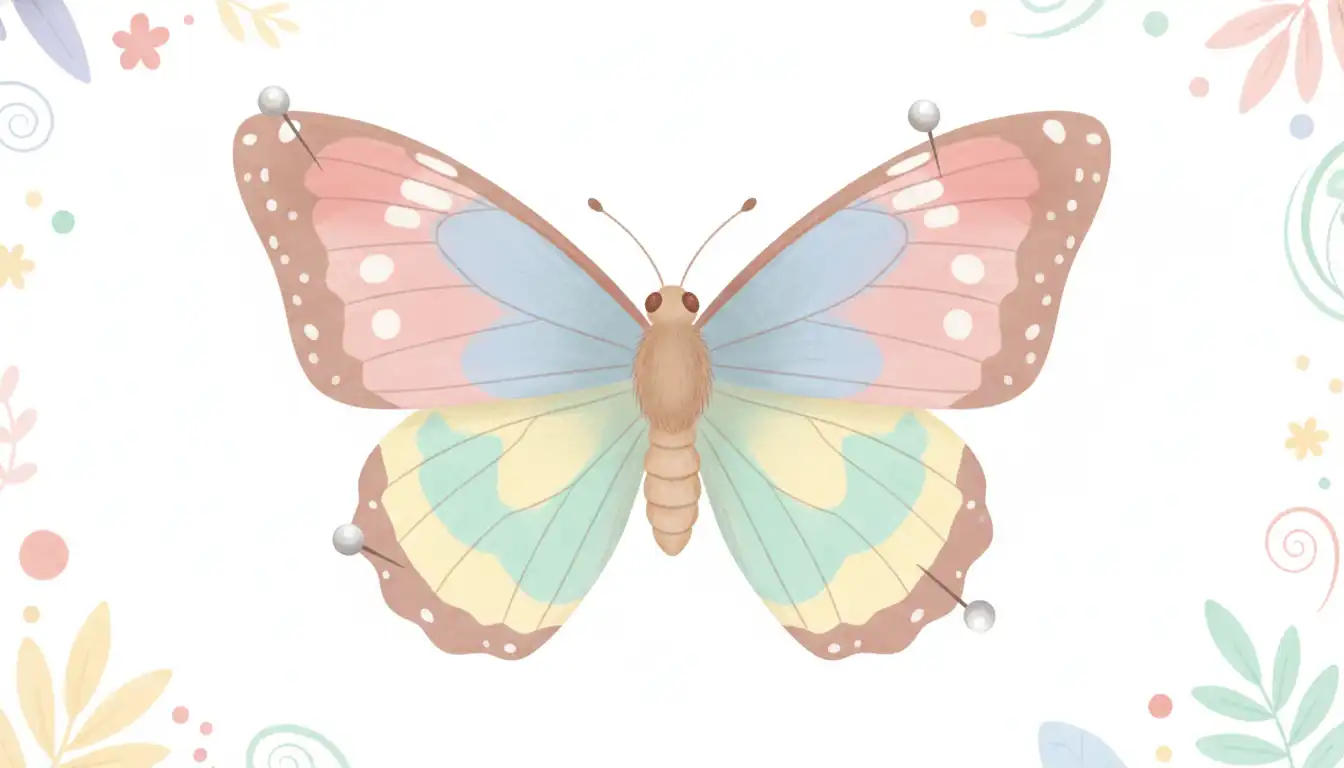
Start with one of the top wings, or forewings. Use your fine-tipped forceps to gently grasp the strong costal vein at the wing’s leading edge. Never touch the middle of the wing with your forceps. Carefully pull the wing forward until its bottom edge is at a 90-degree angle to the body. Hold the wing in this position and secure it by placing a strip of parchment paper over it, anchoring the paper with pins placed above and below the wing—never through it.
Aligning the Hindwings
Once the forewing is secure, use the same technique for the hindwing on the same side. Gently pull the hindwing forward until the pattern aligns aesthetically with the forewing or a small gap is closed. Secure this wing with another strip of parchment paper. Repeat the entire process for the wings on the other side, ensuring perfect symmetry.
Securing the Antennae and Abdomen
After the wings are positioned, adjust the antennae into a natural, V-shaped position and hold them in place with crossed pins. If the abdomen is drooping, you can prop it up with two pins crossed underneath it for support. This ensures the entire specimen dries in a lifelike posture.
The Drying Phase: Patience is the Key to Perfection
With the butterfly pinned and spread, the final stage is drying. This is where patience becomes your most valuable tool. The single biggest mistake at this stage is attempting to remove the butterfly from the board too soon. This will cause the wings to droop or curl as they finish drying, undoing all your careful work.
Place the spreading board in a dry, room-temperature location away from direct sunlight and pests. A duration of three to seven days is typically sufficient, though larger, thicker-bodied specimens may require up to two weeks. To be certain, you can gently touch the tip of the abdomen with a pin; if it is completely rigid and does not move, the specimen is fully dry. Maintaining a safe and stable environment is paramount, and it’s a good practice to ensure all home safety devices are in order. Part of this overall home preparedness includes knowing simple fixes, like how to close a smoke detector battery door, to keep everything functioning correctly.
Beyond the Basics: Advanced Techniques for Flawless Preservation
For those looking to achieve a truly professional level of preservation, a few advanced techniques can make all the difference. These methods address common issues like grease stains and minor wing damage. They require a bit more skill but can elevate the quality of your finished displays significantly.
One common issue with certain species is “greasing,” where lipids from the body leach out and stain the wings. This can be resolved by giving the dried specimen a brief bath in a solvent like acetone, which dissolves the grease without harming the wing colors. For minor tears or breaks, a tiny amount of archival-quality clear glue applied with the tip of a pin can perform near-invisible repairs. Always perform repairs after the specimen is fully dried.
Creating a Lasting Display: From Drying Board to Shadow Box
Once your butterfly is perfectly dry, it is ready for its final home. Carefully remove all the pins holding the parchment paper strips and supports, leaving only the main pin in the thorax. Handle the specimen by this pin to lift it from the spreading board and transfer it to your shadow box. Push the pin into the foam backing of the box to secure it in place.
A high-quality display case is essential for long-term preservation. Choose a shadow box with an airtight seal to protect against dust and museum pests like dermestid beetles. If you are repurposing an old wooden frame for your display, ensure it is thoroughly cleaned and prepared. For stubborn old paint or varnish, a product like CitraStrip can be effective, but be sure to use it in a well-ventilated area far from your delicate specimens. Creating the ideal space for your hobbies, whether it’s a workshop or a clean room for preservation, requires planning and the right tools for every season; just as you’d prepare your outdoor equipment by adding snow blower side extensions for winter, preparing your indoor space is key to success.
Common Mistakes in Butterfly Drying and How to Avoid Them
Many beginners encounter the same pitfalls. Recognizing these common errors is the first step toward avoiding them. The most frequent mistakes include using the wrong type of pins, which can damage the body or rust over time, and improper rehydration, which leads to breakage.
Another prevalent issue is impatience during the drying phase, resulting in curled or drooped wings. Finally, poor storage in a non-airtight container can allow pests to destroy a perfectly preserved collection. By following the steps outlined in this guide, you can successfully navigate these challenges and avoid disappointment.
Conclusion
The art of butterfly drying is a rewarding skill for any home and garden enthusiast, transforming a fleeting moment of natural beauty into a lasting display. Success does not depend on luck, but on a methodical approach grounded in patience and the correct techniques. By properly rehydrating, carefully spreading, and patiently drying your specimens, you can create stunning, professional-quality displays that honor the delicate elegance of these incredible insects.
With this expert knowledge, you are now equipped to move beyond common frustrations and confidently preserve the butterflies you admire. Embrace the process, and you will be rewarded with beautiful specimens that you can cherish for years to come.
