
Bush Bean Support Ideas That Stop Plants from Toppling Over
Growing bush beans is a rewarding experience for any gardener, but one challenge that often arises is how to keep the plants upright and healthy as they grow. While bush beans are typically more compact than pole beans, their wide, sprawling growth habit can cause them to topple over, especially when laden with heavy pods or after a bout of wind and rain.
That’s where proper support comes in. Using creative, simple, and effective support methods can prevent damage and ensure your bush beans thrive throughout the season.
In this article, we’ll explore several practical and easy-to-implement ideas for supporting your bush bean plants, from DIY trellises and cages to natural solutions, all designed to keep your garden neat, productive, and free from toppled plants. Whether you’re a beginner gardener or a seasoned pro, you’ll find tips that help you enjoy a successful harvest without the hassle of sagging or falling bean stalks.
You'll Learn About
The Hidden Problem: Why Your Healthy Bush Beans Are Falling Down
It is a common sight in many home gardens. The bush bean plants look vigorous, green, and are loaded with the promise of a bountiful harvest. Then, seemingly overnight, a strong wind or a heavy downpour leaves the plants sprawled on the ground, a tangled mess of leaves and stems.
This phenomenon, known as lodging, is incredibly frustrating for gardeners. When bean pods lie on the soil, they become susceptible to rot, disease, and damage from pests like slugs and snails. Harvesting becomes a difficult, muddy chore, and the overall yield is significantly reduced.
Many gardeners assume that “bush” beans, by their very name, require no support. While they don’t vine like pole beans, the most productive varieties can grow heavy with pods, creating a top-heavy plant that its own stem cannot support. The solution is to provide simple, effective support that keeps your plants upright and your harvest clean and healthy.
Understanding the Root Causes of Toppling Bush Beans
Before implementing a solution, it’s crucial to understand why your plants are falling over. Several factors contribute to this common gardening problem, and addressing them can lead to stronger, more resilient plants from the start.
The Weight of a Successful Harvest
Ironically, the primary reason bush beans fall over is a successful growing season. Modern cultivars are bred for high yields, meaning they produce an abundance of heavy pods. This weight, especially after a rain when water clings to the leaves and pods, can easily overwhelm the plant’s central stem, causing it to bend and break.
Think of it as a simple matter of physics. The plant’s structure is simply not strong enough to support the very bounty it was designed to produce. This is not a sign of failure, but rather a sign that your plants are thriving and need a little assistance.
Environmental and Weather-Related Stress
Your garden is a dynamic environment, and weather plays a significant role in plant stability. A single summer thunderstorm with strong winds and driving rain can flatten an entire row of unsupported bush beans in minutes. The force of the wind pushes against the broad leaves, while the weight of the rain adds to the overall load.
Even consistent, moderate winds can cause the plants to rock back and forth, gradually loosening their root systems in the soil. This makes them even more vulnerable to toppling when they become heavy with pods.
Soil Structure and Planting Density
The foundation of a strong plant is a strong root system, which is directly impacted by soil conditions. In overly loose, sandy, or freshly tilled soil, roots may not be able to get a firm enough grip to anchor the plant securely. This is especially true for the relatively shallow root systems of bush beans.
Furthermore, planting density has a significant impact. While it seems counterintuitive, planting bush beans too far apart can make them more susceptible to wind damage. When planted at the correct density, the plants can offer some measure of mutual support, creating a collective that is more resilient than a single, isolated plant.
Proactive Support Strategies for a Bountiful, Upright Harvest
The best time to think about support is before your plants start to lean. Implementing a support system early on prevents root disturbance and ensures your plants are protected from the very beginning. There are numerous simple and effective methods to keep your bush beans off the ground.
The Stake and Twine Corral: A Simple and Effective Method
One of the easiest and most cost-effective methods is to create a simple “corral” using stakes and twine. This technique involves placing sturdy stakes, such as wood, bamboo, or metal T-posts, at the corners of your bean patch and every three to four feet along the rows. Once the plants are about 6-8 inches tall, run a line of garden twine around the outside of the stakes, creating a perimeter.
As the plants grow taller, add another one or two levels of twine, creating a string cage that contains the plants. This system prevents the outer plants from flopping outwards and allows the entire patch to support itself as a single unit. It provides excellent air circulation while keeping the pods elevated.
Low-Profile Trellising for Maximum Airflow
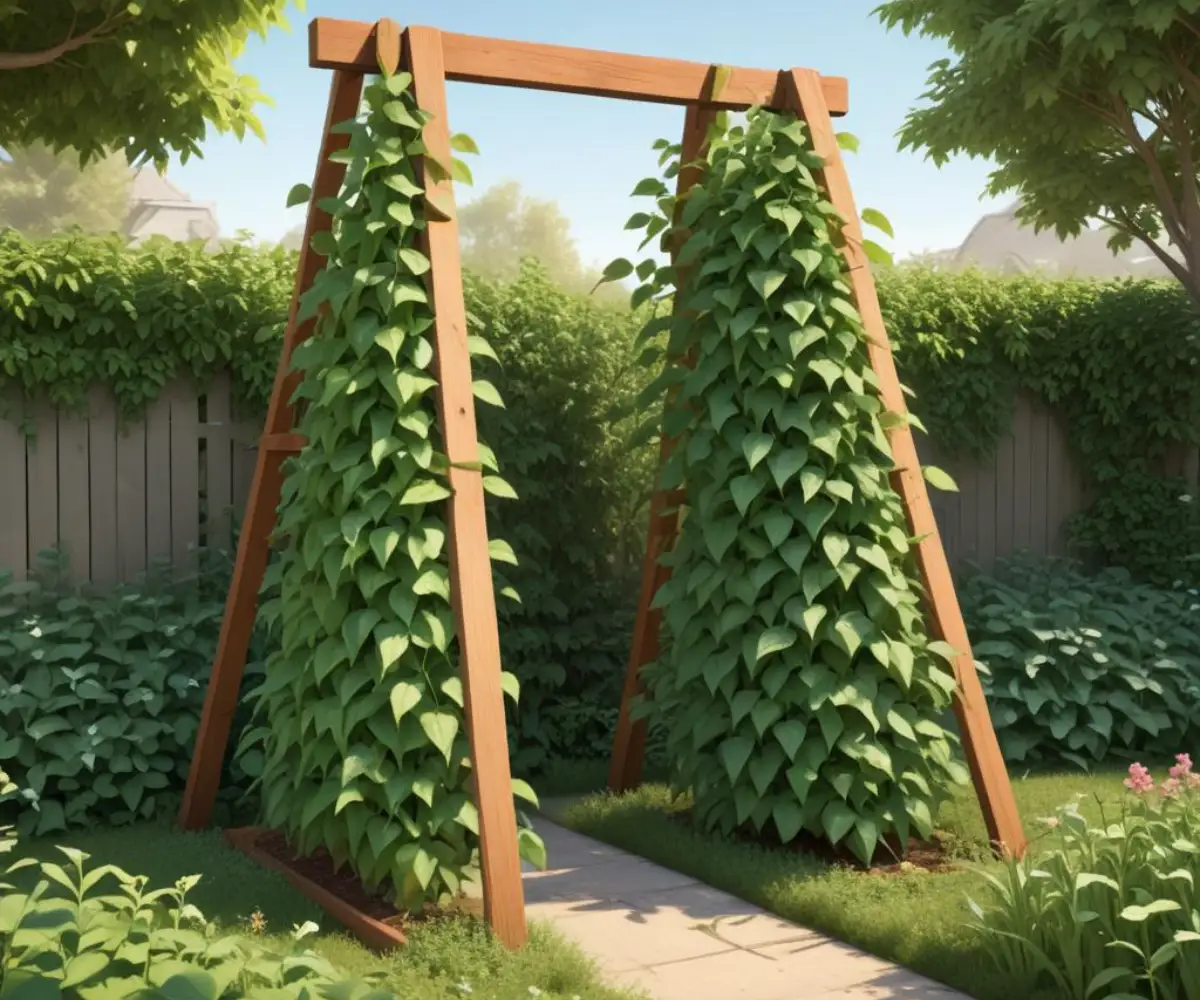
While we associate tall trellises with pole beans, a shorter version works wonderfully for bush beans, especially in damp climates where air circulation is paramount. A simple A-frame trellis, no more than 18-24 inches high, can be placed over a row of beans. The plants will grow up through the structure, resting their heavy branches on the supports.
Alternatively, you can use short panels of wire fencing or netting stretched between stakes. The key is to give the plants just enough of a framework to lean on. This method is particularly effective at preventing the development of fungal diseases by allowing air to move freely through the foliage.
Creative DIY Cages and Supports
You don’t need to buy special equipment to support your bush beans. Many effective solutions can be found right in your own backyard or garage. Small tomato cages, for instance, are perfectly sized for individual bush bean plants, providing 360-degree support.
For a more rustic and sustainable approach, consider using natural materials. A “branchy” support system can be created by pushing sturdy twigs and small branches into the ground around your plants. The beans will grow up into this natural lattice, which provides excellent support and blends seamlessly into the garden. When building your own supports, remember to keep your tools and equipment well-maintained; a frustrating project is often made worse if your primary machine, like your snow blower in the off-season, won’t start when you need it for other tasks. A little forethought in maintenance, similar to how you’re planning bean support now, goes a long way. This also applies to securing your tool shed, where a reliable lock can be an important consideration.
Advanced Support Concepts for the Serious Gardener
For those looking to optimize their garden setup, a few advanced techniques can provide superior support and contribute to overall plant health. These methods often integrate support with other beneficial gardening practices.
The Reinforced Hilling Technique
Most gardeners are familiar with “hilling” potatoes, but a modified version of this technique works wonders for bush beans. Once your bean seedlings are about 6 inches tall, gently mound soil up around the base of the stems, creating a wide, stable hill about 4 inches high. This encourages the plant to develop more roots along the buried portion of the stem, creating a much stronger anchor.
To take this a step further, mix some quality compost into the soil you use for hilling. This not only provides extra stability but also delivers a crucial nutrient boost right where the new roots are forming. Getting this timing right is key; the soil must be warm and workable. You can easily determine soil temperature without a thermometer using simple, hands-on methods to ensure your plants are ready for hilling.
Structural Companion Planting
Companion planting is often discussed in terms of pest control or nutrient sharing, but it can also be used for physical support. While you must be careful not to create too much shade, planting a few sturdy, upright plants sparsely within your bean patch can act as natural stakes. Plants like zinnias or cosmos, if spaced properly, can provide a living scaffold for bean plants to lean against.
This method requires some experimentation to get the spacing right, as you do not want the companions to compete with the beans for sunlight, water, or nutrients. However, when done correctly, it creates a beautiful, integrated, and multi-functional garden bed.
Comparing Bush Bean Support Methods
Choosing the right support system depends on your budget, time, and the specific needs of your garden. The table below provides a quick comparison of the most popular methods to help you decide which is best for you.
| Support Method | Estimated Cost | Installation Effort | Air Circulation | Best For |
|---|---|---|---|---|
| Stake and Twine Corral | Low | Low to Medium | Excellent | Long rows and windy locations. |
| Low A-Frame Trellis | Medium | Medium | Excellent | Preventing disease in humid climates. |
| Individual Cages | Medium to High | Low | Good | Smaller gardens or individual plants. |
| Reinforced Hilling | Very Low | Low | Good | Improving root strength and plant stability. |
| DIY Branch Support | Free | Low | Very Good | Gardeners preferring a natural, sustainable look. |
Proper Installation: Timing is Everything
The success of any support system hinges on proper and timely installation. Waiting until your plants are already falling over is too late. At that point, you risk breaking stems and damaging the root system as you try to make them upright again.
Install Supports Early to Avoid Damage
The ideal time to install stakes, trellises, or cages is at the time of planting the seeds. This allows you to place the supports exactly where you want them without any risk of damaging the delicate seedling roots. If you have already planted, aim to get your supports in the ground within two weeks of germination, while the root system is still relatively small.
When pushing stakes or cage legs into the ground, be mindful of where you planted your seeds. Insert them a few inches away from the base of the plant to avoid direct contact with the main root ball. A gentle touch is key to preventing transplant shock or stunting the plant’s growth.
Also Read: Harvest Zinnia Seeds After Frost
A Holistic Approach to Stronger Plants
While physical supports are the primary solution for toppling beans, their effectiveness is enhanced when combined with good overall gardening practices. A healthy, well-cared-for plant is inherently stronger and more resilient.
Watering, Nutrients, and Variety Selection
Ensure your plants have consistent moisture, but avoid overwatering, which can lead to shallow root systems. A balanced, low-nitrogen fertilizer will promote strong stems and pod development without encouraging excessive, weak foliage. When in doubt, a soil test can reveal any deficiencies.
Finally, consider the variety of bush bean you are growing. Some varieties are known for their compact, upright growth habit and are less prone to lodging. When purchasing seeds, look for descriptions that mention “sturdy stems” or “excellent lodging resistance.”
Elevate Your Garden with Smarter Support
Supporting your bush beans is a small investment of time that pays huge dividends in the form of a larger, healthier, and easier-to-manage harvest. By keeping the plants and pods off the ground, you protect them from disease and pests, improve air circulation, and make picking your beans a clean and simple pleasure.
Move beyond the misconception that bush beans are self-sufficient. By implementing one of these simple support strategies, you can prevent the frustration of flattened plants and ensure your hard work results in the abundant harvest you deserve.
Final Words
Incorporating support into your bush bean garden doesn’t have to be complicated or expensive. Whether you opt for a simple DIY structure, a ready-made garden cage, or a more natural support method, the key is to give your beans the stability they need to thrive. With the right support system in place, your plants will be less prone to toppling, leading to healthier growth, fewer broken stems, and an abundance of beans come harvest time.
Experiment with different solutions to find what works best for your garden space and personal style, and enjoy the satisfaction of a well-supported, bountiful bean crop. Remember, a little extra attention to your plant’s structure now can pay off in a big way when it’s time to reap the rewards of your hard work.
