
Burnt Induction Hob? Your Ultimate Rescue Guide Is Here
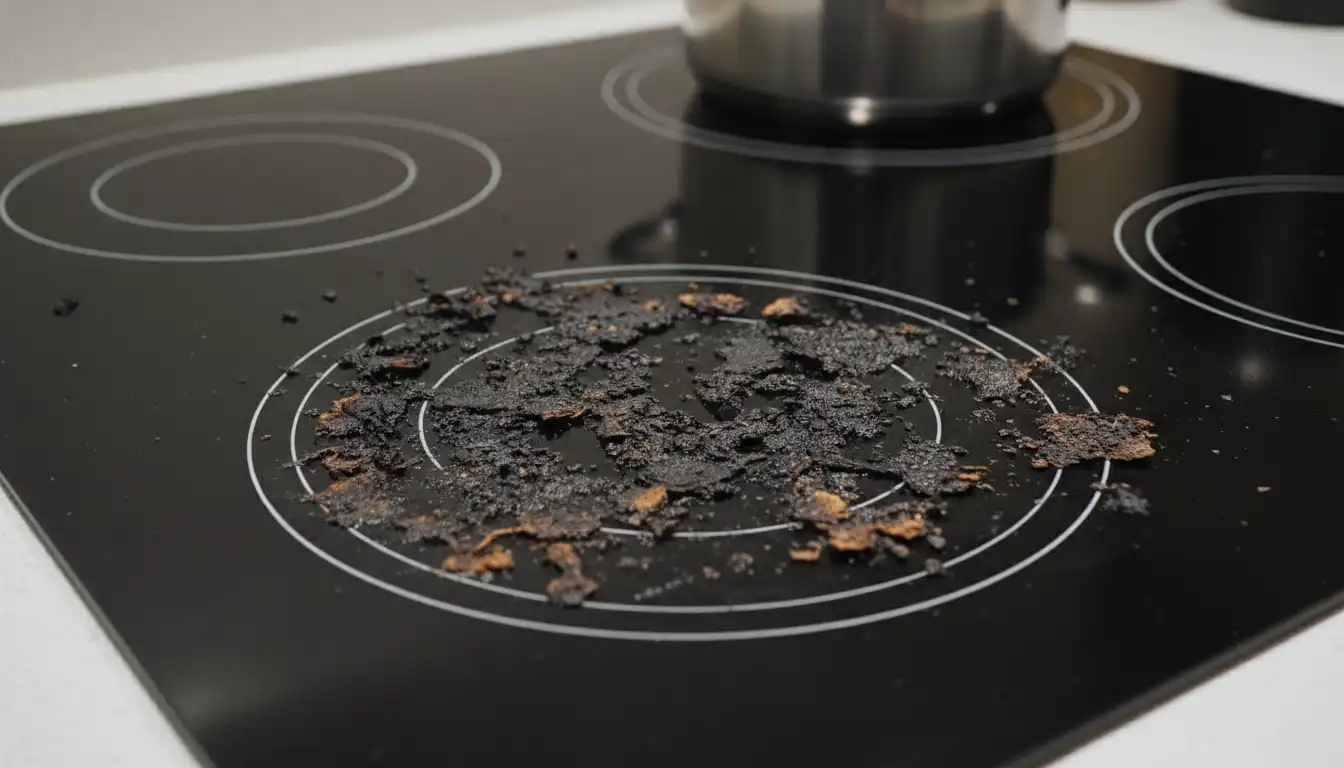
That sinking feeling hits the moment you see it: a dark, ugly burn mark on your sleek, modern induction hob. Whether it’s a sugary spill that’s turned into a blackened mess or an unfortunate encounter with melted plastic, a burnt induction hob can feel like a kitchen catastrophe.
But before you panic, understand that this is a common issue with a clear solution. The incredible speed of induction cooking, while a major benefit, is also the primary reason these burns happen so quickly. Don’t worry; your beautiful cooktop is almost certainly salvageable.
You'll Learn About
Why Do Induction Hobs Get Burnt Marks?
Understanding the “why” is the first step to mastering the “how” of cleaning and prevention. Unlike traditional stovetops, induction hobs heat the cookware directly through a magnetic field, not the glass surface itself. However, the hot pan transfers significant heat back to the glass, which can scorch any spills instantly.
The primary culprits are high-heat cooking and sugary or starchy spills. Sugar, in particular, undergoes a chemical change at high temperatures, creating a sticky, blackened substance that bonds tightly to the glass-ceramic surface. This is why a jam spill is often more challenging to clean than a simple water boil-over.
The Science of the Scorch: More Than Just a Stain
What appears as a simple burn is often a complex combination of carbonized food and a micro-pitting of the surface. When a substance like sugar melts and then rapidly cools, it can contract and place immense stress on the glass. This can lead to microscopic imperfections where residue becomes even more deeply embedded, making future cleaning more difficult.
It’s crucial to address these burns correctly to avoid permanent damage. Aggressive scrubbing with the wrong materials can turn a simple cleaning job into a surface repair nightmare. Proper care is essential not just for aesthetics but for the long-term performance of your appliance.
The Step-by-Step Guide to Restoring Your Induction Hob
Restoring your hob to its former glory is achievable with the right tools and techniques. Patience is key; never rush the process or resort to harsh, abrasive methods that can cause scratches.
Always ensure your hob is completely cool before you begin any cleaning. Attempting to clean a hot surface is not only dangerous but can also bake the stain on further, making it harder to remove.
Method 1: The Gentle Power of Baking Soda and Vinegar
For most common food-based burns, a simple and effective DIY solution can be made from household staples. This method is non-toxic and surprisingly powerful.
First, generously sprinkle baking soda directly over the entire burnt area. Next, spray undiluted white vinegar over the baking soda. The mixture will begin to fizz, which is the chemical reaction that helps to lift and loosen the burnt-on residue from the glass surface.
Lay a warm, damp microfiber cloth over the fizzing mixture and let it sit for at least 30 minutes. This “soaking” period is crucial for breaking down the carbonized food. Afterward, use the cloth to gently scrub the area in a circular motion. For most mild burns, the residue should lift away easily.
Method 2: Tackling Stubborn Stains with a Scraper
For more stubborn, caked-on messes, particularly those from burnt sugar or melted plastic, you may need to escalate your approach. A specialized ceramic hob scraper, which uses a razor blade, is an essential tool for any induction hob owner.
After applying the baking soda and vinegar paste and letting it sit, hold the scraper at a very low angle (around 30 degrees) to the surface. Apply gentle, even pressure and carefully push the blade under the burnt residue. The goal is to lift the burn off the surface, not to scratch the glass. The softened residue should peel away in layers.
This technique requires a steady hand. Working in small sections and wiping the blade clean frequently will yield the best results. Proper maintenance of your kitchen tools is as important as the surfaces they clean; just as you’d care for a quality Ariens snow blower, keeping your scraper blade clean and sharp is key to its effectiveness.
Method 3: Specialized Cooktop Cleaners
If DIY methods fall short, a commercial ceramic hob cleaner is your next best option. These creams are formulated with mild abrasives and solvents designed specifically to break down burnt food without scratching the delicate glass-ceramic.
Apply a small amount of the cleaner to the affected area and buff it in with a non-abrasive pad or microfiber cloth. For tough spots, allow the cleaner to sit on the surface for a few minutes before buffing. Always finish by wiping the surface with a clean, damp cloth to remove all residue, then dry with a separate cloth for a streak-free shine.
Special Cases: Melted Plastic and Sugary Disasters
Certain spills require a specific approach. Burnt sugar and melted plastic are two of the most challenging culprits for induction hob owners.
For burnt sugar, it is critical to act quickly but safely. If possible, and while the sugar is still pliable (but the hob is off), use a wooden or silicone spatula to remove as much as you can. Once cool, the scraper method is the most effective way to remove the hardened residue.
For melted plastic, the process is similar. Allow the hob to cool completely. The plastic will harden, making it easier to lift off in one piece. Use your ceramic scraper at a shallow angle to gently pry the plastic from the surface. For any remaining thin film, a dab of acetone (nail polish remover) on a cloth can help dissolve the residue, but be sure to wipe the area clean with water immediately after.
| Burn Type | Recommended Cleaning Method | Key Considerations |
|---|---|---|
| Light Food Spills | Baking Soda & Vinegar Paste | Allow paste to sit for 30 minutes before wiping. |
| Grease & Oil | White Vinegar Spray & Microfiber Cloth | Vinegar is a natural degreaser. Buff dry for a streak-free shine. |
| Burnt-on Sugar | Ceramic Hob Scraper (when cool) | Use extreme caution. Hold the blade at a low angle to avoid scratches. |
| Melted Plastic | Ceramic Hob Scraper & Acetone (for residue) | Ensure the hob is completely cool and the plastic is hard before scraping. |
| Water Stains/Mineral Deposits | White Vinegar | Wipe with vinegar-dampened cloth; let it sit for a few minutes to dissolve minerals. |
Prevention: The Best Way to Deal with a Burnt Hob
The easiest way to clean a burnt induction hob is to prevent it from getting burnt in the first place. Adopting a few simple habits can keep your cooktop looking brand new for years.
Clean spills immediately. As soon as it is safe to do so, wipe up any spills with a damp cloth. This prevents the food from having a chance to burn onto the surface during subsequent cooking.
The Overlooked Importance of Cookware
The type and condition of your cookware play a significant role. Always use pans with a clean, dry, and flat bottom. A dirty pan bottom can transfer grime to the hob, which then burns, while an uneven pan can create hot spots, increasing the likelihood of scorching.
Furthermore, avoid dragging heavy pots, especially cast iron, across the surface. This is a leading cause of scratches, which can trap dirt and make cleaning more difficult. The integrity of your cooking surface is just as important as the surrounding areas; improper cleaning techniques could even risk damaging your countertops. For major kitchen renovations, knowing how to remove granite countertops without damaging cabinets showcases the value of careful, deliberate work.
Beyond Cleaning: Proactive Surface Protection
A lesser-known strategy for protecting your induction hob is the use of silicone hob protectors or even a sheet of baking parchment placed between the hob and the pan. These items do not interfere with the magnetic field but provide a physical barrier against spills and scratches.
This method is particularly useful when cooking with very messy ingredients or heavy cast-iron pans. It’s an easy, low-cost insurance policy for your appliance’s surface. Maintaining the aesthetic of your kitchen, from the cooktop to the wall color, creates a cohesive look. When choosing paint, understanding the difference between options like Sherwin-Williams Showcase vs. Emerald can make all the difference.
Common Mistakes to Avoid
Even with the best intentions, it’s easy to make mistakes that can permanently damage your induction hob. Steer clear of these common pitfalls.
Never use abrasive cleaners or scouring pads. Products like steel wool, green scrubbies, or powdered cleansers will create a network of fine scratches on the glass, dulling its finish and making it more susceptible to staining.
Avoid using excessive force. If a stain isn’t lifting, it needs more time to soften, not more pressure. Reapply your cleaning paste and give it more time to work. A gentle approach is always the best policy for a glass-ceramic surface.
