
Bump Out Wall Secrets: Gain Space Without a Major Addition
Is your home feeling a little too cozy? You love your neighborhood and the character of your house, but a cramped kitchen, a tiny bathroom, or a living room that just can’t fit everyone comfortably can quickly become a source of daily frustration. The thought of a full-scale home addition is overwhelming, bringing to mind massive costs, endless disruption, and the loss of precious yard space.
This is the classic homeowner’s dilemma: the need for more space clashing with the realities of budget and convenience. But what if there was a targeted, cost-effective way to solve this problem? A solution that could give you that desperately needed breathing room without turning your life upside down for months on end.
This is where the magic of a bump out wall comes into play. It’s the ingenious, space-saving secret that smart homeowners use to enhance their living areas, add significant value, and solve frustrating layout problems with surgical precision.
You'll Learn About
What Exactly Is a Bump Out Wall? The Genius of Micro-Additions
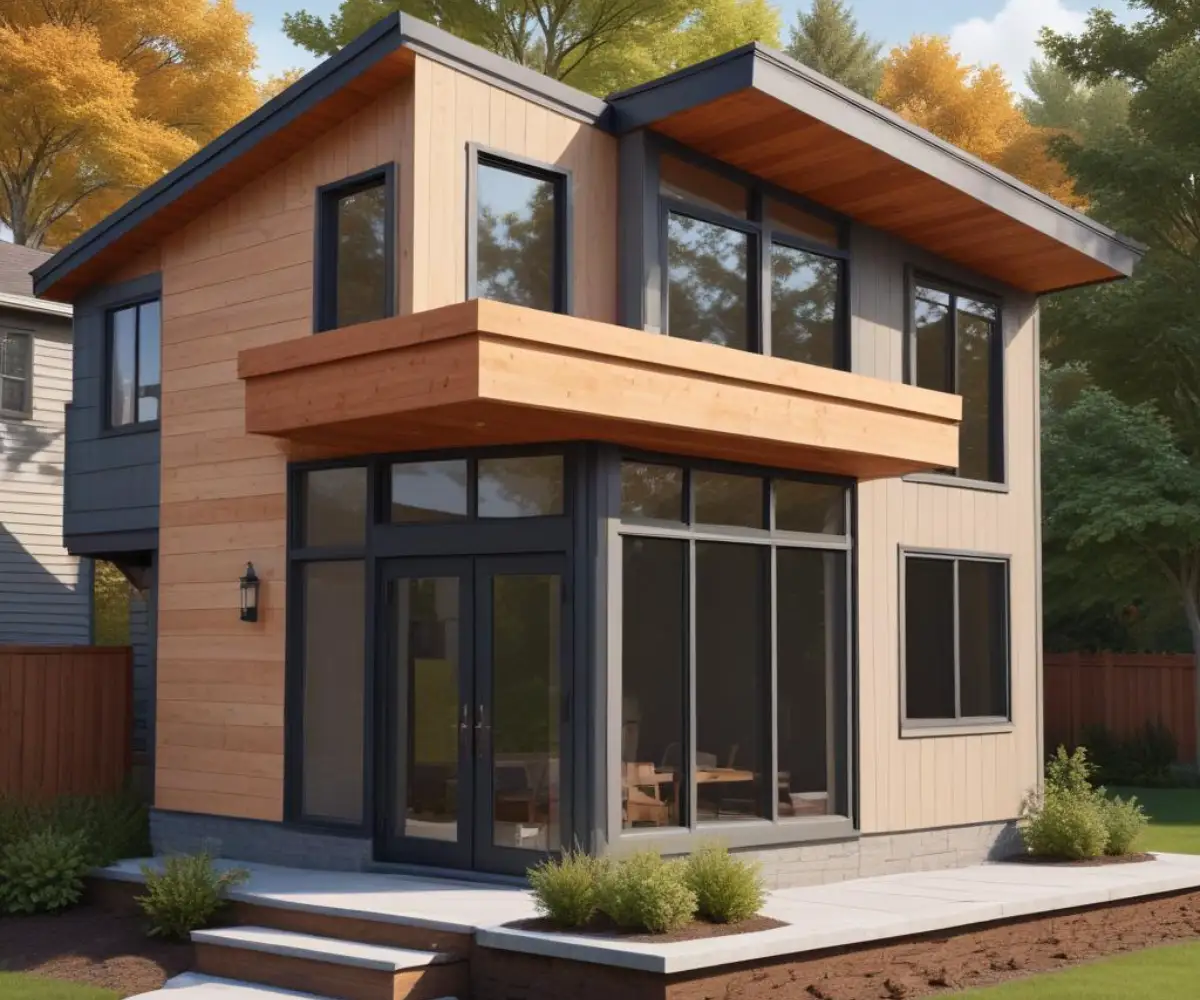
A bump out wall, often called a “micro-addition,” is a small-scale extension that pushes a room’s exterior wall outward, typically by two to three feet, though some can extend as far as 15 feet. Unlike a full addition that creates an entirely new room, a bump out is designed to expand an existing space, making it more functional and comfortable. It’s a strategic way to gain square footage precisely where you need it most.
The structural magic behind many smaller bump outs is the cantilever. This construction technique involves extending the floor joists beyond the existing foundation, allowing the new space to “hang” off the side of the house without needing a full foundation beneath it. For larger or heavier bump outs, a foundation-supported system with footings or concrete piers may be necessary to bear the load safely.
Think of it as the difference between building a new wing on a hospital versus adding a larger, more functional bay to an existing operating room. Both add space, but one is a targeted enhancement while the other is a massive undertaking.
Why Your Home is Begging for a Bump Out (The Hidden Benefits)
The appeal of a bump out goes far beyond just adding a few extra square feet. This clever renovation strategy offers a host of benefits that directly address the pain points of a cramped home, making it a compelling alternative to a massive remodel.
Key advantages include:
- Targeted Space Expansion: You get to add space exactly where it’s needed most. Whether it’s for a kitchen island, a luxurious soaking tub, or a cozy reading nook, the improvement is focused and impactful.
- Cost-Effectiveness: While the cost per square foot can sometimes be higher than a large addition, the total project cost is significantly lower. You avoid the massive expenses associated with a full foundation, extensive roofing, and new HVAC systems.
- Increased Natural Light: A bump out provides the perfect opportunity to add large windows, flooding a previously dim room with sunlight and making the entire space feel larger and more inviting.
- Enhanced Home Value: A well-designed bump out that improves the functionality of a key area like a kitchen or bathroom is a smart investment that can significantly boost your home’s resale value.
- Minimal Disruption: Because the construction is smaller and more contained, the impact on your daily life is far less than that of a full-scale addition, with shorter project timelines.
Types of Bump Outs: Choosing the Perfect Fit for Your Space
The versatility of bump outs means they can be adapted to solve a wide range of spatial challenges in almost any room of the house. From kitchens to bathrooms, the possibilities are extensive, allowing for customized solutions that enhance your home’s livability.
Kitchen Bump Outs
A kitchen is often called the heart of the home, but a cramped layout can make it a place of frustration. A bump out of just two or three feet can completely transform the space, providing room for a large island, a breakfast nook with a sunny window, or that extra counter space you’ve always dreamed of.
Bathroom Bump Outs
Is your bathroom too small for a double vanity or a separate tub and shower? A bump out can add the necessary depth to install these luxury features. For a project like this, using modern, grout-free wall panels can create a stunning, waterproof finish; you can see a comparison of options in our Palisade vs Dumawall showdown to get ideas.
Living Room and Bedroom Bump Outs
In living areas and bedrooms, a bump out is perfect for creating specialized zones. Imagine a cozy window seat flooded with natural light for reading, a dedicated space for a home office setup, or the extra room needed for a spacious walk-in closet.
Bump Out Wall Construction: What to Expect From Start to Finish
While less complex than a full addition, building a bump out is a serious construction project that involves multiple critical stages. Understanding the process is key to ensuring a successful, safe, and durable expansion of your living space.
The process begins with planning and design, where you’ll work with an architect or designer to create plans. This is followed by securing building permits, a mandatory step for any project that alters your home’s structure. A structural engineer must then review the plans to calculate loads and specify the necessary supports.
Next comes the foundation or support system. For a cantilevered bump out, this involves sistering new, longer joists to the existing floor structure. For larger bump outs, it means pouring a new foundation that is securely tied to the existing one to prevent settling issues. From there, the new walls are framed, sheathed, and tied into the house before the roof and siding are installed, with meticulous attention paid to flashing to prevent any water intrusion. Finally, the interior is insulated, wired, and finished with drywall. Making sure the new walls are perfectly smooth is crucial; a high-quality plaster like Thistle Multi Finish can provide a flawless surface ready for paint.
The Big Question: How Much Does a Bump Out Cost?
The cost of a bump out addition can vary widely, with most projects falling in the range of $5,000 to $50,000. The final price depends on a multitude of factors, including the size of the extension, the complexity of the structural work, and the quality of the interior and exterior finishes.
While it may be tempting to consider this a DIY project to save money, it is strongly discouraged for anyone but an experienced professional. The structural calculations, permit requirements, and waterproofing techniques involved are complex. A mistake can lead to catastrophic failure, water damage, or serious safety hazards.
The table below breaks down the typical costs associated with a mid-range bump out project to give you a clearer picture of the investment required.
| Component | Average Cost Range | Key Considerations |
|---|---|---|
| Architectural & Engineering Plans | $1,000 – $3,000 | Required for permits and ensuring structural integrity. |
| Permits | $500 – $2,500 | Varies significantly based on your municipality’s regulations. |
| Foundation/Support Work | $2,000 – $8,000 | Cantilevered is cheaper; a new foundation is more expensive. |
| Framing & Lumber | $3,000 – $10,000 | Depends on the size and complexity of the structure. |
| Exterior Finishes (Siding, Roofing) | $2,500 – $7,000 | Matching existing materials can impact the cost. |
| Windows and Doors | $1,500 – $6,000 | High-performance windows will be on the higher end. |
| Insulation & Drywall | $1,500 – $4,000 | Proper insulation is critical for energy efficiency. |
| Electrical & Plumbing | $1,000 – $8,000+ | Costs escalate significantly if moving plumbing for a kitchen or bath. |
| Interior Finishes (Flooring, Paint) | $2,000 – $6,000 | Depends entirely on the quality of materials selected. |
The Hidden Dangers: Critical Mistakes to Avoid with Your Bump Out Wall
While a bump out is a fantastic way to add space, it is not without risks. The points where the new structure meets the old are prime locations for failure if not executed perfectly. These are not minor cosmetic issues but fundamental flaws that can compromise your home’s integrity.
One of the most critical aspects is improper cantilever support. There is a general engineering rule of thumb that for every foot of cantilever extending outside, there must be at least two to three feet of joist securely anchored inside the house. Exceeding this ratio without proper engineering can put immense stress on your home’s frame, a danger far greater than worrying about how much weight a nail can hold.
Another silent threat is thermal bridging. The point where the new and old structures connect can become a “bridge” for heat to escape if not insulated meticulously. This not only leads to higher energy bills but can also cause condensation to form inside the walls, creating a hidden breeding ground for mold. It is crucial that the insulation is continuous and that there are no gaps.
Finally, inadequate flashing and water intrusion are the number one cause of bump out failures. Water is relentless and will find any weakness. Proper installation of step flashing, kick-out flashing, and house wrap is not just recommended; it is absolutely essential to protect your investment and the structural health of your entire home. Before starting new construction, it’s wise to inspect your current walls for any signs of trouble. For instance, if you notice your drywall moves when pushed, it could signal underlying framing or moisture issues that must be addressed first.
Bump Out vs. Full Addition: Which Is Right for You?
Deciding between a bump out and a full addition comes down to a clear assessment of your needs, budget, and long-term goals. Each has its place, and choosing the right one is crucial for a successful project.
When a Bump Out is the Clear Winner
A bump out is the ideal solution when your primary goal is to improve the functionality of an existing room rather than create a new one. If your kitchen needs an island, your bathroom needs a double vanity, or your living room needs a bright reading nook, a bump out provides a targeted, efficient, and more affordable solution. It’s perfect for homeowners with smaller budgets, limited yard space, and a desire for a quicker, less disruptive renovation.
When You Should Opt for a Full Addition
If your needs are more substantial, a full addition is the better path. This is the right choice when you need to add a completely new, distinct room, such as a master suite, a family den, or an extra bedroom. A full addition offers greater design flexibility, allows for significant changes to your home’s layout, and is necessary for adding a large amount of square footage. While more expensive and disruptive, it addresses the need for fundamentally more living space.
Frequently Asked Questions About Bump Out Walls
Even with a clear understanding of the process, homeowners often have specific questions about the practicalities of a bump out. Here are answers to some of the most common inquiries.
Do I need a foundation for a bump out?
It depends on the size. Small, shallow bump outs (typically up to 2-3 feet deep) can often be cantilevered, meaning they don’t require a new foundation. Larger or heavier extensions will require a foundation system, like concrete piers or a frost-protected slab, for proper support.
How big can a bump out be?
The maximum size is determined by your home’s structure, floor joist dimensions, and local building codes. While cantilevered bump outs are generally limited to a few feet, foundation-supported ones can extend 10 to 15 feet. A structural engineer must make the final determination.
Does a bump out add to my home’s square footage?
Yes, a bump out adds legally recognized square footage to your home. This increases its value but may also lead to a corresponding increase in your property taxes.
Can I build a bump out myself?
This is a complex project that involves structural framing, roofing, and waterproofing. Due to the high risk of error and the severe consequences of failure, it is strongly recommended that only experienced, licensed professionals undertake this type of construction.
A bump out wall is more than just a small addition; it’s a strategic investment in your home’s comfort, functionality, and value. By understanding the process, avoiding the critical pitfalls, and working with qualified professionals, you can unlock the hidden potential in your home and create the extra space you’ve always needed.
