Briggs and Stratton Leaking Oil From Bottom? Here’s the #1 Fix!
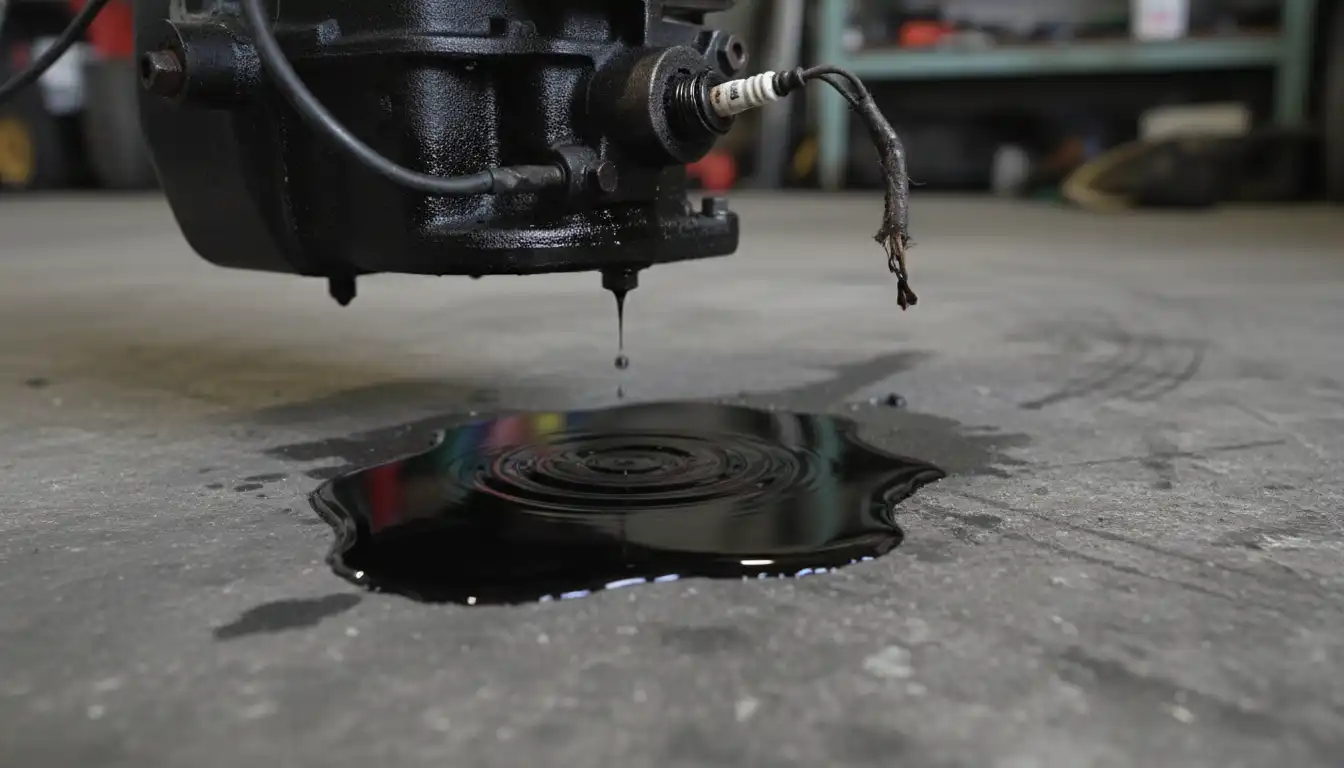
That dark, greasy puddle spreading on your garage floor is an unwelcome sight for any homeowner. When the source is your trusted Briggs and Stratton engine, it can feel like a major betrayal. An oil leak from the bottom signals a problem that needs immediate attention, but it’s not always a cause for panic.
Understanding what causes these leaks is the first step toward a successful, and often simple, repair. From a loose plug to a worn-out seal, we will guide you through diagnosing and fixing the issue, saving you from a costly trip to the repair shop.
You'll Learn About
Why You Can’t Ignore an Oil Leak From the Bottom
A small drip might seem harmless, but ignoring a Briggs and Stratton leaking oil from the bottom can lead to catastrophic engine failure. Oil is the lifeblood of your engine, providing lubrication and cooling to critical internal components. When the oil level drops too low, friction and heat build up rapidly.
This increased friction causes premature wear on pistons, bearings, and the crankshaft, eventually leading to a seized engine. Beyond the mechanical risk, leaking oil is a safety and environmental hazard. It creates a slippery surface on floors and can contaminate soil and groundwater, making a timely repair essential.
Pinpointing the Source: Common Culprits for Bottom Oil Leaks
Before you can fix the leak, you need to play detective. The bottom of the engine has several potential failure points. A thorough cleaning of the engine exterior with a degreaser will help you trace the oil back to its origin after running the engine for a few minutes.
The Most Common Culprit: A Loose or Faulty Oil Drain Plug
The simplest and most frequent cause of a bottom oil leak is the oil drain plug. Vibrations from normal operation can cause the plug to loosen over time. Additionally, the small washer or gasket that seals the plug can become worn, cracked, or lost during an oil change, creating a path for oil to escape.
Always check the drain plug first. A quick tightening might be all that’s needed. If it continues to leak, replacing the plug and its gasket is an inexpensive and straightforward fix that often solves the problem immediately.
The Failed Sump Gasket or Crankcase Seal
The oil pan, or sump, is bolted to the bottom of the engine block and sealed with a gasket. This sump gasket is under constant exposure to heat and pressure, which can cause it to become brittle and crack over time. A failed sump gasket is one of the most common causes of a significant oil leak from the bottom of a Briggs and Stratton engine.
Similarly, the main crankshaft seal at the bottom of the engine (often called the PTO seal) prevents oil from escaping where the crankshaft exits the engine block to connect to the mower blade. This seal can wear out, harden, and crack, leading to a persistent leak that drips directly from the center of the engine’s underside.
The Dreaded Cracked Engine Block
While rare, a crack in the engine block or crankcase is the most severe cause of an oil leak. This type of damage can result from a major impact, such as hitting a large rock or stump while mowing, or from severe overheating that causes the metal to fracture. An oil leak from a cracked block is typically a fatal diagnosis for the engine, as the cost of repair often exceeds the price of a new mower.
Overfilling the Crankcase: A Simple but Costly Mistake
More is not always better, especially when it comes to engine oil. Overfilling the crankcase with oil is a surprisingly common mistake that creates excessive internal pressure. This pressure has to go somewhere, and it will force oil out through the weakest points, such as gaskets and seals, creating leaks where none existed before.
Always use the dipstick to check the oil level after filling and ensure it is between the “Full” and “Add” marks. If you’ve overfilled, you must drain the excess oil to the correct level to prevent damage and stop the leaks.
Step-by-Step Guide: How to Fix a Briggs and Stratton Leaking Oil From the Bottom
With the potential causes identified, it’s time to get your hands dirty. Following a structured approach will ensure a safe and effective repair. This guide will walk you through the most common solutions, from the easiest to the more involved.
Pre-Repair Checklist: Safety and Preparation
Before starting any work, safety is paramount. Disconnect the spark plug wire to prevent any chance of the engine accidentally starting. Setting the correct spark plug gap is vital for engine function, but disconnecting it entirely is the first rule of safe repairs. Gather your tools: a socket set, screwdrivers, a drain pan, gasket scraper, new oil, and the necessary replacement parts like gaskets or seals.
Solution 1: Securing the Oil Drain Plug
If you’ve traced the leak to the drain plug, the fix is usually quick. First, place an oil drain pan underneath the plug. Using the correct size socket wrench, check if the plug is loose. If it is, tighten it until it is snug, but be careful not to over-tighten, as this can strip the threads.
If tightening doesn’t stop the leak, you will need to drain the oil completely and remove the plug. Inspect the gasket or washer for damage and replace it. A new drain plug and gasket are very affordable and provide peace of mind.
Solution 2: Replacing the Sump Gasket (The Main Fix)
Replacing the sump gasket is the most common major repair for a bottom oil leak. This process requires unbolting the engine from the lawn mower deck to access the sump pan. Once the engine is free, you can begin the gasket replacement.
First, drain all the oil. Next, carefully remove the bolts holding the sump pan to the engine block, making note of their locations as some may be different lengths. Gently tap the side of the pan with a rubber mallet to break the old seal, and then remove the pan. Thoroughly clean both mating surfaces, scraping away every last bit of the old gasket material with a plastic scraper to avoid gouging the aluminum surfaces. Any residue left behind will prevent the new gasket from sealing properly. Place the new gasket, reattach the sump pan, and tighten the bolts in a star pattern to ensure even pressure. Finally, reinstall the engine, refill with fresh oil, and check for leaks.
| Leak Source | Common Symptoms | Repair Difficulty | Estimated Cost (Parts) |
|---|---|---|---|
| Oil Drain Plug | Dripping directly from the plug after running | Easy | $5 – $15 |
| Sump Gasket | Oil seepage all around the seam between engine block and oil pan | Moderate | $15 – $30 |
| Lower Crankshaft Seal | Oil leaking from the very center of the engine, often slinging onto the deck | Difficult | $10 – $25 |
| Cracked Block | A large, steady leak from a visible crack in the engine casing | Very Difficult / Not Recommended | $300+ (Engine Replacement) |
Solution 3: Addressing a Leaking Crankshaft Seal
This repair is more advanced and requires removing the mower blade and the blade adapter to access the lower crankshaft seal. Once exposed, the old seal can be carefully pried out with a flathead screwdriver or a dedicated seal puller. Be extremely careful not to scratch the crankshaft surface during this process.
Before installing the new seal, apply a thin coat of fresh oil to its inner and outer edges to help it slide into place smoothly. Use a socket or a piece of pipe with the same outer diameter as the seal to gently and evenly tap the new seal into place until it is flush with the engine housing.
The Secret Culprit: Hidden Causes of Engine Pressure Leaks
Sometimes, you can replace every seal and gasket perfectly, only to have the leak return. This frustrating situation is often caused not by a faulty seal, but by excessive pressure inside the engine’s crankcase. This pressure forces oil out, even past new gaskets.
A Clogged PCV Valve or Breather Tube
Every small engine has a crankcase ventilation system, often called a breather, to safely vent internal pressure that builds up during operation. This system uses a one-way valve to let pressure out without letting debris in. If this breather valve or its connecting tubes become clogged with oil residue and gunk, the pressure cannot escape. This buildup is a primary hidden cause of oil leaks.
This system functions similarly to your snowblower’s air filter; a clog can lead to significant performance issues. Before tearing your engine apart, always inspect and clean the crankcase breather assembly. This simple step can often resolve persistent oil leaks that seem to have no other cause.
Incorrect Oil Viscosity
Using the wrong type of oil can also contribute to leaks, especially in older engines. If the oil is too thin (a lower viscosity than recommended), it can more easily slip past worn seals and gaskets that might have held thicker oil. Always consult your owner’s manual and use the specific oil weight recommended by Briggs and Stratton for your engine and operating temperatures.
When to Call a Professional
While many oil leaks are manageable for a DIY-er, some situations are best left to a professional. If you diagnose a cracked engine block, the repair is not practical. Additionally, if you are uncomfortable with the complexity of replacing a crankshaft seal or sump gasket, a qualified small engine mechanic can perform the repair efficiently. The cost of a professional repair typically ranges from $80 to $200, which can be a worthwhile investment to ensure the job is done correctly.
Keeping Your Briggs and Stratton Leak-Free
Preventing oil leaks starts with regular, diligent maintenance. Adhering to a routine of checking oil levels before each use, changing the oil and filter at recommended intervals, and using the correct oil type are the foundations of a healthy engine. During maintenance, take a moment to check that bolts, especially the oil drain plug and sump bolts, are snug.
Keeping the engine clean not only makes it run cooler but also helps you spot potential leaks early before they become major problems. A well-maintained engine is a reliable engine, ensuring your lawn equipment is ready to work whenever you are, free from the mess and danger of oil leaks.