
Bosch vs KitchenAid Wall Oven: The Ultimate Showdown
Choosing a new wall oven feels like a monumental decision, and for a good reason. It’s the centerpiece of your kitchen’s cooking power, a long-term investment that will define countless meals. The choice often boils down to two titans of the industry: Bosch and KitchenAid.
The core problem isn’t a lack of options, but an overwhelming surplus of features, marketing claims, and conflicting reviews. You’re left wondering: which brand truly delivers on its promises of performance, reliability, and style? This guide cuts through the noise to provide a clear, decisive comparison.
You'll Learn About
The Core Conflict: European Precision vs. American Power
Understanding the fundamental difference between Bosch and KitchenAid is the first step to making the right choice. Each brand embodies a distinct design and engineering philosophy that shapes the user experience. This isn’t just about features; it’s about how the oven integrates into your cooking style.
One brand champions a sleek, minimalist aesthetic with an emphasis on quiet, efficient engineering. The other offers a bold, professionally-inspired design with a focus on robust power and cooking versatility. Choosing between them depends entirely on what you value most in your kitchen.
Bosch: The Quiet Craftsman of Modern Kitchens
Bosch wall ovens are synonymous with German engineering and sophisticated design. They are built for seamless integration, often featuring flush installation that creates a clean, unobtrusive look. The aesthetic is modern and minimalist, appealing to those who prefer an understated yet high-end kitchen.
Key features often include the QuietClose® door, which prevents slamming, and a focus on even cooking through their Genuine European Convection system. Bosch prioritizes a refined and controlled cooking environment, where precision and ease of use are paramount.
KitchenAid: The Bold Workhorse for Passionate Cooks
KitchenAid, rooted in American heritage, brings a more robust and commanding presence to the kitchen. Their designs often feature textured handles and a commercial-style look that appeals to serious home cooks. These ovens are built to be workhorses, ready for large holiday meals and ambitious baking projects.
KitchenAid’s standout feature is their Even-Heat™ True Convection, designed for consistent heating across all racks. They also offer unique innovations like the Smart Oven+ with powered attachments, turning the oven into a versatile cooking station for grilling, steaming, and stone-baking.
Performance Deep Dive: Convection, Heat, and Speed
A wall oven’s primary job is to cook food perfectly, and the convection system is the heart of that performance. Both Bosch and KitchenAid have developed proprietary technologies to achieve consistent results, but they approach the task differently. Understanding these differences is crucial for bakers and roasters alike.
Beyond convection, preheat speed and temperature accuracy are critical factors. Slow preheating can disrupt your cooking workflow, while temperature fluctuations can ruin delicate dishes. We’ll examine how each brand tackles these essential performance metrics.
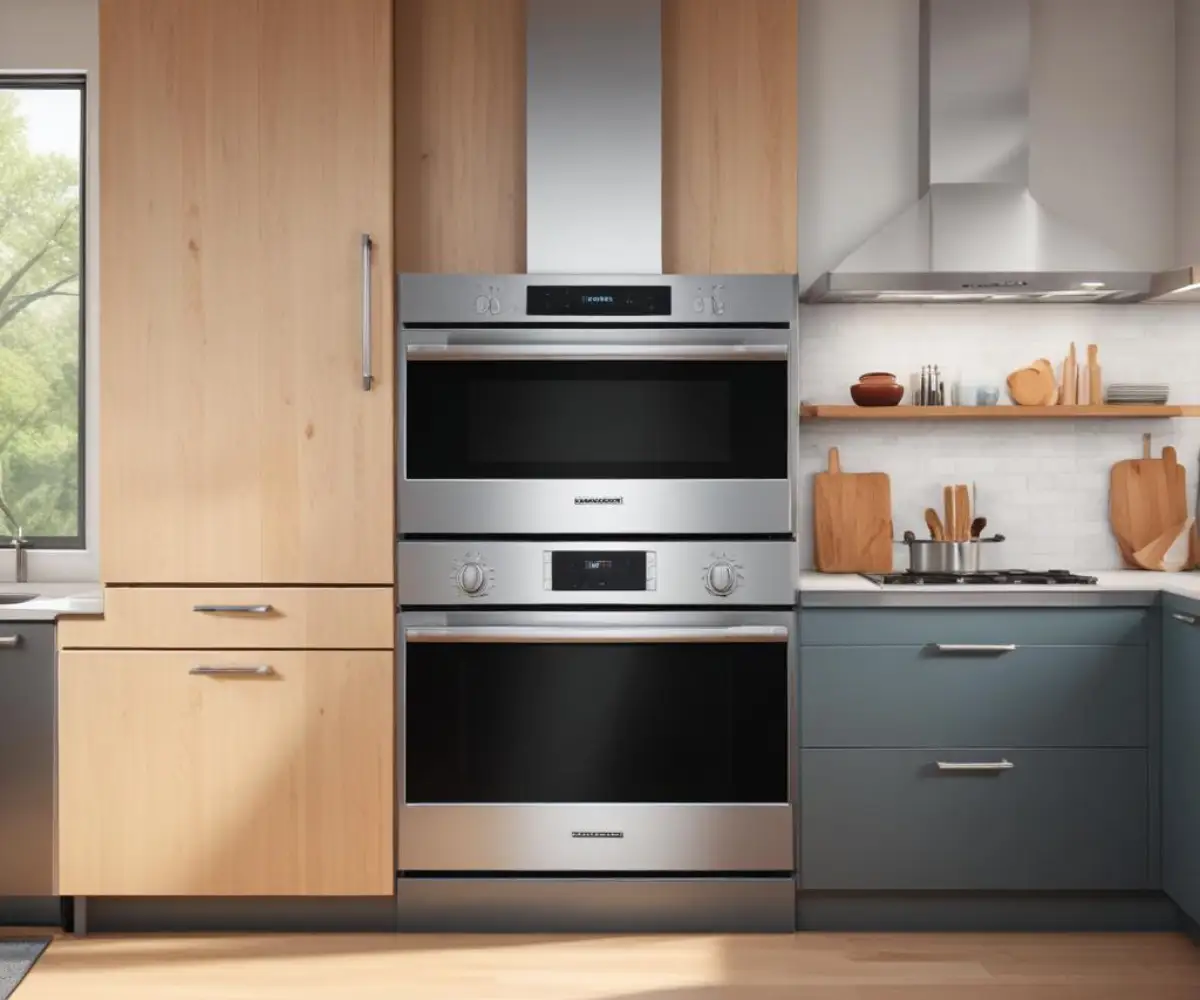
Genuine European Convection vs. Even-Heat™ True Convection
Bosch employs a Genuine European Convection system in many of its 800 Series ovens. This system includes a third heating element located behind the convection fan. This ensures that the air circulated throughout the oven is actively heated, leading to more consistent temperatures and eliminating hot spots.
KitchenAid’s Even-Heat™ True Convection uses a unique bow-tie shaped fan and a dedicated heating element to circulate heated air. This design is engineered to ensure the entire oven, including the walls and racks, heats to the correct temperature, providing edge-to-edge evenness for large batches of cookies or multiple roasting pans.
| Feature | Bosch Wall Ovens | KitchenAid Wall Ovens |
|---|---|---|
| Design Philosophy | Sleek, minimalist, European aesthetic | Bold, professional, American-style |
| Convection System | Genuine European Convection (third element) | Even-Heat™ True Convection (bow-tie fan) |
| Standout Feature | QuietClose® door, Home Connect App | Smart Oven+ powered attachments, large capacity |
| User Interface | SteelTouch™ buttons or digital controls | Glass-touch displays with intuitive controls |
| Cleaning | Pyrolytic self-cleaning | Self-cleaning with variable time options |
| Best For | Modern kitchens, seamless integration, quiet operation | Passionate cooks, bakers, versatile cooking needs |
Smart Technology and Usability
In today’s connected home, smart features are no longer a gimmick but a core part of an appliance’s functionality. Both brands offer robust app integration that allows for remote preheating, monitoring, and recipe integration. However, their approaches to “smart” cooking diverge significantly.
Beyond apps, the daily usability of the oven—its controls, lighting, and racks—plays a huge role in owner satisfaction. A complicated interface or a poorly designed rack can turn cooking into a chore. Here, we look at the practical elements that define the day-to-day experience with each brand.
Bosch Home Connect vs. KitchenAid Smart Oven+
The Bosch Home Connect app offers a comprehensive suite of remote controls. You can start your oven remotely, change settings, and receive notifications when your meal is ready. It integrates with smart home ecosystems, allowing for voice commands and a more connected kitchen experience.
KitchenAid takes smart technology a step further with its Smart Oven+ system. This is the first wall oven to feature interchangeable powered attachments, including a grill, steamer, and baking stone. This system transforms the oven from a simple baking cavity into a multi-functional cooking appliance, controlled and customized through its app.
Reliability and Owner Satisfaction: The Unspoken Truth
Marketing and feature lists are one thing; real-world reliability is another. An oven is a significant investment, and you expect it to last for years without costly repairs. We’ve analyzed user reviews and service data to uncover the long-term ownership experience for both brands.
Common pain points for wall oven owners often include issues with the self-cleaning cycle, electronic control panel failures, and noisy fans. It’s important to consider these potential problems, as even premium brands are not immune to them. For homeowners, understanding potential long-term issues is just as critical as choosing the right features, especially when models are eventually phased out, a problem explored in the context of other appliances like the KRFC704FPS refrigerator.
What Real Owners Complain About
Some users report that certain Bosch convection fans can be noisy, particularly during the cool-down phase. Regarding KitchenAid, a recurring theme in owner forums is the potential for the high heat of the self-clean cycle to damage the electronic control board over time. While not universal, these are points to consider in your decision.
Both brands generally receive high marks for reliability, but no appliance is perfect. The key takeaway is to invest in a good warranty and be aware of the most commonly reported issues before making a final choice. The availability of reliable local service technicians for either brand should also be a deciding factor.
The Final Verdict: Which Oven is Right for Your Home?
After a thorough comparison, the choice between Bosch and KitchenAid is not about which is “better,” but which is better for you. Your cooking habits, kitchen design, and priorities should guide your decision. Both brands offer exceptional performance and quality, but they cater to different types of home chefs.
The final installation is a crucial part of the process. Ensuring your new oven fits perfectly within your cabinetry is essential for both function and aesthetics. This attention to detail, down to the final trim work, ensures a high-end finish, much like how properly installed quarter round adds polish to a door frame.
Choose Bosch If…
You should opt for a Bosch wall oven if you prioritize a sleek, integrated design and quiet operation. Its European styling is perfect for modern, minimalist kitchens. The precision of its convection system and the convenience of the Home Connect app make it ideal for those who value refined engineering and a peaceful kitchen environment.
Choose KitchenAid If…
A KitchenAid wall oven is the right choice if you are a passionate cook who needs power and versatility. Its bold, professional look makes a statement, and its large capacity is built for entertaining. The innovative Smart Oven+ attachments provide a level of cooking flexibility that other brands can’t match, making it the ultimate tool for culinary enthusiasts.
Ultimately, investing in a high-quality wall oven enhances the heart of your home. This decision is as important for your indoor environment as choosing robust equipment, like a dependable Ariens snowblower, is for managing the outdoors. By aligning the oven’s strengths with your personal needs, you’ll ensure years of happy, delicious results.
