
Bosch Oven Inner Glass Shattered? Here’s the Real Reason Why
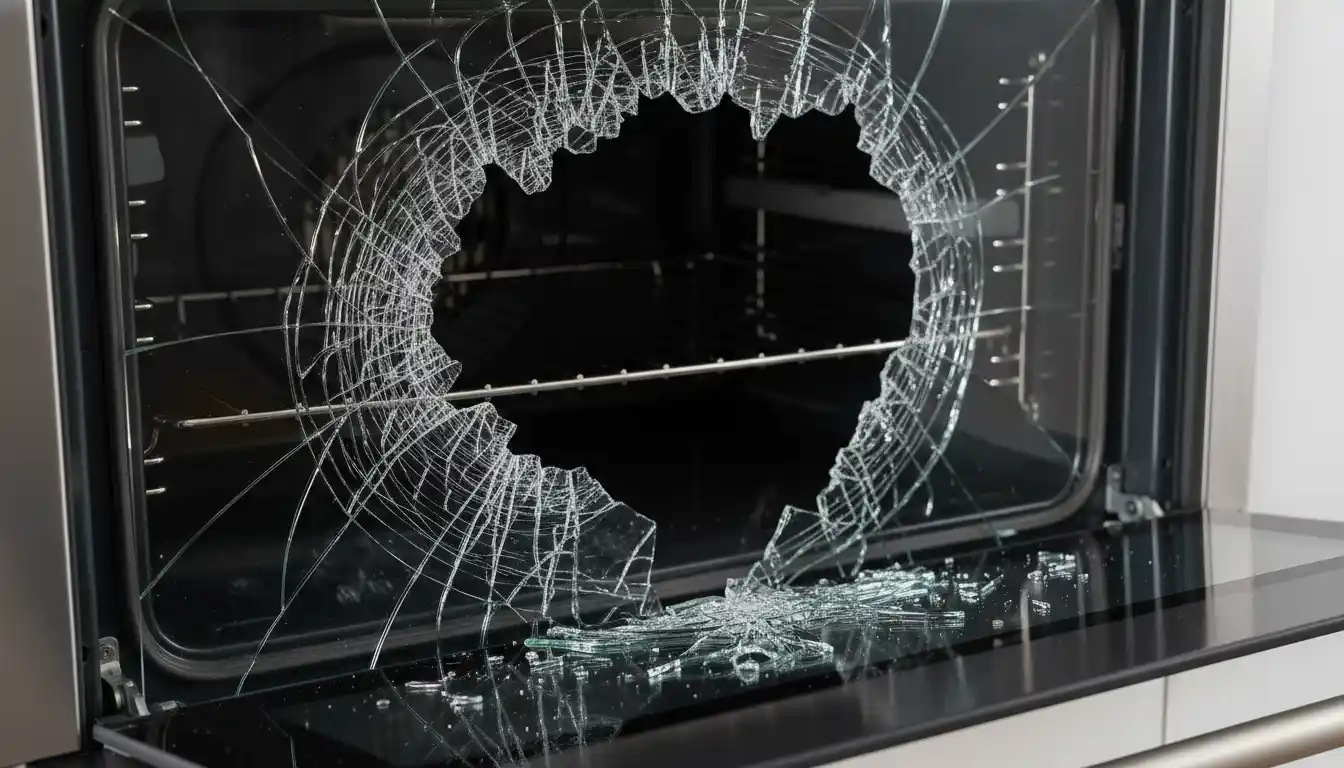
The sudden, loud pop of shattering glass is a startling sound no one wants to hear in their kitchen. When it comes from your trusted Bosch oven, it can be both shocking and confusing. You’re left staring at a web of cracks or a pile of glass pebbles, wondering what could have possibly gone wrong.
This experience, while alarming, is more common than you might think. Understanding the reasons behind a shattered inner oven door is the first step toward a safe and effective solution. This guide will walk you through the science of the failure, the immediate safety steps, and how to get your oven back in working order.
You'll Learn About
Why Did My Bosch Oven Glass Suddenly Explode? The Science Explained
The glass used in oven doors is not ordinary glass; it’s tempered safety glass. This type of glass is treated with extreme heat and rapid cooling during manufacturing, which puts the outer surfaces into compression and the inner core into tension. This process makes it four to five times stronger than standard glass and causes it to crumble into small, dull-edged pieces when it breaks, reducing the risk of injury.
However, several factors can compromise the integrity of this specialized glass, leading to what seems like a spontaneous explosion. The failure is rarely random; it’s usually the result of an underlying issue that has finally reached its breaking point.
Thermal Shock: The Most Common Culprit
The primary function of an oven is to generate high heat, and the inner glass door is on the front line of extreme temperature fluctuations. Thermal shock occurs when there is a rapid and significant change in the temperature of the glass. This sudden change causes different parts of the glass to expand or contract at different rates, creating immense stress that can overcome the glass’s tempered strength.
Common causes of thermal shock include splashing cold water on a hot inner glass door, placing a frozen dish directly against it, or even the oven’s own self-cleaning cycle, which operates at extremely high temperatures that can expose any weaknesses in the glass.
The Hidden Danger of Scratches and Micro-Fractures
The structural integrity of tempered glass lies in its flawless surface. Even a small, seemingly insignificant scratch or chip can disrupt the balanced tension within the glass. This damage creates a concentrated stress point, a tiny flaw from which a crack can eventually propagate.
Over time, the repeated cycle of heating and cooling puts continuous stress on this weak point. Eventually, a normal heat cycle can provide enough force for the glass to fail catastrophically. These initial damages often occur during cleaning with abrasive pads or from accidental impacts with heavy cookware.
Manufacturing Flaws and Inclusions
In rare instances, the cause of failure can be traced back to the manufacturing process itself. Microscopic impurities, such as nickel sulfide (NiS) inclusions, can sometimes be trapped within the glass during tempering. These inclusions can change in size and structure over time when exposed to heat.
This change creates an internal stress point that grows with each use of the oven. After many heating and cooling cycles, the stress can build to a level where the glass spontaneously shatters, even when the oven is not in use.
The Impact of Cleaning and Chemical Exposure
The way you clean your oven door can directly impact its lifespan. Harsh chemical oven cleaners and abrasive scouring pads can create microscopic scratches on the glass surface. While invisible to the naked eye, this damage accumulates over time, weakening the glass and making it more susceptible to failure from thermal stress.
It is crucial to use only manufacturer-recommended, non-abrasive cleaning agents and soft cloths to maintain the integrity of the inner glass panel.
Immediate Steps: What to Do Right After Your Oven Glass Shatters
Seeing your oven door in pieces can be overwhelming, but a calm and methodical approach is essential for safety. Do not attempt to use the oven. Your priority is to secure the area and clean up the glass safely to prevent any injuries.
Safety First! Securing the Area
The moment the glass breaks, your first action should be to ensure the safety of everyone in your home. Keep children and pets far away from the kitchen to prevent them from stepping on or touching the glass fragments. Put on a pair of sturdy, closed-toe shoes and heavy-duty work gloves before you begin to approach the oven.
Documenting the Damage for Warranty or Insurance
Before you clean up a single piece of glass, pull out your phone and take several clear pictures of the shattered door and the surrounding area. Document the scene from multiple angles. This evidence can be crucial if you plan to file a warranty claim with Bosch or an insurance claim, as it proves the state of the appliance immediately after the incident.
The Correct Way to Clean Up Tempered Glass
Tempered glass breaks into thousands of small, granular, cube-like pieces rather than long, sharp shards. While this is a safety feature, it can make cleanup a challenge. Start by carefully picking up the larger chunks and placing them in a sturdy cardboard box or a double-layered paper bag.
For the smaller, pebble-like pieces and glass dust, use a stiff-bristled brush and dustpan to sweep the area. Never use your bare hands to wipe the surface. Finally, use a powerful vacuum cleaner with a hose attachment to meticulously go over the floor, the oven cavity, and any nearby countertops to capture the finest particles of glass.
Replacing the Shattered Inner Glass: DIY vs. Professional Repair
Once the area is clean and safe, the next step is to replace the glass. This presents a choice: do you tackle the job yourself or call in a professional appliance technician? Both paths have their pros and cons, and the right choice depends on your skill level, budget, and timeline.
Assessing Your DIY Skills and Tools
Replacing the inner oven glass is often a manageable DIY project for someone with moderate mechanical aptitude. You will need basic tools like screwdrivers, a socket set, and potentially Torx bits. The most critical “tool,” however, is patience and the ability to follow instructions precisely.
Before you decide, it’s wise to search for a video tutorial specific to your Bosch oven model. Watching the process can give you a clear idea of the complexity involved and whether you feel comfortable undertaking the repair.
Sourcing the Correct Replacement Glass for Your Bosch Model
If you choose the DIY route, obtaining the correct part is paramount. Using a non-OEM or incorrect glass panel can be extremely dangerous. You must find your oven’s specific model number, which is usually located on a sticker or metal plate around the oven door frame or on the side of the door itself. Once you have this number, you can order a genuine replacement part directly from Bosch or a certified appliance parts dealer.
When to Call a Certified Technician
If you have any doubts about your ability to perform the repair safely and correctly, calling a professional is the best course of action. Oven doors can be surprisingly complex, with multiple layers of glass, seals, and hinges. A technician will have the right tools, experience, and access to the correct parts, ensuring the job is done right.
Furthermore, a professional repair often comes with a warranty on both the parts and the labor, providing valuable peace of mind. A proper installation is key to preventing future issues and ensuring your oven operates efficiently and safely.
| Factor | DIY Repair | Professional Service |
|---|---|---|
| Cost | Lower (cost of part only) | Higher (part cost + labor fees) |
| Time | Variable; depends on skill level and part availability | Typically faster; technician handles part sourcing and installation |
| Skill Level Required | Moderate mechanical skills and ability to follow instructions | None required from the homeowner |
| Warranty | Warranty on the part only, if any; no warranty on your labor | Often includes a warranty on both the part and the labor |
| Safety & Risk | Higher risk of incorrect installation, which could be hazardous | Lower risk; ensures proper fit, seal, and safe operation |
A Step-by-Step Guide to DIY Inner Oven Door Glass Replacement
This is a general guide to give you an idea of the process. You must consult the official user manual or a repair guide for your specific Bosch oven model before beginning. The procedure can vary significantly between different models.
Step 1: Disconnecting Power and Removing the Oven Door
First and foremost, disconnect the oven from its power source. For an electric oven, this means switching it off at the circuit breaker. For a gas oven, shut off the gas supply line. Once the appliance is fully powered down, open the oven door and engage the hinge locks, which are small levers on each hinge. This allows you to lift the door up and off its mounts.
Step 2: Disassembling the Door Assembly
Lay the door on a soft, protected surface, like a towel-covered table, with the inner side facing up. You will need to carefully remove the screws that hold the door assembly together. Keep track of all screws and parts as you disassemble the door frame to access the broken glass panel. Pay close attention to the order of any additional glass layers and seals.
Step 3: Installing the New Glass Panel
Carefully clean the inside of the door frame, removing any remaining glass fragments or dust. Unwrap the new glass panel, being careful not to scratch it. Place it into the door frame, ensuring it is seated correctly and that any gaskets or seals are properly aligned. A correct seal is vital for maintaining the oven’s temperature and efficiency.
Step 4: Reassembling and Reinstalling the Door
Working in reverse, reassemble the door frame, securing all the screws you previously removed. Do not overtighten the screws, as this can create stress points on the new glass. Once the door is back together, carefully align the hinges with the oven’s receivers and slide it back into place. Disengage the hinge locks, restore power and gas, and test the door to ensure it opens and closes smoothly.
Prevention is Better Than a Cure: Protecting Your New Oven Glass
Once you’ve replaced the glass, you’ll want to take every precaution to prevent it from happening again. Proper use and maintenance are key to the longevity of your oven’s inner glass door.
Mastering Oven Cleaning Without Damaging the Glass
Avoid the use of any abrasive materials like steel wool, scouring pads, or gritty cleaning pastes. Also, steer clear of harsh chemicals and oven cleaners on the glass itself unless they are explicitly approved by Bosch. The best method is to use a soft cloth with a mixture of warm water and mild dish soap or a vinegar solution. For tougher, baked-on food, use a plastic scraper or a specialized ceramic cooktop scraper held at a low angle.
Avoiding Thermal Shock: Best Practices for Cooking and Baking
Develop habits that protect the glass from sudden temperature changes. Never place cold or frozen cookware directly against the hot inner glass. Be mindful when adding water to a roasting pan, ensuring no cold liquid splashes onto the door. After using the self-clean feature, allow the oven to cool down completely and naturally before opening the door.
The Importance of Regular Inspection
Make inspecting the inner glass a part of your regular kitchen cleaning routine. Look closely for any new scratches, chips, or rough spots. Catching this type of minor damage early can alert you to a potential problem before it results in a complete failure. A critical, often overlooked, aspect of glass integrity is its uniform clarity; any haziness or distortion near the edges could indicate developing stress.
Maintaining your oven properly ensures it runs not just safely, but efficiently. A well-cared-for appliance contributes to a pleasant cooking experience, much like having the quietest convection oven can reduce noise pollution in your kitchen sanctuary.
Frequently Asked Questions About Shattered Oven Doors
It’s natural to have questions after such a surprising event. Here are answers to some of the most common queries from homeowners who have experienced a shattered oven door.
Is a shattered oven door covered by Bosch’s warranty?
Warranty coverage for shattered glass can be complex. It is typically covered if the failure is due to a verifiable manufacturing defect. However, if the breakage is determined to be from an impact, scratch, or improper use, it may not be covered. It is always best to contact Bosch customer service directly with your model and serial number to discuss your specific situation.
Can I still use my oven if only the inner glass is broken?
Absolutely not. The inner glass panel is a critical component for safety, heat regulation, and efficiency. Operating an oven without it can lead to dangerously high external door temperatures, posing a severe burn risk. It also means the oven will not be able to maintain its set temperature, leading to poor cooking results and wasted energy.
How much does it cost to replace Bosch oven glass?
The cost can vary widely based on your specific Bosch model and whether you choose to do it yourself or hire a professional. The replacement glass panel itself can range from $100 to over $300. If you hire a certified technician, you can expect to add $150 to $250 for labor costs.
Beyond the Oven: Ensuring Quality and Safety in Home Projects
An unexpected appliance failure reminds us of the importance of quality and proper maintenance throughout our home. Every component, from the kitchen to the backyard, requires attention to detail to ensure safety and longevity. This principle applies whether you are managing an appliance repair or a larger home improvement project.
Just as ensuring a safe gas line connection is critical for outdoor projects, maintaining your indoor appliances prevents unexpected hazards. These details matter in creating a seamless home environment, much like the challenge homeowners face when they discover they can’t match wood floors during a remodel. Careful planning and respect for the materials are key to a successful and safe home.
Conclusion: From Shattered Glass to Peace of Mind
A shattered Bosch inner oven door is a disruptive and stressful event, but it is a solvable problem. By understanding the underlying causes—thermal shock, physical damage, and manufacturing defects—you are better equipped to prevent it from happening again. The immediate priorities are always safety and thorough cleanup.
Whether you choose the path of a DIY repair or call on the expertise of a professional, you can restore your oven to perfect working order. With careful maintenance and mindful cooking habits, your new oven glass will provide a clear view of many delicious meals for years to come, turning a moment of shock into a lesson in home appliance care.
