
Bona Traffic HD Peeling? Stop a Flooring Disaster With This Guide
There are few things more disheartening for a homeowner than seeing the finish on their beautiful hardwood floors begin to peel. You invested in a top-tier product, Bona Traffic HD, known for its exceptional durability. Yet, you’re now facing flakes, bubbles, or sheets of finish lifting away from the wood. This frustrating problem can make even the most stunning floors look neglected and damaged.
The good news is that you are not alone, and the issue is almost always correctable. Peeling is not a random failure of the product itself, but a symptom of an underlying issue in the preparation or application process. This guide will walk you through the common causes of Bona Traffic HD peeling and provide a comprehensive plan to fix it for good.
You'll Learn About
The Heartbreak of a Peeling Finish: Why Is Your Bona Traffic HD Failing?
Understanding why a premium finish like Bona Traffic HD is peeling is the first step toward a permanent solution. Adhesion failure, which is the technical term for peeling, almost always comes down to a handful of critical, preventable mistakes. When the finish cannot create a strong bond with the surface below it, it’s only a matter of time before it begins to lift.
The Critical Sin: Inadequate Surface Preparation
The single most common cause of finish peeling is improper surface preparation. Bona Traffic HD requires a meticulously clean and properly abraded surface to create a powerful mechanical bond. If the surface isn’t prepared correctly, the finish is merely sitting on top of the floor rather than becoming a part of it.
This involves more than a quick sweep. The floor must be sanded correctly and be entirely free of dust. Using sanding grits that are too fine can burnish the wood, making it too smooth for the finish to grip effectively. For instance, sanding beyond a 150-grit screen on an unstained floor may polish the wood to a point where adhesion is compromised.
Contamination: The Invisible Enemy of Adhesion
Even a perfectly sanded floor can experience peeling if contaminants are present. These substances create an invisible barrier that prevents the finish from bonding to the wood or the previous coat. The most common culprits are cleaning products used prior to finishing.
Cleaners containing oils, waxes, or silicones are notorious for leaving behind residues that lead to adhesion failure. Products like Murphy’s Oil Soap, Orange Glo, or acrylic floor polishes can spell disaster for a new coat of finish. It’s crucial that the floor is stripped of any such products before the refinishing process begins.
Rushing the Process: Ignoring Dry and Cure Times
Patience is a virtue, especially in floor finishing. Applying a coat of finish before the stain or the previous coat of finish has adequately dried can trap solvents. These trapped solvents will slowly weaken the bond from below, eventually causing the top layers to peel.
It is vital to distinguish between “dry time” (dry to the touch) and “cure time” (fully hardened and chemically stable). While Bona Traffic HD dries in 2-3 hours, it’s essential to follow the manufacturer’s guidelines for recoating, especially when applying over stain, which may need 24 hours or more to cure depending on humidity and ventilation.
Incompatibility Issues: When Old Finishes Rebel
Applying a water-based finish like Bona Traffic HD over an old, unknown, or incompatible finish without proper steps can lead to widespread peeling. For example, applying it directly over an old oil-based polyurethane without completely removing the old finish or properly preparing the surface is a frequent cause of failure.
Prefinished factory floors with aluminum oxide coatings also present a challenge. These extremely hard surfaces require a very specific and thorough abrasion process to create a surface profile that the new finish can adhere to. Failure to do this correctly will almost certainly result in peeling.
The Ultimate Restoration Plan: How to Fix Peeling Bona Traffic HD
Once you’ve identified the likely cause of the peeling, it’s time to formulate a repair plan. Your approach will depend entirely on the extent of the problem. Is it a small, isolated spot, or is the peeling widespread across the floor?
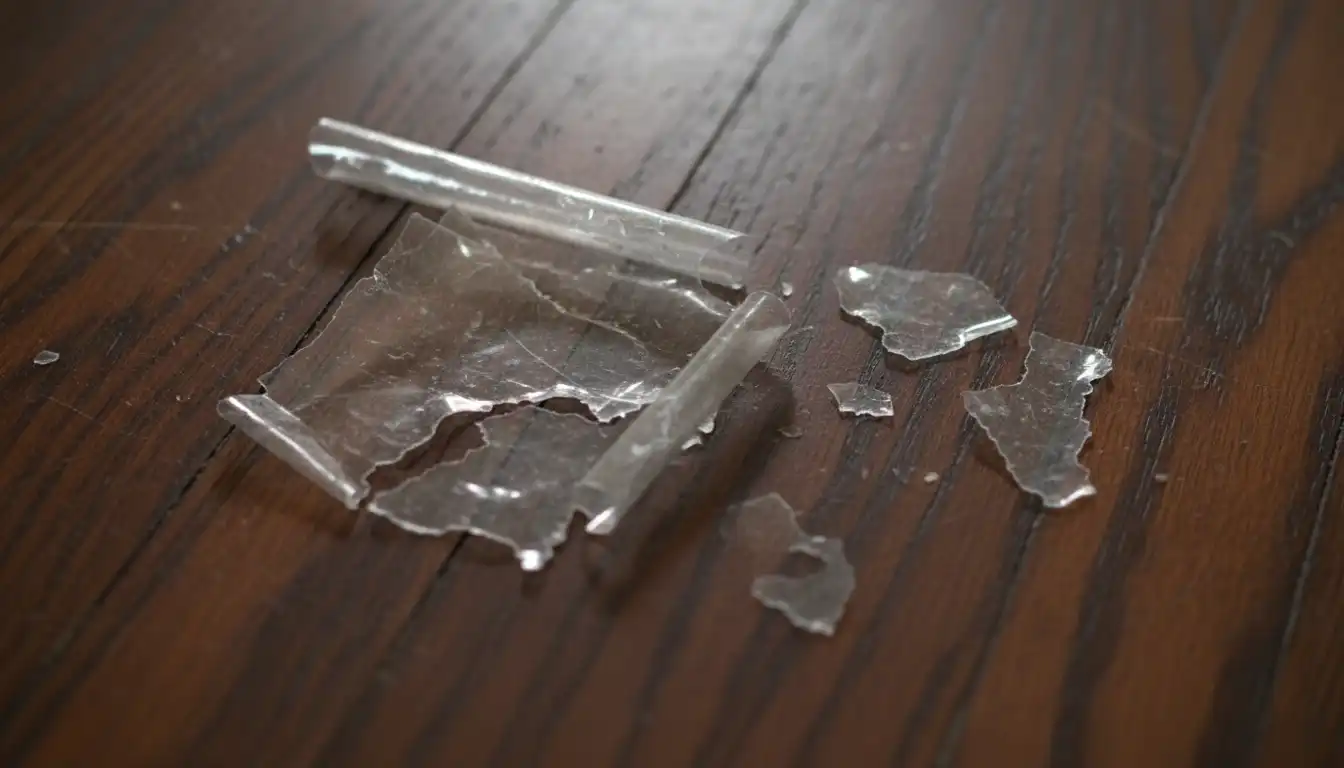
Step 1: Assess the Damage – Spot Repair or Full Refinish?
First, determine how widespread the adhesion failure is. If the peeling is confined to one or two small areas, a spot repair might be possible. However, localized peeling is often a sign of a systemic problem. A great way to check the adhesion in other areas is with the “tape test.”
Firmly press a piece of high-quality painter’s tape or duct tape onto a non-peeling area of the floor near the problem spot. Rub it down securely, then pull it off with a quick, sharp motion. If the tape pulls up more finish, it confirms a widespread adhesion problem, and a full refinish is the only reliable solution.
Step 2: The “Screen and Recoat” Method for Minor Peeling
For very minor, localized peeling where the tape test shows good adhesion nearby, a spot repair may be attempted. This is best left to a professional but can be done by a skilled DIYer. The process involves carefully sanding the affected area down to the raw wood, feathering the edges into the surrounding finish.
After a thorough cleaning to remove all dust, a compatible sealer and then new coats of Bona Traffic HD can be carefully applied to the spot, blending them into the existing finish. This method is meticulous and achieving a seamless look is difficult. Proper tool maintenance is key; a poorly functioning buffer can make the problem worse, a principle that applies whether you’re fixing a floor or figuring out why a snowblower pulls to one side.
Step 3: The Full Sand-Down: Starting from a Clean Slate
If the tape test fails or peeling is occurring in multiple areas, the only guaranteed solution is to sand the entire floor down to bare wood and start over. This removes all the failed finish, contaminants, and incompatible old coatings, providing a fresh surface for a new, lasting bond.
This is a significant undertaking that involves using a drum sander and edger to remove all old finish and stain. Once the floor is back to raw wood, you can proceed with the proper finishing schedule, ensuring every step is followed meticulously to prevent a recurrence of the problem.
The Pro’s Playbook: Preventing Bona Traffic HD Peeling from Day One
The best way to fix peeling is to prevent it from ever happening. Whether you are finishing a new floor or refinishing an old one, success lies in a disciplined and knowledgeable approach to preparation and application.
Mastering the Prep: Your Foundation for a Flawless Finish
A flawless finish begins with impeccable preparation. There are no shortcuts. Every step is critical to ensuring the finish can form a permanent bond with the wood. Just as you’d use specific products to protect high-end surfaces like Silestone Calacatta Gold, your floor requires a dedicated preparation system.
The following table outlines the essential prep steps for various scenarios. Following these guidelines is your best defense against peeling.
| Floor Condition | Key Preparation Steps | Critical Considerations |
|---|---|---|
| New, Unfinished Wood | 1. Sand according to NWFA guidelines. 2. Vacuum thoroughly between grits. 3. Final vacuum and tack with a dry microfiber cloth. |
Do not sand with grits finer than 150. Ensure all dust is removed from the grain of the wood. |
| Recoating Existing Water-Based Finish | 1. Clean thoroughly with a recommended hardwood cleaner. 2. Abrade (screen) the floor with a 180-240 grit screen. 3. Vacuum and tack meticulously to remove all dust. |
Ensure the existing finish is not contaminated with wax or oil-based cleaners. Test adhesion in a small area first. |
| Recoating Existing Oil-Based Finish | 1. A full sand-down to bare wood is highly recommended. 2. If screening, intense cleaning to remove contaminants is vital. 3. A sealer may be required to create a barrier between the oil and water-based coats. |
High risk of incompatibility and peeling. Proceed with extreme caution and professional guidance. |
| Prefinished (Aluminum Oxide) Floor | 1. Clean thoroughly. 2. Use a specialized abrasion system designed for factory finishes. 3. Apply a bonding agent or universal sealer recommended by the manufacturer. |
This is an advanced process. Standard screening is often insufficient for proper adhesion. |
Application Finesse: Techniques for a Perfect Bond
Proper application technique is just as important as preparation. Always follow Bona’s guidelines for coverage rates. Applying the finish too thinly can cause it to dry too quickly, leading to lap marks and a weak film. Applying it too thickly can lead to curing issues.
Pay close attention to environmental conditions. Ideal temperature is between 65-80°F with 40-60% humidity. Low humidity can cause the finish to dry too fast, while high humidity can significantly delay curing times.
Understanding the Chemistry: The Science of Adhesion
To truly prevent peeling, it helps to understand what’s happening at a microscopic level. Bona Traffic HD relies primarily on a mechanical bond to adhere to the floor. The abrasion process (sanding or screening) creates thousands of microscopic scratches on the surface. These tiny peaks and valleys give the finish a profile to “grip” onto.
When a surface is contaminated or too smooth, the finish can’t establish this physical grip. The success of any adhesive system is about creating the right conditions for a bond, a concept that’s universal whether you’re using floor finish or deciding on the best Gorilla Glue for mirrors. Without proper abrasion, you’re asking the finish to stick to a surface as smooth as glass, making peeling almost inevitable.
Frequently Asked Questions About Bona Traffic HD
Even with careful planning, questions can arise. Here are answers to some of the most common queries regarding Bona Traffic HD and peeling issues.
Can I apply Bona Traffic HD over an old, oil-based polyurethane?
While technically possible, it is a high-risk procedure. The oil-based finish must be in good condition and meticulously cleaned and abraded. A universal sealer is often recommended to act as a barrier and promote adhesion between the two different chemistries. However, the safest and most recommended method is to sand the floor to bare wood.
How long does Bona Traffic HD take to fully cure?
Bona Traffic HD is ready for light foot traffic in 24 hours. However, it takes approximately 3 days to reach its full cure and maximum hardness. It is critical to avoid placing rugs or heavy furniture on the floor during this 3-day curing period, as this can trap solvents and mar the finish.
What’s the best way to clean a floor finished with Bona Traffic HD to prevent issues?
Use a pH-neutral cleaner specifically designed for hardwood floors, such as Bona’s own cleaning products. Avoid using vinegar, ammonia, soap-based cleaners, wax, or steam mops. These can damage the finish over time, dull the sheen, and potentially leave residues that could interfere with future recoating.
