
Bona Intense Seal on White Oak: The Pro’s Secret to Rich Color
Achieving the perfect finish on white oak floors often feels like a choice between two compromises. You want the deep, rich, and warm aesthetic that traditional oil-based polyurethanes provide, but you dread the inevitable yellowing, the strong fumes, and the lengthy curing times that come with them.
On the other hand, many water-based finishes, while offering a clear and non-yellowing coat, can leave the wood looking pale, washed out, or lacking the depth that makes hardwood so desirable. This common dilemma leaves homeowners searching for a solution that delivers the best of both worlds. The goal is to find a finish that enhances the natural beauty of white oak with richness and warmth, all while providing the modern benefits of a low-odor, fast-drying, and color-stable water-based product.
You'll Learn About
Why White Oak Remains a Top Flooring Choice
White oak is a premier choice for hardwood flooring for good reason. Its remarkable durability and hardness make it resistant to dents and scratches, perfect for high-traffic areas and busy households. The wood features a beautiful, tight grain pattern that ranges from straight lines to subtle, sweeping flares, offering a versatile canvas for any design style.
This versatility allows white oak to seamlessly fit into aesthetics from rustic farmhouse to sleek, contemporary modern. Its light, neutral undertone makes it ideal for finishing, as it can be sealed to preserve its natural pale beauty or stained to achieve a wide spectrum of colors.
The Challenge: Achieving Depth Without the Drawbacks
The core problem in finishing white oak is achieving a look with depth and character without accepting the significant downsides of traditional materials. Oil-based finishes have long been the standard for a deep, amber glow, but this warmth comes at a cost. Over time, this ambering effect intensifies, turning beautiful, light-colored floors a distinct shade of yellow or orange.
Furthermore, oil-based products are high in volatile organic compounds (VOCs), which release strong, lingering odors and are less environmentally friendly. Conversely, standard water-based polyurethanes, while solving the yellowing and VOC issues, often fail to enrich the wood’s appearance, sometimes resulting in a finish that looks and feels like a plastic film rather than a natural part of the wood.
The Solution: What is Bona IntenseSeal and How Does It Work?
Bona IntenseSeal is a specially formulated waterborne sanding sealer designed to bridge this gap. It provides a vibrant, “wet look” that accentuates the natural grain and deepens the tone of white oak, closely mimicking the appearance of an oil-based finish. This effect is achieved without the use of oils that yellow over time, ensuring the color you see upon application remains true for years.
This product works by reacting with the natural properties of the wood to bring out its inherent color and character. It seals the wood to prevent the topcoat from soaking in unevenly, which provides a smooth, buildable foundation for the final protective layers. The result is a floor with enhanced depth and richness, combined with all the benefits of a water-based system: low VOCs, minimal odor, and a fast dry time of just two to three hours.
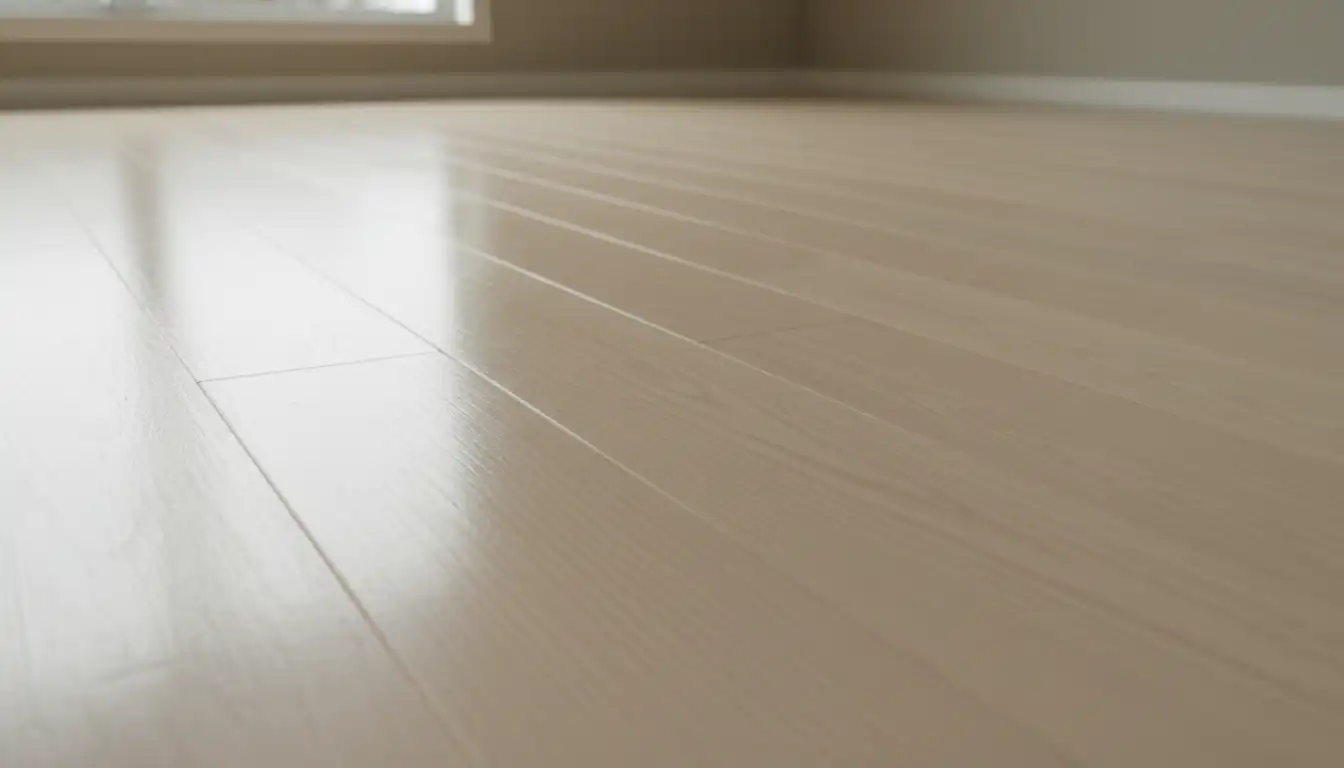
Bona IntenseSeal vs. Other Sealers: A Head-to-Head Comparison
Choosing the right sealer is crucial as it sets the foundational color and tone of your floors. Bona offers a range of sealers, each designed to achieve a different aesthetic. Understanding the differences is key to ensuring the final look matches your vision.
While IntenseSeal provides a rich, deep tone, those seeking to preserve the raw, natural look of the wood might find a better match with other options. For a detailed exploration of a sealer that minimizes color change, consider learning more about Bona ClassicSeal on white oak. This option is known for its clarity and ability to maintain the wood’s original hue.
| Sealer Name | Primary Effect on White Oak | Toning/Color Change | Builds Film? | Recommended Topcoats |
|---|---|---|---|---|
| Bona IntenseSeal | Deepens tone for a rich, oil-like “wet look.” | Moderate darkening and color enhancement. | Yes | Bona Traffic HD, Bona Mega ONE |
| Bona ClassicSeal | Provides a clear coat that slightly yellows for a traditional warm look. | Minimal color change with a slight amber tone. | Yes | Bona Traffic HD, Bona Mega ONE |
| Bona NaturalSeal | Preserves the raw, unfinished look of white oak. | Minimal change; contains white pigment to counteract darkening. | Yes | Bona Traffic HD, Bona Mega ONE |
| Bona NordicSeal | Creates a soft, Scandinavian whitewashed appearance. | Adds a distinct white pigment to the wood. | Yes | Bona Traffic HD, Bona Mega ONE |
Step-by-Step Guide: Applying Bona IntenseSeal on White Oak Floors
A flawless finish begins with meticulous preparation and application. Following the correct steps is not just recommended; it is essential for achieving a professional-quality result that is both beautiful and durable. Rushing any stage of the process can lead to imperfections that are difficult to fix later.
From sanding to the final topcoat, each action builds upon the last. A methodical approach ensures that the sealer and finish adhere correctly, providing an even, beautiful, and long-lasting surface that truly enhances your white oak floors.
Step 1: Preparation is Everything – Sanding and Cleaning
The foundation of a perfect finish is a perfectly prepared surface. Start by sanding the white oak floor, progressing through grits to achieve a smooth, uniform surface. For an unstained floor, a final pass with 120- to 150-grit sandpaper is recommended to reduce grain raise.
After sanding, it is crucial to remove all dust. Vacuum the entire area thoroughly, then tack the floor with a dry microfiber cloth to pick up any remaining fine particles. A clean, dust-free surface is non-negotiable for an even sealer application.
Step 2: The First Coat – Application Techniques
Before application, stir the Bona IntenseSeal thoroughly. Pour a 6-inch wide line of the sealer along your starting wall, following the direction of the wood grain. Using a T-bar applicator or a roller, spread the sealer evenly across the floor, maintaining a “wet edge” to prevent lap marks.
Do not spread the product too thin, as this can cause blotchiness and an uneven appearance. Aim for the recommended coverage rate of 450-600 square feet per gallon to ensure a consistent coat. Let the sealer dry for approximately 2-3 hours.
Step 3: Abrasion Between Coats – The Key to a Smooth Finish
While it is not always necessary to abrade Bona IntenseSeal if you apply your topcoat within 48 hours, doing so will yield the smoothest possible result. For the best outcome, lightly abrade the sealed surface using a conditioning pad with a fine-grit abrasive strip.
This step, known as intercoat abrasion, gently knocks down any raised grain, creating an ultra-smooth canvas for the topcoat. After abrading, vacuum and tack the floor once more to remove all dust from the process.
Step 4: Applying the Topcoat for Lasting Durability
A sealer is not a final finish; it requires a protective topcoat. Choose a high-quality water-based polyurethane, such as Bona Traffic HD for commercial-grade durability or Bona Mega ONE for residential use. Apply two coats of your chosen finish, following the manufacturer’s instructions for application and dry times.
Proper application of the topcoat will lock in the rich color created by the IntenseSeal and provide a durable wear layer that protects your white oak floors from scratches, spills, and daily traffic for years to come.
Common Mistakes to Avoid for a Perfect Finish
Even with the best products, application errors can compromise the final result. One of the most frequent issues is applying the sealer too thinly. This can lead to a blotchy or uneven appearance because the wood absorbs the limited product inconsistently.
Another common mistake is failing to maintain a wet edge during application, which results in visible lap marks where strokes have dried before being blended. Finally, inadequate cleaning between coats can trap dust and debris in the finish, creating a rough, gritty texture. Always vacuum and tack thoroughly after sanding or abrasion.
The “Unspoken” Factor: How Lighting Transforms Your IntenseSeal Finish
The final appearance of your Bona IntenseSeal finish is not determined by the product alone; it is a direct result of how light interacts with it. The type and direction of light in a room can dramatically alter how the color and sheen of your white oak floors are perceived. This crucial element is often overlooked in the decision-making process.
Natural sunlight will reveal the floor’s truest color, but its appearance will shift throughout the day. Morning light can cast a cooler, bluish tone, while the warm glow of evening light will enhance the rich, deep hues brought out by the IntenseSeal. Artificial lighting introduces even more variables. Warm-toned bulbs (around 2700K) can amplify the sealer’s golden notes, whereas cooler, whiter bulbs (4000K-5000K) will present a more neutral color. To avoid surprises, always test the sealer on a sample board and view it in the actual room at different times of day and under your specific artificial lighting before committing to the entire floor.
Long-Term Care and Maintenance for Your Sealed Floors
To keep your white oak floors looking their best, consistent and proper maintenance is essential. Regularly sweep or vacuum with a soft-bristle head to remove dirt and grit that can act like sandpaper on the finish. For cleaning, use a pH-neutral cleaner specifically designed for hardwood floors, such as Bona Hardwood Floor Cleaner.
Avoid using water and vinegar, soap-based cleaners, or steam mops, as these can damage the polyurethane finish. Place felt pads under all furniture legs and use area rugs or runners in high-traffic zones to prevent scratches. Proper home maintenance is a holistic endeavor; just as you protect your floors, you might find yourself needing to understand a medicine cabinet rough opening for a bathroom project or dealing with an exterior issue like when siding fell off the house. Consistent care across all areas of your home preserves its value and beauty.
Frequently Asked Questions (FAQ)
Does Bona IntenseSeal yellow over time?
No. Bona IntenseSeal is a water-based formula that is non-yellowing. It is designed to maintain its color and clarity over time, unlike oil-based finishes that are known to amber significantly.
Can I use just the sealer without a topcoat?
No, a sealer is not a substitute for a finish. Bona IntenseSeal must be protected with at least two coats of a durable polyurethane topcoat, like Bona Traffic HD, to provide the necessary wear resistance for a floor.
How many coats of IntenseSeal should I apply?
Typically, one coat of Bona IntenseSeal is sufficient to achieve the desired depth and color enhancement on white oak. Applying more than one coat is generally not necessary and may not significantly alter the appearance.
What is the dry time for Bona IntenseSeal?
Bona IntenseSeal dries in approximately 2-3 hours under normal conditions (65-80°F with 40-60% relative humidity). High humidity or low temperatures can extend the drying time.
Final Verdict: Is Bona IntenseSeal Right for Your White Oak Floors?
Bona IntenseSeal is an excellent choice for anyone who loves the rich, deep aesthetic of traditional oil-finished floors but wants the modern advantages of a water-based system. It masterfully solves the problem of pale, washed-out water-based finishes by adding significant depth and warmth to white oak.
This product is ideal for homeowners seeking a timeless, sophisticated look that highlights the natural beauty of the wood grain without the risk of yellowing. If your goal is to achieve a durable, low-odor, and environmentally conscious finish that delivers premium, oil-like character, Bona IntenseSeal is an outstanding solution.
