Bona Classic Seal vs Natural Seal: Don’t Choose Until You Read This
You’ve made an excellent choice by selecting premium Bona products for your hardwood floors. But now you face the final, critical decision that will define the entire look of your home: choosing the right sealer. The showdown between Bona ClassicSeal vs. NaturalSeal is a common dilemma for homeowners, and the choice you make will have a lasting impact on your floor’s appearance and ambiance.
This decision isn’t just about protection; it’s about defining the character of your space. Will you opt for a warm, traditional glow or a raw, contemporary look? Getting this wrong can lead to a finish that clashes with your decor or completely changes the color of your expensive wood in a way you didn’t expect.
You'll Learn About
Why a Sealer Is a Non-Negotiable First Step
Before diving into the comparison, it’s crucial to understand what a sealer does. A sealer is the foundational coat applied to bare, sanded wood. Its primary job is to “seal” the wood pores, preventing the topcoat of finish from soaking in unevenly. This creates a uniform surface, prevents unwanted reactions like tannin bleed, and provides a predictable canvas for the final protective layers.
Bona has established itself as a leader in water-based floor finishing systems, offering durable, low-VOC products that professionals trust. Both ClassicSeal and NaturalSeal are exceptional choices, but they are engineered to achieve two very different aesthetic goals.
Deep Dive: Understanding Bona ClassicSeal
Bona ClassicSeal is designed to impart a traditional, warm character to hardwood floors. It provides a subtle amber tone that enriches the wood’s natural color, giving it a timeless, inviting appearance. Think of it as the sealer that offers a gentle warmth, reminiscent of classic, oil-based finishes but without the harsh fumes and long drying times.
This sealer is particularly effective at giving wood a slightly “tanned” or blonde look. For a detailed exploration of how it performs on specific woods, the journey into Bona ClassicSeal on White Oak provides deeper insights into achieving a flawless, traditional finish. It’s an excellent choice for those who want to enhance the richness of their wood without drastically altering its color.
Deep Dive: Understanding Bona NaturalSeal
Bona NaturalSeal is engineered for the exact opposite effect. Its formula contains a small amount of white pigment designed to counteract the “wet look” that typically darkens wood when a finish is applied. The goal is to preserve the look of raw, freshly sanded wood as much as possible, creating a light, airy, and modern aesthetic.
This sealer is the go-to for homeowners who love the unaltered, natural beauty of their wood and want to maintain that Scandinavian-inspired or minimalist feel. It provides a high degree of protection while making it look like there’s almost nothing on the floor at all.
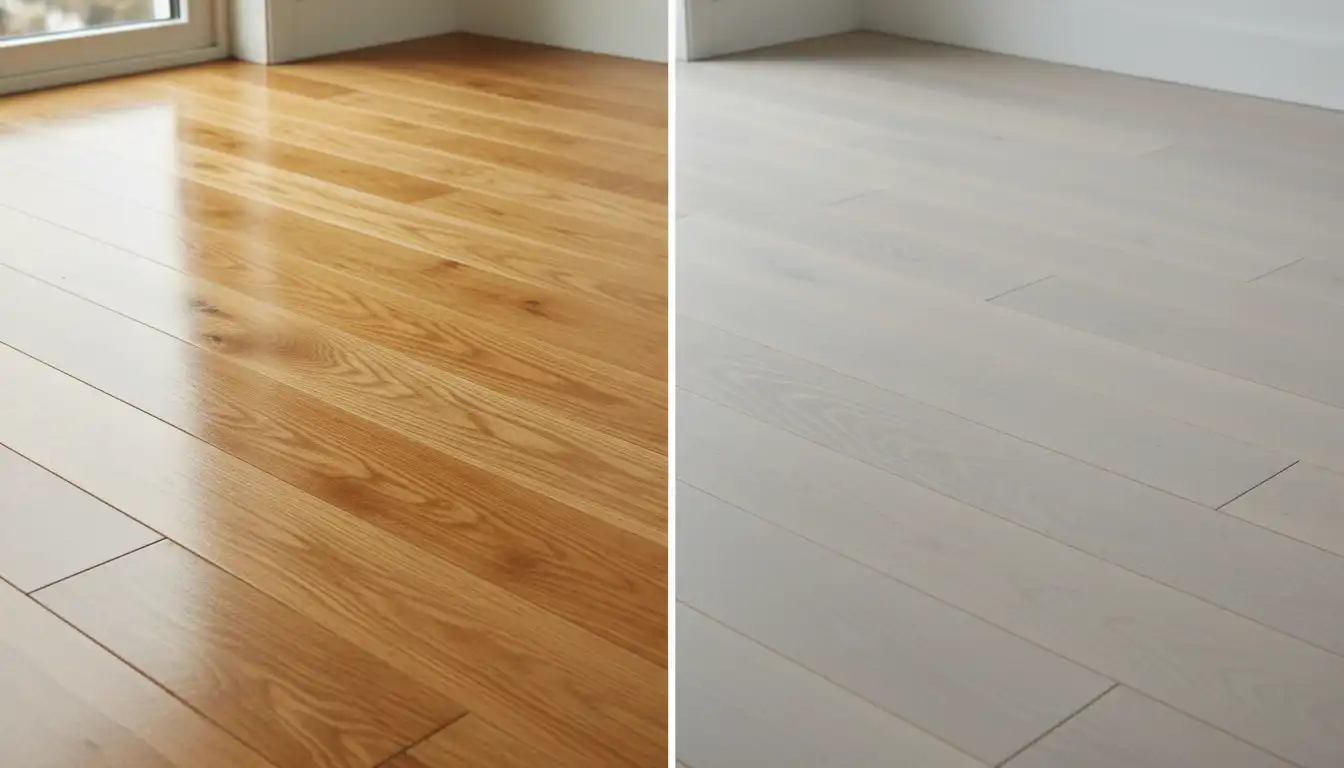
ClassicSeal vs. NaturalSeal: A Direct Comparison
Choosing between these two comes down to the final look you want to achieve. Each sealer interacts with wood differently, and understanding these nuances is key to making the right decision for your home and garden aesthetic.
To simplify the choice, here is a direct, head-to-head comparison of their core attributes and ideal use cases. This breakdown will help you visualize how each sealer will influence the final look and feel of your living space.
| Feature | Bona ClassicSeal | Bona NaturalSeal |
|---|---|---|
| Final Appearance | Provides a warm, light amber/blonde tone. | Preserves the raw, “unfinished” look of natural wood. |
| Color Change | Slightly deepens and enriches the wood’s natural color. | Minimizes color change and yellowing. |
| Aesthetic Vibe | Traditional, classic, warm, and cozy. | Modern, contemporary, Scandinavian, and airy. |
| Contains Pigment? | No, it’s a clear sealer that ambers slightly. | Yes, contains a small amount of white pigment. |
| Best For | Red Oak, Antique Pine, Fir, or achieving an oil-like warmth. | White Oak, Maple, Ash, or any light-colored wood. |
| Tannin Blocking | Excellent at minimizing tannin discoloration. | Excellent at preventing tannin pull, which can cause yellowing. |
The Most Overlooked Factor: Your Wood Species
The single most important aspect that many guides overlook is how these sealers perform on different species of wood. A sealer that looks stunning on White Oak might produce a disappointing result on Red Oak. This is where expertise truly matters.
Performance on White Oak
On White Oak, Bona NaturalSeal is often the preferred choice. It beautifully preserves the light, neutral tones of the wood, preventing the yellowing that can occur with other finishes. If you spent extra on White Oak for its clean, modern look, NaturalSeal is your best bet to maintain it. ClassicSeal, in contrast, will give White Oak a noticeable warm, yellow hue, which may not be the desired effect for a contemporary design. For those considering a darker look altogether, understanding the base canvas is crucial before even thinking about staining white oak dark.
Performance on Red Oak
For Red Oak, Bona ClassicSeal truly shines. It enhances the wood’s natural warmth and richness, complementing its inherent reddish undertones to create a classic, inviting floor. Using NaturalSeal on Red Oak can sometimes result in a washed-out or slightly pinkish appearance because the white pigment doesn’t always fully neutralize the red tones, leading to an inconsistent finish.
Performance on Maple and Other Light Woods
With very light woods like Maple or Ash, Bona NaturalSeal is almost always the winner. These woods are chosen for their creamy, bright appearance, and ClassicSeal’s ambering effect can make them look yellow and dated. NaturalSeal protects the wood while keeping it looking as close to its raw state as possible.
Application and Durability: What You Need to Know
Both ClassicSeal and NaturalSeal are water-based and designed for easy application. However, there are nuances. Because NaturalSeal contains pigment, an even application is absolutely critical to avoid a blotchy or streaky appearance. An inconsistent application can leave some areas looking whiter or more opaque than others. Many DIYers find ClassicSeal more forgiving since it doesn’t contain pigment.
It is vital to remember that the sealer is not the primary source of durability—that’s the job of the topcoat. Both sealers are designed to be used under a Bona finish, like Bona Traffic HD. The sealer’s role is purely aesthetic and foundational, creating the perfect base for the ultra-durable topcoats that will protect your floor from scratches and wear.
The #1 Mistake to Avoid: Skipping the Sample Test
The most catastrophic error you can make is choosing a sealer based on photos online and applying it to your entire floor without testing. Always, always test the sealers on a spare plank of your actual flooring or in an inconspicuous area like a closet. Apply both the sealer and the final topcoat to see the true final color.
Observe the samples in different lighting conditions—natural daylight, artificial evening light—to ensure you love the result. This small step prevents costly and heartbreaking mistakes, ensuring the vision for your home is perfectly realized. Your design choices elsewhere, such as pairing a marble backsplash with quartz countertop, rely on getting the foundational elements like flooring right.
The Final Verdict: Which Bona Sealer Is Right for You?
The choice between Bona ClassicSeal and NaturalSeal is a personal one that depends entirely on your design goals and the type of wood you have. There is no universally “better” option, only the one that is right for your project.
Choose Bona ClassicSeal if:
- You desire a warm, traditional, and cozy aesthetic.
- You want to enhance the richness of woods like Red Oak or antique floors.
- You are looking for a finish that provides a timeless, slightly amber glow.
Choose Bona NaturalSeal if:
- You want a modern, raw, and natural wood look.
- You have light-colored wood like White Oak or Maple and want to prevent yellowing.
- You are aiming for a contemporary or Scandinavian design that celebrates the wood’s unaltered beauty.
By understanding the fundamental differences and, most importantly, testing them on your specific wood, you can move forward with confidence. You’re now equipped to make an informed decision that will result in beautiful, perfectly finished hardwood floors that you’ll love for years to come.
Frequently Asked questions
What is the main difference between Bona ClassicSeal and NaturalSeal?
Bona ClassicSeal is an exceptionally clear waterborne sealer that provides a neutral, slightly blonde look to highlight the natural color of the wood. In contrast, Bona NaturalSeal is formulated with a small amount of white pigment to preserve the appearance of raw, unfinished wood.
Which sealer should I choose for a raw, natural wood look?
Bona NaturalSeal is specifically designed to retain the look of unfinished wood. Its formula includes white pigment that helps maintain a pure, freshly sanded appearance.
Does Bona ClassicSeal alter the wood’s natural color?
Bona ClassicSeal is a clear sealer intended to highlight the true color of the wood without significantly changing it. It provides a slightly opaque, blonde tone and minimizes issues like tannin bleed, especially on white oak.
Will these sealers prevent the wood from turning yellow?
Both ClassicSeal and NaturalSeal are waterborne sealers. Unlike oil-modified products, they are formulated to remain clear and not yellow or darken with age, with ClassicSeal providing a clear finish and NaturalSeal a raw, untreated look.
Can I use Bona ClassicSeal or NaturalSeal on red oak floors?
Yes, both products can be used on red oak to achieve different effects. NaturalSeal can give red oak a natural look with a slight touch of warmth. ClassicSeal brings out a light and natural beauty in red oak, allowing some of the wood’s character to show through.