
Body Spray Shower Systems: Unbiased Reviews for a Spa at Home
The daily shower is often a rushed routine, a purely functional part of the day. Yet, many homeowners dream of transforming this mundane task into a moment of luxury and relaxation—a private spa-like escape. This is where body spray shower systems enter the picture, promising a hydrotherapy experience that can soothe muscles and wash away stress.
However, the path to this idyllic bathroom upgrade is often clouded with confusion. With a dizzying array of options, complex installation requirements, and concerns about water usage, it’s easy to feel overwhelmed. Are these systems a worthwhile investment for your home and garden, or just a flashy trend with hidden headaches?
You'll Learn About
What Exactly Are Body Spray Shower Systems?
At its core, a body spray system is a shower setup that includes multiple jets mounted on the shower walls, in addition to the traditional overhead showerhead. These jets deliver targeted streams of water to different parts of the body, creating an immersive, full-body washing experience. They generally come in two main configurations, each with distinct advantages.
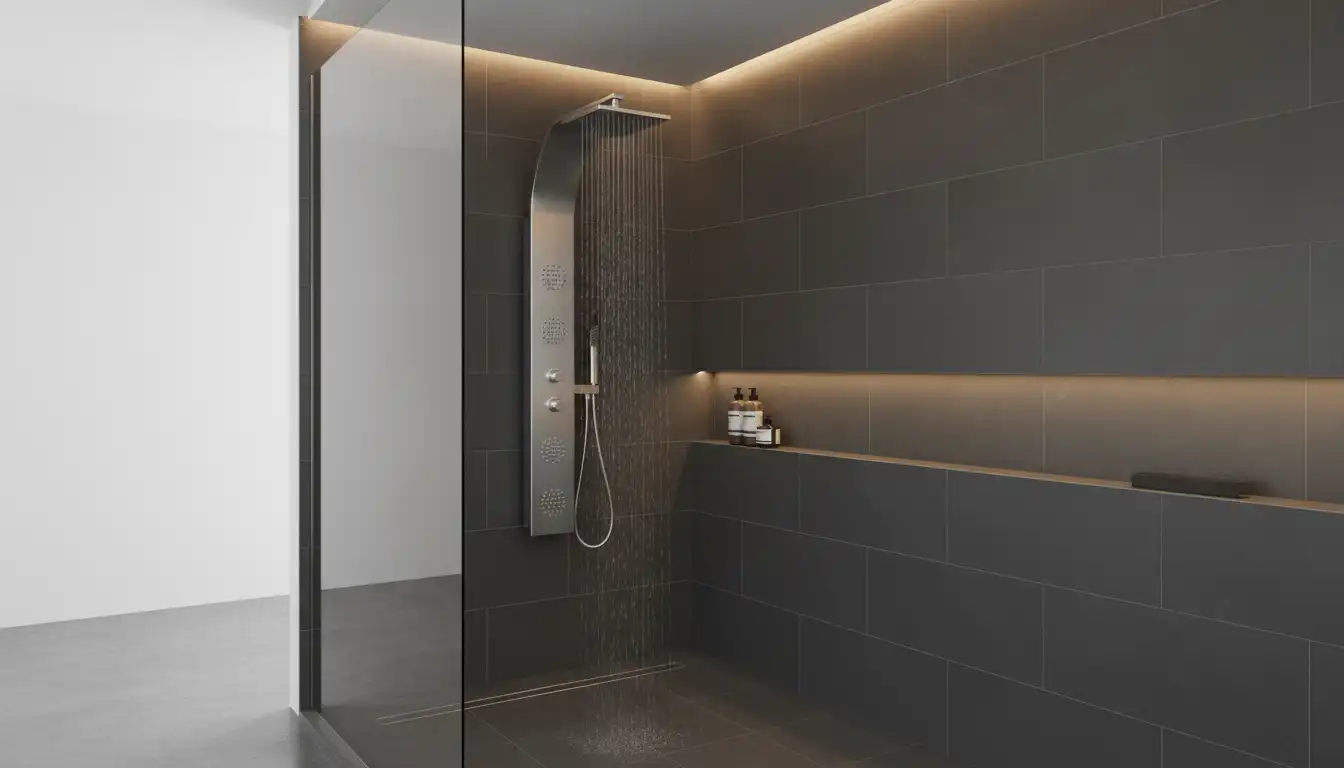
The All-in-One Shower Panel Tower
A shower panel, or tower, is a single, self-contained unit that mounts to the shower wall. It typically includes an overhead rainfall showerhead, a handheld wand, and several body jets integrated into the panel. This design simplifies installation, as it usually connects to your existing plumbing with less need for extensive wall modifications.
Pros of shower panels are their streamlined installation and often lower upfront cost. They provide a cohesive, modern look and bundle multiple features into one package. However, customization is limited; the jet placement is fixed, which may not be ideal for every user’s height and preferences.
The Custom-Placed Individual Body Jets
For a truly tailored experience, individual body jets are plumbed directly into the shower walls. This approach allows you to decide the exact number, placement, and type of jets. You can position them to target specific muscle groups, such as the upper back, lower back, and thighs, for a personalized hydro-massage.
The primary benefit here is ultimate customization. However, this flexibility comes with a more complex and costly installation process. It requires significant plumbing work behind the walls and is best suited for new builds or major bathroom renovations where the walls are already open.
The Hidden Requirements No One Talks About
Before falling in love with the idea of a multi-jet shower, it’s crucial to understand the demands these systems place on your home’s infrastructure. Failing to account for these factors is the number one reason homeowners are disappointed with their system’s performance. Many find their water pressure underwhelming or their hot water running out mid-shower.
Can Your Water Heater Keep Up?
A standard showerhead uses about 2.1 to 2.5 gallons per minute (GPM). Now, add four body jets that each use 1.0 to 1.5 GPM. Suddenly, your shower could be demanding 6 to 8 GPM or more. Your water heater is the unsung hero that must meet this demand.
A standard tank-style water heater may be quickly depleted, leaving you with a lukewarm or cold shower. For these high-demand systems, a large-capacity tank heater (75 gallons or more) or, ideally, a tankless water heater is strongly recommended. A tankless unit heats water on demand, ensuring you don’t run out, provided it has a high enough GPM rating to service all the jets simultaneously.
The Critical Role of Shower Valves
The valve is the brain of your shower system. For a multi-outlet setup, a standard pressure-balance valve is often insufficient. A thermostatic valve is essential for both performance and safety.
A thermostatic valve allows you to set a precise water temperature and maintains it, even when other fixtures are used in the house. More importantly, it can handle the high water volume required to power multiple jets at once without a drop in pressure or a sudden temperature spike. This valve is a non-negotiable component for a properly functioning body spray system.
Plumbing: The Foundation of Performance
The performance of your body jets is directly tied to the plumbing behind the wall. Most homes use 1/2-inch pipes for plumbing. While this is adequate for a single showerhead, it can create a bottleneck for a system with multiple sprays, resulting in weak pressure.
To ensure robust flow to all outlets, plumbers often recommend running a dedicated 3/4-inch supply line to the shower valve. Furthermore, for systems with four or more jets, installing a “pressure-balancing loop”—a continuous circuit of pipe that feeds all the jets equally—is critical. This prevents the top jets from having weaker pressure than the bottom ones.
Body Spray Shower Systems: A Feature-by-Feature Review
Choosing the right system involves balancing aesthetics, functionality, and budget. The materials, jet count, and valve type are all key considerations. This table breaks down the common features to help guide your decision.
| Feature | Shower Panel / Tower | Custom Individual Jets | Key Consideration |
|---|---|---|---|
| Installation | Easier; often surface-mounted and connects to existing plumbing. | Complex; requires extensive behind-the-wall plumbing. | Panels are better for retrofitting, while jets are for major remodels. |
| Material | Stainless Steel, Aluminum, Tempered Glass. | Solid Brass, Stainless Steel, ABS Plastic. | Solid brass offers the best durability and longevity for jets. |
| Average Jet Count | 2 to 6, fixed placement. | 2 to 8+, fully customizable placement. | Jet placement should be tailored to the heights of the primary users. |
| Valve Requirement | Often includes a built-in thermostatic or diverter valve. | Requires a separate high-flow thermostatic valve purchase. | Ensure the valve’s GPM rating exceeds the system’s total GPM demand. |
| Total Water Usage (GPM) | 4.0 – 7.0 GPM (combined). | 5.0 – 10.0+ GPM (combined). | Verify compatibility with your water heater’s capacity. |
| Estimated Cost (System Only) | $300 – $1,500 | $800 – $3,000+ (includes jets and required valve). | Installation costs for custom jets can easily equal or exceed the parts cost. |
Installation: The Make-or-Break Step
While some shower panels are marketed as DIY-friendly, professional installation is strongly recommended for any body spray system. A licensed plumber will ensure that the water supply lines are adequate, the valve is installed correctly, and all connections are waterproofed to prevent catastrophic leaks behind the wall.
A major renovation that includes a body spray system is the perfect opportunity to rethink the entire shower space. This could be the ideal time to consider extending your shower for a more open and luxurious feel. A larger enclosure prevents the space from feeling cramped by the powerful sprays and enhances the overall spa-like atmosphere.
Long-Term Care: Keeping Your Spa Shower Pristine
To maintain peak performance, body jets require regular cleaning, especially in areas with hard water. Mineral deposits can clog the small nozzles, leading to weak or uneven spray patterns. Most modern jets feature silicone or rubber nozzles that can be easily cleaned by simply rubbing them with a finger or a soft cloth.
For a deeper clean, soaking the jet faces in a solution of equal parts white vinegar and water can dissolve stubborn buildup. To further simplify maintenance in your spa-like shower, consider a treatment for your glass enclosure. High-quality coatings, which you can learn about in reviews of Diamond Fusion glass coatings, create a surface that repels water and minerals, drastically reducing cleaning time.
Frequently Asked Questions
What are the benefits of a body spray shower system?
Body spray shower systems offer a spa-like experience, providing a full-body cleansing with multiple jets. The targeted water streams can offer therapeutic benefits like muscle relaxation and improved circulation. Many systems allow for customizable water pressure and direction for a personalized shower.
Do body spray shower systems use more water?
While it may seem like they would, many modern body spray systems are designed to be water-efficient. However, running multiple jets at once can increase water consumption compared to a standard showerhead. Choosing a system with water-saving features can help mitigate this.
What are the plumbing requirements for a body spray system?
These systems often require more complex plumbing than a standard shower, including the potential need for a pressure-balancing loop to ensure equal water flow to all jets. It’s also important to ensure your home’s water pressure is adequate, with a recommended PSI of at least 45, though 80 is optimal for the best experience. Professional installation is often recommended to avoid issues with pressure and temperature.
How many body sprays should I get?
The number of body sprays you need depends on the size of your shower and your personal preferences. A common setup includes three or four jets vertically aligned to target the shoulders, back, and legs. Keep in mind that having too many jets could potentially reduce the overall water pressure.
How do I clean the body spray jets?
To prevent mineral buildup and clogging, regular cleaning is essential. You can clean the nozzles by gently rubbing them or using a soft brush. For a deeper clean, you can soak the jets in a solution of water and white vinegar.
The Final Verdict: Is a Body Spray System Right for You?
A body spray shower system can transform a daily chore into a therapeutic ritual. The massaging jets can relieve muscle tension, improve circulation, and provide a level of relaxation that a standard showerhead simply cannot match. It’s an investment in your home’s comfort and your personal well-being.
However, this touch of luxury is best suited for homeowners who are prepared for the associated requirements. This includes having a robust plumbing and water heating system and being willing to invest in professional installation. When planned correctly, it perfectly complements other high-end bathroom features, such as a flawless curbless shower transition, to create a truly seamless and modern wet room.
Ultimately, if you view your home and garden as a sanctuary and are planning a bathroom renovation, a well-implemented body spray system is an upgrade that delivers tangible daily benefits, turning your bathroom into the ultimate home escape
