
The Truth About Blueberry Sand: Your Ultimate Guide to Perfect Soil
Are your blueberry bushes failing to thrive? Many gardeners face the frustrating problem of stunted plants, yellowing leaves, and a disappointing lack of fruit, despite their best efforts. You’ve heard that blueberries need acidic soil, but the path to creating that perfect environment is often confusing, leaving you wondering if you’re missing a secret ingredient.
The term “blueberry sand” often emerges in discussions about ideal soil, creating more questions than answers. This isn’t a specific product you can buy, but rather a concept that hints at the native, well-draining, and acidic conditions where wild blueberries flourish. The core issue isn’t just about adding sand; it’s about fundamentally misunderstanding the unique and demanding needs of a blueberry plant’s root system.
You'll Learn About
Why Standard Garden Soil Is the Enemy of Blueberries
Blueberry plants are unlike most other residents of your garden. Their shallow, fibrous root systems lack the fine root hairs that other plants use to absorb nutrients. Instead, they form a symbiotic relationship with mycorrhizal fungi, which help them draw nutrients from the soil. This delicate system can only thrive in a very specific environment that your average garden soil simply cannot provide.
Most backyard soil has a pH that is too high (alkaline) for blueberries, which require a highly acidic environment with a pH between 4.5 and 5.5. In alkaline conditions, blueberries are unable to absorb essential nutrients like iron, leading to a condition called iron chlorosis, characterized by yellow leaves with green veins. Furthermore, typical garden soil, especially if it’s heavy in clay, retains too much water and lacks the aeration necessary for these sensitive roots, leading to root rot and eventual plant death.
The “Blueberry Sand” Misconception Debunked
The idea of adding sand to improve blueberry soil comes from a good place—the need for excellent drainage. Wild blueberries often grow in sandy loam soils. However, simply dumping any type of sand into your heavy clay soil is a recipe for disaster. This common mistake can create a concrete-like substance that further compacts the soil, worsening both drainage and aeration.
The solution is not just about one ingredient but about creating a completely new, specialized growing medium that mimics their natural habitat. Forget trying to heavily amend your existing soil in a small planting hole. To truly succeed, you must build a dedicated bed or use large containers filled with a precise blend of acidic, organic materials where sand plays a specific, calculated role.
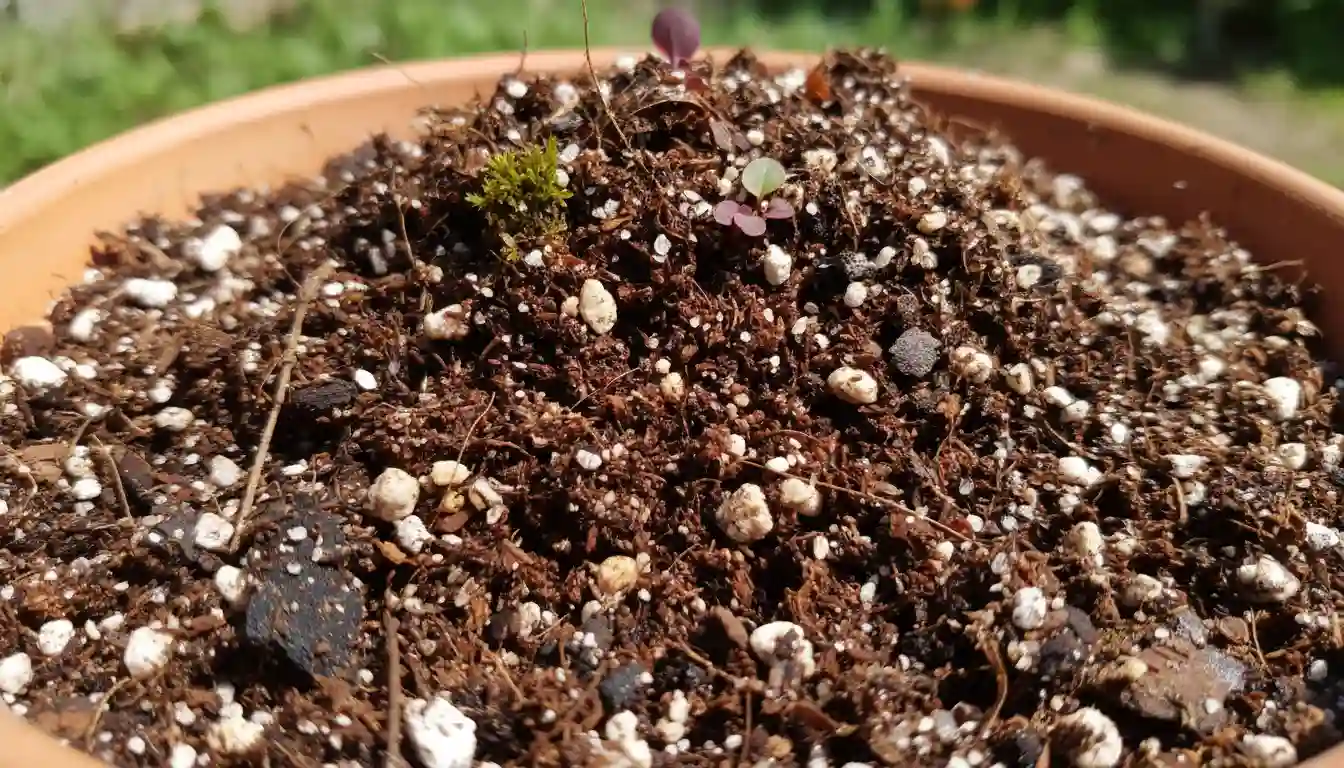
Crafting the Ultimate Blueberry Soil Blend: A Step-by-Step Guide
To give your blueberries the best chance at a long and productive life, the most effective strategy is to create a raised bed or use a large container (at least 24 inches in diameter). This allows you to have complete control over the growing medium. The goal is to create a mix that is acidic, rich in organic matter, moisture-retentive, and exceptionally well-draining.
This isn’t just about mixing ingredients; it’s about understanding the function of each component. Each element serves a distinct purpose in building a sustainable and thriving environment for the plant’s unique root structure. Proper soil preparation is the single most important factor for success.
The Core Components of Your Perfect Mix
Your ideal blueberry soil will be a blend of several key ingredients. The most widely successful recipes use a combination of acidic organic matter for structure, moisture retention, and pH control, with a mineral component for aeration. Here is the breakdown of the “golden ratio” for blueberry soil:
1. Sphagnum Peat Moss (40-50% of the mix): This is the cornerstone of any acidic soil blend. Sphagnum peat moss has a naturally low pH (around 3.0 to 4.5) and is excellent at retaining moisture, which the shallow roots of blueberries need to prevent drying out. Always pre-moisten peat moss before mixing, as dry peat can be hydrophobic and difficult to wet.
2. Pine Bark Fines (30-40% of the mix): Not to be confused with large bark nuggets used for mulch, pine bark fines are small, shredded pieces of pine bark. They provide excellent structure to the soil, creating air pockets that are crucial for root health and preventing compaction. Like peat moss, pine bark is naturally acidic and breaks down slowly, contributing to the long-term health of the soil.
3. The Right Kind of Sand (10-20% of the mix): Here is where the “blueberry sand” concept is correctly applied. The goal is to improve drainage and provide mineral content without negatively impacting pH. It is critical to use coarse, mineral-based sand. Avoid play sand, which has fine, rounded particles that can compact, and never use sand with limestone or seashell fragments, as this will raise the pH. The best choices are horticultural sand, builder’s sand (coarse), or even crushed granite, which ensure large pore spaces for water and air to move freely.
4. Composted Organic Matter (Optional 10%): While not strictly necessary if you plan to fertilize, adding a small amount of well-rotted, acidic compost (like that made from oak leaves or pine needles) can introduce beneficial microbes. Be cautious, as many general-purpose composts can have a neutral or alkaline pH, which would counteract your efforts. If in doubt, it is safer to omit this and rely on an appropriate fertilizer.
Step-by-Step Mixing and Planting Instructions
First, choose your location, ensuring it receives at least 6-8 hours of direct sunlight per day. If you’re building a raised bed, a height of 8-12 inches is sufficient for the shallow root system. For containers, ensure they have ample drainage holes. Sometimes, projects around the house require careful planning, like when you need to reroute dryer vent_gem1, and the same principle of planning ahead applies to your garden beds.
Next, in a wheelbarrow or on a large tarp, combine your chosen ingredients. Start with the pre-moistened peat moss and pine bark fines, mixing them thoroughly. Then, incorporate the coarse sand until it is evenly distributed. This process ensures a uniform growing medium without pockets of any single material.
When planting, gently tease apart the roots of your blueberry plant, especially if it is pot-bound. Place it in the hole so that the top of the root ball is slightly above the surrounding soil level. Backfill with your custom mix and water thoroughly. Applying a 2-3 inch layer of mulch, such as pine needles or wood chips, will help retain moisture and suppress weeds.
Choosing the Right Sand: A Deeper Dive
The type of sand you choose is more important than many guides suggest. The wrong sand can sabotage your efforts by introducing alkaline substances or by compacting over time. The key differences lie in particle size and composition.
Play sand, for instance, is often made of quartz but its particles are very fine and uniform. When mixed with organic matter, it can fill in air pockets, reducing drainage. Builder’s sand is coarser, but you must verify its source to ensure it is free from limestone particles. The safest and most effective option is horticultural sand, which is specifically washed and graded for gardening applications to provide optimal aeration without compaction. This attention to detail, much like knowing when to stop applying sealant if you cut caulk tube too big_gem1, prevents small mistakes from causing bigger problems later on.
The Role of Minerals in Sand
Beyond drainage, the mineral composition of sand can offer subtle, long-term benefits. Sands derived from granite or silica are inert and will not alter the pH of your soil. Greensand, another option, is a naturally occurring mineral (glauconite) that provides a slow-release source of potassium and trace minerals. While not a primary component, a small addition of greensand to your mix can enhance the overall nutrient profile of your custom soil blend.
Maintaining Your Perfect Blueberry Soil for the Long Haul
Creating the perfect soil is the first step, but maintaining it is crucial for sustained success. The acidic nature of your custom blend will naturally diminish over time, especially if you use alkaline tap water for irrigation. Regular maintenance is key to keeping your plants healthy year after year.
It is wise to test the soil pH annually using a simple home test kit. This will allow you to make minor adjustments before any problems arise. If the pH starts to creep above 5.5, you can apply an acidifying agent. Elemental sulfur is the most common and effective option for established plantings. Apply it to the soil surface around the plant’s dripline in the spring or fall, following the package directions carefully. Avoid using aluminum sulfate, as it can lead to aluminum toxicity in the soil.
Fertilizing and Watering Best Practices
Blueberries are sensitive to fertilizers, so it’s important to use the right kind and apply it sparingly. Use a fertilizer specifically formulated for acid-loving plants, such as those for azaleas or rhododendrons. These contain nitrogen in the form of ammonium sulfate, which helps maintain soil acidity. Apply fertilizer once in early spring as new growth appears and potentially a second time after fruiting is complete.
Consistent moisture is vital. The shallow root systems can dry out quickly, so never let the soil become completely dry. Drip irrigation or soaker hoses are excellent methods for providing deep, consistent watering without wetting the foliage, which can help prevent fungal diseases. Rainwater is the best choice for watering, as it is naturally slightly acidic and free of the minerals found in tap water that can raise soil pH over time.
| Soil Amendment | Primary Function | Impact on pH | Notes |
|---|---|---|---|
| Sphagnum Peat Moss | Moisture Retention, Acidity | Lowers | Essential component. Must be pre-moistened before use. |
| Pine Bark Fines | Structure, Aeration, Acidity | Lowers | Provides long-lasting structure and prevents compaction. |
| Coarse Sand / Horticultural Sand | Drainage, Aeration | Neutral | Crucial for preventing root rot. Avoid fine sand or sand with limestone. |
| Compost (Acidic) | Nutrients, Microbial Life | Slightly Lowers or Neutral | Use with caution; ensure it’s from an acidic source like pine or oak. |
| Perlite | Aeration, Lightness | Neutral | A good substitute for sand if unavailable; provides excellent aeration. |
| Elemental Sulfur | Acidification | Significantly Lowers | Used for ongoing pH maintenance, not as a primary soil component. |
Advanced Tips for the Dedicated Blueberry Grower
For those looking to maximize their harvest and achieve truly exceptional results, a few advanced techniques can make a significant difference. These practices focus on optimizing the unique biological needs of the blueberry plant and protecting it from subtle environmental stressors.
One such technique is companion planting. Planting nitrogen-fixing cover crops like clover or vetch around the base of your blueberry bushes can help provide a gentle, natural source of nitrogen. Furthermore, establishing a living mulch can help regulate soil temperature and moisture even more effectively than traditional wood chips. The investment in these extra steps can be highly rewarding, similar to how homeowners debate if professional products are worth the cost, asking is grout maximizer worth it_gem1 when seeking long-term durability for their tile work.
Container Growing vs. Raised Beds
While both methods are superior to planting directly in poor native soil, they have distinct advantages. Containers offer portability and are an excellent choice for gardeners with limited space or those who may move in the future. However, they require more frequent watering and will need to be repotted every few years as the plant grows.
Raised beds provide a more stable and extensive root environment, allowing plants to grow larger and potentially produce more fruit. They retain moisture more effectively than containers but represent a more permanent garden feature. For most gardeners aiming for a significant harvest, a well-prepared raised bed is the superior long-term solution, providing the ideal balance of control and stability for a thriving blueberry patch.
