
The Blue Glowing Moon Flower: Unveiling the Myth and Mastering the Magic
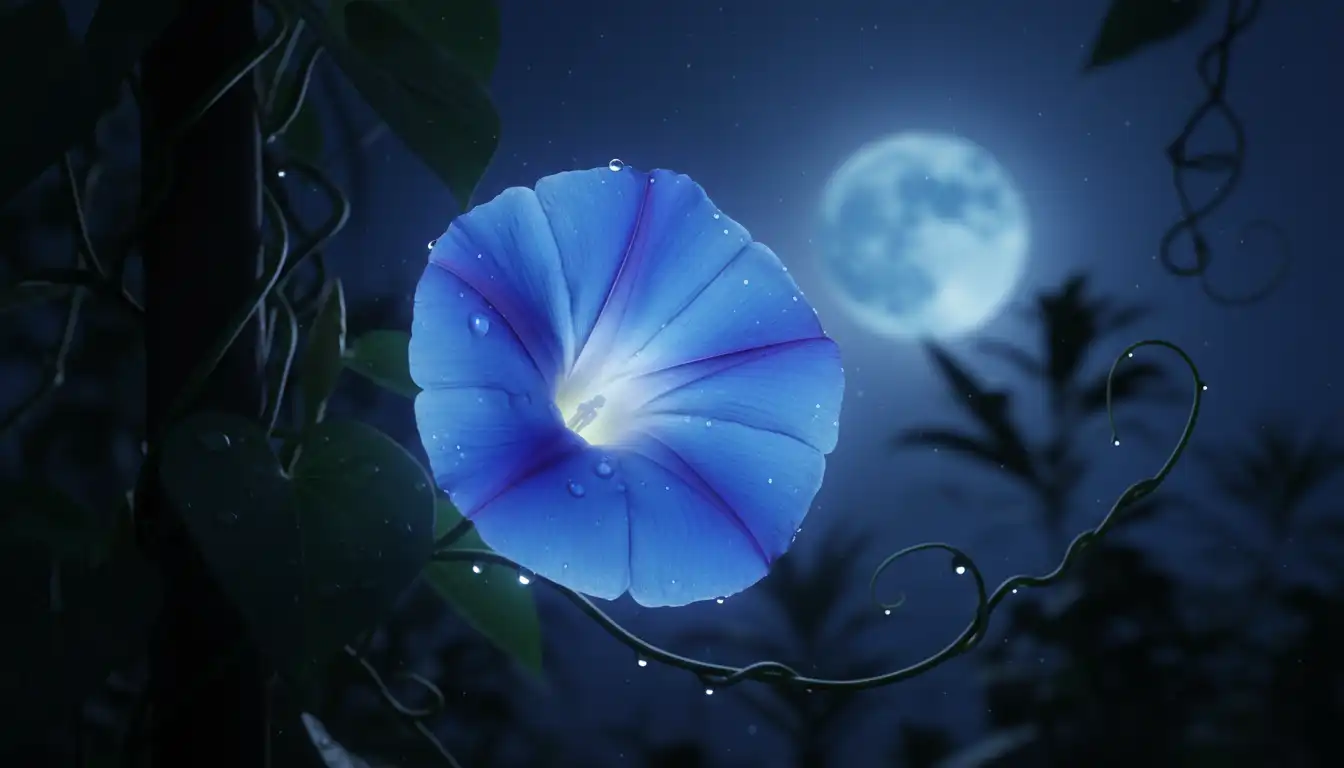
You’ve seen the images online: a mesmerizing, otherworldly flower bathed in an ethereal blue light, seemingly glowing from within. The “blue glowing moon flower” has captured the imagination of gardeners everywhere. The problem is, the search for a plant that naturally produces a blue, bioluminescent glow often leads to disappointment and confusion.
The enchanting images that flood social media are typically the result of creative photography or digital alteration. But the dream of creating a magical, glowing nighttime garden is not lost. The solution lies in understanding the real plant behind the legend and using clever gardening techniques to replicate that mystical effect.
You'll Learn About
Deconstructing the Myth: What Is the Real Moon Flower?
The plant most often associated with this phenomenon is the moonflower, botanically known as Ipomoea alba. This stunning vine is a nocturnal member of the morning glory family. Its magic is very real, just not in the way many believe.
Instead of being blue, its massive, trumpet-shaped flowers are a brilliant, pure white. And while they don’t produce their own light, their large, iridescent petals are incredibly effective at reflecting moonlight, creating a luminous, “glowing” appearance in the dark. The “blue” hue is an illusion, often caused by camera settings, strategic lighting, or the way our eyes perceive color in low light.
The Science of the Night Bloom
The true wonder of the moonflower is its nightly performance. The large buds, which resemble tightly furled umbrellas, begin to unfurl at dusk. In a display that can take as little as a minute, they spiral open into magnificent 6-inch blossoms that release a sweet, captivating fragrance throughout the night to attract nocturnal pollinators like the sphinx moth.
This rapid blooming is a fascinating example of nyctinasty, the circadian rhythmic movement of plants in response to the onset of darkness. As the sun sets, changes in water pressure within the petals’ cells cause them to open, and as dawn approaches, they gracefully close for good. Each flower lives for just one night, adding to its fleeting, magical allure.
Creating the “Blue Glow” Illusion in Your Garden
While a naturally blue and glowing moonflower doesn’t exist, you can become a garden illusionist. By combining the real Ipomoea alba with strategic design and lighting, you can create the enchanting effect you’re looking for. This approach allows you to work with nature to build a truly unique and magical nighttime sanctuary.
Harnessing the Power of Light
The key to the “glow” is light reflection. The pure white petals of the moonflower act as a natural canvas. To achieve a “blue” tint, use subtle, cool-toned outdoor lighting. Modern LED garden lights are perfect for this, offering a range of colors and intensities.
Place low-voltage spotlights at the base of the trellis or fence where your moonflower vine climbs. Angle them upwards to illuminate the blooms from below. Using a light with a very subtle blue or purple filter can cast a mystical hue onto the white flowers, bringing the online fantasy to life without appearing artificial.
Companion Planting for Color and Contrast
Enhance the blue illusion through the art of companion planting. Surround your moonflower vine with plants that have silver or blue-toned foliage. The contrast will make the white blooms appear even brighter and can trick the eye into seeing hints of blue in the reflected light.
Excellent companions include silvery plants like Lamb’s Ear (Stachys byzantina) or Artemisia ‘Powis Castle’, whose feathery foliage shimmers in the moonlight. For foliage that provides a dark, velvety backdrop, consider planting dark-leafed Heuchera or Black Mondo Grass near the base of the vine. This contrast makes the white blooms pop dramatically.
A Comprehensive Guide to Growing Moonflower (Ipomoea alba)
To create a spectacular nighttime display, you need a healthy, thriving vine covered in blooms. Moonflower is a fast-growing tropical vine, typically grown as an annual in cooler climates but as a perennial in USDA zones 9-12. With the right care, you can have a stunning vertical showcase by midsummer.
Starting from Seed
Moonflower seeds have a very tough outer coating that needs to be broken to encourage germination. This process, called scarification, is essential for success. Gently nick the hard seed coat with a nail file or scrape it with sandpaper, being careful not to damage the inner seed.
After nicking the seeds, soak them in warm water for at least 12 to 24 hours. They should swell to nearly double their size. Plant the seeds about 1/4-inch deep in well-draining soil, either in pots indoors 4-6 weeks before the last frost or directly in the garden once all danger of frost has passed and the soil is warm.
Ideal Growing Conditions
Success with moonflowers hinges on providing the right environment. They are vigorous climbers and need strong support to flourish. A sturdy trellis, arbor, fence, or even the side of a garden shed can provide an ideal structure.
- Sunlight: Plant your moonflower vine where it will receive at least 6-8 hours of direct sunlight during the day. This energy is crucial for producing a bounty of blooms at night.
- Soil: They thrive in average, well-draining soil. Overly rich soil or too much fertilizer can lead to lush foliage but fewer flowers. A soil pH between 6.0 and 7.0 is ideal.
- Watering: Water the vine regularly, especially during dry spells. The soil should remain consistently moist but not waterlogged, as this can lead to root rot.
- Fertilizing: Use fertilizer sparingly. A high-nitrogen fertilizer will result in excessive leaf growth at the expense of flowers. If you do fertilize, use a bloom-booster formula that is higher in phosphorus once a month during the growing season.
Common Problems and Solutions
Moonflower vines are relatively hardy but can encounter a few issues. Aphids and spider mites are the most common pests. These can often be controlled by a strong spray of water from the hose or by using insecticidal soap or neem oil.
A lack of blooming is the most frequent complaint from gardeners. This is almost always caused by one of two things: too much nitrogen-rich fertilizer or not enough sunlight. Cut back on feeding and ensure the plant is getting adequate sun exposure to encourage flowering.
Designing Your Enchanting Moon Garden
A moon garden is a space designed to be enjoyed from dusk until dawn. It uses a palette of white, silver, and pale-colored flowers and foliage that reflect moonlight, creating a luminous, tranquil environment. The moonflower vine is the quintessential star of such a garden.
Choosing Plants for a Nighttime Palette
To build a truly immersive moon garden, select a variety of plants that will complement your moonflower vine. Focus on different shapes, textures, and heights to create layers of light. The goal is to have a garden that shimmers and glows under the night sky.
When thinking about garden structures and how they blend with your home, a seamless shiplap to drywall transition on a covered patio wall can provide a beautiful, clean backdrop for a climbing moonflower trellis. As you plan your garden’s seasonal cycle, remember that winter maintenance is also key. Taking care of tools, like knowing where the gas shut-off valve is on a Craftsman snowblower, is just as important as summer planting.
| Plant Type | Plant Name | Key Feature for Moon Garden |
|---|---|---|
| Night-Blooming Flower | Night-Blooming Jasmine (Cestrum nocturnum) | Intensely fragrant white flowers that perfume the night air. |
| Night-Blooming Flower | Evening Primrose (Oenothera biennis) | Soft yellow flowers that open at dusk. |
| White Flower | Shasta Daisy (Leucanthemum × superbum) | Classic, bright white petals that stand out in low light. |
| White Flower | White Coneflower (Echinacea purpurea ‘Alba’) | Large, sturdy white blooms that provide structure. |
| Silver Foliage | Lamb’s Ear (Stachys byzantina) | Velvety, silver leaves that are soft to the touch and highly reflective. |
| Silver Foliage | Dusty Miller (Jacobaea maritima) | Intricate, lace-like silver foliage that adds texture. |
Adding Sensory Elements
A moon garden engages more than just the sense of sight. Incorporate fragrant plants whose scents are more pronounced in the evening. In addition to moonflower and night-blooming jasmine, consider adding flowering tobacco (Nicotiana alata) and gardenias.
The sound of water from a small fountain can add a calming auditory element to your garden sanctuary. Also, consider the feel of different textures underfoot, using smooth paving stones or soft moss between path markers. A stable indoor environment is also crucial for overwintering any potted tropicals you bring inside; a system failure, such as a Bryant system fault 13 limit lockout, could be detrimental to your plants.
By demystifying the “blue glowing moon flower” and embracing the true beauty of Ipomoea alba, you can move beyond the fantasy and create a real-life enchanted garden. The solution is not to find a mythical plant but to master the art of illusion with light, color, and texture. The result is a breathtaking nighttime retreat that glows with a magic all its own.
Final Words
The Blue Glowing Moon Flower remains one of nature’s most captivating enigmas, bridging the gap between botanical reality and ancient folklore. Whether viewed as a biological wonder or a symbol of spiritual awakening, its luminous petals remind us of the hidden magic within the natural world. By understanding its unique cycle, we move beyond mere observation and into a deeper appreciation for the Earth’s rare and fleeting mysteries.
Mastering the “magic” of this bloom ultimately requires patience, respect, and a commitment to preservation. As we unveil the secrets behind its azure radiance, we ensure that future generations can also experience the wonder of a moonlit garden. Let the glow of the Moon Flower inspire you to seek out the extraordinary in the quietest corners of the night.
