
Blackberry Runners Taking Over? Your Ultimate Control Guide
You planted a blackberry bush dreaming of sweet, sun-ripened berries. Now you face a thorny, sprawling monster sending aggressive shoots, known as blackberry runners or suckers, across your entire garden. This relentless underground invasion is a common problem for gardeners who underestimate the plant’s powerful will to expand.
These runners aren’t just stray branches; they are new plants emerging from a vast, interconnected root system. Left unchecked, they can choke out neighboring plants, take over lawns, and turn a peaceful garden into an impenetrable thicket. Understanding how to manage this vigorous growth is the key to enjoying the bounty without losing the battle for your backyard.
You'll Learn About
Understanding the Double-Edged Sword: What Are Blackberry Runners?
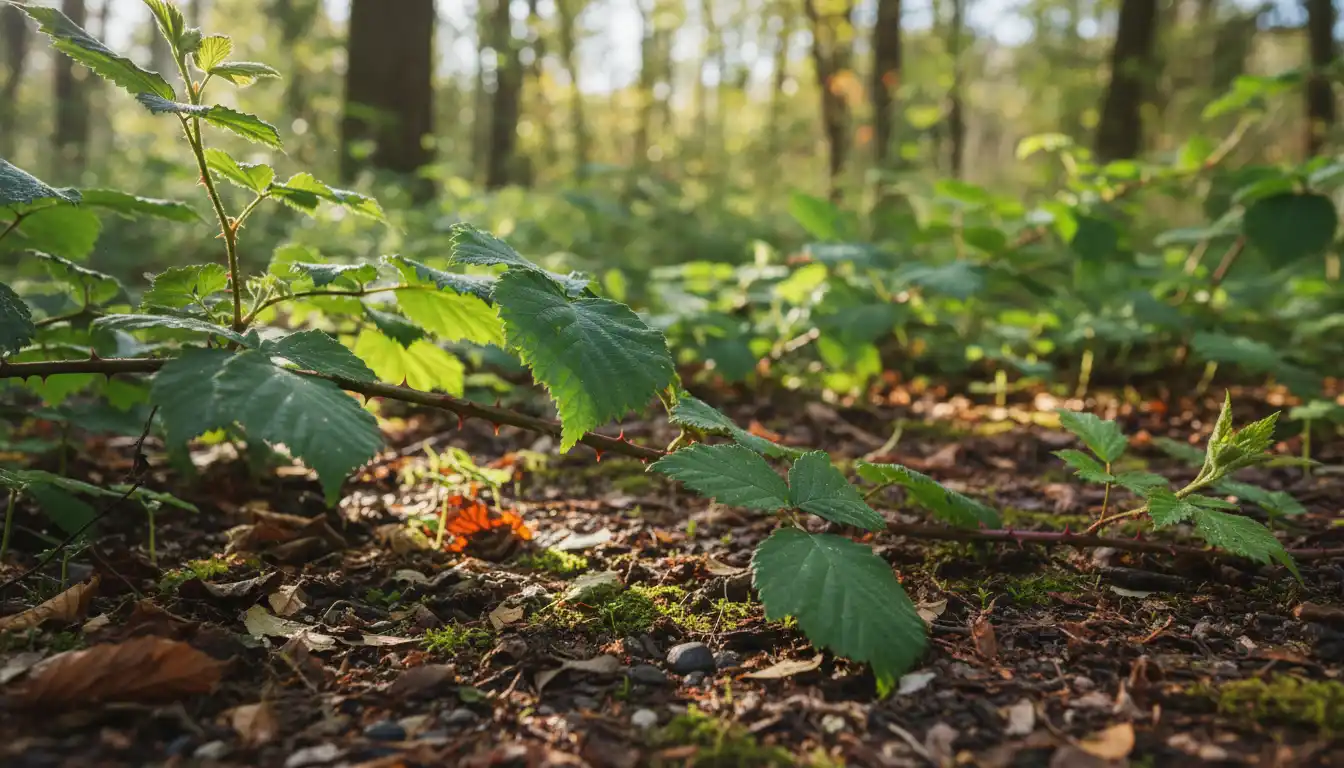
Blackberry runners, more accurately called suckers, are new canes that sprout directly from the plant’s shallow, spreading root system. These shoots can pop up many feet away from the original “mother” plant, creating a clonal colony. This is the blackberry’s natural and highly effective method of propagation.
The canes of a blackberry are biennial, meaning they have a two-year lifecycle. In the first year, they emerge as green shoots called primocanes, which focus on vegetative growth. In the second year, these canes, now called floricanes, produce fruit and then die back. The runners you see taking over your garden are new primocanes sent up from the roots.
The Root of the Problem: Why Your Blackberry Patch is Out of Control
The aggressive nature of blackberries lies in their rhizomatous roots. These are horizontal underground stems that store energy and send out new roots and shoots along their length. When you till or dig near a blackberry patch, you can inadvertently chop these rhizomes into smaller pieces, with each piece having the potential to grow into a new plant. This can quickly multiply your problem.
Different types of blackberries have slightly different growth habits—trailing, erect, and semi-erect—but most cultivated varieties have the potential to spread aggressively via suckers. Their deep and extensive root systems make them incredibly resilient and difficult to remove once established. These roots can grow 1 to 2 feet deep or more, making simple hand-pulling ineffective for mature plants.
Are Thornless Varieties Less Aggressive?
Many gardeners hope that thornless blackberry varieties are tamer than their thorny ancestors. While they are certainly more pleasant to harvest, many thornless types can be just as invasive. Their growth habit is often linked to their genetics, not the presence of thorns, and they can still send out determined runners to colonize new territory.
Your Strategic Plan for Taming Wild Blackberry Runners
Gaining control over blackberry runners requires a multi-faceted approach. Combining containment, consistent maintenance, and targeted removal will yield the best long-term results. It’s not a one-time fix but an ongoing management strategy.
Step 1: Containment is Your First Line of Defense
The most effective way to control blackberry runners is to prevent them from spreading in the first place. Installing a root barrier is a proactive measure that saves immense effort later. This involves digging a trench around your designated blackberry patch, at least 18-24 inches deep, and installing a physical barrier made of durable HDPE plastic or sheet metal.
This barrier physically blocks the rhizomes from traveling underground into other parts of your garden. When installing, ensure the top edge of the barrier sits about two inches above the soil level to prevent roots from creeping over the top. Planting blackberries in large raised beds with solid bottoms can also serve as an effective containment method.
Step 2: The Art of Pruning and Maintenance
Regular and disciplined pruning is crucial for managing blackberry growth. As soon as you see a runner pop up where it’s not wanted, cut it back to the ground. This consistent trimming depletes the energy stored in the root system over time, eventually weakening the plant’s ability to send out new suckers.
A sturdy trellis or support system is also essential. Training the blackberry canes to grow vertically not only improves air circulation and fruit production but also makes it easier to spot and manage runners at the base of the plant. A well-constructed fence can provide excellent support; understanding correct installation, like proper fence post depth, ensures it can handle the weight of mature, fruit-laden canes.
Step 3: Manual Removal for a Chemical-Free Garden
For established runners that have already spread, manual removal is a labor-intensive but effective organic option. The key is to remove not just the visible cane but also a significant portion of the root system it’s attached to. Use a sturdy garden fork or shovel to loosen the soil around the runner and follow it back, digging up as much of the rhizome as possible.
Be persistent. It may take several seasons of diligent digging to fully eradicate a large patch. Do not use a rototiller in an attempt to break up the roots; this will only multiply the problem by creating hundreds of new root fragments that will sprout into new plants.
| Control Method | Pros | Cons | Best For |
|---|---|---|---|
| Root Barriers | Highly effective long-term prevention; permanent solution. | Labor-intensive initial installation; can be expensive. | New plantings or containing existing, well-defined patches. |
| Regular Pruning | Simple, chemical-free; improves plant health and yield. | Requires ongoing vigilance and consistency. | All blackberry patches as part of routine maintenance. |
| Manual Digging | Completely organic; targets specific problem areas. | Physically demanding; can be slow for large infestations. | Small patches or for gardeners avoiding chemicals entirely. |
| Mulching | Suppresses new growth; retains soil moisture. | Less effective on established runners; needs to be thick. | Suppressing seedlings and shallow runners around the main plant. |
The Nuclear Option: When and How to Use Herbicides Safely
In cases of severe, unmanageable infestations, herbicides may be considered as a last resort. Systemic herbicides, such as those containing triclopyr or glyphosate, are most effective. These are absorbed by the leaves and transported down to the root system, killing the entire plant.
The best time for application is typically in late summer or early fall when the plants are actively moving sugars down to the roots for winter storage. For increased effectiveness, cut the canes down to about 6 inches and apply the herbicide directly to the cut stumps or to the tender new growth that emerges. Always follow the manufacturer’s instructions precisely and take care to avoid spraying desirable plants.
Harnessing the Vigor: Turning a Problem into a Bounty
While their invasive nature can be a problem, the aggressive growth of blackberry runners can also be an advantage. The same energy that fuels their garden takeover can be harnessed to create new, free plants. This is an excellent way to expand your berry patch or share with friends.
Propagating New Blackberry Plants from Runners
Propagating from runners is incredibly simple. In the spring or fall, select a healthy, vigorous sucker that is at least a foot tall. Use a sharp spade to sever the underground rhizome connecting it to the parent plant, making sure to dig wide and deep enough to get a good portion of the runner’s own root system.
Once separated, you can immediately transplant the sucker to its new, desired location. Plant it at the same depth it was previously growing and water it in well. With proper care, this new plant will establish quickly and begin producing fruit within a couple of years.
Choosing the Right Runner for Propagation
When selecting a sucker for propagation, look for one that appears healthy and disease-free. Choose a primocane that is thick and has vibrant green leaves. Avoid small, spindly runners as they may not have enough energy reserves to establish themselves successfully after being transplanted.
Beyond Blackberries: A Holistic Approach to Garden Management
Managing blackberry runners effectively is part of a broader strategy for maintaining a healthy and balanced garden. Healthy soil, proper watering, and a diversity of plants create a resilient ecosystem where no single species can easily dominate. Proper maintenance extends beyond plants to the systems that support them; for instance, understanding issues like air coming out of a backflow preventer is key to ensuring your irrigation system works correctly, providing consistent moisture without waterlogging the soil.
This holistic view even extends into the home. A bountiful harvest of blackberries needs to be processed, and having the right tools for the job makes all the difference. When planning a kitchen that can handle preserving fruits through canning or baking, weighing options like a Bosch vs. KitchenAid wall oven becomes a relevant part of the modern homesteader’s journey, connecting garden productivity to home efficiency.
Frequently Asked Questions About Blackberry Runners
How deep do blackberry roots and runners go?
The majority of a blackberry’s root system is in the top 12-18 inches of soil. However, the roots can penetrate as deep as 2-3 feet in loose, well-drained soil, making them difficult to remove completely by digging alone.
Will mowing blackberry runners stop them?
Repeatedly mowing runners can eventually weaken and kill them by depleting the root’s energy reserves. This method is most effective in a lawn setting where regular mowing will continually cut down any new growth. However, it requires persistence over a long period.
Can I just cover blackberry runners with a tarp to kill them?
Covering an area with a heavy, opaque tarp (a technique called solarization or occultation) can suppress and kill blackberry runners. This method works by blocking sunlight, preventing photosynthesis. It can take an entire growing season or longer to be fully effective on a resilient plant like blackberry.
Your Garden, Your Control: A Final Word
Taming blackberry runners is a testament to a gardener’s persistence. By understanding the plant’s biology and employing a strategic combination of containment, pruning, and removal, you can keep their aggressive spread in check. Whether you choose to fight them back or harness their vigor for propagation, taking decisive action is the key to maintaining harmony in your home and garden.
