Black Ladybug with White Spots: Garden Friend or Foe Revealed
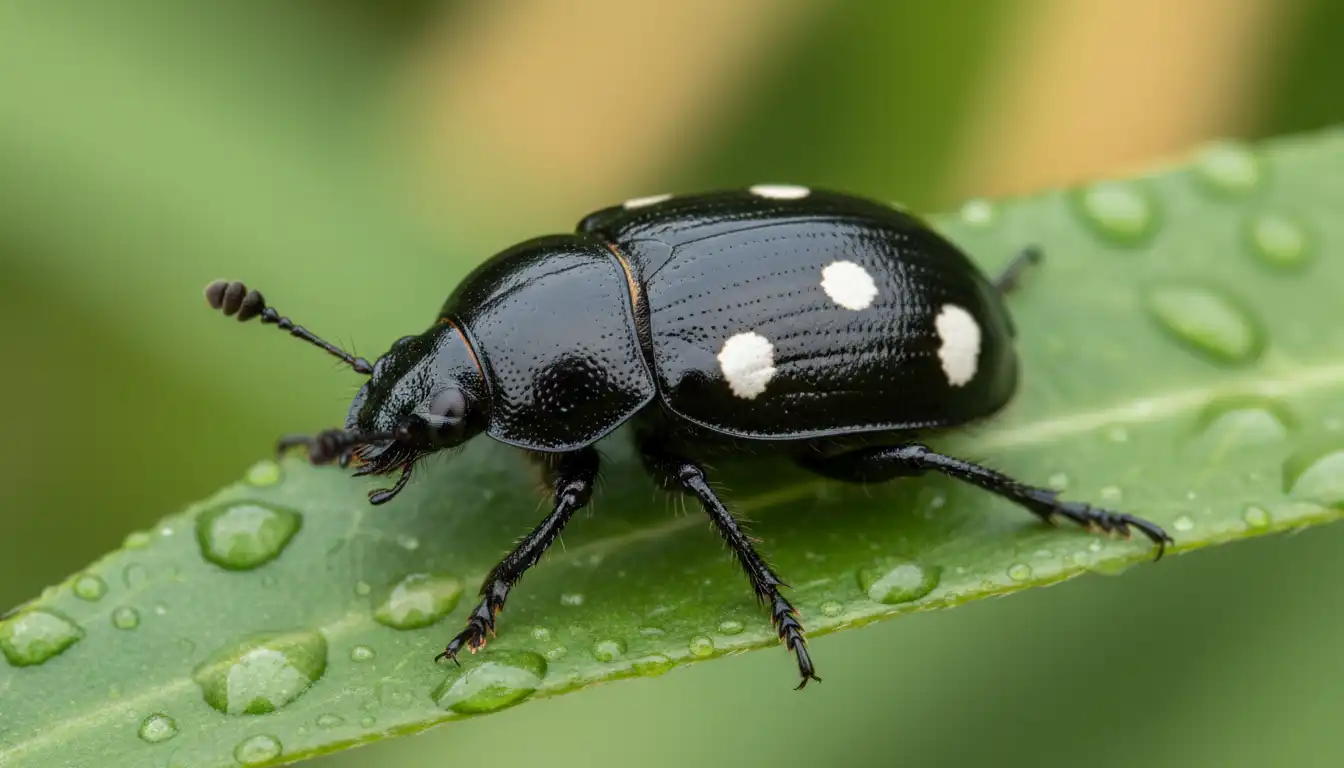
You spot a flash of glossy black on a green leaf, punctuated by stark white dots. It looks like a ladybug, but not the classic red and black you remember from childhood. Immediately, questions arise: What is this insect? Is it a friend to the garden, or is it a new pest here to destroy your prized plants?
This uncertainty is a common problem for gardeners. The sight of an unfamiliar insect can trigger concerns about potential infestations and plant damage. You’re right to be cautious, but in this case, the answer will likely be a pleasant surprise.
You'll Learn About
Unmasking the Mystery: Identifying Your Spotted Visitor
When you see a small, round, black beetle with white spots, you are most likely looking at a beneficial predator, a welcome ally in your garden’s ecosystem. While several species fit this description, two are particularly common and incredibly helpful. The key is distinguishing these garden heroes from certain destructive pests that can have similar appearances in their juvenile stages.
It’s crucial not to confuse these beneficial beetles with the early nymph stages of the invasive Spotted Lanternfly. Lanternfly nymphs are also black with white spots but have a distinctly different, less-domed body shape and are known to cause significant damage to plants. Correct identification is the first step to protecting your garden’s health.
The Cream-Spotted Lady Beetle: A Polymorphic Protector
One of the most likely candidates for your garden visitor is the Cream-Spotted Lady Beetle (Calvia quatuordecimguttata). This native species is polymorphic, meaning it can have a wide variety of colors and patterns. One of its common forms is black with 14 creamy-white or yellowish spots.
These beetles are generalist predators, found in forests, gardens, and parks. Their adaptability makes them a valuable asset in a diverse home and garden setting. They are not aggressive and pose no threat to your plants, family, or pets.
The Ashy Gray Lady Beetle: A Master of Disguise
Another common beneficial insect is a specific color form of the Ashy Gray Lady Beetle (Olla v-nigrum). While its name suggests a gray appearance, this species also has a “melanic” or dark form that is shiny black with two large, irregular white or cream-colored spots. This form is often mistaken for other species due to its striking appearance.
Like its cream-spotted cousin, the Ashy Gray Lady Beetle is a voracious predator of garden pests. Finding them on your plants is a sign of a healthy, functioning ecosystem where natural pest control is taking place. Understanding their role is vital before reaching for any pesticides.
The Verdict is In: A True Garden Guardian
The primary concern for any gardener is whether a new insect will help or harm their plants. Black ladybugs with white spots are overwhelmingly beneficial. They are not pests; they are a highly effective, natural form of pest control that works for you around the clock, free of charge.
These beetles are a cornerstone of an integrated pest management (IPM) strategy, which favors natural solutions over chemical interventions. Embracing these insects means less work for you and a healthier environment for your plants to thrive. They are a sign that your garden is in balance.
A Voracious Appetite for Pests
The true value of these lady beetles lies in their diet. Both the adult beetles and their larvae have an insatiable appetite for the soft-bodied insects that plague gardens. Their primary food sources are some of the most destructive garden pests.
They are particularly effective against aphids, mites, mealybugs, and scale insects. A single ladybug can consume thousands of aphids in its lifetime, preventing infestations that can stunt plant growth and spread disease. If you’ve been wondering do ants lay eggs on plants, you might be interested to know that ants often farm aphids for their honeydew, so the presence of these ladybugs can disrupt that entire harmful cycle.
The Unseen Hero: Identifying Ladybug Larvae
While the adult beetles are easy to spot, their larval stage is even more crucial for pest control. Ladybug larvae look nothing like the adults; they are often described as tiny, spiny alligators. They are typically dark gray or black with orange, yellow, or white markings.
These larvae are the true eating machines of the family. A ladybug larva can eat hundreds of aphids before it pupates and transforms into an adult. It is critically important to learn to recognize these larvae so you don’t mistake them for pests and remove them. Accidentally destroying these helpers undermines your garden’s natural defense system, much like finding and misidentifying round yellow eggs in garden soil could lead to removing a beneficial species.
Differentiating Friends from Look-Alike Foes
While your black and white spotted visitor is likely a friend, it’s wise to be aware of other insects with similar markings. The most critical distinction is with the nymph stage of the invasive Spotted Lanternfly (Lycorma delicatula), a highly destructive pest.
The table below helps you distinguish between these beneficial ladybugs and the harmful lanternfly nymph. Understanding these key differences can empower you to take swift action against pests while protecting your garden’s allies.
| Feature | Beneficial Lady Beetle (e.g., Cream-Spotted) | Spotted Lanternfly Nymph (Pest) |
|---|---|---|
| Shape | Dome-shaped, round, or oval. Classic beetle shape. | Flatter body, somewhat teardrop or tick-shaped. |
| Movement | Crawls steadily; can fly as an adult. | Often jumps quickly when disturbed; cannot fly. |
| Legs | Legs are short and mostly tucked under the body. | Legs are longer and more prominent. |
| Host Plants | Found on a wide variety of plants where prey (aphids, etc.) are present. | Strongly prefers Tree of Heaven (Ailanthus altissima), but also attacks grapevines, maples, and many others. |
| Behavior | Often found alone or in small groups, actively hunting. | Can be found in large, dense clusters on stems and trunks. |
How to Attract and Keep These Black & White Guardians
Now that you know these beetles are valuable allies, the goal is to make your garden an inviting habitat for them. By creating an environment where they can thrive, you ensure a standing army of pest controllers is always on duty. This is the essence of working with nature, not against it.
A few simple, organic gardening practices can transform your space into a sanctuary for beneficial insects. This proactive approach will pay dividends in healthier plants and a reduced need for intervention. You’ll be fostering a resilient garden ecosystem from the ground up.
Plant a Diverse Garden
The most effective way to attract beneficial insects is to provide a consistent food source. Planting a wide variety of flowering plants ensures that pollen and nectar are available throughout the season. This is crucial for adult ladybugs, which supplement their diet with these resources, especially when pest populations are low.
Herbs like dill, fennel, cilantro, and caraway are excellent choices, as their small flowers are easily accessible to ladybugs. Composite flowers like daisies, yarrow, and cosmos also provide ideal “landing pads” and food sources. For expert advice on plant pairings, especially for prized flowers, the community at the Olivia Rose Forum is an excellent resource for gardeners looking to cultivate perfect blooms.
Eliminate Broad-Spectrum Pesticides
The single most important step is to stop using broad-spectrum chemical pesticides. These products are indiscriminate, killing beneficial insects just as effectively as they kill pests. Wiping out your ladybug population leaves your garden vulnerable to a rapid pest resurgence.
If you must treat a severe infestation, opt for targeted, less harmful options like insecticidal soap or horticultural oil. Apply them carefully and sparingly, ideally in the evening when beneficial insects are less active. This preserves the delicate balance of your garden’s ecosystem.
Provide Water and Shelter
Like all living things, ladybugs need water. A shallow dish of water with pebbles or marbles placed in it provides a safe place for them to drink without drowning. This simple addition can make your garden much more hospitable.
They also need places to shelter from predators and harsh weather, especially for overwintering. Leaving some leaf litter at the base of shrubs or creating a small log pile in a corner of your yard provides the perfect refuge. Planting ground cover crops like clover can also offer protection.
A Sign of a Healthy Garden
Discovering a black ladybug with white spots is not a cause for alarm; it is a reason to celebrate. It signifies that your garden is a healthy, thriving ecosystem capable of supporting beneficial predators. These insects are a testament to the power of natural balance.
By understanding their role, learning to identify them, and creating a welcoming environment, you can harness their pest-controlling power. Embrace these tiny guardians and watch your garden flourish under their protection. They are a beautiful and effective reminder that nature provides its own best solutions.
Final Word
Discovering a black ladybug with white spots is a perfect reminder that nature’s pest control often arrives in unexpected packages. Far from being a garden villain, this striking beetle is typically a specialized predator, such as the Twice-stabbed or the Ashy Gray ladybug, dedicated to patrolling your plants for invasive scales and aphids. By taking the time to identify this insect rather than reaching for a broad-spectrum pesticide, you are protecting a vital ally in your garden’s natural defense system. These tiny guardians play a crucial role in maintaining ecological balance, proving that biodiversity is the key to a healthy landscape. Embracing these unique beneficial insects ensures your garden remains a thriving, self-sustaining sanctuary where nature—not chemicals—does the heavy lifting of keeping pests at bay.