
Black Dust on Your Toilet Seat? Unmask the Grimy Culprits Now!
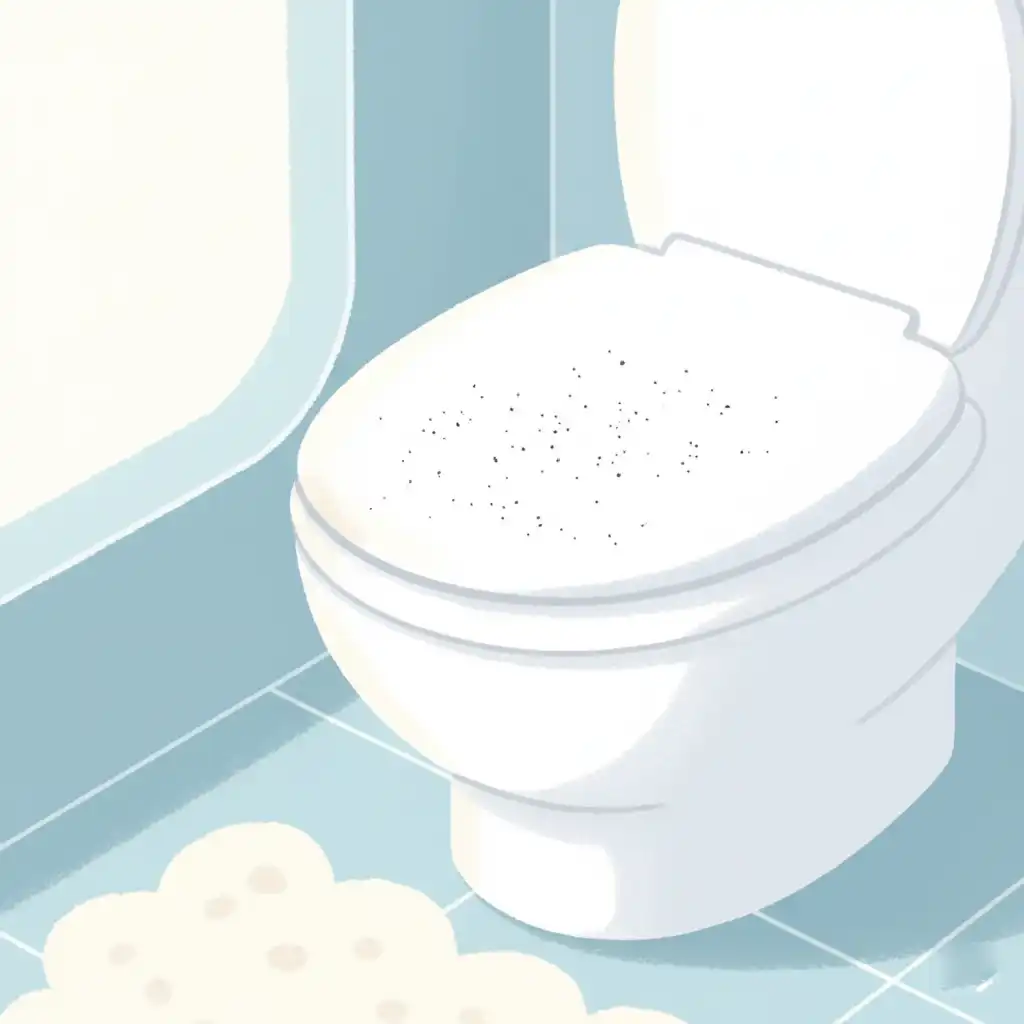
There are few things more frustrating than meticulously cleaning your bathroom, only to find a fine layer of mysterious black dust coating the toilet seat a day or two later. It’s a common problem that leaves many homeowners confused and annoyed. You wipe it away, and like magic, it reappears, making a pristine space feel persistently dirty.
This isn’t just ordinary household dust; its stubborn and specific nature suggests something more is at play. Understanding the source of this grimy residue is the first step toward reclaiming your clean bathroom. This guide will explore the hidden causes behind that persistent black dust and provide a clear, actionable plan to eliminate it for good.
You'll Learn About
What is This Black Dust? Unmasking the Common Culprits
That frustrating black dust is rarely just one thing. It’s often a cocktail of particles from various sources, both inside and outside your home. Identifying the specific cause in your bathroom is crucial for effective removal and prevention.
The Airborne Invader: Soot, Dust, and Pollution
One of the most common sources of fine black dust is airborne soot. If you frequently burn candles, especially those with longer wicks or certain types of wax, they can release fine carbon particles into the air. These particles are so light that they can travel throughout your home and eventually settle on surfaces, including your toilet seat.
Similarly, a fireplace can be a major contributor, even if it’s in another room. Other sources include outdoor pollution from traffic or nearby industrial areas that can enter through open windows and ventilation systems. This type of dust is typically very fine, smudges easily, and feels greasy to the touch.
The Hidden Menace: Mold and Mildew Spores
Bathrooms are the perfect breeding ground for mold and mildew due to constant high humidity. When mold colonies grow, they release spores into the air, which can be black in color. These spores can settle on any surface, including the toilet seat, appearing as fine black dust.
If the black dust seems to return quickly in the same spot and is accompanied by a musty odor, mold is a likely culprit. This is more than just a cleaning issue; it can pose health risks, making it critical to address the underlying moisture problem. If you suspect a larger issue, understanding the risks associated with products like Drylok and mold can be an important step in preventing widespread growth.
The Ventilation Villain: Dirty HVAC Vents
Your home’s heating, ventilation, and air conditioning (HVAC) system is designed to circulate air, but it can also circulate dust. If your air ducts are dirty, they can accumulate a significant amount of dust, debris, and even mold. When the system kicks on, it can blow these particles out through the vents.
If you notice black dust concentrated near your bathroom’s air vent, your HVAC system is a prime suspect. This is especially common if your air filters haven’t been changed recently. Low-quality or clogged filters are ineffective at trapping these fine particles, allowing them to settle throughout your home.
The Material Breakdown: Deteriorating Toilet Parts
Often overlooked, the toilet itself can be the source of the black specks. Over time, rubber components inside the toilet tank, such as the flapper or gaskets, can disintegrate. As these parts break down, tiny black particles of rubber are released into the tank and then washed into the bowl and onto the seat with each flush.
In some cases, the toilet seat’s material can be the issue. Certain types of plastic or composite seats can degrade over time, especially when exposed to harsh cleaning chemicals or sunlight. This degradation can produce a fine, dark dust as the surface material breaks down.
Pinpointing the Source: Your Step-by-Step Investigation
Before you can effectively treat the problem, you need to play detective. Use this checklist to narrow down the potential causes of the black dust in your bathroom. Answering these questions will help you identify the primary culprit and choose the right solution.
Start by observing the dust itself. Does it wipe away easily, or does it smear and leave a greasy residue? Soot often smears, while mold spores or deteriorating rubber may wipe away more cleanly at first. Notice where the dust is most concentrated. Is it evenly spread out, or is it heavier on the lid, under the seat, or around the base?
Next, examine the surrounding environment. Is there an HVAC vent located directly above or near the toilet? Do you regularly burn candles or use an oil diffuser in or near the bathroom? Check the inside of your toilet tank for any black particles floating in the water or settled at the bottom. Gently touch the rubber flapper; if your finger comes away with a black, sticky residue, it’s likely deteriorating.
Your Battle Plan: Eradicating Black Dust for Good
Once you’ve identified the likely source of the black dust, it’s time to take action. A multi-pronged approach involving deep cleaning, moisture control, and targeted repairs is the most effective way to eliminate the problem and prevent its return. Creating a clean and healthy environment is key.
The Ultimate Cleaning Protocol
Your first step is a thorough cleaning. For general dust or soot, a simple solution of warm water and a mild detergent is often sufficient. Use a microfiber cloth to wipe down the entire toilet, including the seat, lid, tank, and base.
If you suspect mold, you’ll need a more robust solution. Mix equal parts white vinegar and water in a spray bottle. Spray the affected areas liberally, let it sit for about an hour, and then scrub with a brush before wiping clean. For stubborn mold, a paste of baking soda and water can provide the gentle abrasion needed to lift the stains without damaging the surface.
Mastering Moisture: Your Key to a Mold-Free Zone
Since high humidity is a primary cause of mold growth, controlling moisture is non-negotiable. Always use your bathroom’s exhaust fan during and for at least 30 minutes after a shower. If you don’t have a fan, open a window to allow steam to escape.
Reducing clutter can also dramatically improve airflow. Consider swapping out bulky storage for more streamlined options. For instance, replacing a traditional towel bar with hooks can improve air circulation around damp towels, helping them dry faster and reducing overall humidity. This simple switch is one of many ways to optimize your bathroom’s environment, as detailed in our guide on using bathroom hooks instead of a towel bar.
The Deep Clean: Air Vents and Exhaust Fans
Your ventilation systems need regular cleaning to prevent them from becoming dust distributors. Turn off your HVAC system and use a vacuum with a brush attachment to clean the grill of your bathroom air vent. You can also remove the cover and wipe it down with a damp cloth.
The exhaust fan cover should also be removed and cleaned thoroughly. Over time, these covers can become caked with dust and grime, reducing their effectiveness and contributing to airborne particles. A clean ventilation system is crucial for maintaining good air quality.
The Proactive Fix: Inspecting and Replacing Toilet Parts
If your investigation pointed to deteriorating components inside the toilet tank, replacement is the only long-term solution. A new toilet flapper is inexpensive and relatively easy to install. This single fix can completely stop the flow of black rubber particles into your toilet bowl.
Inspect your toilet seat for any signs of wear, cracking, or unusual texture. If it appears to be degrading, replacing it with a high-quality seat made from durable materials will not only solve the dust issue but also refresh the look of your toilet.
| Source of Black Dust | Identifying Characteristics | Primary Solution |
|---|---|---|
| Soot (Candles, Fireplace) | Fine, greasy, smudges easily. Often widespread. | Reduce or eliminate candle burning; use high-quality candles. Ensure proper fireplace ventilation. |
| Mold/Mildew | Appears as fine dust, may have a musty smell. Returns quickly. | Clean with a vinegar solution. Improve bathroom ventilation and control humidity. |
| Dirty HVAC Vents | Concentrated near the air vent. Appears after the system runs. | Clean vent covers and have air ducts professionally cleaned. Replace HVAC filters regularly. |
| Deteriorating Toilet Parts | Gritty particles found in the tank and bowl, especially after flushing. | Inspect and replace the rubber flapper and other tank gaskets. Replace old or damaged toilet seats. |
| Sewer Flies (Drain Flies) | Small, moth-like insects and fine, powdery residue near drains. | Thoroughly clean drains with a stiff brush and an enzymatic cleaner to remove organic buildup. |
Beyond the Bathroom: A Whole-Home Approach to Dust Control
Sometimes, the black dust on your toilet seat is just one symptom of a larger issue with your home’s indoor air quality. Taking a whole-home approach can help reduce dust not just in the bathroom, but everywhere. This broader perspective ensures a cleaner, healthier living environment for everyone.
A great place to start is with your HVAC system. Upgrading to a high-efficiency particulate air (HEPA) filter can capture a much higher percentage of microscopic particles, including soot, dust, and mold spores. Remember to change these filters according to the manufacturer’s recommendations, typically every 1-3 months, to ensure they function optimally.
This is part of a larger strategy for dealing with persistent grime. To learn more about tackling this issue throughout your bathroom, see our comprehensive guide on identifying the sources of black dust in the bathroom. By adopting these practices, you can significantly improve the air quality throughout your home and reduce the cleaning workload.
A Note on Sewer Flies
In some instances, the black “dust” might not be dust at all. Tiny, moth-like insects called sewer flies (or drain flies) can breed in the organic sludge that builds up in drains. When they die, their bodies can decompose into a fine, dark powder that accumulates around sinks and toilets.
If you notice these small flies hovering around your bathroom, the solution lies in a thorough drain cleaning. Use a stiff pipe brush to scrub the inside of your sink and shower drains, followed by an enzymatic drain cleaner that will break down the organic matter where the flies lay their eggs.
Conclusion: A Lasting Solution to a Pesky Problem
The reappearing black dust on your toilet seat is a solvable mystery. By methodically identifying the source—whether it’s airborne soot, hidden mold, a dirty ventilation system, or even the toilet’s own components—you can move beyond temporary fixes and implement a lasting solution.
A combination of targeted deep cleaning, consistent moisture control, and proactive maintenance will not only keep your toilet seat sparkling but also contribute to a healthier and more pleasant bathroom environment. With this knowledge, you are now equipped to win the battle against black dust once and for all.
