
Stop Ruining Your Oriental Rugs! The Best Robot Vacuum Guide
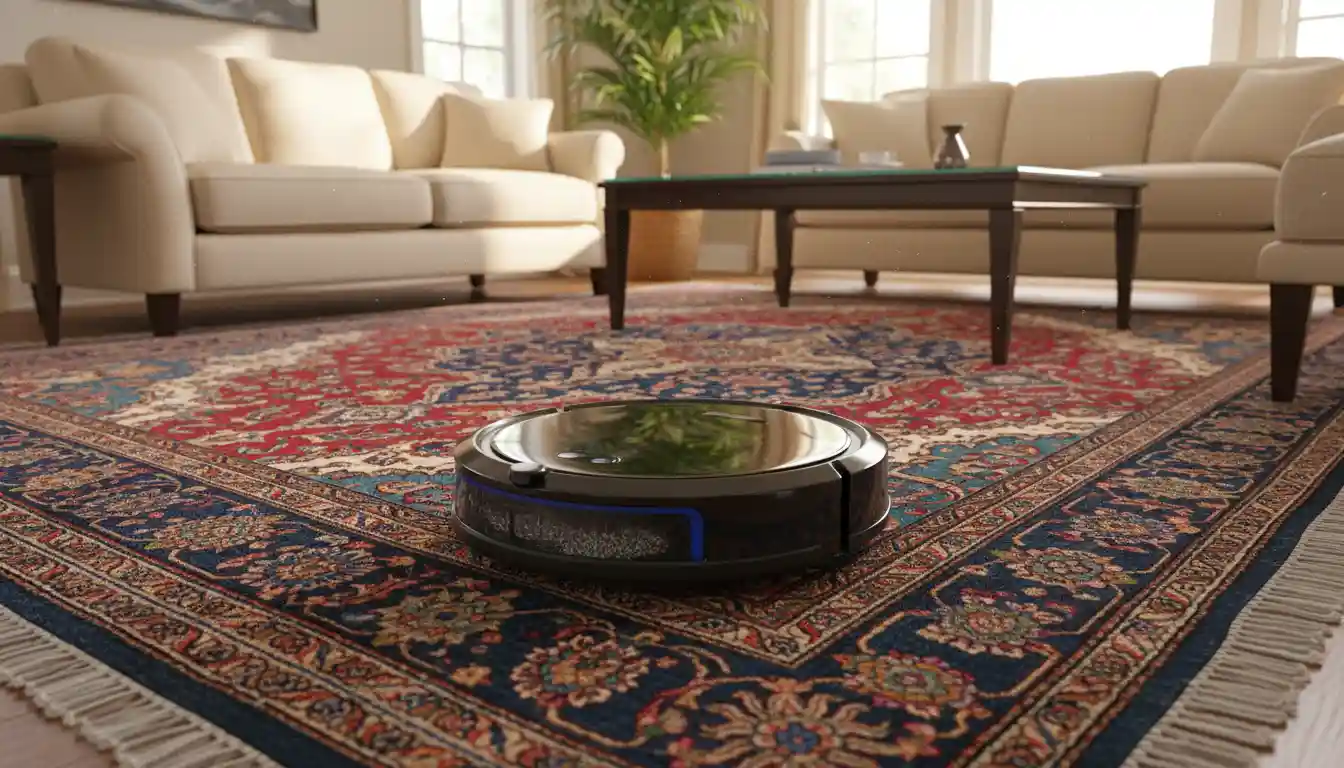
Oriental rugs are more than just floor coverings; they are intricate works of art, often representing significant investments and cherished family heirlooms. Their delicate fibers, rich dyes, and iconic fringed edges demand a level of care that goes far beyond typical cleaning routines. The rise of automated home cleaning has presented a terrifying new threat to these masterpieces: the wrong robot vacuum.
Many owners have learned a heartbreaking lesson as they’ve watched aggressive, unintelligent vacuums chew through delicate tassels, fray hand-knotted wool, or get hopelessly stuck on high-pile surfaces. The fear of causing irreparable damage often leads to avoiding automated cleaning altogether, which creates its own set of problems with dust and allergen buildup. The solution isn’t to abandon modern convenience, but to arm yourself with the right knowledge and technology.
You'll Learn About
Why Your Standard Robot Vacuum Is a Mortal Enemy to Oriental Rugs
Not all robot vacuums are created equal, and a model that excels on hardwood or standard carpeting can become a destructive force on a delicate Oriental rug. The core of the problem lies in a design philosophy that prioritizes aggressive deep cleaning over gentle, careful maintenance. Understanding these specific threats is the first step toward protecting your investment.
The most immediate and visceral danger is to the rug’s fringe. Standard robot vacuums often employ stiff, fast-spinning bristle brushes designed to agitate and lift debris from deep within carpet fibers. When these aggressive brushes encounter the loose, delicate tassels of an Oriental rug, they don’t clean them; they grab, twist, and tear them, often pulling the knots out and unraveling the very edge of the rug itself.
The Peril of Pile and Patterns
Beyond the fringes, the unique construction of these rugs presents further challenges. Many Oriental rugs feature a thick, dense pile that can easily bog down a robot vacuum with weak suction or wheels. The unit may struggle to climb onto the rug, get stuck in the middle of a cleaning cycle, or drain its battery trying to navigate the plush terrain.
A more subtle but equally frustrating issue involves the robot’s own navigation sensors. Many models use downward-facing “cliff sensors” to prevent them from tumbling down stairs. However, the dark, intricate patterns common in Persian and Oriental designs can fool these sensors, which interpret the black or deep blue sections as a void. This causes the vacuum to stop and reroute, avoiding large portions of the rug and leaving it frustratingly dirty.
The Modern Solution: Must-Have Features for Rug-Safe Automation
Fortunately, robot vacuum technology has evolved significantly. Top-tier models now offer a suite of features specifically designed to navigate and clean delicate areas without causing harm. When shopping for a robot vacuum for your Oriental rugs, these are the non-negotiable features you must prioritize. They are the difference between confident, automated maintenance and a costly disaster.
The single most important innovation for protecting delicate rugs is an advanced brushroll system. Look for models that use brushless or all-rubber roller designs. These rollers replace stiff bristles with flexible rubber fins that agitate the rug fibers to loosen dirt but are far less likely to snag or tangle fringes. Some advanced models even automatically lift their mop pads and main brushes when they detect carpet, providing another layer of protection.
Smarter Navigation is Safer Navigation
The second critical feature is high-precision navigation, specifically models equipped with LiDAR (Light Detection and Ranging) or advanced vSLAM (Visual Simultaneous Localization and Mapping). This technology allows the robot to create an incredibly accurate map of your home within its companion app. This isn’t just for efficiency; it’s a powerful rug-protection tool.
With an accurate map, you can create “no-go zones.” This allows you to draw a virtual boundary around the entire rug or, more strategically, just along the fringed edges. This tells the robot to clean the main body of the rug while completely avoiding the delicate tassels, offering the perfect balance of cleaning performance and peace of mind.
The Importance of Control
Finally, look for a vacuum that gives you granular control over its cleaning process. An essential feature is adjustable suction power. While an automatic “carpet boost” that increases suction on rugs is a great feature for standard carpeting, it can be too powerful for fine wool or silk fibers, potentially causing excess wear over time.
A good app will allow you to manually set the suction level for different rooms or surfaces. This means you can assign a lower, gentler suction setting for the area with your Oriental rug. This level of control is paramount for preserving the life and beauty of your valuable textiles. Protecting your home’s most valuable assets requires specific knowledge and the right tools. You wouldn’t guess about the minimum snow for a snowblower before starting a big job, so don’t guess which vacuum is safe for your priceless rug.
Comparative Analysis of Key Rug-Safe Features
To make an informed decision, it is helpful to see a direct comparison of the features that matter most for Oriental rug safety. The table below breaks down hypothetical robot vacuum models based on the critical technologies discussed. Use this as a guide to evaluate potential candidates for your home.
| Feature | Basic Model (High Risk) | Mid-Tier Model (Moderate Risk) | Premium Model (Low Risk) |
|---|---|---|---|
| Main Brush Type | Stiff Bristle Brush | Hybrid Bristle/Rubber Brush | Dual All-Rubber Brushrolls |
| Navigation System | Random Bounce / Gyroscope | vSLAM (Camera-Based) | LiDAR with Precision Mapping |
| Fringe/Tassel Avoidance | None (High Tangle Risk) | Relies on User Intervention | No-Go Zones / Tangle Detection |
| Suction Control | Single Power Level | Automatic Carpet Boost Only | Manually Adjustable Power Levels |
| Object Recognition | Basic Bump Sensors | Limited Obstacle Avoidance | AI-Powered Obstacle Recognition |
A Deeper Look at Protective Technology
The components inside these machines are what truly make the difference. The move from bristle brushes to all-rubber designs is arguably the most significant leap forward for rug safety. Rubber fins create enough agitation to lift dust, pet hair, and debris without the combing, tearing action of bristles. They are inherently more gentle on the delicate knots and fibers that give your rug its character.
LiDAR technology is the brain behind the operation. A spinning laser sensor on top of the unit measures distances to walls and objects, creating a detailed, editable floor plan. This is vastly superior to older gyroscope or “bump-and-run” robots that navigate semi-randomly and cannot be restricted from specific zones. The ability to draw a precise digital fence around your rug’s fringe is a game-changing feature.
Your Step-by-Step Guide to a Safe First Clean
Once you’ve chosen a robot vacuum with the right features, proper setup is crucial to ensure a safe and effective cleaning experience. Do not simply turn it on and hope for the best. Follow these steps to introduce your robot to your Oriental rug safely.
Step 1: Perform a Mapping Run Without Cleaning. Most advanced robots have an option to explore and map your home without the brushes or vacuum motor running. Do this first to generate a clean, accurate map in the app before the robot ever touches the rug.
Step 2: Create Your Virtual Boundaries
Open the newly created map in your robot’s app. Carefully locate your Oriental rug and use the “No-Go Zone” or “Virtual Wall” feature to draw a precise box around the fringed edges. If you are particularly cautious, you can draw the boundary around the entire rug for the first few runs.
Step 3: Configure the Cleaning Settings. Before sending it to clean the room with the rug for the first time, go into the settings. Manually select the lowest or “Quiet” suction setting. If the robot has a mopping function, ensure that is disabled for this area to prevent any water from touching the rug’s delicate natural fibers.
Step 4: Supervise the Inaugural Run
For the first one or two cleaning sessions, stay in the room and watch the robot. Observe how it approaches the edge of the rug, how it navigates the pile, and ensure it respects the no-go zones you created. This supervision will give you the confidence that your settings are correct and your rug is safe. Maintaining your home often comes down to understanding the specific requirements of its various components. While today’s focus is on flooring, the same principle applies elsewhere, like knowing the nuances of installing specific fixtures such as slab doors with hinge cutouts for a flawless finish.
Beyond Automation: A Holistic Approach to Rug Care
A robot vacuum is an incredible tool for daily maintenance, but it is not a complete replacement for a comprehensive rug care routine. Its primary job is to handle surface-level dust, pet hair, and allergens, preventing them from getting ground into the rug’s foundation. To truly preserve your Oriental rug for generations, you must supplement this automated cleaning.
At least once a month, you should perform a more thorough manual cleaning. Use a standard vacuum cleaner with the rotating beater bar turned off, or use the upholstery/brush attachment. Vacuum in the direction of the pile, not against it, to gently lift dirt without stressing the fibers. This manual pass will remove deeper grit that a robot may miss.
The Importance of Professional Care
Every one to three years, depending on foot traffic, it is essential to have your rug professionally cleaned. True experts in Oriental rug cleaning have specialized processes to safely remove years of accumulated dirt, restore the vibrancy of the dyes, and properly groom the pile. This is the single most effective thing you can do to extend the life and beauty of your heirloom.
Finally, never underestimate the value of a high-quality rug pad. A good pad does more than just prevent slipping. It provides a cushioning layer that absorbs the impact of foot traffic, reducing wear on the rug’s fibers. It also allows for better airflow, which helps the rug breathe and prevents moisture buildup, and it can make it easier for a robot vacuum to transition from a hard floor onto the rug.
Critical Mistakes That Can Ruin Your Rug Instantly
Even with the right technology, user error can lead to damage. One of the most common mistakes is forgetting to check the no-go zones after rearranging furniture. If you move a rug, you must update the map in your robot’s app, otherwise it may try to clean based on the old, now incorrect, boundaries.
Another error is relying solely on the “auto” setting. While convenient, this setting may default to a suction level that is too aggressive for your rug’s specific fiber type, such as silk or fine wool. Always take a moment to manually select a gentler setting for that specific area. Proper maintenance of specialized tools is key to their longevity and effectiveness. Just as you must learn how to clean a great stuff pro gun to keep it from clogging, you must learn to properly configure your robot vacuum to keep it from damaging your valuables.
The Final Word: Can You Trust a Robot with Your Oriental Rug?
The answer is a resounding yes, but with a major caveat: you must choose a modern robot vacuum specifically equipped with rug-safe features and take the time to set it up correctly. The days of random, bumping robots that indiscriminately tangle anything in their path are over, provided you invest in the right technology.
By prioritizing a model with an all-rubber brush system, LiDAR navigation for creating precise no-go zones, and user-adjustable suction power, you can confidently automate the daily cleaning of your most prized rugs. This technology, when used thoughtfully, transforms from a potential threat into a powerful ally in preserving the beauty and integrity of your home’s works of art.
