Best Gel Stain for Fiberglass Door: Your Flawless Finish Guide
That lackluster, builder-grade fiberglass door. It does its job, but it does nothing for your home’s curb appeal. You crave the rich, warm, and expensive look of a real wood door, but the thought of the cost and maintenance makes you shudder. This is the dilemma countless homeowners face, staring at a perfectly functional door that lacks personality and prestige.
The core problem isn’t the door itself, but the finish. Many assume a simple coat of paint is the only answer, while others fear a DIY staining project will result in a streaky, plastic-looking mess. The fear is valid; using the wrong product on a non-porous surface like fiberglass is a recipe for disaster. This guide will solve that problem for good.
You'll Learn About
Why Gel Stain is the ONLY Choice for Fiberglass Doors
To achieve that coveted wood-grain look, you must understand why fiberglass requires a special approach. Unlike wood, fiberglass is non-porous. A traditional liquid stain is designed to penetrate wood fibers, but on fiberglass, it will simply pool, streak, and fail to adhere, creating a disastrous finish.
This is where gel stain comes in as the undisputed champion. Its thick, pudding-like consistency is its superpower. Instead of penetrating, a gel stain sits on top of the surface, allowing you to control the application and build color beautifully. This thick formula prevents drips and runs on a vertical surface like a door, giving you a clean, professional result.
The Secret to a Professional Finish: It’s All in the Prep
Even the most expensive, highly-rated gel stain will fail if you skip the crucial preparation phase. A pristine surface is non-negotiable for proper adhesion and a smooth finish. Taking the time to prep correctly is what separates an amateur job from a professional transformation.
First, clean the door thoroughly. Use a lint-free rag and mineral spirits to wipe down the entire surface, removing any dirt, oils, or factory residue. This step ensures the stain can bond directly to the fiberglass. For a deeper dive into troubleshooting potential issues, understanding the most common staining fiberglass doors problems can prevent mistakes before they happen.
Top 3 Best Gel Stains for Fiberglass Doors Reviewed
Choosing the right brand is your next critical decision. After extensive research and analysis of user reviews, three brands consistently rise to the top for their performance on fiberglass doors. Each offers a unique set of strengths tailored to different DIY comfort levels and desired outcomes.
Old Masters Gel Stain: The Professional’s Pick
Often hailed by professionals, Old Masters Gel Stain is renowned for its rich pigmentation and exceptional durability. This oil-based stain has a thick consistency that is incredibly forgiving, allowing you to work the product into the door’s artificial grain to create a deeply convincing wood-like appearance. Users frequently praise its ability to produce a deep, authentic color that doesn’t look artificial.
The trade-off for this professional quality is a slightly longer drying time, which requires patience between coats. However, for those who prioritize a premium, long-lasting finish, the results are well worth the wait. It provides excellent coverage and a finish that stands up well to the elements when properly top-coated.
General Finishes Gel Stain: The Premium Choice
General Finishes is another top-tier brand that consistently receives glowing reviews for its performance. General Finishes Gel Stain is an oil-based product celebrated for its ease of application and beautiful, lustrous finish. It flows smoothly and has a heavy-bodied formula that makes achieving an even coat straightforward.
This brand is particularly noted for its popular “Java” color, which creates a deep, espresso-like finish that is both modern and timeless. Professionals and DIYers alike commend its reliability and the consistent results it delivers. The quality of your door’s texture can also impact the final look. Doors from reputable brands, as seen in some Mastercraft Doors reviews, often have a more realistic wood grain that this stain complements beautifully.
Minwax Gel Stain: The DIY Favorite
For those new to staining or seeking a widely available and user-friendly option, Minwax Gel Stain is an excellent choice. Its non-drip formula is specifically designed to be easy to control, making it a go-to for many first-time DIY projects. It provides good, even color and is available in a wide range of traditional wood tones.
While some professionals may prefer the richer pigments of Old Masters or General Finishes, Minwax offers a reliable and accessible product that delivers great results. Its ease of use and availability at most hardware stores make it a practical and effective solution for transforming your fiberglass door.
At-a-Glance Comparison: Choosing Your Champion
To help you decide, here is a direct comparison of the top contenders. Consider what factors are most important for your project, whether it’s ease of use, color depth, or overall durability.
| Brand | Ease of Use | Durability | Color Richness | Price Point |
|---|---|---|---|---|
| Old Masters Gel Stain | Excellent | High | Exceptional | Mid-Range |
| General Finishes Gel Stain | Excellent | High | Excellent | Premium |
| Minwax Gel Stain | Exceptional | Good | Good | Budget-Friendly |
Beyond the Stain: The Critical Topcoat Step Everyone Forgets
Your work is not done once the stain is dry. Applying a protective topcoat is arguably the most important step for ensuring the longevity of your finish, especially for an exterior door. Without a sealer, the stain will be vulnerable to UV rays, moisture, and physical wear, leading to fading, cracking, and peeling.
For an exterior fiberglass door, you must use a high-quality, exterior-grade polyurethane or spar urethane with UV inhibitors. This is non-negotiable. This type of topcoat is specifically formulated to be flexible and to block the sun’s damaging rays, which are the primary cause of a faded finish. Apply at least two to three thin, even coats, following the manufacturer’s instructions for drying times between coats.
Common Mistakes to Avoid for a Flawless Finish
Achieving a professional look means sidestepping common pitfalls. Awareness of these frequent errors can save you from a frustrating experience and a subpar result. Take your time and focus on the details.
The most common mistake is applying the stain too thickly. Gel stain is meant to be applied in thin layers. Wiping off the excess with a clean, lint-free cloth is a crucial part of the process. Failing to do so results in a tacky, uneven finish that looks painted on rather than stained.
Another frequent error is working in direct sunlight or high humidity. Unfavorable conditions can cause the stain to dry too quickly, leading to streaks and a difficult application. Always work in a well-ventilated, shaded area with temperatures between 50 and 80°F for the best results.
Your Door’s Stunning Transformation Awaits
Upgrading your home’s curb appeal doesn’t require buying an expensive new door. With the right product and proper technique, you can give your existing fiberglass door the rich, dimensional look of real wood. The key is choosing a high-quality gel stain designed for the task.
By focusing on meticulous preparation, applying thin and even coats, and protecting your work with a UV-resistant topcoat, you can achieve a durable, professional-grade finish. This project is a completely manageable DIY that offers a massive return on investment, instantly boosting your home’s value and aesthetic appeal.
Frequently Asked Questions
What is the best type of stain to use on a fiberglass door?
An oil-based gel stain is highly recommended for fiberglass doors. Unlike traditional liquid stains that are designed to penetrate wood, gel stains have a thicker consistency that allows them to adhere to the surface of fiberglass, creating a durable and even finish. Brands like Minwax and Varathane offer popular gel stain products suitable for this application.
How do I prepare a fiberglass door for gel staining?
Proper preparation is crucial for a long-lasting finish. Start by cleaning the door thoroughly with mineral spirits or a mixture of dish soap and water to remove any dirt, grease, or grime. Once dry, it’s a good idea to lightly scuff the surface with a fine-grit sandpaper to help the gel stain adhere better, and then wipe away any dust.
Can I apply gel stain over an existing paint or stain on my fiberglass door?
It is not recommended to apply gel stain directly over a painted surface; the paint should be stripped first. If the door has a faded stain and a clear topcoat, you may be able to lightly sand the surface, clean it, and then apply a new coat of gel stain. However, for the best results, completely stripping the old finish is often the safest approach.
What is the best way to apply gel stain to a fiberglass door?
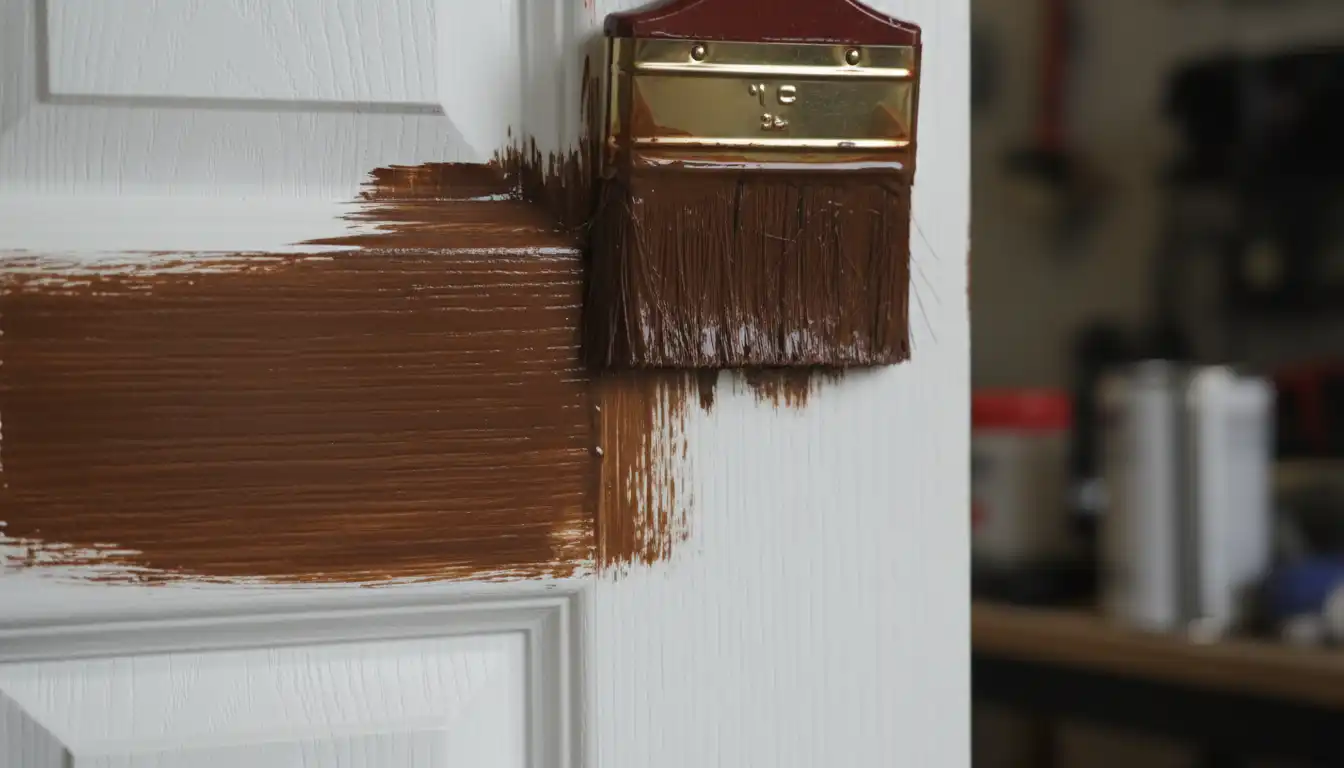
Apply the gel stain in sections, following the direction of the embossed wood grain in the fiberglass. Use a foam brush or a quality bristle brush for application. After applying the stain, use a clean, lint-free rag to wipe off the excess, again following the grain, until you achieve your desired color depth.
Does a gel-stained fiberglass door need a topcoat?
Yes, a topcoat is essential to protect the gel stain from the elements, especially for an exterior door. After the gel stain has completely dried, apply a high-quality, exterior-grade polyurethane with UV protection to prevent fading and to make the surface washable. A minimum of two coats is often recommended for optimal durability.
How long does gel stain take to dry on a fiberglass door?
Drying times can vary depending on the product, temperature, and humidity, but it generally takes 6 to 24 hours for a coat of gel stain to dry. It is important to wait until the stain is fully cured before applying a protective topcoat. Some experts suggest testing a small area with mineral spirits on a rag; if no stain comes off, it is ready for the topcoat.