
Don’t Buy Frameless Cabinets Until You Read This Guide
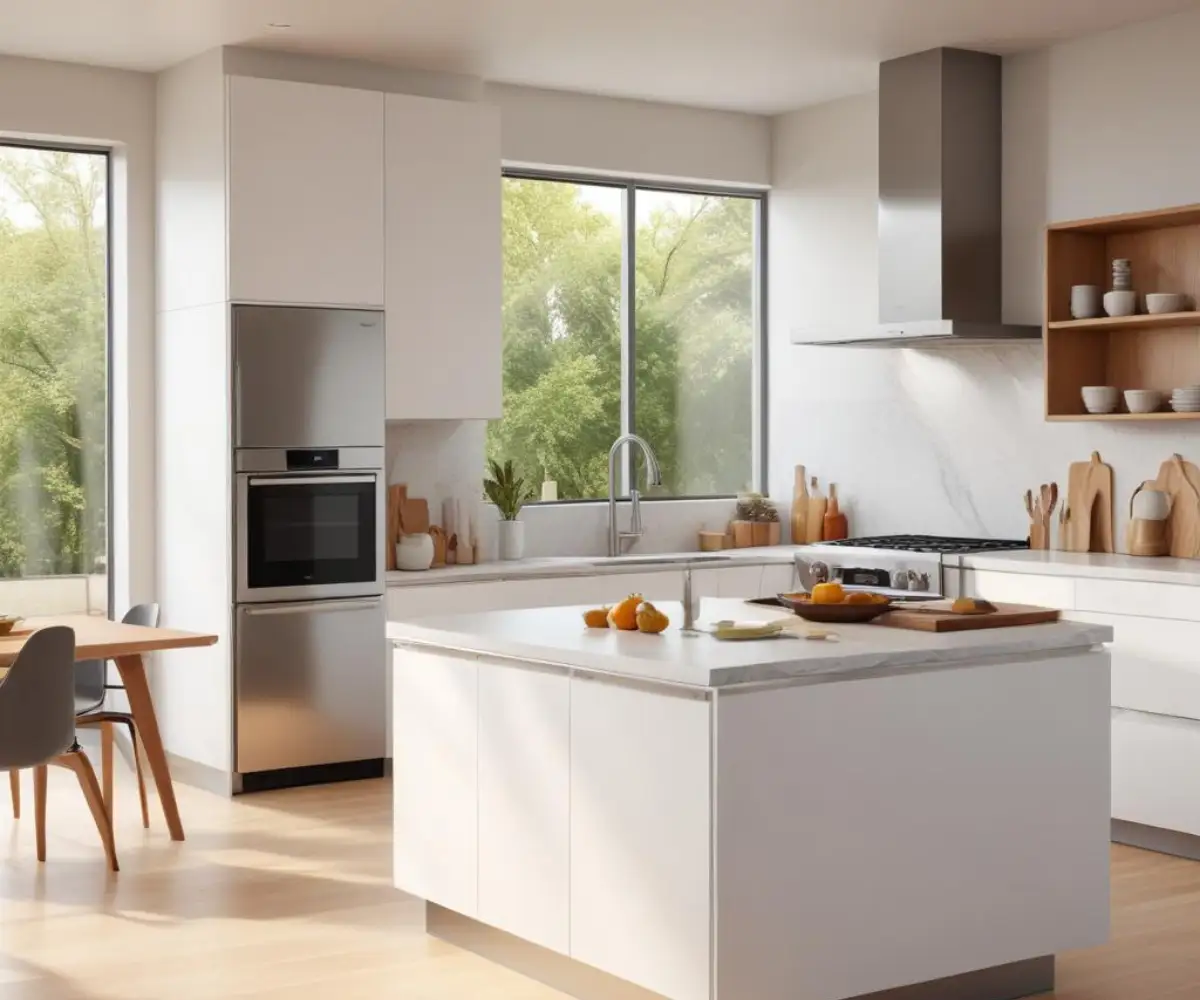
The dream of a sleek, modern kitchen often starts with a single image: seamless cabinets, clean lines, and an uncluttered feel. This popular aesthetic, heavily influenced by European design, almost always features frameless kitchen cabinets. But transforming that dream into reality is fraught with confusion, hidden costs, and potential pitfalls that can turn a renovation into a nightmare.
Many homeowners are drawn to the minimalist appeal without fully understanding what “frameless” truly means. They face an overwhelming market of brands, materials, and technical jargon, fearing they will make a costly mistake. This guide cuts through the noise, providing the critical information needed to choose the best frameless kitchen cabinets with confidence.
You'll Learn About
What Exactly Are Frameless Kitchen Cabinets?
Frameless cabinets, also known as “full-access” or “European-style” cabinets, have a simple and efficient construction. Unlike traditional American-style cabinets, they do not have a face frame attached to the front of the cabinet box. Instead, the doors and drawers attach directly to the sides of the cabinet box, creating a seamless look with minimal gaps.
This design is the key to their modern, uninterrupted appearance. The doors fully overlay the cabinet box, hiding the edges and creating the signature smooth, clean lines that define contemporary kitchen design. This construction method offers distinct advantages in both form and function.
The Great Debate: Frameless vs. Framed Cabinets
Understanding the fundamental difference between framed and frameless construction is the first step for any homeowner. Framed cabinets feature a solid wood frame (typically 1.5 inches wide) on the front, which adds rigidity and is where the doors are mounted. Frameless cabinets rely on a thicker box for stability since the face frame is eliminated.
Each style has significant implications for aesthetics, storage, and installation. While framed cabinets offer a more traditional look, frameless cabinets provide a modern aesthetic with enhanced storage space and easier access. The choice ultimately depends on your design preferences, functional needs, and budget.
| Feature | Frameless Cabinets (European Style) | Framed Cabinets (American Style) |
|---|---|---|
| Aesthetics | Sleek, modern, seamless lines with minimal reveals. | Traditional look with a visible face frame; offers more stylistic variety (e.g., inset, full overlay). |
| Storage & Accessibility | Maximum usable space and full, unobstructed access to the interior. | Slightly less interior space due to the frame and potential center stiles. |
| Durability | Relies on a thick (typically 3/4-inch) cabinet box for strength. Quality of materials and hardware is critical. | The face frame adds significant rigidity and strength to the overall structure. |
| Installation | Requires precision. Walls must be plumb and level, as there is no frame to hide imperfections. | More forgiving of uneven walls, as the frame can be scribed to fit. |
| Hardware | Requires robust, high-quality hinges and slides as they mount directly to the cabinet box. | Hinges and slides mount to the sturdy solid wood face frame. |
Why Everyone’s Talking About Frameless: The Unbeatable Benefits
The popularity of frameless cabinets isn’t just about looks. This construction style offers tangible functional advantages that have made it a go-to for designers and homeowners seeking to create a modern, efficient kitchen.
Maximum Storage and Accessibility
The term “full-access” is well-earned. By removing the face frame, frameless cabinets eliminate the annoying lip that can obstruct the opening of a framed cabinet. This provides significantly more storage space, especially in drawers, which can be wider and deeper.
Retrieving large items like serving platters, pots, and small appliances becomes much easier without a center stile dividing the cabinet opening. This maximized, easy-to-reach storage is a major selling point, particularly for smaller kitchens where every inch counts.
A Sleek, Seamless, and Modern Aesthetic
The primary visual appeal of frameless cabinetry is its clean, uninterrupted look. The full-overlay doors create tight, consistent reveals (the small gaps between doors and drawers), resulting in a smooth, flat surface that is the hallmark of modern and minimalist design.
This sleek design is often complemented by simple hardware or handle-less “push-to-open” mechanisms, further enhancing the minimalist feel. It provides a perfect canvas for high-gloss, matte, or wood grain finishes to make a powerful design statement.
Design Versatility
While strongly associated with modern design, frameless cabinets are surprisingly versatile. They can be paired with a variety of door styles, from flat slab doors for a contemporary look to a modified shaker style for a transitional kitchen. The clean foundation allows the door style and finish to define the overall aesthetic.
This adaptability is why many high-quality cabinet brands, including those in reviews of Hanssem cabinets and other leading names, have embraced frameless construction. It provides a flexible platform for a wide range of design visions.
The Hidden Dangers: What You MUST Know Before Choosing Frameless
Despite their benefits, frameless cabinets come with a unique set of challenges. Ignoring these potential issues can lead to disappointment, functional problems, and costly repairs down the road. Understanding these risks is crucial for making an informed decision.
The Strength and Durability Question
A common concern is that frameless cabinets are less sturdy than their framed counterparts. Because there is no face frame to provide rigidity, the structural integrity of the cabinet relies entirely on the box itself. If a manufacturer uses thin or low-quality materials, the cabinet can be prone to “racking” (going out of square), especially during shipping and installation.
However, a well-made frameless cabinet is exceptionally strong. The key is thick, high-quality box construction—typically 3/4-inch furniture-grade particleboard or plywood—and robust joinery methods like dowels and screws. When built correctly, they are more than durable enough for a lifetime of use. Some brands stand out for their robust construction, a factor often explored when comparing lines such as in a St. Martin Cabinets vs KraftMaid analysis.
Installation Is Absolutely Critical
This is the most important, and most overlooked, aspect of a successful frameless cabinet project. Frameless cabinets are far less forgiving of imperfections than framed cabinets. Because the doors sit flush with each other, the cabinets must be installed perfectly level and plumb on a straight wall.
If the walls are uneven, an installer cannot simply scribe a face frame to hide the gap. Shims must be used meticulously behind the cabinet boxes to create a perfectly flat plane. A poor installation will result in uneven gaps between doors, doors that don’t close properly, and a sloppy, unprofessional finish that undermines the entire aesthetic.
Potential for Racking and Hinge Issues
The doors on a frameless cabinet are mounted directly to the sides of the cabinet box. This places the full weight and stress of the door on the hinges and the cabinet wall. Using low-quality hinges or thin cabinet materials can lead to hinge failure or sagging doors over time.
Furthermore, without a face frame to hold it square, a poorly constructed or improperly installed cabinet can rack, causing drawers to bind and doors to misalign permanently. Investing in high-quality hardware and ensuring a professional installation are non-negotiable for long-term performance.
The Anatomy of a High-Quality Frameless Cabinet
To choose the best frameless cabinets, you must become an educated consumer. Look beyond the color and style and inspect the core components that determine quality and longevity. Here’s what to focus on.
The Cabinet Box: Your Foundation
The box is the backbone of the cabinet. Insist on 3/4-inch thick material for the sides, top, and bottom. This thickness is essential for the structural stability required in a frameless design. The most common high-quality materials are:
- Furniture-Grade Particleboard: Often laminated or covered in melamine, this is an excellent, stable, and cost-effective material for cabinet boxes. It’s dimensionally stable and provides a smooth, consistent surface for hardware attachment.
- Plywood: Plywood is also a durable option, known for its strength and resistance to moisture. Ensure it is a high-grade, multi-ply variety for the best performance.
- MDF (Medium-Density Fiberboard): While excellent for painted doors due to its smooth surface, MDF is heavy and less resistant to moisture, making it a secondary choice for cabinet boxes compared to particleboard or plywood.
Doors and Drawer Fronts: The Face of Your Kitchen
The material of your doors will define your kitchen’s style and durability. Popular choices include:
- MDF: The top choice for painted finishes. Its perfectly smooth and stable surface resists cracking and warping, which can occur with painted solid wood.
- High-Gloss Laminate or Acrylic: For an ultra-modern look, these materials offer a reflective, seamless finish that is durable and easy to clean. They are applied over an MDF or particleboard core.
- Wood Veneer: A thin layer of real wood is applied to a stable core like MDF or particleboard. This provides the natural beauty of wood grain without the risk of warping.
- Thermofoil: A vinyl film is heat-fused to an MDF core. While budget-friendly, it can be less durable and susceptible to heat damage.
The Unsung Hero: Hardware Is Everything
In frameless cabinetry, hardware isn’t just functional; it’s a critical structural component. Poor quality hardware will fail, rendering your cabinets frustrating to use. Look for top-tier European brands like Blum or Salice.
- Hinges: Demand 6-way adjustable, soft-close hinges. This adjustability is essential for achieving the perfect, consistent door alignment that the frameless look requires.
- Drawer Glides: The standard for quality is undermount, full-extension, soft-close glides. They provide the smoothest operation, allow full access to the drawer, and support heavy loads without issue.
Navigating the Market: Who Makes the Best Frameless Cabinets?
The market for frameless cabinets ranges from budget-friendly RTA (Ready-to-Assemble) options to high-end custom creations. Understanding the different tiers can help you find the best fit for your budget and quality expectations.
High-End & Custom Brands
European brands like Poggenpohl, Bulthaup, and Leicht represent the pinnacle of frameless cabinet design and engineering. They offer unparalleled quality, innovative features, and extensive customization but come with a premium price tag. Domestic custom cabinet makers can also produce exceptional frameless cabinets tailored to your exact specifications.
Semi-Custom & Stock Options
This is where most consumers find their sweet spot. Many major American and Canadian cabinet manufacturers now offer frameless lines, providing a balance of quality, customization, and cost. Brands like KraftMaid, MasterBrand, and various imported lines offer extensive options. Researching specific brands, like you might in Luxor Cabinets reviews, is essential in this category to understand the specific materials and hardware they use.
Budget-Friendly & RTA (Ready-to-Assemble)
IKEA is the most well-known name in this category, offering stylish and functional frameless cabinets at a very accessible price point. Their Sektion system uses quality hardware (often from Blum) and provides a durable solution if assembled and installed correctly. Other RTA companies also offer frameless options online, but quality can vary significantly, so thorough research is critical.
Your Final Checklist Before You Buy
Before you sign a contract or click “purchase,” run through this final checklist to ensure you’re getting the quality you expect and avoiding common mistakes.
- Confirm Box Thickness: Verify in writing that the cabinet boxes are constructed from 3/4-inch thick material.
- Identify the Hardware: Ask for the brand name of the hinges and drawer glides. Look for reputable names.
- Get a Door Sample: Always order a sample of your chosen door style and finish. This allows you to see the quality and color in your own home’s lighting.
- Vet Your Installer: This is the most critical step. Ask potential installers specifically about their experience with frameless cabinets. Ask to see pictures of their work and check references. A great cabinet can be ruined by a poor installation.
- Check Your Walls: Use a long level to check if your walls are straight and plumb. If they are not, discuss this with your installer beforehand so they can plan accordingly.
Frameless kitchen cabinets are an outstanding choice for creating a beautiful, functional, and modern kitchen. Their sleek appearance and superior storage capacity are undeniable advantages. By focusing on quality construction, premium hardware, and, most importantly, a precise and professional installation, you can confidently invest in cabinets that will define your home for years to come.
