
Best Electric Range for Canning: Stop Ruining Batches Now!
There’s a deeply frustrating moment every home canner knows. You have fresh produce, sterilized jars, and hours of prep work behind you. But your electric range refuses to cooperate, turning what should be a rewarding process into a gamble.
The burner cycles on and off, making it impossible to hold a steady, rolling boil. This is more than just an annoyance; inconsistent heat can lead to under-processed foods, failed seals, and dangerous spoilage. For many, the dream of a pantry stocked with homegrown goodness is shattered by an appliance that simply isn’t up to the task.
You'll Learn About
The Core Problem: Why Most Electric Ranges Fail at Canning
Modern electric ranges are designed for typical cooking, not the unique demands of canning. The primary culprit is often a built-in safety feature that causes burners to cycle their power. This prevents the cooktop from overheating but spells disaster for canning, where maintaining a continuous, vigorous boil is non-negotiable for safety and quality.
Furthermore, many popular smooth-top ranges have significant limitations. The immense weight of a large, water-filled canner can pose a serious risk of cracking the glass or ceramic surface. Reflected heat from a canner that’s wider than the burner can also cause permanent damage to the cooktop.
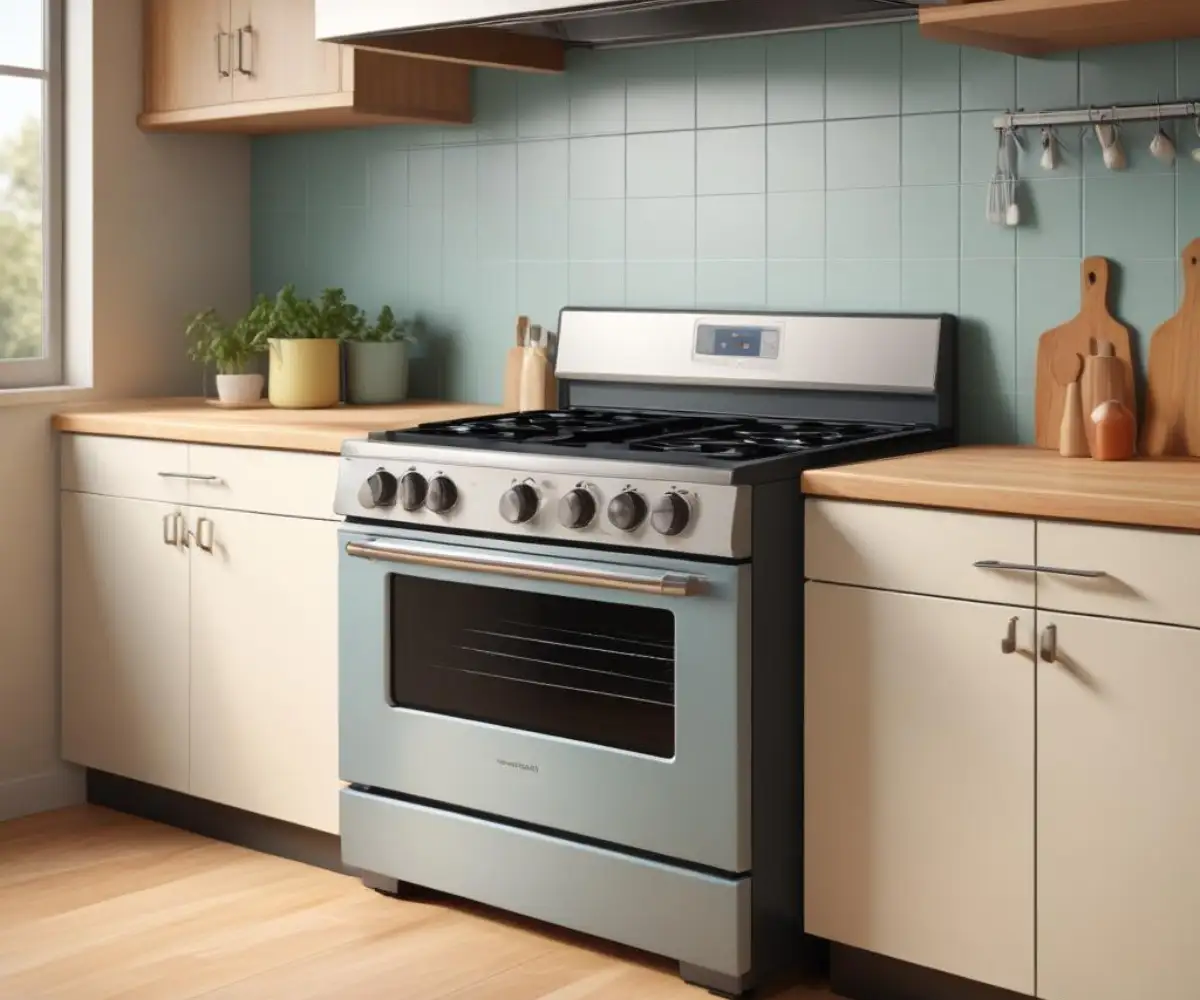
Smooth Top vs. Coil: The Great Canning Debate
The choice between a smooth glass/ceramic top and traditional coil burners is a critical one for canners. While smooth tops offer a sleek look and easy cleaning, they present several challenges. The risk of scratching from a heavy pot, cracking from weight or thermal shock, and heat cycling makes many models unsuitable.
On the other hand, electric coil ranges are often the unsung heroes of home canning. They provide direct, robust heat and their durable metal construction can easily support the weight of a heavy canner. While they may lack the modern aesthetic, their performance and reliability for canning are unmatched.
Key Features of a Canning-Friendly Electric Range
When searching for a new electric range with canning in mind, several features should be at the top of your list. Prioritizing these elements will ensure your new appliance is a reliable partner in your food preservation efforts. Don’t settle for a range that can’t meet these essential criteria.
Unwavering Heat and Power
The most crucial feature is the ability to deliver continuous, non-cycling heat. Look for models with high-wattage burners, as these will heat large volumes of water more quickly and have the power to maintain a rolling boil. Simple, manual control knobs are often more reliable than complex touchpads for holding a steady temperature.
A Durable, Weight-Bearing Cooktop
For serious canners, a heavy-duty coil cooktop is the gold standard for durability. These surfaces can handle the substantial weight of a fully loaded pressure canner without the risk of cracking that comes with glass tops. If you are considering a smooth top, you must check the manufacturer’s manual for specific weight and canner diameter limits. Many explicitly forbid using large canners.
Proper Sizing and Burner Configuration
The diameter of your canner should not be significantly larger than the burner. For smooth tops, a canner should overhang the burner by no more than one inch on any side to prevent heat from damaging the surrounding surface. Coil burners are more forgiving, but a good fit ensures efficient heat transfer.
| Feature | Smooth Top Electric Range | Coil Top Electric Range |
|---|---|---|
| Heat Consistency | Often cycles on/off, making a steady boil difficult. | Provides more consistent, direct heat suitable for boiling. |
| Weight Capacity | High risk of cracking under the weight of a full canner. Must check manual for limits. | Excellent durability and can support heavy canners. |
| Durability | Susceptible to scratches, stains, and thermal shock. | Highly durable and resistant to damage from heavy pots. |
| Canner Compatibility | Requires flat-bottomed canners and strict adherence to diameter limits. | Works with a wider variety of canners, including those with slight ridges. |
| Cleaning | Easy to wipe down. | More difficult to clean, requires removing coils and drip pans. |
| Best For | Occasional, small-batch canners who verify manufacturer approval. | Frequent, large-batch, and pressure canners. |
Beyond the Burner: Overlooked Range Features for Canners
While the cooktop is the main event for canning, the oven offers valuable secondary functions for the dedicated home preserver. Thinking about the entire appliance ensures you get the most value from your investment. A versatile oven can become an indispensable tool during a busy harvest season.
Many modern ranges offer features that extend their utility far beyond simply heating jars. For instance, a reliable “bread proof” setting can provide the perfect, consistent low heat needed for fermenting foods like yogurt or kimchi. This adds another layer of food preservation capability to your kitchen arsenal.
The Power of a Quality Oven
A high-quality oven with accurate temperature controls is a huge asset. It can be used to sterilize jars before filling, keep finished jars warm to prevent thermal shock, or even dehydrate fruits, vegetables, and herbs on low-temperature settings. A convection feature can be particularly useful for ensuring even drying when dehydrating.
A large oven capacity is also a bonus, allowing you to process more jars at once or handle other kitchen tasks while the canner is occupying the stovetop. Look for models with robust, easy-to-slide racks that can handle the weight of multiple jars safely.
Installation and Electrical Needs: A Critical Step
Proper installation is paramount for both safety and performance. An electric range is a high-power appliance that requires a dedicated, high-amperage circuit. An inadequate electrical supply can lead to poor performance and create a fire hazard.
In some cases, upgrading your kitchen for a new, more powerful range might involve significant electrical work. This could even require professional services for tasks like cutting concrete for new wiring conduits. Understanding the full scope of a major appliance upgrade, including potential renovation costs like the expense of cutting concrete for new plumbing, is important for budgeting.
Ensuring a Safe and Stable Setup
Your range must be perfectly level to ensure even heating and prevent canners from tipping. Also, consider the ventilation in your kitchen. Canning generates a tremendous amount of heat and steam, so good airflow or a powerful range hood is essential for comfort and to prevent moisture damage to your home.
When installing a range hood or a pot rack above your stove for storage, ensuring it is securely mounted into wall studs is crucial. If you find your tools are unreliable, learning why your stud finder is not accurate can save you from a costly and dangerous installation error.
Making the Final Decision
Choosing the best electric range for canning means prioritizing function over form. While a sleek glass top may look appealing, a robust coil stove often provides the power, durability, and consistent heat that serious home canners require. Always check the manufacturer’s documentation regarding canning before making a purchase, as some explicitly void the warranty if a canner is used on their cooktop.
By focusing on continuous heat delivery, weight capacity, and durable construction, you can find an electric range that will serve as a reliable workhorse in your kitchen. This will allow you to preserve your harvest with confidence, knowing your equipment is helping you create safe, delicious, and shelf-stable food for your family.
Frequently Asked Questions
Can I use a smooth-top electric range for canning?
It depends on the manufacturer’s recommendations for your specific stove. Some manufacturers advise against canning on their smooth-top ranges due to the risk of cracking the glass from the weight of a large canner. It’s crucial to use a canner with a flat bottom to ensure complete contact with the burner for consistent heat.
Are coil-top electric ranges better for canning?
Traditional coil electric stoves are often considered suitable for water bath canning. They are durable and can typically support the weight of heavy canners. However, it’s important to use a flat-bottomed canner to ensure even heat distribution and prevent heat from getting trapped, which could damage the burner.
What about induction ranges for canning?
Induction cooktops offer precise temperature control, which can be beneficial for canning. However, you must use induction-compatible cookware, meaning the canner must have a magnetic bottom. Many aluminum canners are not suitable for induction cooktops.
Can I use a pressure canner on an electric range?
Many experts do not recommend pressure canning on smooth-top electric ranges because the fluctuating temperatures of some burners can make it difficult to maintain a steady pressure. The weight of a pressure canner is also a significant concern for glass or ceramic cooktops. For coil-top stoves, it is possible, but you must ensure your stove can support the weight and provide consistent heat.
What size canner is safe to use on an electric range?
For smooth-top ranges, the canner’s diameter should not be more than one inch larger than the burner. On coil-top stoves, the canner can extend up to two inches beyond the burner. Exceeding these recommendations can cause heat to transfer outward and damage the surrounding cooktop surface.
Final Words
Choosing the right electric range transforms canning from a stressful gamble into a rewarding seasonal ritual. By prioritizing a model with sturdy coil elements or a reinforced glass cooktop designed for heavy weight, you ensure the consistent, high-heat output necessary for safe processing. Remember to pair your stove with a flat-bottomed canner to prevent heat fluctuations and potential glass damage.
With the right equipment in your kitchen, you can finally stop worrying about cracked surfaces or under-processed jars and focus on what matters: filling your pantry with delicious, shelf-stable harvests that last all year.
