
Best Aluminum Windows: The #1 Mistake You Can’t Afford
Choosing new windows feels overwhelming. You are navigating a sea of materials, from classic wood to affordable vinyl, but modern, sleek aluminum windows keep catching your eye. They promise durability, slim frames, and a clean aesthetic that can transform a home’s appearance, making them a popular choice for both new construction and renovations.
However, a hidden flaw in many aluminum windows can turn this smart investment into a source of constant frustration. This single oversight leads to higher energy bills, uncomfortable drafts, and even moisture damage inside your home. Making the wrong choice means you will not only overspend on utilities but may also face costly repairs down the road, all while compromising the comfort you expect.
This guide exposes the most common and costly mistake homeowners make when selecting aluminum windows. We will delve into the critical technology that separates a high-performance window from an inefficient one and provide a clear roadmap to help you choose the best aluminum windows that deliver on their promises of style, strength, and long-term value.
You'll Learn About
Why More Homeowners Are Turning to Aluminum Windows
Aluminum windows have surged in popularity for compelling reasons that solve many common homeowner challenges. Their inherent strength allows for slimmer, less bulky frames compared to vinyl or wood. This minimalist design maximizes the glass area, flooding rooms with natural light and offering broader, less obstructed views of your garden and surroundings.
Beyond aesthetics, aluminum is exceptionally durable and low-maintenance. It does not warp, crack, or swell in response to humidity and temperature changes, making it a reliable choice for almost any climate. Unlike wood, aluminum frames never need painting or staining, and they are naturally resistant to rust and corrosion, ensuring they look great for decades with minimal upkeep.
The Hidden Flaw: Understanding Thermal Performance
The single most critical mistake homeowners make is choosing aluminum windows without an adequate thermal break. Aluminum is a highly conductive metal, meaning it transfers heat and cold very easily. An aluminum window frame without this feature will act as a superhighway for outdoor temperatures to enter your home, making rooms chilly in the winter and hot in the summer.
A thermal break is a strip of low-conductivity material, typically a strong polyamide, placed between the interior and exterior aluminum frame components. This barrier effectively stops the flow of thermal energy. Without it, your windows will be incredibly inefficient, leading to skyrocketing energy bills and uncomfortable drafts. Condensation can also form on the interior of the frame, which can lead to moisture damage and mold growth over time.
How to Identify a Quality Thermal Break
When inspecting a window, look for a distinct, non-metallic line separating the inner and outer frame profiles. High-quality thermal breaks are made from reinforced polyamide (PA66), which offers superior insulation and durability compared to cheaper PVC alternatives. Insist on a PA66 thermal break, as it withstands high temperatures and resists aging far better, ensuring the window’s long-term performance and efficiency.
Key Features to Scrutinize in the Best Aluminum Windows
Beyond the essential thermal break, several other features distinguish a superior aluminum window from a mediocre one. Paying attention to these details ensures you invest in a product that is not only efficient but also durable and secure.
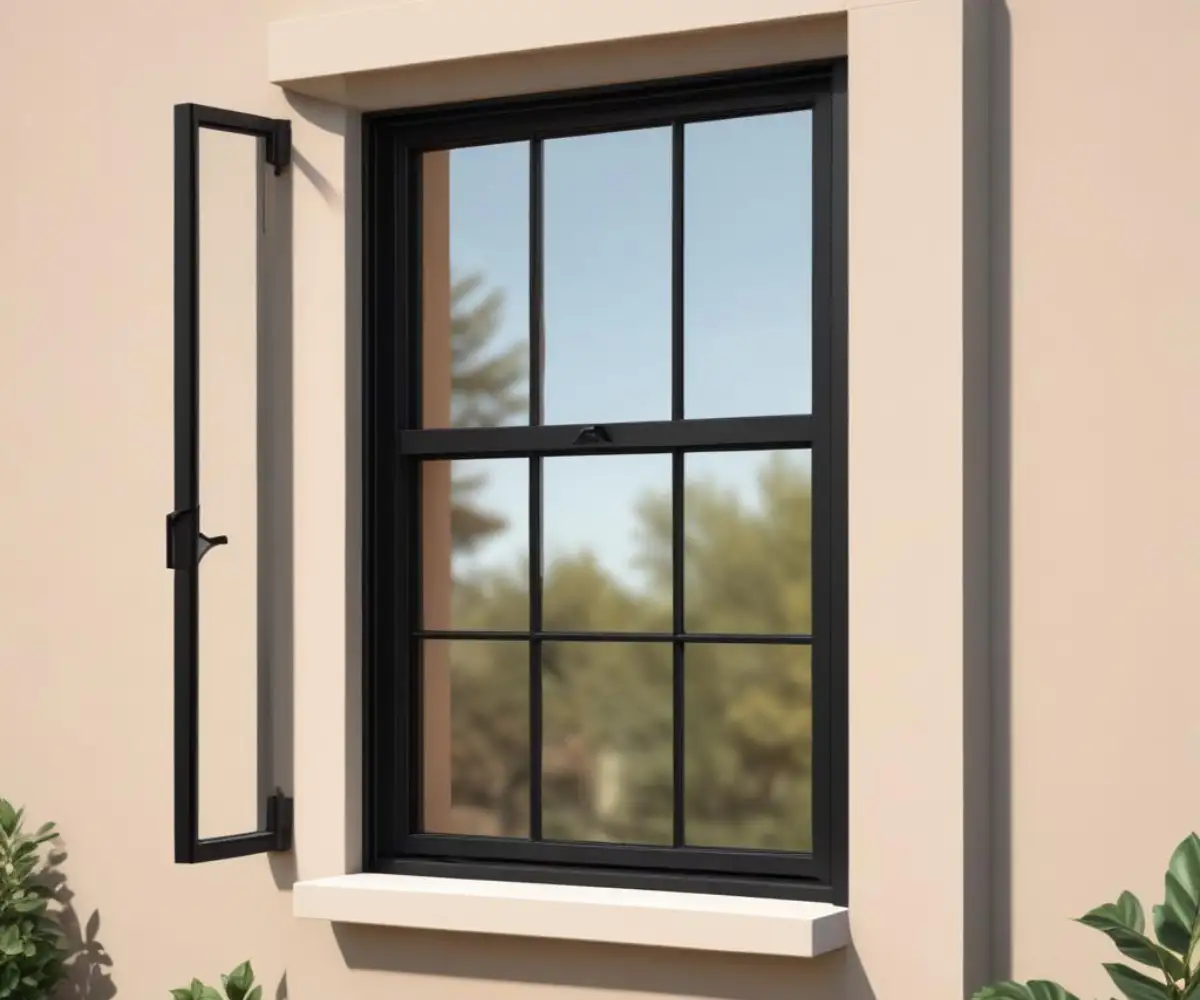
Frame Finish and Durability
The finish on an aluminum window does more than just provide color; it protects the frame from the elements. The highest standard for this is set by the American Architectural Manufacturers Association (AAMA). Look for finishes that meet AAMA 2605 standards, which guarantee the highest level of resistance to color fading, chalking, and corrosion for over ten years.
This level of quality is especially crucial in harsh environments, such as coastal areas with salt spray or regions with intense sun exposure. A lesser finish, like AAMA 2603 or 2604, will not offer the same long-term protection, potentially leading to a worn appearance in just a few years.
Glazing and Glass Options
The frame and glass must work together for optimal performance. Modern aluminum windows should have at least double-pane glass with a Low-E (low-emissivity) coating. This microscopic coating reflects infrared light, keeping heat out in the summer and inside during the winter. For even greater efficiency, consider triple-pane glass and argon gas fills between the panes, which further reduces heat transfer.
Hardware and Security
High-quality hardware is essential for the smooth operation and security of your windows. Check the handles, locks, and hinges to ensure they feel solid and operate smoothly. For casement and awning windows, look for multi-point locking systems that secure the sash in several places, creating a tighter seal and enhanced security against forced entry.
NFRC Ratings: Your Cheat Sheet
The National Fenestration Rating Council (NFRC) provides unbiased energy performance ratings for windows. The NFRC label helps you compare products by showing key metrics. The two most important are the U-Factor, which measures how well the window prevents heat from escaping, and the Solar Heat Gain Coefficient (SHGC), which measures how well it blocks heat from the sun. For both, lower numbers are better.
This table illustrates the dramatic performance difference between a standard aluminum window and one with a quality thermal break.
| Performance Metric | Standard Aluminum Window (No Thermal Break) | Thermally Broken Aluminum Window |
|---|---|---|
| U-Factor (Lower is Better) | 0.80 – 1.20 | 0.25 – 0.45 |
| Solar Heat Gain Coefficient (SHGC) (Lower is Better) | 0.50 – 0.70 | 0.20 – 0.35 |
| Condensation Potential | High | Very Low |
| Best For | Temperate climates with minimal temperature swings | All climates, especially those with hot summers or cold winters |
Aluminum vs. Other Materials: An Honest Comparison
Homeowners often struggle to decide between aluminum, vinyl, and wood. While each material has its place, understanding their core differences helps you choose the right fit for your home and priorities.
Strength and Views
When it comes to strength, aluminum is the clear winner. Its rigidity allows for much thinner frames that can support large expanses of glass, making it the ideal choice for picture windows, sliding glass doors, and modern architectural designs where maximizing the view is a priority. Vinyl frames are typically thicker and can sometimes look bulky in large openings, and some homeowners worry about sagging vinyl windows over time in extreme heat.
Energy Efficiency and Cost
Historically, vinyl and wood offered better insulation than aluminum. However, with advanced thermal break technology, high-performance aluminum windows are now highly competitive. While vinyl is often the most budget-friendly option upfront, its lifespan can be shorter. Wood offers excellent insulation but comes with a high price tag and significant maintenance requirements.
Thermally broken aluminum strikes a balance, offering excellent durability and energy efficiency at a mid-range price point, providing strong long-term value.
Common Questions About Aluminum Windows Answered
Even with their growing popularity, misconceptions about aluminum windows persist. Addressing these common questions can provide clarity and confidence in your decision.
Aren’t aluminum windows prone to condensation?
This is only true for outdated, non-thermally broken windows. Modern aluminum windows with a proper thermal break keep the interior frame surface warmer, drastically reducing the risk of condensation. When combined with double-pane glass, condensation is rarely an issue.
Are they only suitable for modern-style homes?
While their sleek lines are a hallmark of modern design, aluminum windows are incredibly versatile. They are available in a wide array of powder-coated colors and finishes, including textures that can complement traditional, transitional, and rustic homes. The ability to have a different color on the interior and exterior frames adds further design flexibility.
How do they perform in coastal or very wet climates?
Aluminum is an excellent choice for coastal areas due to its natural corrosion resistance. When protected with a high-performance AAMA 2605 certified finish, the frame can easily withstand salt spray and high humidity without degrading, a significant advantage over wood which can rot and steel which can rust.
Making the Final Decision: A Checklist for Success
Choosing the best aluminum windows comes down to verifying a few key technical specifications. Use this checklist to ensure you are investing in a product that will deliver lasting performance and value.
- Confirm a Thermal Break: Ask the supplier to show you the thermal break in a cross-section of the frame. Ensure it is made of reinforced polyamide, not PVC.
- Verify the Finish Standard: Look for a finish that is certified to AAMA 2605 standards for maximum durability and color retention.
- Analyze the NFRC Label: Compare the U-Factor and SHGC. For most climates, a U-Factor below 0.35 and an SHGC below 0.30 indicate a high-performance window.
- Choose the Right Glass Package: Select at least double-pane glass with a Low-E coating. Consider argon gas fill for enhanced insulation in colder climates.
- Inspect the Hardware: Test the locks and handles. Ensure they are robust and operate smoothly. Inquire about multi-point locking systems for added security.
- Think About Window Coverings: Once you have selected your new windows, consider how you will dress them. For guidance on pairing coverings with new installations, explore options for blinds for replacement windows.
By focusing on these critical details, you can confidently choose aluminum windows that will enhance your home’s beauty, comfort, and efficiency for years to come. Avoiding the common mistake of overlooking the thermal break is the key to unlocking the true potential of this durable and stylish material.
