
Bernhardt vs Ethan Allen: The #1 Mistake to Avoid Before You Buy
Choosing new furniture is a monumental decision for any homeowner. It’s an investment not just in the aesthetics of your space, but in your comfort and daily life for years to come. When navigating the premium furniture market, two names invariably rise to the top: Bernhardt and Ethan Allen. Both brands boast long legacies of quality and design, yet they cater to distinctly different tastes and priorities. The core problem for discerning buyers is cutting through the marketing noise to understand which brand truly aligns with their lifestyle, budget, and vision for their home. Making the wrong choice can lead to years of buyer’s remorse, a space that doesn’t feel quite right, and the frustrating feeling of a significant investment not fully realized.
This decision-making paralysis is common. You’re not just buying a sofa or a dining table; you’re curating an environment. This guide is designed to eliminate that confusion by providing a clear, comprehensive comparison. We will delve deep into the foundational differences in their design philosophies, manufacturing processes, quality of materials, and overall value proposition, empowering you to make a confident and informed choice that you’ll love for a lifetime.
You'll Learn About
Meet the Titans: A Tale of Two Philosophies
Understanding the heritage of each company is the first step in appreciating their unique offerings. Both are storied American brands, but their paths and focuses have diverged, shaping the products they create today. This history is not just trivia; it’s the DNA of every piece they produce.
Bernhardt: A Legacy of Fashion-Forward Design
Founded in 1889 in Lenoir, North Carolina, Bernhardt is one of the country’s largest family-owned furniture companies. It has built a reputation for being a fashion-forward and style-setting brand. Bernhardt is often seen as a go-to for interior designers, known for its luxurious materials, sophisticated silhouettes, and willingness to embrace contemporary and eclectic styles. While they offer traditional pieces, their strength lies in creating statement furniture that reflects current design trends with a timeless appeal.
Bernhardt’s approach is global, operating manufacturing facilities in North Carolina while also sourcing select case goods and materials from workshops in Asia and Europe. This global supply chain allows them to incorporate diverse materials and design influences. The brand is synonymous with high-end, aspirational living, often featuring exotic woods, lavish fabrics, and intricate detailing that cater to a discerning clientele seeking luxury and uniqueness.
Ethan Allen: The Epitome of Classic American Style
Ethan Allen’s story begins in 1932, rooted in the classic styles of American history. Named after a Revolutionary War hero, the company established itself by crafting furniture that embodies timeless, traditional American design. Their philosophy centers on creating comfortable, well-made, and enduring pieces that can be passed down through generations. Approximately 75% of their products are manufactured in their own North American workshops, a point of pride that underscores their commitment to domestic craftsmanship.
The brand is renowned for its free interior design service, positioning itself not just as a retailer but as a home design partner. Ethan Allen’s aesthetic leans more towards classic, transitional, and country styles, with a strong emphasis on customization. They offer a vast array of fabric, finish, and hardware options, allowing customers to personalize pieces to fit their exact specifications, making them a popular choice for families and those who value a cohesive, professionally guided design experience.
A Head-to-Head Comparison: Where It Matters Most
When you’re deciding between two premium brands, the devil is in the details. A surface-level glance might show two companies making high-quality furniture, but a deeper dive reveals crucial differences in their approach to design, construction, and customer experience. Let’s break down the key areas that will influence your decision.
Design Aesthetic and Style Spectrum
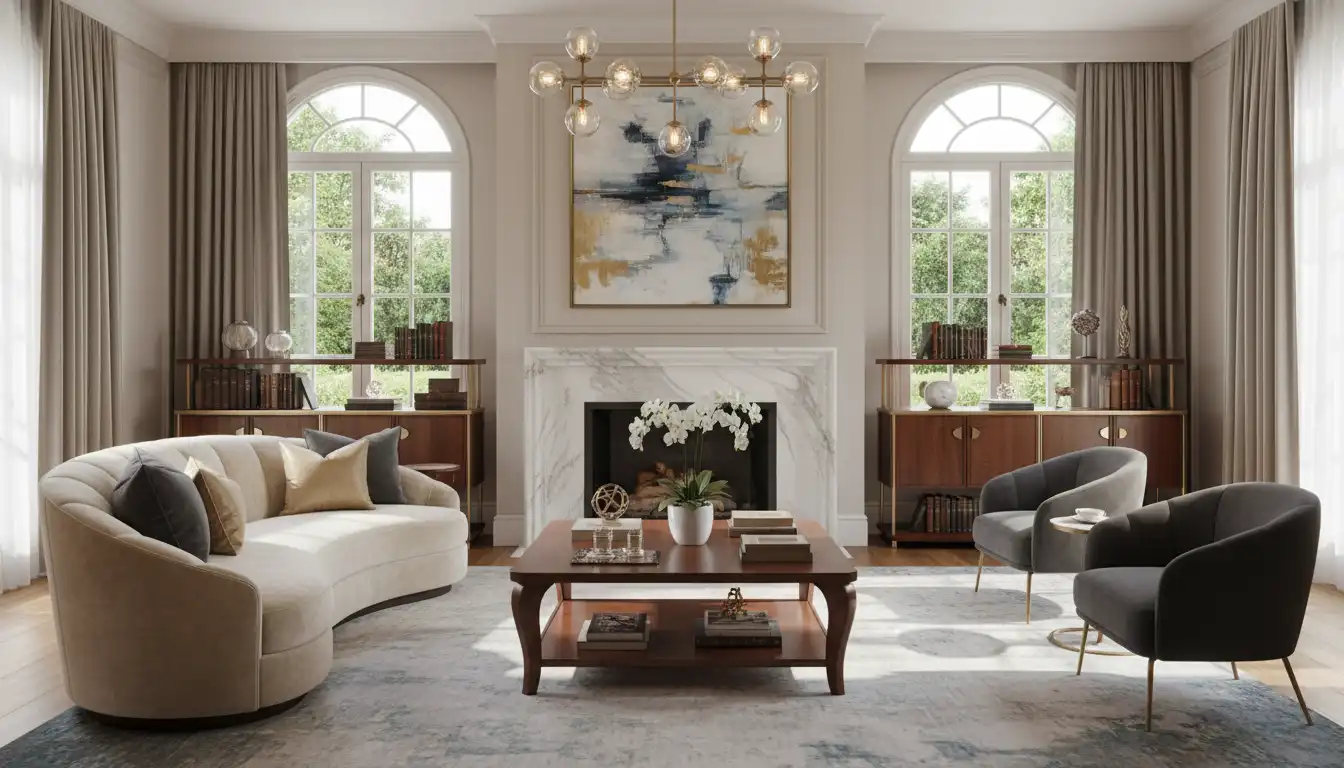
The most immediate differentiator between Bernhardt and Ethan Allen is their design language. Your personal style will likely be the biggest factor in determining which brand’s catalog speaks to you. Think of it as choosing between a high-fashion runway show and a classic, impeccably tailored suit—both are high quality, but they serve different purposes.
Bernhardt is decidedly more contemporary and eclectic. Their collections often feature clean lines, mixed materials like metal and stone, and dramatic proportions. They are not afraid to be bold, making them an excellent choice if you want your furniture to be a centerpiece and a conversation starter. If you follow design trends and desire a modern, luxurious feel, Bernhardt is your likely match.
Ethan Allen, in contrast, champions timelessness. Their styles range from colonial-inspired classics to relaxed, modern farmhouse aesthetics. Their pieces are designed to be versatile and enduring, less about capturing a specific moment in design and more about creating a warm, inviting, and classic atmosphere. If your taste leans toward traditional, transitional, or comfortable classicism, Ethan Allen’s offerings will feel like home.
Craftsmanship and Material Quality
Both companies are regarded as producers of high-quality furniture, but their manufacturing approaches differ, which can impact the final product. Both utilize premium materials like solid wood, high-quality veneers, and top-grain leathers. However, the construction details and sourcing can vary.
Ethan Allen places a strong emphasis on its North American manufacturing, with many of its solid wood pieces handcrafted in its Vermont workshops. They often use traditional woodworking techniques, which appeals to buyers who value domestic production and heirloom-quality construction. Their commitment to kiln-dried hardwood frames and durable joinery ensures longevity.
Bernhardt also maintains a significant manufacturing presence in the U.S., particularly for its upholstered furniture. Their case goods (dressers, tables, etc.) often feature high-quality veneers over engineered hardwood cores to prevent warping, a practical consideration for longevity. While some buyers prioritize 100% solid wood, this modern construction method can offer superior stability in various climates. Thinking about the total climate control of your home is crucial; for instance, the cost to relocate an air handler might be a worthwhile investment to protect fine furniture from extreme humidity swings.
The Customization Experience
This is a category where Ethan Allen truly shines and builds its brand identity. The company offers an extraordinary level of personalization. Customers can choose from hundreds of fabrics and leathers, a wide variety of wood finishes, and even select different hardware for their case goods. Their free design service is a significant value-add, helping clients navigate these choices to create a cohesive look. For the homeowner who wants a truly bespoke piece tailored to their space, Ethan Allen’s customization process is hard to beat.
Bernhardt also offers customization, particularly for their upholstery, with a curated selection of high-end fabrics and leathers. However, the breadth of options is generally not as extensive as Ethan Allen’s. Bernhardt’s focus is more on offering impeccably designed, pre-configured collections. The “customization” is often in selecting from their expertly curated palettes rather than building a piece from the ground up.
| Feature | Bernhardt | Ethan Allen |
|---|---|---|
| Primary Style | Modern, Eclectic, Fashion-Forward, Luxurious | Classic, Traditional, Transitional, American Style |
| Manufacturing Focus | U.S. Upholstery, Global Sourcing for Case Goods | Approx. 75% North American Made, Vertically Integrated |
| Customization Level | High-quality curated fabric/leather options | Extensive options for fabric, finish, and hardware |
| Design Service | Available through retail partners | Free, complimentary in-house design service |
| Price Point | Premium to Luxury | Upper-Mid to Premium |
| Best For | Making a design statement; modern aesthetics | Timeless investment; personalized design |
Beyond the Showroom: Factors You Haven’t Considered
Choosing between these two brands isn’t just about style and wood joinery. Several other crucial factors can impact your long-term satisfaction. These are the details that often go unmentioned but can make a significant difference in how you live with and perceive your investment.
Long-Term Value and Resale Potential
High-quality furniture is an investment, and like any investment, its long-term value matters. Vintage Ethan Allen pieces, particularly from their classic collections, have a strong following in the secondhand market. Their timeless designs ensure that they don’t look dated, making them easier to resell if your style evolves.
Bernhardt’s resale value can be more dependent on the specific collection. Because their designs are more trend-driven, a piece from a popular collection may hold its value well, while a more niche, avant-garde item might have a smaller pool of potential buyers. However, for the right buyer seeking a specific high-end look, a Bernhardt piece can be highly coveted.
Integration with a Modern, Evolving Home
Today’s homes are not static. We incorporate technology, our design tastes change, and the very layout of our rooms may need to adapt. When selecting furniture, consider its adaptability. Ethan Allen’s classic forms are often easier to integrate into new design schemes. A traditional cherry wood chest can be modernized with new hardware or placed in a more contemporary setting as an anchor piece. The principles of good design are universal, and foundational choices like considering the 12×24 tile direction in a bathroom can influence the flow and feel of an entire home, impacting how new furniture will be perceived.
Bernhardt’s statement pieces, while beautiful, can sometimes be less flexible. A sofa with a very distinct silhouette or a table with dramatic metal inlays might be harder to re-imagine in a different decor style years down the line. It’s a commitment to a specific aesthetic vision. It is also important to maintain the tools needed for any home project, as you never know when you might need them for assembly or repairs. Dealing with a DeWalt 20v battery that won’t charge can halt a project in its tracks, reminding us of the importance of readiness.
Sustainability and Ethical Sourcing
For a growing number of consumers, the story behind the product is as important as the product itself. Ethan Allen’s emphasis on North American manufacturing provides a greater degree of transparency in its supply chain. They have more direct control over labor practices and environmental standards in their own workshops.
Bernhardt is also committed to ethical sourcing and environmental stewardship, earning awards for its corporate performance. As a global company, they partner with international workshops, which brings a world of design possibilities but also a more complex supply chain to manage. Both companies are reputable, but if domestic production is a key ethical consideration for you, Ethan Allen has a distinct advantage.
Making Your Final Decision: A Practical Guide
You’ve absorbed the history, compared the styles, and considered the nuances. Now it’s time to turn that knowledge into a confident decision. Follow these steps to choose the brand that’s right for you.
Step 1: Define Your Personal Style Profile
Be brutally honest with yourself. Are you drawn to the pages of Architectural Digest with its sleek, modern interiors, or do you feel more at home in a cozy, classic space reminiscent of a historical home? Create a mood board. If it’s filled with bold lines, mixed materials, and a sophisticated, contemporary edge, start your journey in a Bernhardt showroom. If it features warm woods, comfortable upholstery, and timeless silhouettes, your first stop should be Ethan Allen.
Step 2: Assess Your Need for Customization and Guidance
How comfortable are you as a designer? If the thought of choosing from hundreds of fabrics and finishes is exciting and you want to put your unique stamp on every detail, Ethan Allen is built for you. Their design service is the perfect safety net, providing professional guidance to ensure your vision comes to life cohesively.
Conversely, if you trust the eye of world-class designers and prefer to choose from a more curated set of options, Bernhardt offers a more streamlined path. You’re selecting a piece of art that has already been perfected, rather than commissioning one from scratch.
Step 3: Set a Realistic Budget
While both brands are in the premium category, there are pricing differences. Generally, Ethan Allen can offer more entry points in the upper-mid price range, while Bernhardt often starts at a higher premium and extends into the true luxury tier. Be clear about your budget for a particular piece or room, and investigate the collections from each brand that fall within that range.
Step 4: Experience the Furniture in Person
This is non-negotiable. No amount of online research can replace the experience of sitting on a sofa, running your hand over a wood finish, or opening the drawers of a dresser. Visit showrooms for both brands. Pay attention to the comfort of the cushions, the smoothness of the drawer glides, and the overall presence of the furniture in a room. This tactile experience will often make the final decision for you.
Conclusion: Your Home, Your Choice
The “Bernhardt vs Ethan Allen” debate has no single winner, only the right choice for an individual homeowner. Bernhardt offers fashion-forward design, luxurious materials, and statement pieces for the modern home. Ethan Allen provides timeless American style, unparalleled customization, and a partnership in the design process. The mistake to avoid is choosing a brand based on reputation alone. The best decision comes from a deep understanding of your own style, your long-term goals for your home, and the subtle but significant differences in each company’s philosophy. By using this guide, you can move beyond the brand names and choose the furniture that will not only fill your space but also enrich your life for years to come.
