
Benjamin Moore Silver Mist: The Ultimate Review Before You Paint
Choosing the perfect paint color often feels like a monumental task. You stand in front of a wall of a thousand subtly different swatches, trying to envision how a tiny paper square will translate to your entire living room. The problem is that a paint color is never just one color; it’s a dynamic surface that changes with the light, the furniture, and even the view outside your window.
This challenge is perfectly embodied by one of Benjamin Moore’s most beautiful and complex shades: Silver Mist (1619). It’s a color that promises serenity and sophistication but often leaves homeowners wondering what color it truly is. Is it blue, is it green, or is it a soft gray? The answer is all of the above, and that chameleon-like quality is both its greatest strength and its most significant challenge.
You'll Learn About
Decoding the Mystery: Why Silver Mist Shifts and Changes
The core of Silver Mist’s complex character lies in its undertones and its Light Reflectance Value (LRV). Understanding these two factors is the key to predicting how this elusive color will behave in your specific environment.
The Science of Silver Mist: Undertones and LRV Explained
At its heart, Benjamin Moore Silver Mist is a delicate, light shade with prominent blue and gray undertones. However, a subtle hint of green can also emerge, especially in certain lighting conditions. This trifecta of undertones is what makes the color so dynamic and versatile.
The Light Reflectance Value (LRV) of Silver Mist is approximately 62-63. LRV is measured on a scale from 0 (absolute black) to 100 (pure white), indicating how much light a color reflects. With an LRV of 62, Silver Mist sits firmly in the light range, meaning it will bounce a good amount of light around a room, helping to make the space feel brighter and more open. However, it’s not so high that it feels stark or washed out.
The #1 Factor: How Lighting Dictates Silver Mist’s True Color
More than any other factor, lighting determines which of Silver Mist’s undertones will come to the forefront. The direction of your natural light and the temperature of your artificial light bulbs can dramatically alter the appearance of this color.
In north-facing rooms, which receive cooler, indirect light, Silver Mist’s blue and gray undertones will be most prominent. It will look like a crisp, silvery blue-gray, creating a serene and sophisticated atmosphere. This is an excellent choice for bedrooms or home offices where a calm focus is desired.
Conversely, in south-facing rooms with warm, bright light throughout the day, the subtle green undertones can make an appearance. The color will feel softer, warmer, and may lean more towards a muted aqua or sea glass shade. It’s in these spaces that Silver Mist feels most spa-like and tranquil.
East and west-facing rooms offer a changing canvas. In the morning’s warm eastern light, it might look softer and greener, while in the afternoon’s western light, it could cool down to its blue-gray base. Artificial lighting adds another layer; warm-toned bulbs (2700K) will pull out the green, while cool-toned bulbs (4000K+) will emphasize the blue and gray.
Making Silver Mist Work: A Practical Guide to Application
Harnessing the beauty of this color means being intentional about where you use it and what you pair it with. When used thoughtfully, Silver Mist can elevate a wide variety of spaces, from traditional to contemporary.
The Best Rooms and Applications for Silver Mist
The calming and airy nature of Silver Mist makes it a natural fit for restful spaces. It is a stunning choice for bedrooms and bathrooms, where it creates a tranquil, spa-like retreat. Its sophisticated feel also works beautifully in living rooms and dining rooms, providing a chic and elegant backdrop for furnishings.
But don’t limit this color to just your walls. Silver Mist is an exceptional choice for kitchen or bathroom cabinets. When paired with a crisp white countertop and classic hardware, it offers a refreshing alternative to the all-white kitchen, adding a touch of soft color without overwhelming the space. It can also be used to revive an old piece of furniture, turning a dated dresser or console table into a stylish focal point.
The Art of Coordination: What to Pair with Silver Mist
Creating a cohesive color palette is crucial for success. Silver Mist’s cool, complex nature pairs beautifully with a range of colors and materials. The key is to create balance. Since Silver Mist is a cool color, pairing it with warm tones and textures prevents a room from feeling cold or sterile.
For trim, a clean, crisp white is the perfect choice to make Silver Mist pop. Consider Benjamin Moore’s Chantilly Lace OC-65 for a bright, pure white or Benjamin Moore’s White Dove OC-17 for a slightly softer, warmer white. These create a clean, classic border that frames the wall color beautifully.
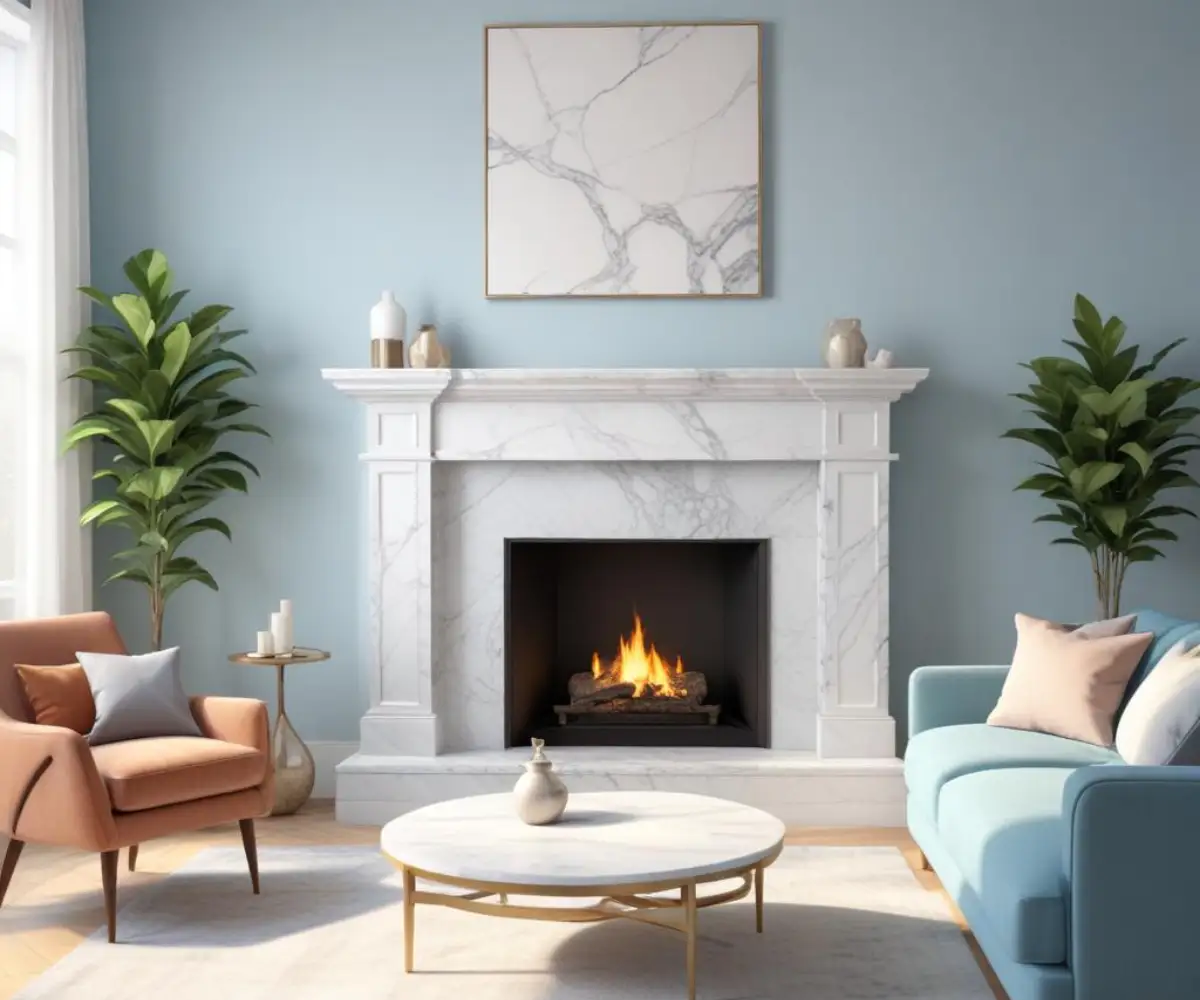
When it comes to other materials, warm wood tones are Silver Mist’s best friend. The richness of walnut, oak, or even honey-toned pine provides a beautiful contrast to the cool walls. In a living room, this could be a wooden coffee table or the frame of a cozy fireplace. Silver Mist creates a stunning backdrop for such a feature, making the hearth the true heart of the home. As you settle in, ensure all your comforts are at hand; after all, knowing what to do if you lose your fireplace remote can be a real lifesaver for a relaxing evening.
For flooring, consider light wood floors or tiles in warm beige or soft gray. For a modern bathroom, pairing Silver Mist walls with the right flooring is essential. Homeowners are increasingly exploring innovative and stylish flooring solutions; reading reviews for connexion quick lock tile can offer insight into contemporary options.
Silver Mist in Comparison: How It Stacks Up
To truly understand a color, it helps to compare it to its popular alternatives. Seeing Silver Mist next to other well-known shades highlights its unique qualities and helps you decide if it’s the right choice for your project.
Silver Mist vs. Sherwin-Williams Sea Salt
Perhaps the most common comparison is with Sherwin-Williams Sea Salt (SW 6204). While they share a similar light, airy feel, they are quite different. Sea Salt has much more pronounced green undertones, making it a true green-gray. Silver Mist, by contrast, is distinctly bluer and cooler. If you want a color that leans more toward seafoam or sage, Sea Salt is your answer. If you prefer a crisper, more silvery-blue feel, Silver Mist is the clear winner.
Silver Mist vs. Other Benjamin Moore Colors
Within the Benjamin Moore family, colors like Healing Aloe (1562) and Palladian Blue (HC-144) are often considered. Healing Aloe is much greener and lighter, a true whisper of mint. Palladian Blue is more saturated and has a stronger blue-green presence, making it more of a statement color. Silver Mist remains the more subtle, gray-dominant option of the group, prized for its sophisticated neutrality.
The table below provides a quick reference for how Silver Mist compares to these popular alternatives based on their primary characteristics.
| Paint Color | Brand | LRV | Primary Undertone | Best For |
|---|---|---|---|---|
| Silver Mist (1619) | Benjamin Moore | 62.21 | Blue-Gray | Creating a calm, sophisticated, and silvery feel. |
| Sea Salt (SW 6204) | Sherwin-Williams | 63 | Green-Gray | A soft, coastal, spa-like vibe with more warmth. |
| Healing Aloe (1562) | Benjamin Moore | 70.15 | Soft Green | A very light, airy, and fresh minty look. |
| Palladian Blue (HC-144) | Benjamin Moore | 60.43 | Blue-Green | Making a slightly bolder, more colorful statement. |
The Foolproof Method: Testing Silver Mist Before You Commit
Given its changeable nature, testing Silver Mist in your own space is not just recommended—it’s essential. A small paint chip from the store is not enough to understand how this color will truly look on your walls, surrounded by your light and your furnishings.
Why You Must Sample
The biggest mistake homeowners make is skipping the sampling process. A color that looked like the perfect silvery blue in the store can suddenly appear baby blue or mint green once it’s on all four walls. This is because the existing wall color, the flooring, and the amount of light all influence your perception of the new shade.
To avoid costly repainting, invest in a sample pot or, even better, large peel-and-stick samples. Paint a large poster board (at least 2 feet by 2 feet) with two coats of your sample paint. This allows you to move the color around the room without marking up your walls. Place it on different walls, observe it in the morning, at noon, and in the evening with the lights on. This is the only way to see its full range and ensure you love it in every light.
If your room opens up to a garden or green space, the color of the foliage outside can reflect onto the walls, subtly influencing the paint’s appearance. A beautiful view can inspire the entire feel of a room, and for some, the joy of a home extends to the garden itself. For those looking to cultivate their own green space, you might even be inspired to hire someone to build a vegetable garden to complete the picture.
Final Verdict: Is Benjamin Moore Silver Mist Right for You?
Benjamin Moore Silver Mist is a truly stunning and sophisticated paint color, but it’s not for the faint of heart. It demands careful consideration of your home’s unique lighting and existing finishes. It is the perfect choice for someone looking for a light, airy neutral that offers more personality and complexity than a simple gray or beige.
This color is for the homeowner who appreciates nuance and wants to create a space that feels calm, elegant, and timeless. If you are prepared to test it properly and embrace its beautiful, shifting character, Silver Mist will reward you with a backdrop of serene and effortless style that you will love for years to come.
