
Benchwright Dining Table Review: The Unvarnished Truth
Choosing a dining table is more than a simple furniture purchase; it’s an investment in the heart of your home. It’s where family dinners, celebratory feasts, and quiet morning coffees unfold. The Benchwright dining table from Pottery Barn, with its commanding presence and rustic charm, is a popular contender for this central role, but a critical question looms for many prospective buyers: is it a durable heirloom or a delicate statement piece?
The core problem many face is navigating the conflicting information and mixed reviews surrounding this substantial piece of furniture. With a significant price tag, understanding its real-world performance is crucial. This review provides a comprehensive look at the Benchwright table, from its construction to its daily care, offering the clarity needed to make a confident decision.
You'll Learn About
What is the Benchwright Dining Table? Heritage and Appeal
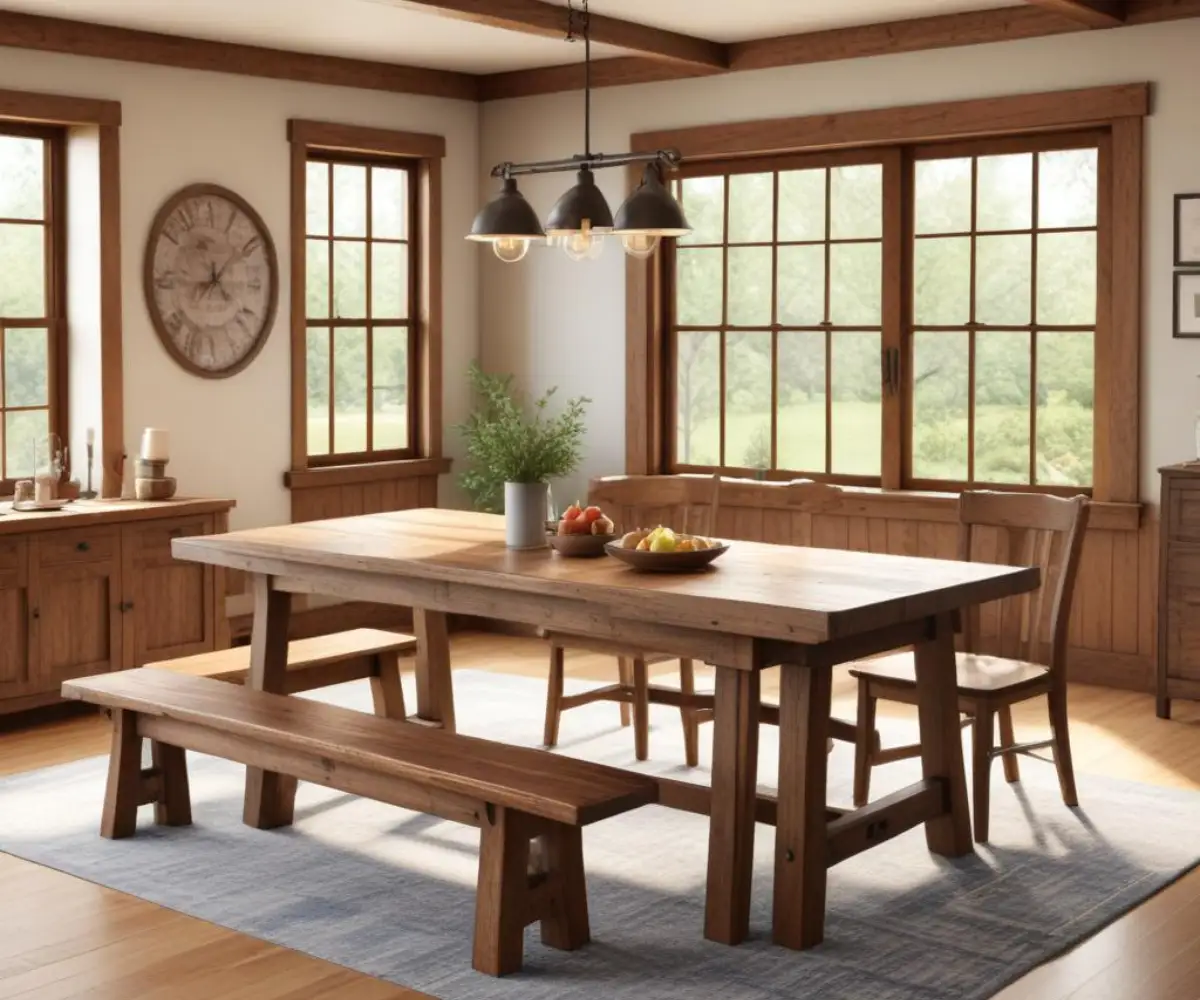
Inspired by early 20th-century industrial workbenches, the Benchwright collection channels a rustic, farmhouse aesthetic that is both timeless and robust. Its design features distinctive details like oversized bolts, grooves, and saw marks, which are intended to mimic the look of salvaged lumber. This handcrafted appearance gives each table a unique character, making it a powerful focal point in any dining space.
The construction combines solid woods like poplar with veneers and MDF (Medium-Density Fibreboard). Pottery Barn states that this blend ensures structural integrity and provides flawless surfaces with consistent color tones. The finish is hand-applied in a multi-step process to create exceptional depth of color, enhancing its weathered and distressed look.
The Common Dilemma: Decoding Benchwright’s Mixed Reviews
A quick search for reviews reveals a divided audience. Many owners praise the table for its stunning appearance, solid feel, and ability to host large gatherings, especially the extendable versions. It’s often described as a “statement piece” that consistently earns compliments. However, a significant number of users report issues that challenge the table’s premium positioning.
The most frequent complaints revolve around its durability. Many users find that the tabletop, often made from softer woods like pine, is highly susceptible to scratches, dents, and watermarks. Other reported problems include inconsistencies in the finish color compared to showroom models and a rough texture that can snag clothing or be difficult to clean. These issues lead some to question whether the quality justifies the considerable expense.
The Unspoken Issue: Understanding Distressed Wood
Much of the frustration with the Benchwright table stems from a misunderstanding of what “distressed” and “reclaimed-style” furniture entails. This aesthetic intentionally embraces imperfection. The dings, knots, and saw marks are part of the design, meant to evolve over time into a unique patina that reflects the life lived around it. The core material, often a softwood, is chosen for its ability to distress well, but this inherently means it is less resistant to damage than a hardwood like oak.
Therefore, the “problem” of scratching is also a feature. For a table like this, every new mark contributes to its story and rustic character. Prospective buyers who seek a pristine, unchanging surface will likely be disappointed. This is not a flaw in the product but a mismatch between the product’s nature and some consumers’ expectations for a low-maintenance, resilient surface.
A Practical Buyer’s Guide: 5 Critical Checks Before You Purchase
To avoid buyer’s remorse, it’s essential to approach the purchase of a Benchwright table with a clear and informed perspective. Taking these steps can help ensure that this piece of furniture aligns with your lifestyle and expectations.
1. See It in Person: Online photos and even showroom lighting can be deceiving. Visiting a store allows you to see the true color and texture of the finish, feel the surface, and assess its scale in a real-world setting.
2. Understand the Wood: Acknowledge that you are buying a table made with softer wood designed to show wear. If the thought of the first scratch or water ring is distressing, this may not be the right table for you. For a busy household, this is a critical consideration.
3. Measure Your Space Carefully: The Benchwright has a substantial, often bulky, profile. Measure your dining area to ensure adequate clearance for chairs and foot traffic. Also, measure entryways and stairwells to confirm it can be delivered into your home.
4. Test the Extension Mechanism: If considering an extendable version, operate the mechanism in the store. Are the breadboard extensions easy to pull out? Are the leaves heavy? Consider where you will store the leaves when not in use.
5. Read the Fine Print: Fully understand the warranty, return policy, and delivery options. White-glove delivery, which includes assembly and packaging removal, is often recommended for such a large and heavy item.
Maintaining Your Benchwright Table: A Proactive Care Strategy
Proper care is essential to preserving the beauty of the Benchwright dining table. While it is designed to show some wear, a proactive approach can prevent excessive damage and keep it looking its best for years to come.
Daily Protection is Key: The most effective strategy is prevention. Always use placemats, coasters, and trivets to protect the surface from moisture, heat, and scratches. Wipe up spills immediately with a soft, slightly damp cloth, followed by a dry one. This simple habit is the best defense against water rings and stains.
Routine Cleaning: For regular cleaning, dust with a soft, dry, lint-free cloth. Pottery Barn advises against using chemical cleansers, abrasives, or furniture polish on the lacquered finish. These products can strip the protective layer and damage the wood’s appearance over time.
Addressing Minor Damage: For minor scratches, a touch-up kit is available from Pottery Barn. Wax filler sticks in a matching color can also be used to fill in small dings and scratches, making them less noticeable.
Is the Extendable Benchwright Version a Good Choice?
The extendable Benchwright models are particularly popular for their versatility. They offer the ability to host large gatherings without permanently occupying a massive footprint in the room. The breadboard extension design is historically authentic and adds to its rustic charm.
However, there are practical considerations. The seam where the table extends can trap crumbs and debris, requiring more diligent cleaning. Some users have noted that the finish on the extension leaves may not perfectly match the main tabletop, an issue that can be exacerbated by uneven sun exposure over time.
| Feature | Benchwright Table (Distressed Pine/Poplar) | Solid Oak Table | MDF/Veneer Table |
|---|---|---|---|
| Durability (Scratch Resistance) | Low to Moderate | High | Moderate to High (Veneer Dependent) |
| Aesthetic | Rustic, Farmhouse, Industrial | Traditional, Modern | Modern, Minimalist |
| Maintenance Level | High (Requires constant use of coasters/placemats) | Moderate | Low to Moderate |
| Price Point | High | High | Low to Moderate |
| Best For | Style-conscious owners who embrace patina and imperfections. | High-traffic family use where durability is paramount. | Budget-conscious buyers seeking a modern look. |
Alternatives to the Benchwright: Similar Style, Different Performance
If the aesthetic of the Benchwright appeals to you but its durability concerns are a deal-breaker, several alternatives are worth exploring. Many furniture makers offer rustic and farmhouse-style tables crafted from harder woods, such as oak or maple, which will better withstand the rigors of daily use.
For those on a tighter budget, numerous retailers offer lookalike tables that capture the Benchwright’s style at a lower price point, though often with a greater reliance on veneers and engineered wood. Exploring these options allows you to find a balance between the desired aesthetic and the practical needs of your household. Creating a comfortable and functional dining area goes beyond just the table; it involves a holistic approach to your home’s environment, even considering details like how to install an AC without drilling to maintain comfort without major alterations.
The Final Verdict: Who Should Buy the Benchwright Dining Table?
The Benchwright dining table is not a one-size-fits-all solution. Its suitability depends entirely on the buyer’s lifestyle, expectations, and aesthetic priorities.
This table is an excellent choice for: Individuals or families who truly love the authentic, rustic look and understand that this includes accepting and even appreciating the marks of daily life. It is for the homeowner who values style and character over pristine perfection and is committed to the diligent care required to maintain it.
This table should likely be avoided by: Those who prioritize durability and low maintenance above all else. Families with young children who are particularly hard on furniture, or individuals who would be bothered by the inevitable scratches and dings, may find this table to be a source of constant worry rather than joy. It is not for the perfectionist seeking an immaculate surface.
Ultimately, the Benchwright dining table is a beautiful, character-rich piece that successfully captures a sought-after rustic-industrial style. By understanding its material nature and the care it requires, you can make an informed decision, ensuring that the centerpiece of your dining room is a source of pride and enjoyment for many years.
