
Behr Paint Codes Explained: Unlock the Secret Language of Color
Whether you’re repainting your living room, updating your kitchen cabinets, or simply trying to match a touch-up can, navigating color swatches and product names can feel like deciphering a secret code. That’s where the paint-code system of Behr steps in — a carefully designed alphanumeric language that tells professionals and DIYers alike exactly what’s inside the can: the paint line, the base, the hue family, and the precise shade.
By learning how to read Behr’s codes — for example, “PPU14-19” or “S470-5” — you unlock the ability to reliably reproduce a color, coordinate shimmer and finish, and ensure consistency across rooms or future touch-ups. In short: understanding Behr’s paint codes transforms guesswork into certainty.
In the sections that follow, we’ll break down exactly what each part of a Behr code means, why it matters for your project, and how to use those codes to get the color you envision — every time.
You'll Learn About
Why Do Behr Paint Codes Seem So Confusing?
You stand in the paint aisle, faced with a wall of thousands of colors. Each tiny paper swatch holds a world of possibility, but also a cryptic code: PPU18-01, N350-4, BNC-13. It can feel like trying to read a foreign language, creating a sense of anxiety that you might choose the wrong shade or, worse, never be able to find that perfect color again.
This feeling of being overwhelmed is a common hurdle in any home design project. The fear of making a permanent mistake can lead to indecision, preventing you from moving forward. But what if those codes weren’t random? What if they were actually a map, designed to guide you to the perfect color choice with confidence?
This guide will demystify the Behr paint code system entirely. We will break down every component, revealing the logic behind the numbers and letters. By the end, you will not only understand what these codes mean but also how to use them as a powerful tool to transform your home.
Cracking the Code: The Anatomy of a Behr Paint Number
At its core, a Behr paint code is a simple identification system designed for precision and organization. Think of it like a library’s card catalog system for color. Each part of the code provides a specific piece of information that helps you, and the paint-mixing machine, locate the exact hue you desire.
Most modern Behr paint codes consist of a lettered prefix and a set of numbers. Understanding these two main components is the first step to mastering the system. Let’s break down exactly what each part signifies.
The Prefix: Your First Clue to the Color Family
The letters at the beginning of the code, such as PPU, HDC, or BNC, are not arbitrary. They are prefixes that identify the specific Behr paint collection the color belongs to. This is your initial clue about the color’s origin and curated palette.
For example, “PPU” often stands for the Behr Premium Plus Ultra collection, a core line of colors. “HDC” refers to the Home Decorators Collection, which features its own set of curated palettes. Recognizing these prefixes helps you understand where the color fits within Behr’s vast offerings.
The Main Number: Navigating the Color Spectrum
The numbers following the prefix are the heart of the code. They are not random but are organized within Behr’s innovative ColorSmart system. This system logically arranges colors to make selection and coordination incredibly intuitive.
The first number in the sequence often corresponds to a position in the color spectrum display in-store, while the second number refines that selection to a specific shade. For instance, a code like 18-13 tells you where to look on the color wall and which specific chip in that family to examine. This structure prevents you from getting lost in a sea of similar options.
The Color Name: A Descriptive Helping Hand
While the code is the technical identifier, Behr also assigns a descriptive name to each color, such as “Swiss Coffee” or “Silver Drop.” This name helps you remember and communicate the color in a more human-friendly way. However, always rely on the code for 100% accuracy at the paint counter.
A name like “Quiet Moments” can be evocative, but the code ensures you get the exact formula without any ambiguity. If two colors have similar names, the code will always be the unique identifier that guarantees a perfect match every single time you need to buy more paint.
A Quick Guide to Behr Paint Code Components
To simplify this information, let’s look at a clear breakdown of a typical Behr paint chip. This table illustrates how the different pieces of information work together to define a single, unique color. Use this as a quick reference when you’re at the store.
| Component | Example | Meaning & Purpose |
|---|---|---|
| Prefix | PPU | Identifies the paint collection, in this case, Premium Plus Ultra. |
| Main Number | 18-13 | The specific numerical identifier for the color within the ColorSmart system. |
| Color Name | “Swiss Coffee” | The descriptive, memorable name assigned to the color code. |
| Where to Find It | Front/Back of Chip | All this information is clearly printed on the Behr paint swatch. |
The ColorSmart System: Behr’s Secret Weapon for Coordination
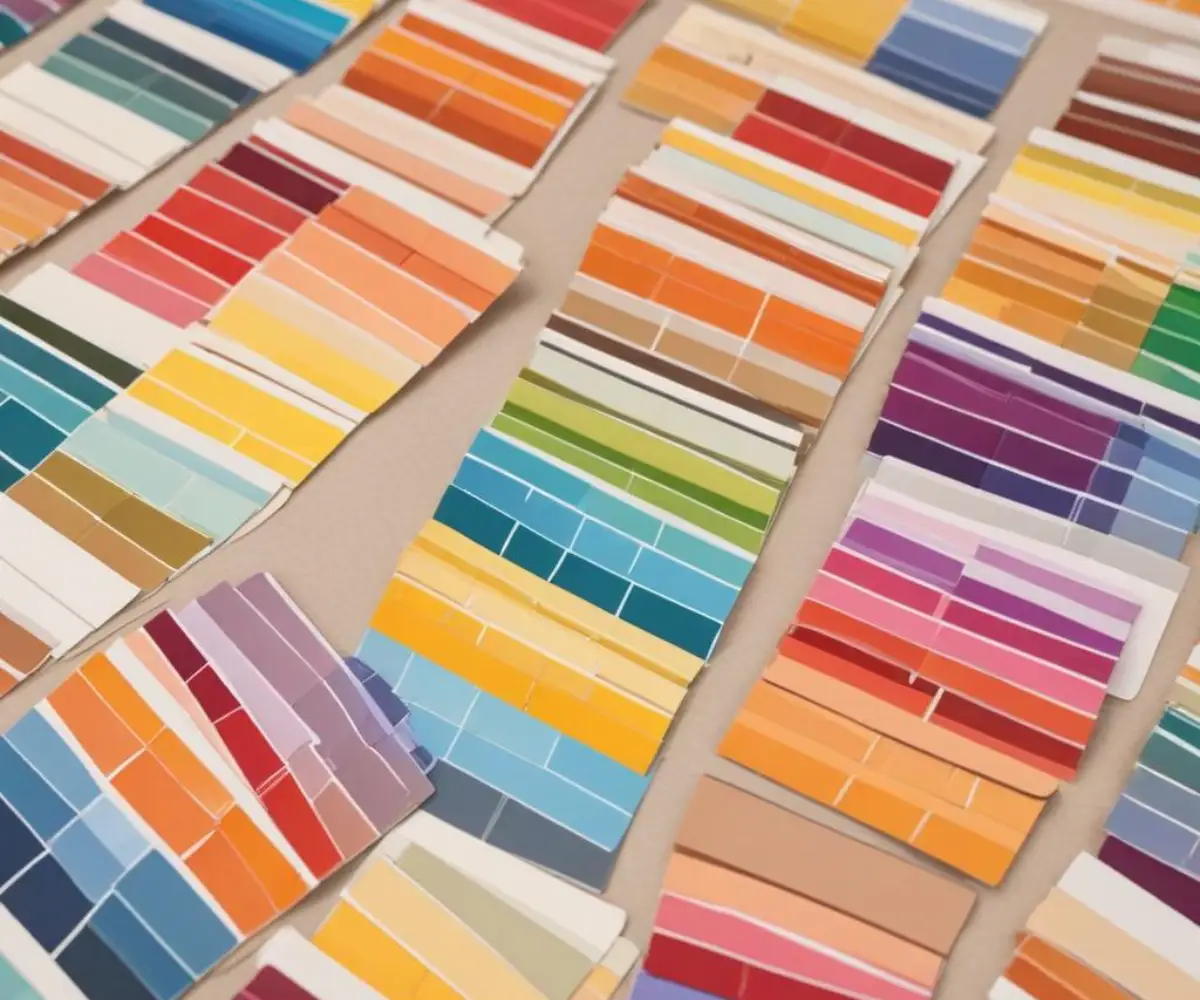
The true genius of Behr’s code system is how it integrates with their in-store ColorSmart display. This isn’t just a random assortment of pretty colors; it’s a meticulously organized grid. Colors are typically arranged in vertical columns by hue (e.g., all the blues together, all the greens together).
Within each column, the colors are ordered by intensity, from lighter shades at the top to deeper, more saturated shades at the bottom. This layout is a powerful design tool. It allows you to effortlessly create a harmonious, monochromatic color scheme by simply selecting several colors from the same vertical strip.
This intuitive organization removes the guesswork from color coordination. If you find a mid-tone blue you love, you can instantly see lighter and darker versions that are guaranteed to complement it perfectly. This system empowers you to build a sophisticated palette for your entire home with ease.
Beyond the Swatch: LRV and Its Hidden Influence
Here is a piece of information that professional designers live by but many homeowners overlook: Light Reflectance Value, or LRV. The LRV number, often found on the back of the paint swatch or on Behr’s website, is a critical piece of data that tells you how much light a color will reflect.
LRV runs on a scale from 0 (absolute black) to 100 (pure white). A color with a high LRV (typically 60 and above) will reflect a lot of light, making a room feel larger, more open, and brighter. Conversely, a color with a low LRV (below 50) will absorb more light, creating a cozier, more intimate, and dramatic atmosphere.
Understanding LRV is the key to choosing a color that not only looks good on the chip but also functions perfectly within your space. A beautiful dark gray with a low LRV might feel sophisticated in a well-lit living room but could feel gloomy in a small, windowless powder room. Always check the LRV to predict how a color will truly behave on your walls.
From Digital Dream to Painted Reality: Codes Online vs. In-Store
In the digital age, much of our design inspiration comes from screens. You might see a perfect shade of greige on a blog or social media and want that exact color for your home. This is where understanding color codes becomes essential, especially the difference between digital and physical formats.
Digital colors are often represented by a hex code. While it is possible to find a service where you can buy paint by hex code, it is crucial to remember that screen calibrations vary wildly. The color you see on your phone or laptop will never be a 100% accurate representation of the final painted product.
Use online images for inspiration, but always finalize your decision with a physical paint sample. Get a sample pot of the Behr code you’ve selected and paint a small test patch on your actual wall. Observe it throughout the day in different lighting conditions to ensure it’s the perfect fit before you commit to painting the entire room.
Common Pitfalls and Pro Tips for Using Behr Codes
Navigating your paint project goes beyond just picking a color. There are several common issues that can arise, but with a little foreknowledge, you can handle them like a professional. Knowing how to troubleshoot these situations will save you time, money, and frustration.
The “I Lost the Paint Chip!” Dilemma
It happens to everyone: you’ve painted a room, thrown away the can and the chip, and now you have a scuff you need to touch up. What do you do? The best preventative measure is to be proactive. When you start a project, take a clear photo of the paint can lid, making sure the formula sticker with the code is legible.
If you didn’t do that, don’t panic. You can carefully cut a small (1-inch square) sample of the paint from a discreet area of the wall. Take that physical sample to the paint counter, and they can use their spectrometer to analyze and create a custom match for you.
Discontinued Colors: Can You Still Get Them?
What if you have the code for a beloved color from a decade ago, but you can’t find the swatch in the store? You are likely in luck. Paint store systems, including Behr’s, have extensive databases containing the formulas for thousands of past and discontinued colors.
Simply take the old paint code or color name to the paint mixing desk. In almost all cases, they can look it up in their system and mix a fresh can for you on the spot. Your vintage color choice is rarely ever truly gone for good.
The Secret to Perfect Touch-Ups
Have you ever tried to touch up a wall with the exact same paint code, only to find it doesn’t quite match? This frustrating issue is often caused by subtle variations in sheen, base paint, or application. For truly invisible touch-ups, the best method is to use paint from the original can, as it will have aged in the same way as your wall.
When starting a new project, especially a larger one, it’s wise to buy all your gallons of paint at the same time. This ensures they are from the same batch, or “dyelot,” minimizing any minor variations. For patching work in tricky spots, careful preparation with the right equipment, even a specialized corner grooving tool, can make the difference for a seamless repair before you even apply the paint.
Putting It All Together: A Practical Example
Let’s apply this knowledge to a real-world scenario. Imagine you want to create a feature wall using a unique, strategic color that minimizes the appearance of an outdoor utility box. You’ve heard about using specific colors to help objects blend in with their surroundings.
Your research leads you to the concept of a specific go away green paint code, a color designed specifically for this purpose. With this name and concept in mind, you head to the Behr paint display. You can now confidently locate the green section and find the corresponding code, or ask an associate to look it up for you.
Before committing, you flip the swatch over and check its LRV to confirm it will absorb light and recede visually. You then grab a sample pot to test in the exact location. This methodical process, guided by your understanding of the codes and color theory, ensures you get the perfect functional color for your project.
Final Checklist Before You Buy
Before you head to the checkout, run through this simple checklist. It will ensure your purchase is correct and your project goes smoothly from the very first brushstroke.
– Have the full, correct paint code and name. Double-check for typos.
– Decide on your sheen. Choose from Matte, Eggshell, Satin, Semi-Gloss, or Hi-Gloss based on the room’s function.
– Calculate your square footage. Buy a little extra for touch-ups.
– Always, always get a sample pot. Test the color on your actual wall in your home’s unique lighting.
Conclusion: Paint with Confidence
The numbers and letters on a Behr paint swatch are not a barrier; they are a tool. They are part of a well-designed system created to empower you, the homeowner, to make clear, confident, and creative choices. The code is your direct line to the exact color you envision for your space.
By understanding the roles of the prefix, the main number, and the critical influence of LRV, you have unlocked the language of color. You can now walk into the paint aisle not with confusion, but with purpose. You have the knowledge to select, coordinate, and transform your home with the perfect shade, every single time.
