
Bed Against a Cold Wall? Stop Shivering & Sleep Soundly Tonight!
There’s nothing worse than settling into bed for a good night’s sleep, only to feel a persistent, bone-deep chill radiating from the wall beside you. Pushing your bed against an outside wall might be the only layout that works for your space, but it often comes at the cost of comfort. This isn’t just a minor annoyance; that cold wall can disrupt your sleep, make your bedroom feel unwelcoming, and even point to bigger problems within your home.
The good news is you don’t have to choose between a functional room layout and a warm, comfortable bed. Understanding why that wall gets so cold is the first step to reclaiming your cozy sanctuary. From simple, immediate fixes to long-term solutions, you can effectively solve the problem of a bed against a cold outside wall.
You'll Learn About
Why Is the Wall Behind Your Bed So Incredibly Cold?
That unwelcome chill you feel isn’t just in your imagination. It’s the result of basic physics and common construction realities. Heat naturally moves from warmer areas to cooler areas, and your exterior walls are the primary barrier between your heated indoor space and the cold outdoors.
The Science of Heat Transfer: How Your Wall Steals Warmth
The primary way your wall makes you cold is through a process called conduction. When your warm body or the heated air in the room comes into contact with the cooler surface of the wall, the wall literally pulls the heat away. This process is relentless, constantly working to equalize the temperature between your room and the outside world.
If the wall material is highly conductive and lacks a proper thermal barrier, the heat escapes outside quickly. This leaves the interior surface of the wall feeling perpetually cold to the touch, creating that uncomfortable sleeping environment.
Inadequate Insulation: The Number One Offender
In most homes, especially older ones, the number one reason for a cold exterior wall is poor or insufficient insulation. Insulation is designed to slow down heat transfer. When a wall cavity is under-insulated or has no insulation at all, there’s very little to stop your home’s warmth from escaping.
Over time, older insulation can also settle, slump, or degrade, creating empty pockets within the wall. These uninsulated spots become cold spots, significantly reducing the overall effectiveness of your wall’s thermal defense and leading to that noticeable chill.
Air Leaks and Drafts: The Sneaky Cold Intruders
Even a well-insulated wall can be undermined by small, unseen air leaks. Tiny cracks and gaps around window frames, electrical outlets, and baseboards can create drafts, allowing cold outside air to infiltrate the wall cavity and the room itself. This constant flow of cold air cools the surrounding drywall and framing, contributing significantly to the problem.
These drafts not only make the wall surface colder but also introduce a stream of chilly air directly into your sleeping area. Sealing these leaks is a critical step in creating a warmer, more comfortable bedroom.
The Hidden Dangers Lurking Behind That Cold Wall
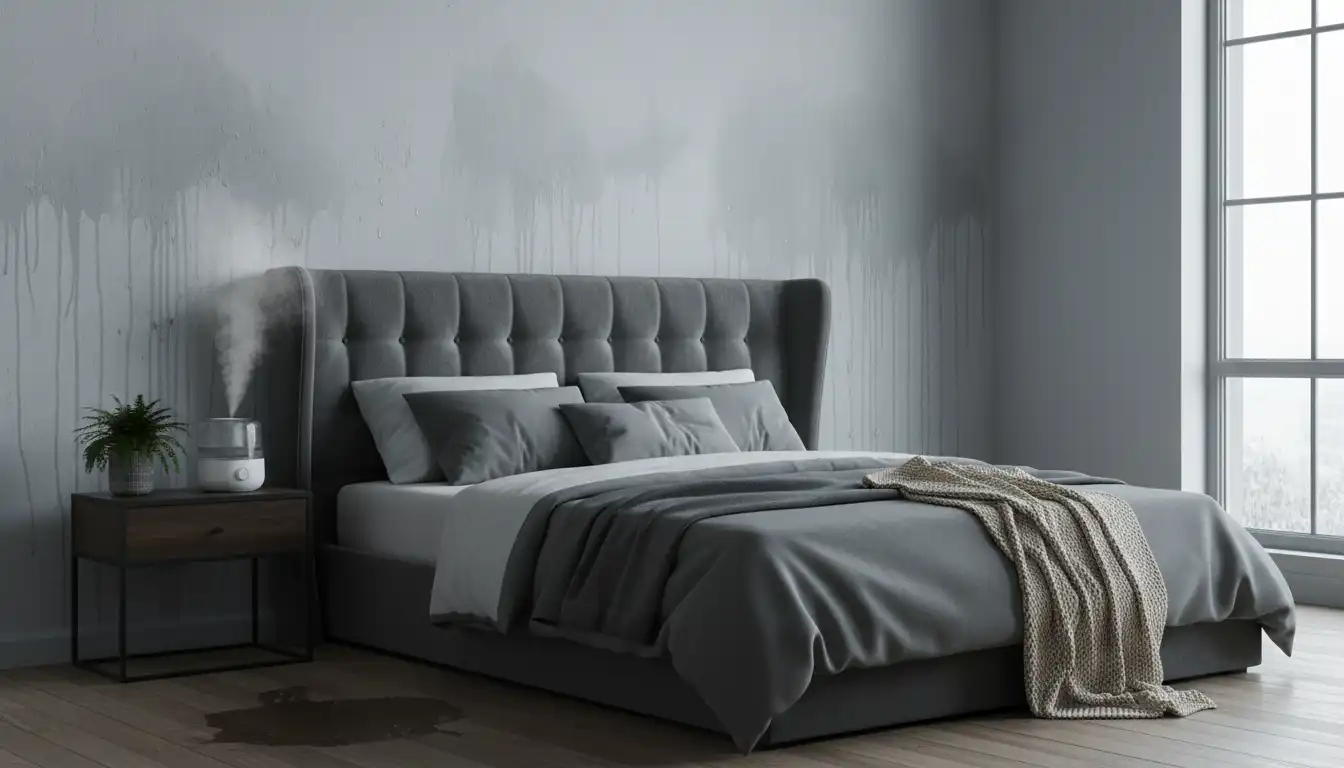
A cold wall is more than just a source of discomfort; it can be a warning sign of underlying issues that may affect your health and the structural integrity of your home. The temperature difference between the warm, moist air inside your bedroom and the cold surface of the wall creates the perfect conditions for condensation.
This moisture can lead to a host of problems, from peeling paint and musty odors to the growth of mold and mildew. Pushing furniture, especially a bed with a solid headboard, directly against this wall traps this moisture and blocks airflow, making the problem even worse.
From Poor Sleep to Health Concerns
Consistently sleeping in a cold, damp environment can have a real impact on your well-being. The discomfort can lead to restless nights and poor sleep quality. More seriously, the potential presence of mold can trigger allergies, asthma, and other respiratory issues, turning your sanctuary into a source of health problems.
The human body releases a significant amount of moisture through breathing and perspiration during the night. When this warm, moist air hits the cold wall surface, it condenses into water droplets, creating a microclimate where mold spores can thrive. You might even find that this moisture attracts unwanted pests; if you are worried about finding tiny bugs outside, know that damp indoor conditions can attract them inside as well.
Silent Damage to Your Home
Over time, persistent condensation can cause significant damage. You might first notice wallpaper peeling or paint blistering on the cold wall. If left unaddressed, this moisture can seep into the drywall, causing it to soften and degrade, a problem that demands more than a simple cosmetic fix.
In severe cases, moisture can even affect the wooden studs inside your walls, leading to rot and compromising the structural integrity of your home. The complexity of addressing such issues can be significant, sometimes requiring the same level of planning as a major project like moving your washer and dryer to the other side of the wall.
Your Action Plan: How to Warm Up That Cold Bedroom Wall
Fighting back against a cold wall doesn’t always require a major renovation. You can start with simple, immediate changes and progress to more involved solutions as needed. The goal is to create barriers to heat loss and improve the overall thermal performance of your room.
Immediate Fixes You Can Do This Weekend
The easiest and most immediate solution is to rearrange your bedroom. Simply pulling your bed away from the exterior wall by even a few inches can make a significant difference. This small gap allows for air to circulate, which helps to prevent the buildup of moisture and reduces the direct conductive cooling effect on your body.
Another powerful and stylish solution is to use a headboard as a thermal barrier. A thick, upholstered headboard is particularly effective, as the fabric and padding provide a substantial layer of insulation between you and the cold wall. Wood headboards also offer better insulating properties than metal frames.
DIY Solutions for a More Permanent Fix
For those willing to undertake a small project, there are several effective DIY options. Applying thermal insulating wallpaper is a great choice. This product is a thin layer of foam-like material that you apply to the wall before your decorative wallpaper or paint. It adds a crucial insulating layer that can noticeably warm up the wall surface.
Another option is to use insulating paint. This specialty paint contains ceramic microspheres that reflect heat, helping to keep more of your room’s warmth from escaping through the wall. While not as effective as thick insulation, it can reduce heat loss and is as easy to apply as regular paint.
A Deeper Dive: Insulation and Advanced Solutions
For a truly permanent solution, addressing the core issue of inadequate insulation is key. This can range from adding insulation to the wall cavity to upgrading your room’s overall climate control systems.
Improving Your Wall’s Core Insulation
If your home has empty wall cavities, having blown-in cellulose or spray foam insulation installed by a professional is one of the most effective ways to stop heat loss. This process involves drilling small holes in the exterior or interior walls and filling the space with insulating material, dramatically improving your home’s thermal barrier.
For a major renovation, installing insulated plasterboard on the interior of the wall is another excellent option. These boards combine rigid foam insulation with drywall in a single panel, providing a high level of insulation without significantly reducing room space.
| Solution | Estimated Cost | DIY Difficulty | Effectiveness |
|---|---|---|---|
| Move the Bed | Free | Easy | Low-Moderate |
| Upholstered Headboard | $150 – $1,200 | Easy | Moderate |
| Thermal Wallpaper | $2.50 – $6.00 per square foot | Moderate | Moderate-High |
| Insulating Paint | $50 – $95 per gallon | Easy | Low |
| Blown-in/Spray Foam Insulation | $1.50 – $4.50 per square foot | Professional | Very High |
| Insulated Plasterboard | $45 – $85 per 4’x8′ sheet | Advanced | High |
Control Humidity and Airflow
Winning the battle against a cold wall also involves managing the environment within the room. Improving ventilation is crucial to prevent condensation. If your room has an exhaust fan, use it regularly. If not, simply opening a window for 10-15 minutes each day can help vent the moist air that builds up overnight.
Using a dehumidifier can also be highly effective, as it directly removes excess moisture from the air, preventing it from condensing on cold surfaces. Furthermore, considering an upgrade to your home’s heating and cooling can provide better overall climate control. Exploring options like whether to replace central AC with a mini split could lead to a more efficient system that better manages both temperature and humidity levels year-round.
Uncovering the Unseen Culprit: Thermal Bridging
While insulation within a wall cavity is vital, it doesn’t solve every problem. An often-overlooked issue that contributes significantly to cold walls is thermal bridging. This occurs when materials that are poor insulators—like wood or metal studs—form a “bridge” that allows heat to bypass your insulation and escape outside.
What Are Thermal Bridges?
Think of your wall’s insulation as a thick winter coat. Thermal bridges are like having zippers made of solid metal running all through that coat. The wood studs in your wall are far more conductive than the insulation surrounding them. Heat travels along these studs, creating distinct cold spots on your interior wall that often correspond to the location of the framing.
You can sometimes feel these thermal bridges as vertical cold stripes on the wall on a very cold day. This phenomenon significantly reduces the overall effectiveness of your wall’s insulation, as heat finds an easy pathway to escape.
Solutions to Break the Bridge
The most effective way to combat thermal bridging is to add a layer of continuous insulation. This involves applying a layer of rigid foam board insulation over the studs, either on the interior or exterior of the wall. This continuous layer “breaks” the thermal bridge, preventing the studs from directly transferring cold to your interior drywall.
While adding exterior insulation is a major project, adding a thin layer of insulated plasterboard or rigid foam under new drywall during a remodel is a highly effective interior solution. By addressing thermal bridging, you tackle one of the most persistent and hidden causes of a cold room, ensuring maximum comfort and energy efficiency.
Reclaim Your Comfort for a Warmer Night’s Sleep
Living with a bed against a cold outside wall can be a nightly struggle, but it’s a problem with a wide range of solutions. From the simple act of moving your bed to the strategic use of an insulated headboard, you can start making a difference immediately. For those seeking a permanent end to the chill, upgrading your wall’s insulation and tackling hidden issues like thermal bridging will provide lasting warmth and peace of mind.
By taking these steps, you can transform your bedroom from a cold, uncomfortable space into the warm, inviting sanctuary it’s meant to be. A comfortable sleeping environment is essential for good health, and ensuring your bedroom is properly insulated is a worthwhile investment in both your home and your well-being.
