
Bathtub in Master Bedroom: The Ultimate Luxury or a Costly Mistake?
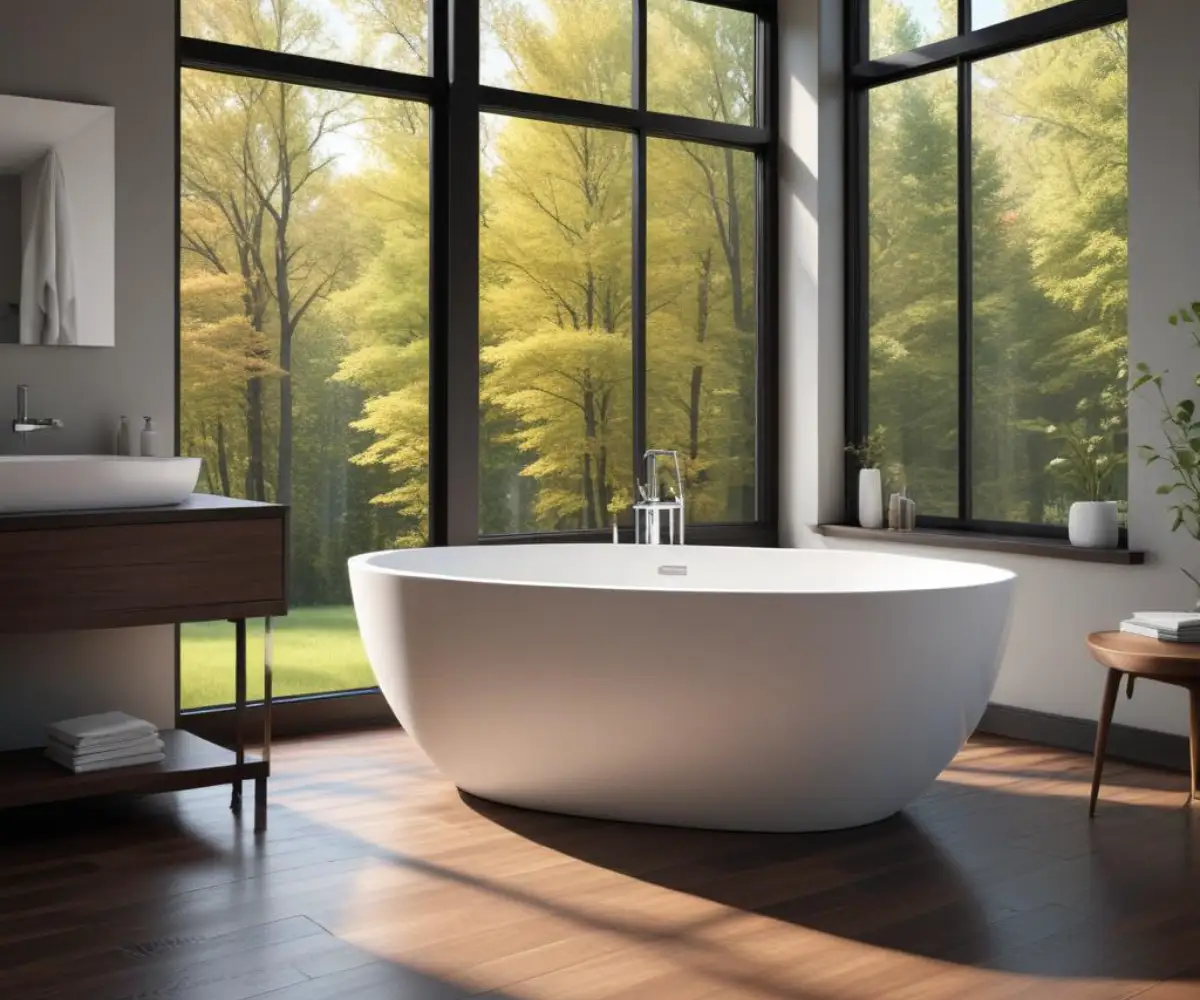
The image of a luxurious freestanding bathtub sitting elegantly in a master bedroom has captivated homeowners and designers alike. Driven by the desire for a spa-like retreat at home, this open-concept trend promises unparalleled relaxation and a bold style statement. But beyond the glossy magazine photos lies a complex reality filled with potential problems.
Is integrating a bathtub into your sleeping quarters a brilliant move toward ultimate comfort, or does it open the door to unforeseen issues like rampant humidity, a lack of privacy, and staggering installation costs? This article explores the hidden challenges and provides a clear roadmap for making this ambitious design feature a successful, functional, and beautiful part of your home.
You'll Learn About
The Unspoken Problems: What Designers Don’t Always Tell You
Before you commit to this alluring trend, it’s crucial to understand the significant challenges that can arise. Ignoring these potential pitfalls can turn your dream sanctuary into a recurring nightmare of maintenance and discomfort.
Problem 1: The Moisture and Humidity Mayhem
The single greatest challenge of a bedroom bathtub is managing water and steam. A hot bath releases a tremendous amount of moisture into the air, which can wreak havoc on materials not designed for a wet environment. Without proper planning, this excess humidity can lead to serious and costly damage.
This moisture can saturate drywall, warp wooden furniture, and damage flooring. Even more concerning is the risk of mold and mildew growth, which can hide behind walls and underneath floors, creating a significant health hazard. For instance, using regular drywall in a bathroom is a well-known mistake, and in an open-concept bedroom, the entire space becomes susceptible to moisture damage.
Problem 2: The Privacy Predicament
While the idea of a seamless bedroom-bathroom space is romantic, the practicalities of daily life can clash with this design. Consider a couple with different work schedules; one person’s relaxing bath could disturb the other’s sleep. The lack of separation can also be uncomfortable when one person is ill or simply desires solitude.
Furthermore, the open nature of the layout means that toiletries, wet towels, and other bathroom necessities are always on display. This can create a sense of clutter and detract from the serene, uncluttered atmosphere you intended to create in your master bedroom.
Problem 3: The Plumbing and Structural Nightmare
Installing a bathtub in a room not originally designed for it is a major construction project. Running hot and cold water supply lines and, more importantly, a properly sloped drain line, requires significant plumbing work. This can involve cutting into floors and walls, adding complexity and expense to the project.
Weight is another critical factor. Bathtubs, especially when filled with water and a person, are incredibly heavy. A standard 60-gallon acrylic tub can weigh over 700 pounds when full. Floors, especially on upper levels, may need to be reinforced with additional joists to safely support this load, a task that requires a structural engineer’s assessment.
The Smart Solution: How to Make a Bathtub in the Bedroom Work
Despite the challenges, a bathtub in the master bedroom can be a stunning and functional feature if executed correctly. Success lies in meticulous planning and a focus on mitigating the key problems of moisture, privacy, and structural integrity from the very beginning of the design process.
Strategic Placement and Zoning
Thoughtful placement is the first step to a successful design. Don’t just place the tub in an empty corner. Instead, create a designated “wet zone” around the tub. This area should feature waterproof materials that can handle splashes and humidity without sustaining damage. Positioning the tub near a window can aid in ventilation and provide a beautiful view.
To address privacy concerns without sacrificing the open feel, consider partial separation. A stylish folding screen, a half-wall, or a panel of frosted glass can create a sense of division and shield the bather from direct view of the sleeping area. This creates a psychological separation of space while maintaining the flow of light and air.
Mastering Moisture Control: Your Action Plan
Controlling humidity is non-negotiable. Start with a powerful, high-capacity exhaust fan. Look for a model with a high CFM (cubic feet per minute) rating, and ensure it is ducted to vent directly outside, not into an attic or wall cavity. For optimal performance, run the fan during the bath and for at least 20-30 minutes afterward to clear all residual steam.
In addition to an exhaust fan, a standalone dehumidifier can offer extra protection, especially in humid climates. When it comes to materials, choose wisely for the area around the tub. Water-resistant flooring like porcelain tile, natural stone, or luxury vinyl plank is essential. Avoid carpeting and unprotected hardwood, as they will quickly be ruined by moisture.
The Structural Integrity Checklist
Never underestimate the weight of a bathtub. Before installation, it is imperative to consult a structural engineer to evaluate your floor’s load-bearing capacity. They can determine if your existing floor joists are sufficient or if reinforcement is needed to prevent sagging or, in the worst-case scenario, structural failure.
The type of tub you choose will significantly impact the total weight. Lighter materials like acrylic place less strain on the floor compared to heavy options like cast iron or stone resin. Understanding these differences is key to making an informed decision that ensures the safety and longevity of your installation.
| Bathtub Material | Average Dry Weight (60″ Tub) | Approx. Weight with Water & Bather | Key Considerations |
|---|---|---|---|
| Acrylic | 70-100 lbs | 750-850 lbs | Lightweight, affordable, good heat retention. |
| Fiberglass | 50-70 lbs | 730-820 lbs | Most lightweight and inexpensive, but less durable. |
| Cast Iron | 300-500 lbs | 1000-1250 lbs | Extremely heavy, requires floor reinforcement, excellent heat retention. |
| Stone Resin | 250-400 lbs | 950-1150 lbs | Heavy, luxurious feel, durable, good heat retention. |
| Copper | 100-200 lbs | 800-950 lbs | Lighter than cast iron, excellent heat conductor, requires special care. |
Beyond the Basics: Elevating the Experience
Once you have addressed the foundational challenges, you can focus on the details that transform the space from merely functional to truly luxurious. The right finishes and features will enhance both the aesthetics and the practicality of your in-bedroom spa.
Choosing the Right Tub and Fixtures
The bathtub itself is the centerpiece of the design. Freestanding tubs offer a sculptural, artistic look and are the most popular choice for this application. Consider the style of your room—a classic clawfoot tub suits a traditional or farmhouse aesthetic, while a sleek, minimalist design works well in modern spaces. Tub fillers also play a key role. Floor-mounted faucets create a dramatic statement, while wall-mounted options can save space.
Creating Ambiance and Functionality
Lighting is crucial for setting a relaxing mood. Install dimmable recessed lighting for general illumination and consider a statement piece, like a chandelier, above the tub for a touch of glamour. Just ensure all electrical fixtures are rated for damp locations and installed at a safe distance from the tub.
Window treatments are essential for privacy and light control. You may wonder, why are blinds so expensive, but investing in high-quality, moisture-resistant options like faux wood or vinyl is critical for longevity in a humid environment. Finally, consider the placement of electrical outlets. Ensure they are GFCI-protected and installed safely away from water sources. Issues like overloaded circuits can sometimes manifest in strange ways, and it’s always worth investigating anomalies like why outlet covers might be bending, as it could indicate a hidden electrical problem.
Cost vs. Luxury: Is It Worth the Investment?
A bathtub in the master bedroom is a significant financial investment. The total cost can range widely, from a few thousand dollars for a simple DIY-assisted project to tens of thousands for a high-end installation requiring extensive structural and plumbing work. Key expenses include the tub itself ($800 – $5,000+), plumbing labor ($1,000 – $3,000+), floor reinforcement ($500 – $2,500+), and finishes like tile and fixtures.
In terms of resale value, this feature can be polarizing. For some buyers, it is the ultimate luxury feature that sets a home apart. For others, particularly families with young children, it may be seen as impractical or even a negative. The decision to add a bedroom tub should primarily be driven by your personal desire for this unique lifestyle feature, with the understanding that its impact on resale value is not guaranteed.
Final Verdict: Is a Master Bedroom Bathtub Right for You?
A bathtub in the master bedroom is the epitome of a luxury lifestyle choice, offering a unique way to relax and unwind. However, it is not a design feature to be undertaken lightly. It demands careful consideration of your lifestyle, budget, and home’s structural limitations.
Success requires a commitment to solving the practical challenges of moisture, privacy, and installation. By investing in proper ventilation, waterproof materials, and structural reinforcement, you can create a beautiful and functional retreat that provides years of enjoyment. Ultimately, if you are prepared to plan meticulously and invest appropriately, a master bedroom bathtub can be less of a costly mistake and more of a dream come true.
