
Baroque Flooring Reviews: Is This Ornate Style Right for Your Home?
You envision a home that makes a statement, a space filled with drama, elegance, and a touch of historical grandeur. Standard strip hardwood feels too plain, and endless seas of gray vinyl leave you uninspired. This desire for something extraordinary often leads homeowners down a rabbit hole of flooring options, where they stumble upon the intricate, captivating patterns of Baroque-style flooring and wonder: “Can I actually live with that?”
The hesitation is understandable. Baroque flooring, with its rich history of opulence and intricate design, can feel like a bold, perhaps even risky, choice in a modern home. You worry if it will look dated in a few years, be a nightmare to clean, or simply overwhelm your space. This article will cut through the uncertainty, providing a comprehensive review of Baroque flooring to help you decide if this timelessly elegant style is the perfect foundation for your home.
You'll Learn About
What Exactly is Baroque Flooring? More Than Just a Pretty Pattern
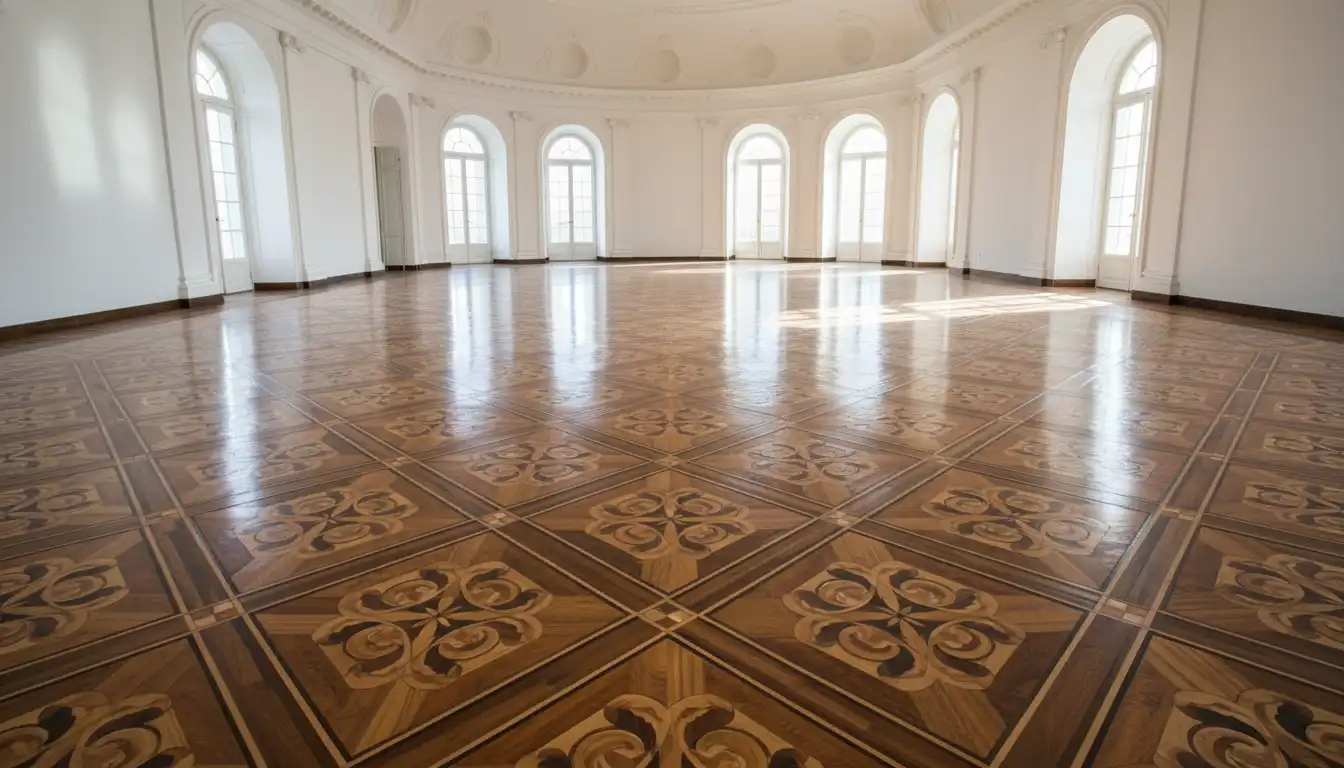
Originating in the 17th century, the Baroque style is all about grandeur, drama, and intricate detail. Historically, this meant inlaid wood floors with complex geometric patterns, often using contrasting wood species to create a sense of depth and luxury. These floors were the literal foundation of palaces and grand estates, designed to impress and convey power and wealth.
Today, “Baroque flooring” refers to modern reproductions of these classic designs. Think beyond simple planks to patterns like marquetry, parquetry, and detailed medallions. While historically made from solid wood, contemporary options now include engineered hardwood, laminate, and even luxury vinyl, making the style more accessible than ever before.
The Defining Characteristics
So, what makes a floor “Baroque”? It’s a combination of several key elements. Look for repeating geometric patterns, elaborate scrolls and floral motifs, and a high-contrast look achieved by mixing light and dark materials. The goal is to create a sense of movement and opulence that draws the eye and transforms the floor from a simple surface into a work of art.
The Great Debate: Is Baroque Flooring a Timeless Classic or a Passing Fad?
One of the biggest concerns for homeowners is longevity—not just in terms of durability, but style. The fear is that such a distinct pattern will quickly become outdated. However, the opposite is often true. Because Baroque designs are rooted in centuries of architectural history, they possess a timeless quality that transcends fleeting trends.
The key to successfully integrating this style is balance. In a modern setting, a Baroque floor can act as a stunning focal point when paired with minimalist furniture and a neutral color palette. This juxtaposition of old and new creates a sophisticated, layered look that feels curated and intentional rather than dated.
Baroque Flooring Reviews: Unpacking the Pros and Cons
No flooring choice is perfect for every situation. Making an informed decision requires a balanced look at both the advantages and the potential drawbacks. Based on professional reviews and homeowner feedback, here is a breakdown of what to expect.
The Alluring Advantages of Baroque Floors
The most obvious benefit is the unmatched aesthetic appeal. This type of flooring instantly elevates a room, providing a “wow” factor that simpler materials cannot. It serves as a decorative element in its own right, reducing the need for elaborate rugs or other decor. This visual impact can also translate into increased home value, as it is often perceived as a high-end, custom feature.
Furthermore, when you opt for materials like solid or engineered hardwood, you are investing in incredible durability. A well-maintained hardwood Baroque floor can last for generations. The variety of materials available today also means you can find an option that fits your specific needs for durability and maintenance.
The Hard Truths: Potential Drawbacks to Consider
The primary barrier for many is the cost. Intricate patterns, whether in real wood or high-quality vinyl, are more expensive to manufacture and install than standard plank flooring. The complexity of matching patterns means that professional installation is almost always required, adding to the overall expense. Attempting a DIY installation can easily lead to costly mistakes.
Maintenance can also be a consideration. While daily care is similar to other hard surfaces, the crevices in some intricate patterns can trap dust and debris, requiring more diligent cleaning. Finally, the “busy” nature of the design might overwhelm smaller rooms or spaces already filled with bold patterns. It requires careful consideration of the room’s size and existing decor.
A Material Showdown: Choosing Your Baroque Style
The beauty of modern Baroque flooring is the variety of materials available. Your choice will significantly impact the cost, durability, and maintenance requirements. Understanding the foundation of your floor is critical; ensuring you have a stable and level subfloor, whether you are deciding between OSB or plywood for an attic floor or preparing a ground-level concrete slab, is the first step to success.
Here is a comparison of the most common options to help you decide which is the best fit for your home and lifestyle.
| Material | Average Cost (per sq. ft. installed) | Durability | Best For… | Maintenance Level |
|---|---|---|---|---|
| Solid Hardwood | $15 – $40+ | Excellent (can be refinished multiple times) | Living rooms, bedrooms, dining rooms; creating an authentic, luxurious feel. | Moderate |
| Engineered Hardwood | $10 – $25 | Very Good (resists humidity changes) | Basements, kitchens, and homes in humid climates. | Moderate |
| Laminate | $7 – $15 | Good (scratch-resistant top layer) | High-traffic areas, homes with pets and children, budget-conscious projects. | Low |
| Luxury Vinyl Tile (LVT) | $8 – $18 | Excellent (waterproof and highly durable) | Bathrooms, kitchens, mudrooms, and any area prone to moisture. | Low |
Installation Insights: Is DIY a Viable Option?
While the prospect of saving on labor costs is tempting, installing patterned flooring is a task best left to seasoned professionals. The process requires meticulous attention to detail, from ensuring the subfloor is perfectly level to precisely aligning intricate geometric shapes across a large area. A small error in the first few pieces can create a glaringly obvious mistake by the end of the room.
For those committed to a DIY approach, some click-lock LVT and laminate versions with simpler parquet patterns may be manageable for an experienced individual. However, for true marquetry or complex inlaid designs, investing in a professional installer will save you time, frustration, and money in the long run. When sourcing your materials or tools for the job, it’s wise to use reputable suppliers, and it’s always a good idea to check if a source like is SupplyHouse.com legit to ensure you’re getting quality products.
Living with Grandeur: Maintenance and Long-Term Care
Maintaining the beauty of your Baroque floor is straightforward but requires consistency. The specific care routine will depend on the material you choose, but some universal principles apply to keep your investment looking its best for years to come.
Daily and Weekly Care Routines
For all material types, regular sweeping with a soft-bristle broom or vacuuming with a hard floor attachment is crucial. This prevents dirt and grit from scratching the surface. For deeper cleaning, use a damp mop—never a soaking wet one—with a pH-neutral cleaner specifically designed for your flooring type (e.g., hardwood cleaner, vinyl cleaner). Avoid harsh chemicals like bleach or ammonia, which can damage the finish.
Protecting Your Investment from Scratches and Damage
Preventative measures are your best defense. Place felt pads under all furniture legs to prevent scratching when chairs are moved. Use doormats at all entrances to trap abrasive particles from shoes. In high-traffic areas or under rolling office chairs, consider using area rugs to protect the floor from excessive wear. Regular maintenance checks are part of responsible homeownership, just as you would periodically inspect for issues like a birds nest in a gas fireplace vent to ensure safety and functionality.
The Verdict: Is Baroque Flooring the Right Choice for Your Home?
Baroque flooring is not for the faint of heart. It is a bold, decorative choice that demands attention and sets a powerful tone for a room. It is an investment in artistry and a commitment to a specific aesthetic.
This style is an excellent choice for homeowners who want to create a unique, luxurious atmosphere and view their floor as a central design element. It works best in larger, open spaces where the pattern has room to breathe and can be balanced with more subdued wall colors and furnishings. If you appreciate historical design, desire a formal and elegant space, and have the budget for professional installation, a Baroque floor can be a breathtakingly beautiful and rewarding addition to your home.
However, if you prefer a more minimalist, casual aesthetic, have a small space that could be easily overwhelmed, or are working with a tight budget, you may want to consider simpler flooring options. Ultimately, the right floor is one that not only looks beautiful but also aligns with your lifestyle, budget, and personal taste, turning your house into a home you love.
