
Bamboo Rash: Is Your Garden Secretly Attacking You? Find Out Why
You spent a satisfying afternoon trimming, thinning, and admiring your beautiful bamboo grove. But later that evening, you notice an unwelcome souvenir: an itchy, red, and irritating rash creeping across your arms and neck. This mysterious “bamboo rash” is a frustratingly common problem for many home and garden enthusiasts who love the tropical flair these giant grasses bring to their landscape.
The issue isn’t just a simple itch; it can be a confusing and persistent condition that turns a labor of love into a source of discomfort. Many gardeners are left wondering about the cause. Is it an allergy? Is it something on the plant? This article will delve into the surprising reasons behind bamboo rash and provide a comprehensive guide to preventing and treating this common gardener’s ailment.
You'll Learn About
The Hidden Culprits: Unmasking the Causes of Bamboo Rash
The term “bamboo rash” is a general descriptor for skin irritation, but the actual causes can be surprisingly varied. Understanding the specific trigger is the first step toward effective prevention and treatment. The irritation rarely stems from a single source, but rather a combination of mechanical, chemical, and biological factors unique to the bamboo plant and its environment.
Contrary to popular belief, a true allergic reaction to the bamboo plant itself is not the most common reason for the rash. More often, the irritation is a physical response to the plant’s unique structure or to microscopic pests that call the bamboo grove home. Identifying the precise cause will dictate your strategy for safe handling and effective relief.
Mechanical Irritation: Death by a Thousand Tiny Cuts
The most frequent cause of bamboo rash is not a chemical or allergen but a purely physical one. Many bamboo species have tiny, almost invisible, sharp fibers or hairs on their culms (stalks) and leaf sheaths. These microscopic silica-based barbs, sometimes called glochids, can easily dislodge when the plant is handled, cut, or even brushed against.
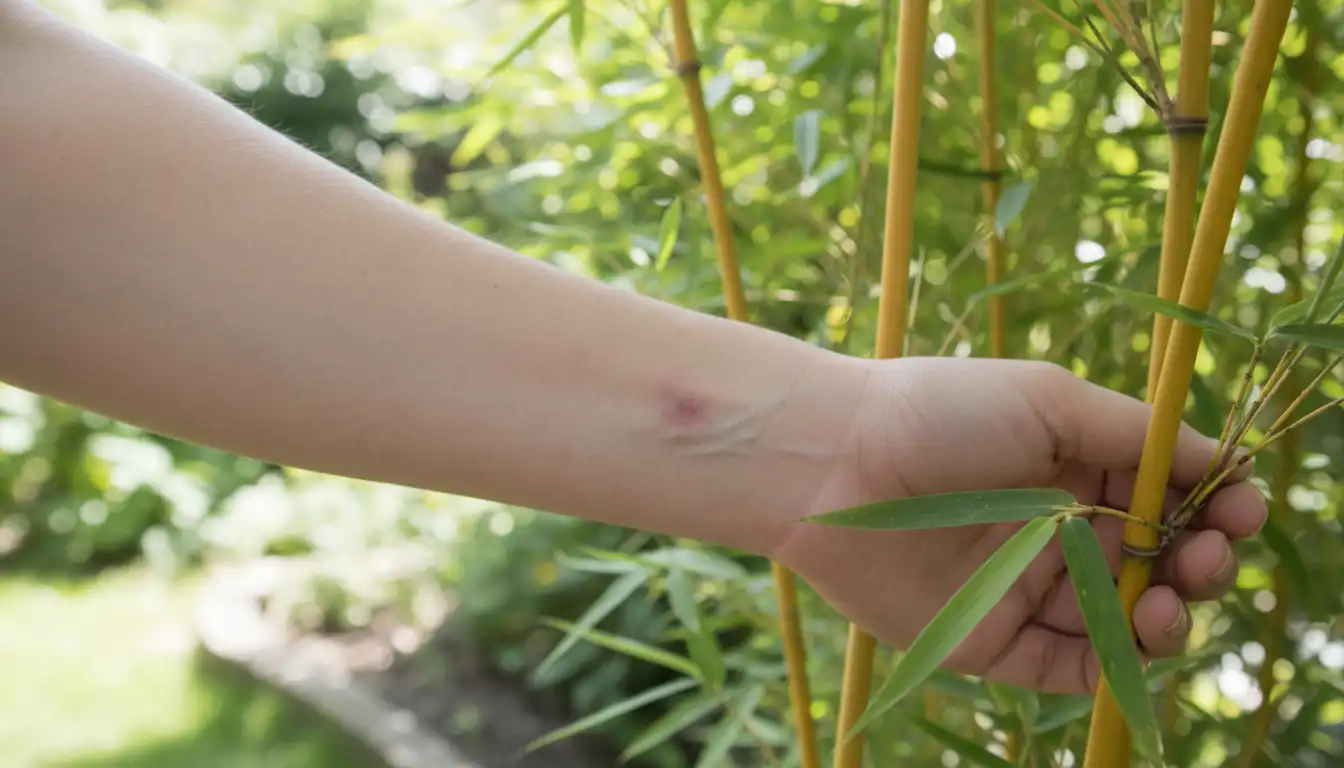
These tiny splinters embed themselves in the outer layer of the skin, causing a reaction that feels intensely itchy and can look like a rash with small red bumps. Because the edges of bamboo leaves can also be razor-sharp, they can create thousands of micro-cuts on the skin, allowing these irritating fibers and other environmental bacteria to enter, leading to what is known as irritant contact dermatitis.
Allergic Contact Dermatitis: A True Bamboo Allergy
While less common, some individuals can develop a true allergic contact dermatitis to bamboo. This is an immune response to proteins or other substances found in the sap of the bamboo plant. When a sensitized person comes into contact with the sap—often during pruning when the canes are cut—their immune system overreacts, leading to a classic allergic rash.
This type of rash often appears as red, swollen, and sometimes blistery patches on the skin and can be intensely itchy. It may not appear immediately, sometimes taking 24 to 48 hours to develop after exposure. If you notice your reaction to bamboo becomes worse with each exposure, you may be developing a specific allergy to the plant.
Pesky Stowaways: Mites and Other Insects
A cause that is frequently overlooked is the presence of pests living on the bamboo. Bamboo is susceptible to infestations of bamboo spider mites, which are tiny arachnids that feed on the underside of the leaves. These mites create fine webbing and their feeding can cause stippling and yellowing of the leaves.
When you work with infested bamboo, these mites can easily get onto your skin and clothing. While they do not bite humans in the same way as mosquitos, their presence on the skin can cause irritation and a pimply, rash-like reaction in sensitive individuals. Before tackling a large bamboo project, it’s wise to inspect the undersides of the leaves for the tell-tale signs of webbing and mite activity.
Understanding the Symptoms: Is It Really Bamboo Rash?
Recognizing the symptoms of bamboo-related skin irritation is key to treating it effectively. The appearance of the rash can vary significantly depending on the underlying cause. Distinguishing between mechanical irritation, an allergic reaction, or a pest-related issue will help you choose the right course of action for relief.
Keeping a close eye on when and how the symptoms develop can provide important clues. For instance, an immediate stinging or itching sensation is more likely to be mechanical, while a delayed, blistering rash points towards an allergic reaction. This self-diagnosis can empower you to prevent future occurrences and manage your garden with confidence.
Identifying the Different Types of Irritation
A bamboo-induced rash is not a one-size-fits-all condition. The physical presentation of the irritation offers valuable insights into its origin. A rash from mechanical abrasion will typically look like fine scratches or a collection of tiny red bumps, localized to the areas of direct contact.
In contrast, an allergic reaction may be more widespread and severe, potentially featuring weeping blisters and significant swelling. Rashes caused by mites might appear as small, scattered red dots, similar to insect bites. Carefully observing these differences is crucial for both immediate treatment and long-term prevention strategies in your garden.
| Type of Irritation | Primary Cause | Common Symptoms | Typical Onset |
|---|---|---|---|
| Mechanical Irritant Dermatitis | Microscopic fibers (glochids) and sharp leaf edges. | Redness, fine scratches, tiny bumps, intense itching, stinging sensation. | Immediate to within a few hours. |
| Allergic Contact Dermatitis | Immune response to proteins in bamboo sap. | Severe redness, swelling, blistering, weeping sores, intense itching. | Delayed (24-48 hours after contact). |
| Pest-Related Irritation | Bamboo spider mites or other small insects on the plant. | Scattered, pimply red bumps, similar to small insect bites; general itchiness. | Can be immediate or develop over several hours. |
Your Action Plan: Preventing and Treating Bamboo Rash
Dealing with bamboo rash is primarily about prevention. By taking the right precautions, you can continue to enjoy your bamboo plants without suffering the uncomfortable consequences. From protective clothing to smart gardening techniques, a proactive approach is the best defense against this common ailment.
However, if you do find yourself with an itchy rash after a day in the garden, there are several effective ways to treat the symptoms and soothe your skin. Quick action can significantly reduce the duration and severity of the discomfort, getting you back outside in no time.
Prevention: The Best Medicine for Gardeners
The most effective way to avoid bamboo rash is to create a barrier between your skin and the plant. Always wear protective clothing when working with bamboo. This includes long-sleeved shirts made of a tightly woven fabric, durable gardening gloves, and long pants. For extensive clearing or pruning, consider safety glasses to protect your eyes from flying debris and fibers.
Adopt smart handling techniques. When pruning, use sharp, clean tools like loppers or a pruning saw to make precise cuts, which minimizes the release of irritating sap and fibers. If you have aggressive running bamboo, proper containment is crucial; always check local regulations to avoid issues, which can sometimes be as complex as seeking a retroactive permit in NJ for unapproved construction. For larger bamboo groves that require significant maintenance, using robust equipment, similar to what might be reviewed in a Husqvarna 10527STE review, can make the job safer and more efficient.
Step-by-Step Treatment for an Active Rash
If you’ve already developed a rash, the first and most critical step is to remove any lingering irritants from your skin. As soon as you come inside, wash the affected areas thoroughly with mild soap and cool water. Some gardeners have found success removing the tiny, embedded fibers by applying adhesive tape to the skin and then gently peeling it off.
Once the skin is clean, focus on soothing the irritation. Apply a cool compress to the affected areas for 15-20 minutes at a time to reduce inflammation and itching. Over-the-counter remedies can be very effective; a 1% hydrocortisone cream or calamine lotion can provide significant relief from itching and redness. For a more natural approach, an oatmeal bath or the application of aloe vera gel can also calm irritated skin.
When to Seek Professional Medical Advice
Most cases of bamboo rash can be managed effectively at home. However, there are instances when it is important to consult a healthcare professional. If your rash is extremely widespread, shows signs of infection (such as pus, increased pain, or red streaks), or is accompanied by systemic symptoms like fever, you should see a doctor.
Furthermore, if you experience any signs of a severe allergic reaction, such as difficulty breathing, swelling of the face or throat, or dizziness, seek emergency medical attention immediately. These could be signs of anaphylaxis, a life-threatening condition. A doctor can prescribe stronger topical steroids or oral antihistamines to manage severe reactions.
Beyond the Rash: Safe Bamboo Management in Your Garden
Enjoying bamboo in your home garden goes beyond simply preventing skin irritation. Proper care and management of your bamboo plants will not only keep them healthy and beautiful but also make them safer and easier to handle. From routine pruning to pest control, a well-maintained bamboo grove is less likely to cause problems.
Understanding the growth habits of your specific bamboo variety—whether it’s a clumping or a running type—is fundamental to its long-term management. Regular maintenance ensures the plant doesn’t become an overgrown, unmanageable thicket that is difficult and hazardous to work in. Just as you would address a strange sharpie smell in the house to maintain a pleasant environment, you must actively manage your bamboo for a healthy garden.
Pruning and Thinning for Health and Safety
Regular pruning is essential for the health and aesthetics of your bamboo. The best time to prune is typically after the new shoots have fully grown in the late spring or early summer. Thinning out old, dead, or weak culms at ground level improves air circulation, which can reduce the risk of fungal diseases and pest infestations.
When thinning, aim to remove about a third of the oldest canes each year. This encourages the plant to produce new, vigorous growth. “Limbing up” the bamboo by removing the lower branches can also create a more open, accessible grove that is easier to work in and shows off the beauty of the canes.
Controlling Pests Naturally
A healthy bamboo plant is the best defense against pests like bamboo spider mites. Ensure your bamboo is properly watered, especially during dry periods, as drought-stressed plants are more susceptible to mites. Applying a layer of mulch around the base of the plant helps retain moisture and provides nutrients as it breaks down.
If you do notice a mite infestation, a strong spray of water from a hose can often dislodge them from the undersides of the leaves. For more persistent problems, consider introducing beneficial insects like ladybugs or predatory mites, which are natural enemies of spider mites. Using insecticidal soap is another option that is less harmful to the overall garden ecosystem than stronger chemical pesticides.
