
Baker Furniture Reviews: Is It Worth the Hefty Price Tag?
Investing in luxury furniture is a significant decision. You’re not just buying a functional item; you’re acquiring a piece of design history that should last a lifetime. This brings many homeowners to a critical question when considering premier brands: is the steep investment truly justified by the quality and aesthetic?
Baker Furniture, a name synonymous with high-end, artisanal craftsmanship, sits at the center of this debate. With a legacy stretching back over a century, the brand has built a reputation for timeless design and superior quality. Yet, the premium cost raises valid concerns for even the most discerning buyers.
You'll Learn About
The Enduring Legacy of Baker Furniture
Founded in 1890, Baker began as a cabinet shop and evolved into a globally recognized leader in luxury furnishings. The company’s philosophy has always been rooted in a deep appreciation for historical designs, reimagined for contemporary living. This is not fast furniture; it is a collection of pieces built with intention and artistry.
The brand is renowned for its use of high-quality materials, including hand-selected woods, exquisite veneers, and durable, luxurious fabrics. Much of the production still relies on time-honored techniques, with skilled artisans overseeing the intricate details of woodworking, finishing, and upholstery in their North Carolina facilities. This commitment to bench-made quality is a cornerstone of the Baker promise.
A Spectrum of Style: From Historic to Contemporary
One of Baker’s greatest strengths is its remarkable design diversity. The company has a long history of collaborating with world-renowned designers, resulting in a portfolio that spans a wide range of aesthetic sensibilities. This ensures that their offerings are not confined to a single style.
From the more accessible and relaxed designs of the Milling Road collection to the stately elegance of their historic reproductions, Baker caters to varied tastes. Visionary designers like Barbara Barry, Thomas Pheasant, and Jacques Garcia have all contributed their unique perspectives, creating collections that are both distinctive and timeless. This allows homeowners to find pieces that resonate with their personal style, whether it’s classic, modern, or somewhere in between.
Breaking Down the Collections: What Do Owners Say?
Different collections within the Baker portfolio attract different buyers, each with its own set of praises and critiques. Understanding these nuances is key to making an informed decision. The experiences of current owners offer the most valuable insights.
The Barbara Barry Collection, for instance, is often celebrated for its “quiet luxury” and streamlined, elegant forms. Homeowners praise its ability to feel both modern and classic, blending seamlessly into various interior designs. Similarly, the Thomas Pheasant Collection is lauded for its sculptural, architectural quality, turning functional items into works of art.
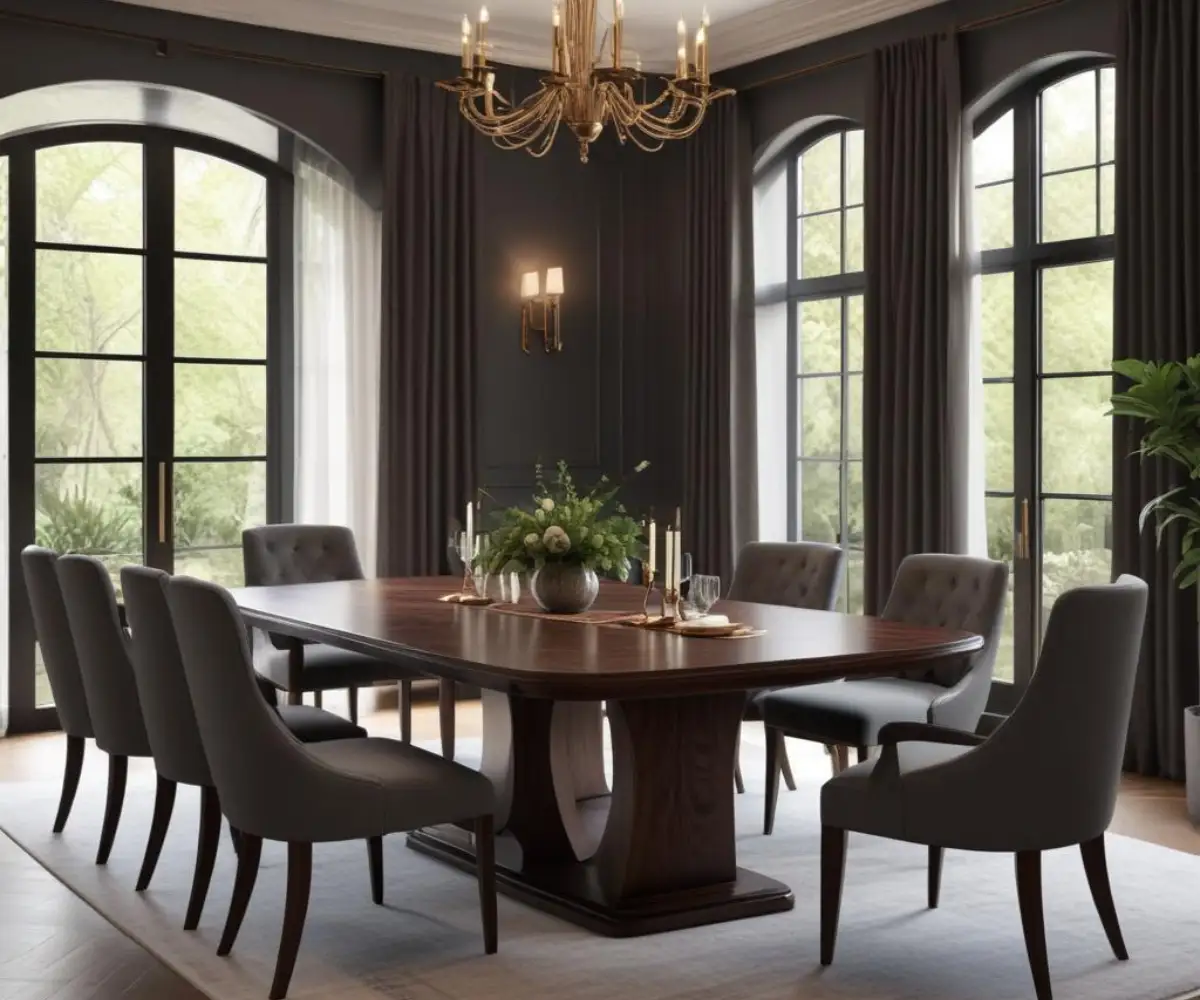
The Milling Road Controversy: A More Accessible Baker?
Milling Road was developed as a more budget-friendly line to appeal to a broader audience. While it maintains a high standard of design, some long-time Baker enthusiasts argue that it doesn’t always possess the same heirloom quality as the main collections. However, for many, it serves as an excellent entry point into the world of high-end furniture, offering sophisticated design without the top-tier price tag.
The Price of Prestige: Analyzing the Investment
There’s no avoiding the central issue: Baker Furniture is expensive. A single sofa can cost thousands, and a full dining set can easily reach the price of a small car. This cost is a direct reflection of the materials, the hours of skilled labor, and the design pedigree behind each piece.
The value proposition lies in its longevity. Owners frequently report that their Baker pieces last for decades, often being passed down through generations. When you compare this to replacing mid-range furniture every five to ten years, the long-term investment begins to make more sense. It is a commitment to quality over disposability.
| Brand | Primary Materials | Construction Method | Price Range | Customization Level |
|---|---|---|---|---|
| Baker Furniture | Solid Hardwoods, Exotic Veneers, Premium Textiles | Bench-made, Artisanal | $$$$ | High |
| Century Furniture | Solid Woods, High-Quality Veneers | Artisanal & Factory Production | $$$-$$$$ | Very High |
| Restoration Hardware | Solid Woods, Veneers, Performance Fabrics | Factory & Artisanal Mix | $$-$$$ | Moderate |
| Ethan Allen | Solid Wood, Veneers, Various Fabrics | Factory Production | $$-$$$ | Moderate |
The Unvarnished Truth: Common Customer Complaints
No brand is without its flaws, and it’s crucial to consider the potential downsides. The most common issues cited in Baker furniture reviews often revolve not around the quality of the furniture itself, but the logistics surrounding it. These are often related to the made-to-order nature of the products.
Long lead times are a frequent complaint, as custom pieces can take months to be crafted and delivered. Additionally, some customers have reported issues with delivery services and occasional variability in customer support. While the end product is almost universally praised, the journey to receiving it can sometimes require patience.
Caring for Your Investment
To ensure a piece of Baker furniture lasts a lifetime, proper care is essential. This is not simply a piece of furniture; it is an investment that requires mindful maintenance. Much like a high-end appliance, which you can learn more about in detailed Smeg appliance reviews, luxury items demand specific attention.
For wood finishes, regular dusting with a soft, lint-free cloth is recommended. Avoid using oily polishes or silicone-based waxes, as these can build up and dull the protective lacquer finish. For upholstery, it is crucial to follow the specific cleaning codes for the fabric to prevent damage.
So, Is Baker Furniture a Good Investment for Your Home?
The decision to purchase Baker furniture ultimately comes down to your priorities and values. If you are seeking a piece of furniture that is a work of art, built to last for generations, and backed by a legacy of unparalleled design, then Baker is undoubtedly worth the investment.
It is for the homeowner who values timeless design and masterful construction over fleeting trends. Making such a significant choice for your home is as important as ensuring its structural integrity, a lesson often learned when facing unexpected problems like discovering what to do with rain right after a new roof. It represents a commitment to quality that permeates every aspect of your living space.
Experience the Quality Firsthand
Given the significant investment, it is highly recommended to experience Baker furniture in person before making a purchase. Visiting an authorized dealer or a Baker showroom allows you to see the craftsmanship, feel the materials, and appreciate the scale and presence of the pieces in a way that online catalogs cannot convey.
Seeing the furniture firsthand can prevent surprises and ensure the piece fits your vision and space perfectly. Even small components in a home system can cause issues, such as when a thermal release valve broke off, so a thorough inspection of a major purchase is always a wise step.
In conclusion, Baker furniture is more than just seating or storage; it is an investment in art, history, and enduring quality. For those with the means and the appreciation for fine craftsmanship, it remains one of the preeminent choices for creating a truly elegant and timeless home.
Frequently Asked Questions
Is Baker furniture considered to be of good quality?
Yes, Baker furniture is widely known for its exceptional quality, fine craftsmanship, and durability. The brand utilizes high-end materials, artisanal methods, and pays close attention to detail. Many owners have reported their Baker pieces lasting for decades with very little maintenance.
Why is Baker furniture so expensive?
The high cost of Baker furniture reflects its use of premium materials, superior craftsmanship, and classic designs. The company frequently collaborates with well-known designers, adding to the value and cost of the pieces. Due to its reputation for luxury and durability, Baker furniture is often viewed as a long-term investment.
How can I identify authentic Baker furniture?
To identify genuine Baker furniture, look for the company’s official labels, stamps, or tags. A brass tag featuring the “Baker” name in a cursive font is often found inside the top middle or right drawer of case goods, or on the back of the piece. For upholstered items, you might find an embroidered label with the same signature branding.
Does Baker furniture hold its resale value?
Well-maintained vintage Baker furniture generally retains its value. The brand’s long-standing reputation for quality and timeless style makes its pieces desirable to collectors and design aficionados. The ultimate resale value, however, will depend on the specific item, its condition, and current market demand.
What styles does Baker furniture offer?
Baker offers a diverse range of furniture styles, from traditional and transitional to contemporary designs. The company is recognized for its classic pieces that incorporate modern elements and has drawn inspiration from various international styles, including French, English, Asian, and Danish Modern. Baker has also partnered with numerous renowned designers to create iconic collections.
