
Aspen Tree Transplant Shock: Your Ultimate Revival Guide
You’ve carefully chosen a beautiful aspen, moved it to the perfect spot in your garden, and dreamed of its iconic white bark and trembling leaves. But now, disaster strikes. The leaves are yellowing, wilting, and the vibrant life it once had seems to be fading fast. This disheartening scenario is known as aspen tree transplant shock, a common yet distressing problem for many homeowners.
This condition occurs when a tree undergoes stress due to being moved, disrupting its ability to absorb water and nutrients. But don’t despair; understanding the unique nature of aspens is the first step toward saving your tree and ensuring it thrives for years to come. With the right knowledge and care, you can guide your struggling aspen back to health.
You'll Learn About
Understanding the Heartbreak: What Is Aspen Transplant Shock?
Transplant shock refers to the stress a plant experiences after being moved from one location to another. For aspen trees, this period of adjustment can be particularly severe. The process disrupts the fine root hairs responsible for the vast majority of water and nutrient uptake, leading to a state of shock that manifests in several troubling symptoms.
Think of it as a patient recovering from a major operation; the tree needs time and specific care to heal its root system and adapt to its new environment. Without this recovery period, the tree cannot support its leafy canopy, leading to a cascade of negative health indicators that can worry even the most experienced gardener.
The Telltale Signs Your Aspen Is in Distress
Identifying the symptoms of transplant shock early is crucial for a successful recovery. A newly planted aspen will communicate its stress through very clear visual cues. Being able to recognize these signs allows you to intervene quickly and effectively.
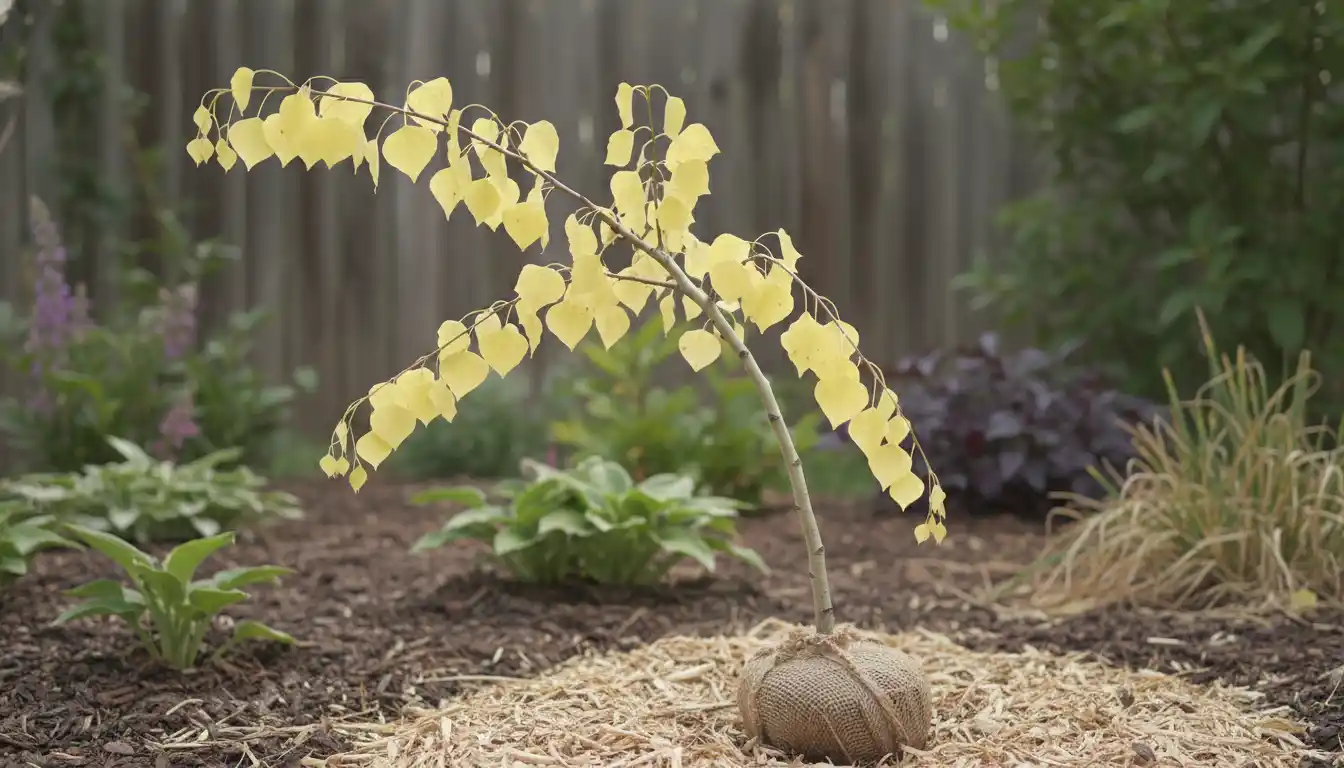
Common symptoms include leaf scorch, where the edges of the leaves turn yellow or brown and appear burnt. You may also notice sudden wilting, curling, or dropping of leaves, even when the soil is moist. In some cases, the entire tree may show reduced vigor and stunted growth compared to when it was first planted.
Why Aspens Are So Sensitive: The Root of the Problem
Aspens are not like other trees, and their unique biology makes them especially prone to severe transplant shock. Their sensitivity is largely tied to their root system and their natural method of propagation. Understanding these core characteristics is fundamental to providing the right care.
Unlike many solitary trees grown in nurseries, wild aspens are often part of a much larger organism. This interconnectedness is both their strength in the wild and their vulnerability in a garden setting. A failure to appreciate this can lead to frustration and loss.
The Clonal Secret: Why Wild Saplings Suffer Most
A fascinating and critical fact about aspens is that they are often clonal. An entire grove of aspen trees can be a single organism, genetically identical and connected by a vast, shared root system. The individual “trees” are actually suckers, or stems, sent up from this communal root network.
When you dig up a small aspen sucker from the wild, you are severing it from its parent root system, its primary source of life. This act is incredibly traumatic for the young tree, as it may not have developed a sufficient independent root system to survive on its own. This is a major reason why nursery-grown aspens, which are cultivated to have self-contained root balls, generally have a higher success rate when transplanted.
The Delicate and Sprawling Root System
Aspen root systems are naturally shallow and wide-spreading, designed to send up new suckers and colonize areas quickly. These roots are fine and delicate, making them susceptible to damage during digging and transport. Even a small amount of root loss can significantly impair the tree’s ability to absorb water.
Because up to 95% of a tree’s root system can be lost during transplanting, the remaining roots are put under immense pressure to supply water to the entire tree. This imbalance between the roots’ capacity and the canopy’s demand is the direct cause of transplant shock symptoms.
Your Step-by-Step Revival Guide: From Crisis to Calm
If your aspen is showing signs of shock, it’s time for immediate and careful intervention. The goal is to reduce stress on the tree and create an environment that encourages new root growth. Follow these steps methodically to give your aspen the best chance of a full recovery.
Patience is key during this process. A tree’s recovery from severe shock doesn’t happen overnight; it can take a full growing season or even longer for it to become fully established and resume vigorous growth.
Step 1: The Critical Role of Water (and How to Do It Right)
Proper watering is the single most important factor in helping an aspen recover from transplant shock. The compromised root system struggles to absorb water, so your job is to make it as easy as possible. The key is deep, consistent moisture without waterlogging the soil.
Water the tree thoroughly right after planting. For the first few weeks, provide a deep soaking two to three times per week. Use a soaker hose or let a regular hose trickle slowly at the base of the tree for 30-60 minutes to ensure the water penetrates deep into the soil around the root ball. Always check the soil moisture before watering; it should be damp, not soggy.
Step 2: To Prune or Not to Prune?
Traditional advice often suggested pruning back the canopy of a transplanted tree to balance the loss of roots. However, modern arboriculture advises against this for most species, including aspens. The leaves are the tree’s food factories through photosynthesis, and removing them can reduce the energy available for root repair and growth.
The only pruning you should do is to remove any branches that are clearly dead, broken, or diseased. Leave healthy branches intact, even if the leaves are wilting. They provide essential energy for recovery.
Step 3: The Power of Mulch
Applying a layer of organic mulch around the base of your aspen is a simple but highly effective step. Mulch helps to conserve soil moisture by reducing evaporation, regulates soil temperature to protect the sensitive roots from extreme heat or cold, and suppresses weed growth that would otherwise compete for water and nutrients.
Apply a 2-4 inch layer of wood chips, bark, or compost in a wide circle around the tree, extending to the edge of its canopy if possible. Crucially, do not let the mulch touch the trunk of the tree. Leave a gap of a few inches to prevent moisture buildup against the bark, which can lead to rot and disease.
Step 4: Avoid Fertilizing a Stressed Tree
It can be tempting to give your struggling tree a boost with fertilizer, but this is one of the worst things you can do for a tree in transplant shock. Fertilizers, especially those high in nitrogen, encourage top growth at a time when the tree needs to focus all its energy on rebuilding its root system.
The salts in synthetic fertilizers can also further damage already stressed roots. Wait until the tree has fully recovered and is showing signs of healthy new growth, which may be a year or more, before you consider any fertilization.
Proactive Prevention: The Best Defense Against Shock
The best way to deal with aspen tree transplant shock is to prevent it from happening in the first place. Careful planning and proper technique during the transplanting process can dramatically reduce the stress on your tree and set it up for immediate success.
Taking the time to do things right at the start will save you a great deal of worry and effort later on. A well-planned transplant gives your aspen a strong foundation for a long and healthy life in your garden.
Timing is Everything: When to Transplant Aspens
The ideal time to transplant an aspen tree is during its dormant season. This means early spring after the ground has thawed but before the buds begin to open, or in the fall after the leaves have dropped but before the ground freezes. Transplanting during these times minimizes stress because the tree’s demand for water is at its lowest.
Avoid transplanting in the heat of summer at all costs. The combination of high temperatures and a damaged root system is often a fatal combination for a new tree.
The Perfect Site Selection and Planting Technique
Aspens thrive in locations with full sun and well-drained soil. They do not tolerate heavy clay or waterlogged conditions, which can lead to root rot. Before you dig, ensure your chosen spot meets these requirements.
When planting, dig a hole that is two to three times as wide as the root ball but no deeper. It is critical that the top of the root ball sits slightly above the surrounding soil level. Planting a tree too deep is a common and serious mistake that can suffocate the roots. Backfill the hole with the native soil you removed, and water thoroughly to eliminate air pockets.
| Best Practices for Transplanting | Common Mistakes to Avoid |
|---|---|
| Transplant during the dormant season (early spring or fall). | Planting in the middle of a hot, dry summer. |
| Dig a wide, shallow hole (2-3x the root ball width). | Digging a hole that is too deep. |
| Handle the root ball gently to minimize disturbance. | Shaking off soil or excessively disturbing the roots. |
| Ensure the top of the root ball is at or slightly above ground level. | Burying the root flare below the soil line. |
| Water deeply and thoroughly immediately after planting. | Forgetting to water or only providing a light sprinkle. |
| Apply a 2-4 inch layer of mulch, keeping it away from the trunk. | Piling mulch up against the tree trunk (“volcano mulching”). |
| Stake only if necessary in very windy locations. | Staking the tree too tightly, which restricts movement. |
Advanced Care and Long-Term Health
Once your aspen has overcome the initial shock, your focus should shift to long-term care to ensure it remains a healthy, beautiful feature in your landscape. This includes monitoring for potential problems and understanding its ongoing needs. Maintaining your property is part of creating a healthy environment; for winter care, knowing the difference between snowblower models like the Ariens Classic vs Deluxe can be as important as summer lawn care.
A resilient garden is an ecosystem. While planning significant updates, such as a major outdoor project, it’s wise to read up on others’ experiences. For instance, checking out reviews on a Lowe’s kitchen remodel can provide insight into managing large-scale home and garden projects effectively. Similarly, maintaining your tools, from a garden trowel to a Honda HS 622 snowblower, ensures you’re always ready to provide the best care for your landscape.
Monitoring for Pests and Diseases in a Weakened State
A tree stressed by transplant shock is more vulnerable to pests and diseases. Keep a close eye out for common aspen afflictions like cytospora canker, leaf spot, and poplar borers. Early detection is key to managing these issues before they cause significant damage.
Maintaining good cultural practices—proper watering, mulching, and avoiding physical damage to the trunk from mowers or string trimmers—is the best defense. A healthy, well-established tree is much better equipped to fight off potential threats on its own.
Conclusion
Recovering from transplant shock is a test of patience and consistent stewardship. Because aspens are communal organisms with sensitive root systems, their transition to a new environment requires more than just a hole in the ground; it demands vigilant hydration, proper mulching, and a hands-off approach to pruning during the recovery phase.
By closely monitoring the moisture levels and resisting the urge to over-fertilize, you provide the stability the tree needs to re-establish its underground network. While the sight of wilting leaves is alarming, it is often a temporary defense mechanism rather than a final sentence. With proactive care and time, your aspen will anchor itself firmly, rewarding your dedication with the shimmering canopy and silver bark you first envisioned.
