
Asiatic Lily Sprouts Panicking? Here’s Why They’re Failing & How to Fix It
There is a special kind of joy that comes with seeing the first green tips of Asiatic lily sprouts pushing through the soil. It’s a sign of spring, a promise of the vibrant, jewel-toned flowers to come. But that excitement can quickly turn to anxiety when those delicate sprouts don’t look as robust and healthy as you imagined.
Perhaps your sprouts are pale and yellow, long and spindly, or have appeared alarmingly early, vulnerable to a late frost. This is a common problem that frustrates many gardeners, turning the dream of a spectacular lily display into a source of worry. Understanding what your sprouts are trying to tell you is the first step toward cultivating a garden full of breathtaking blooms.
You'll Learn About
Decoding the Distress Signals: What Your Asiatic Lily Sprouts Are Telling You
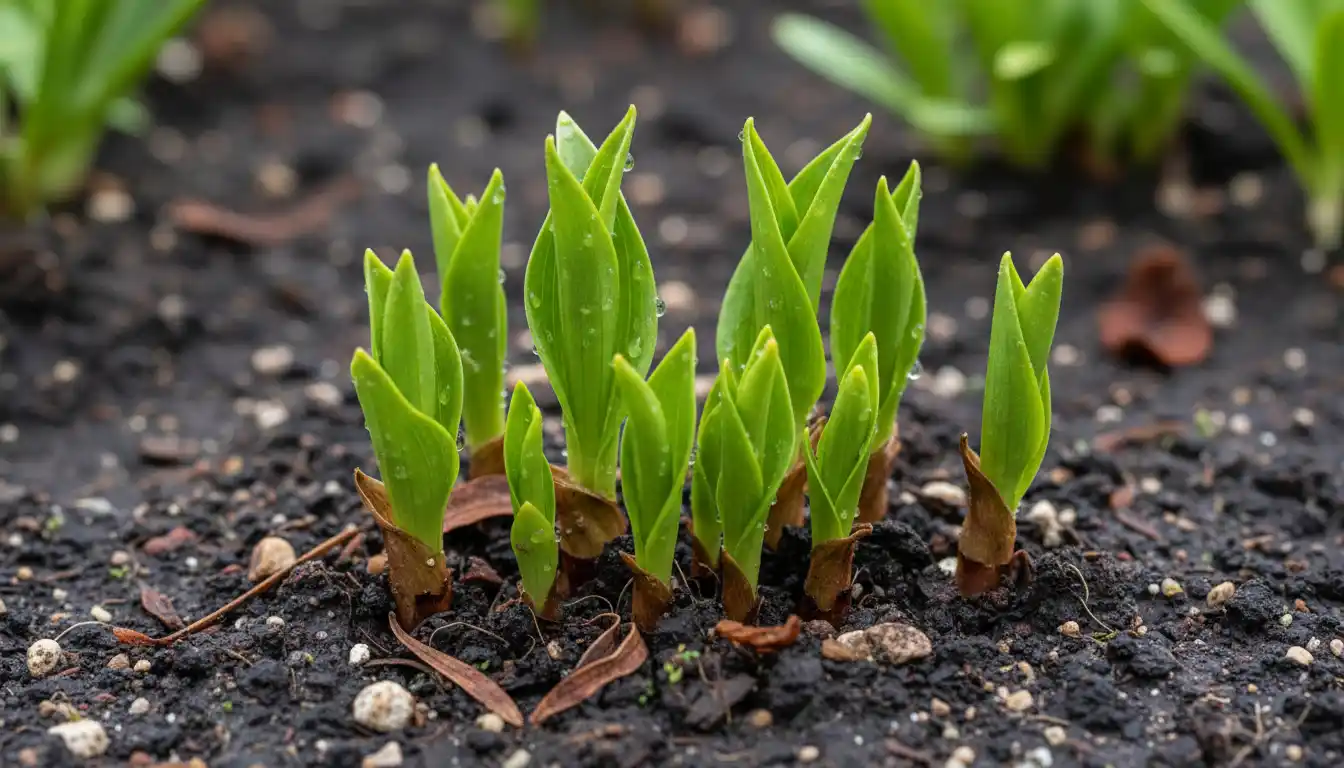
Healthy Asiatic lily sprouts should be sturdy, a vibrant green, and emerge in alignment with the spring season. When they deviate from this, it’s a clear indication that something in their environment isn’t right. By learning to read these signals, you can diagnose the problem and take corrective action before it jeopardizes the entire plant.
The Anxious Early Birds: Sprouts Appearing Too Soon
One of the most common concerns is seeing lily sprouts emerge weeks before the last expected frost. An unseasonable warm spell can trick the bulbs into thinking spring has arrived, triggering premature growth. This leaves the tender new shoots dangerously exposed to a sudden cold snap, which can damage or kill them.
The solution is to provide temporary protection. Cover the emerging sprouts with a thick layer of mulch, such as straw or shredded leaves, to insulate them. If a hard frost is imminent, you can also cover the area overnight with a bucket or frost cloth for extra protection. This simple step can save your lilies from devastating frost damage.
The Silent Treatment: No Sprouts in Sight
Waiting patiently for sprouts that never appear can be disheartening. Several factors can lead to a no-show. The bulbs may have been planted too deep or too shallow, suffered from rot due to waterlogged soil, or fallen prey to hungry rodents like voles or gophers during the winter.
First, ensure patience, as some varieties may emerge later than others. If weeks pass with no activity, gently excavate a small area to inspect a bulb. If it’s soft and mushy, rot is the likely culprit, highlighting a need for better soil drainage in the future. If the bulb is gone entirely, pests are to blame, and using bulb cages for future plantings is a wise preventative measure.
Pale, Yellowing, and Unhealthy Sprouts
Sprouts that emerge looking yellow or pale green are signaling a cry for help. This discoloration, known as chlorosis, is often a symptom of a nutrient deficiency, particularly nitrogen. It can also be a red flag for overwatering, which leads to root rot and prevents the bulb from absorbing nutrients effectively.
Overwatering is a frequent mistake, especially in heavy clay soils. Check the soil moisture by inserting your finger a couple of inches deep; if it feels soggy, hold back on watering. Amending the soil with organic compost can significantly improve drainage. If the soil is well-drained, the issue may be a lack of food, which is easily corrected with a balanced fertilizer.
Leggy, Stretched-Out Growth
When sprouts grow unusually tall, thin, and spindly, they are likely suffering from a condition called etiolation. This is a desperate search for light. Asiatic lilies are sun-lovers, and if they are planted in a spot that is too shady, their sprouts will stretch themselves thin trying to reach the nearest source of sunlight.
This weak, “leggy” growth results in flimsy stems that may not be able to support the weight of future blooms. The only long-term solution is to ensure your lilies receive at least six hours of direct sunlight per day. If they are already established in a shady spot, you will need to carefully transplant the bulbs to a sunnier location in the fall.
The Ultimate Care Guide for Strong, Vibrant Asiatic Lily Sprouts
Transforming weak, struggling sprouts into a foundation for magnificent flowers requires a proactive approach centered on providing the right environment. Correcting the core issues of sunlight, water, and nutrition will not only solve the immediate problems but also set your lilies up for years of success. Think of it as creating the perfect canvas; even the best interior design choices, like deciding between white or off-white curtains, work best when the room’s structure is sound.
Mastering the Fundamentals: Soil, Sun, and Water
The trifecta of gardening success holds true for Asiatic lilies: getting the basics right is non-negotiable. These flowers are resilient, but they have specific needs that must be met for them to thrive from the very beginning.
Sunlight is paramount. Asiatic lilies require a minimum of six hours of direct sun each day to produce strong stems and vibrant, plentiful flowers. While they appreciate full sun, their roots prefer to stay cool. Planting low-growing companion plants around their base or applying a layer of mulch can provide this “cool feet” environment.
Proper soil is the foundation of a healthy lily. They demand well-drained soil and will quickly succumb to rot in heavy, waterlogged conditions. Before planting, amend dense clay soil with organic matter like compost or peat moss to improve its texture and drainage. A slightly acidic soil pH between 6.0 and 6.5 is ideal.
Watering should be deep but infrequent. A common mistake is providing shallow, frequent waterings, which encourages weak root systems. Water thoroughly when the top two inches of soil feel dry, allowing the water to penetrate deep into the root zone. This encourages the bulb to establish a robust root system, making the plant more resilient.
Feeding Your Future Blooms: A Simple Fertilization Strategy
Proper nutrition is crucial the moment sprouts emerge. This is when the plant begins its rapid growth phase and requires energy to develop strong stems and set buds. A balanced approach to fertilization will provide everything the plant needs without encouraging excessive, weak foliage.
As soon as the sprouts are a few inches tall, apply a balanced, slow-release granular fertilizer with an NPK ratio like 10-10-10. This provides an equal measure of nitrogen for leafy growth, phosphorus for root and flower development, and potassium for overall plant vigor. Alternatively, a fertilizer slightly higher in phosphorus can give an extra boost to bloom production.
For a clear and simple feeding plan, follow this schedule:
| Timing | Fertilizer Type | Application Notes |
|---|---|---|
| Early Spring (Sprouts Emerge) | Balanced Granular (e.g., 10-10-10) | Apply around the base of the plant and gently work into the soil. Water well. |
| Mid-Summer (After Blooming) | Low-Nitrogen, High-Phosphorus | This helps replenish the bulb’s energy for the following year’s blooms. Avoid high nitrogen late in the season. |
| Fall (When Planting New Bulbs) | Bone Meal or Bulb Fertilizer | Mix into the bottom of the planting hole to encourage strong root development before winter. |
Protecting Your Investment: Pest and Disease Prevention
Vigilance is your best defense against the pests and diseases that can target new sprouts. Healthy, strong plants are less susceptible, but it’s wise to know what to look for. Proactive measures are always more effective than reactive treatments.
The most notorious pest is the bright red lily leaf beetle. These insects and their larvae can defoliate a plant with alarming speed. Inspect your sprouts regularly, especially the undersides of leaves, and hand-pick any beetles you find, dropping them into soapy water. Aphids can also be an issue, congregating on new growth and buds; a strong spray of water or an application of insecticidal soap can manage them effectively.
Botrytis blight is a common fungal disease that appears as oval-shaped, tan or brown spots on the leaves, especially during cool, wet weather. To prevent it, ensure good air circulation by not overcrowding your plants and avoid overhead watering. Water the soil at the base of the plant to keep the foliage dry.
Beyond the Sprout: Ensuring a Spectacular Season of Blooms
Successfully nurturing your sprouts is a major victory, but the care doesn’t stop there. Continuing to provide the right support and environment will ensure those healthy sprouts mature into stunning, flower-laden stems. The journey from sprout to bloom is a rewarding process that culminates in a garden spectacle.
From Sprout to Stem: Supporting Growth and Structure
As the sprouts shoot upwards into strong stems, some taller Asiatic lily varieties may require support to prevent them from bending or breaking, especially in windy locations or under the weight of their own blooms. Proactively placing stakes or ring supports around the plant while it’s still growing allows the foliage to naturally conceal the structure.
A little-known aspect of lily care is managing their energy. After the flowers have faded, deadhead them by snipping off the spent bloom. This prevents the plant from expending energy on seed production and instead redirects that energy back into strengthening the bulb for the next season. It’s crucial, however, to leave the stem and leaves intact until they turn yellow and die back naturally in the fall. The foliage continues to photosynthesize, creating the food reserves the bulb needs to survive the winter and produce a spectacular show next year.
Staging for Success: Design and Curb Appeal
A thriving patch of Asiatic lilies can dramatically enhance your home’s curb appeal. The vibrant colors and classic flower shape create a powerful visual statement. When planning your garden, consider how the bright oranges, yellows, and reds will complement your home’s exterior. Sometimes, a simple backdrop is all that’s needed to make these colors pop. Improving your home’s overall presentation, even in small ways, can be crucial if you ever find your house on the market for 40 days, as first impressions are everything.
Thinking about lighting can also extend the enjoyment of your garden. While lilies need sunlight to grow, strategic garden lighting can transform the space at night. Well-placed uplighting can highlight the dramatic form of the lily stalks and blooms, creating an enchanting evening atmosphere. You might even find inspiration from projects like figuring out how to attach LED strip lights to concrete for a patio, applying similar principles to illuminate your garden beds.
Frequently Asked Questions About Asiatic Lily Sprouts
Even with the best care, specific questions often arise as gardeners watch their lilies develop. Here are answers to some of the most common queries.
How tall should my sprouts be before I worry they are too leggy?
There isn’t a specific height, but rather a ratio of height to sturdiness. Healthy sprouts are typically thick and compact. If your sprouts are thin, pale, and seem to be flopping over despite being only a few inches tall, they are likely stretching for light and can be considered leggy.
Can I move my lily sprouts if they are in the wrong spot?
It is best to avoid transplanting lilies when they are in their active spring growth phase as this can stress the plant and sacrifice the current season’s blooms. The ideal time to move lily bulbs is in the early fall, after the foliage has died back. This allows the bulb to establish new roots in its new, sunnier location before winter dormancy.
Do Asiatic lily sprouts need protection from rabbits or deer?
Unfortunately, rabbits and deer can find tender new lily sprouts to be a tasty snack. If these animals are common in your area, protecting your sprouts is essential. Using a liquid repellent spray or surrounding the emerging plants with a small wire cage can effectively deter them until the plants are more established and less tender.
