
Ashford Porcelain Tile Reviews: The Brutal Truth Before You Buy
Choosing the perfect flooring is one of the most daunting decisions in any home renovation. You’re not just selecting a color or style; you’re investing in a surface that needs to withstand daily life, from muddy paws and spilled juice to heavy foot traffic and shifting furniture. The fear of choosing a floor that scratches easily, stains instantly, or looks dated in a few years is a significant source of stress for homeowners.
This is where the promise of porcelain tile shines, offering a blend of durability and elegance. Among the many options available, Ashford porcelain tile has gained considerable attention. But does it live up to the hype? This comprehensive review digs into the real-world performance, pros, cons, and user experiences to uncover the truth about Ashford porcelain tile and help you decide if it’s the right foundation for your home.
You'll Learn About
Decoding Ashford: What Exactly is This Tile?
Before diving into the reviews, it’s essential to understand what Ashford porcelain tile is. “Ashford” is often a collection or brand name featured by major retailers like Floor & Decor, encompassing a range of porcelain tiles known for their sophisticated designs, including realistic wood-look planks and elegant patterned styles. These tiles are typically manufactured in renowned ceramic regions like Italy and Spain, which are celebrated for their long heritage of quality craftsmanship and innovative design.
Porcelain itself is a type of ceramic tile, but it’s made from finer, denser clay and fired at much higher temperatures. This process results in a tile that is harder, less porous, and more durable than standard ceramic, making it an ideal choice for nearly any application in a home, including high-moisture areas like bathrooms and kitchens.
The Allure of Ashford: Unpacking the Praised Benefits
Across countless homeowner reviews and product specifications, several key advantages of Ashford porcelain tile consistently emerge. These benefits directly address the most common problems and anxieties associated with choosing a new floor.
Unmatched Durability for the Busiest Homes
The primary reason many gravitate towards porcelain is its exceptional hardness and resistance to wear and tear. Many Ashford tiles boast a PEI rating of 4 or 5, which is the highest rating on the Porcelain Enamel Institute’s scale for abrasion resistance. A PEI rating of 4 is suitable for all residential and medium commercial use, while a PEI 5 rating can withstand heavy commercial foot traffic, making it more than tough enough for any residential setting.
This means Ashford tiles are highly resistant to scratches from pet claws, dents from dropped objects, and the general wear that comes from high-traffic areas like entryways and hallways. For families with children and pets, this level of durability provides invaluable peace of mind.
Superior Water and Stain Resistance
Because porcelain is fired at extreme temperatures, its water absorption rate is incredibly low (less than 0.5%). This makes Ashford porcelain tiles virtually waterproof. They are an excellent choice for moisture-prone areas like bathrooms, kitchens, laundry rooms, and basements, where spills and humidity would warp or ruin materials like hardwood.
This low porosity also means the tiles are highly resistant to staining. Spills from wine, coffee, or juice can be wiped away easily without penetrating the surface, a crucial feature for maintaining a clean and beautiful floor for years to come.
A Style for Every Vision: Design Versatility
Gone are the days when tile was limited to simple squares. Modern inkjet technology allows manufacturers to create incredibly realistic and varied designs on porcelain surfaces. The Ashford collection, in particular, is lauded for its aesthetic flexibility, offering everything from classic Victorian-inspired patterns to highly convincing wood-look planks.
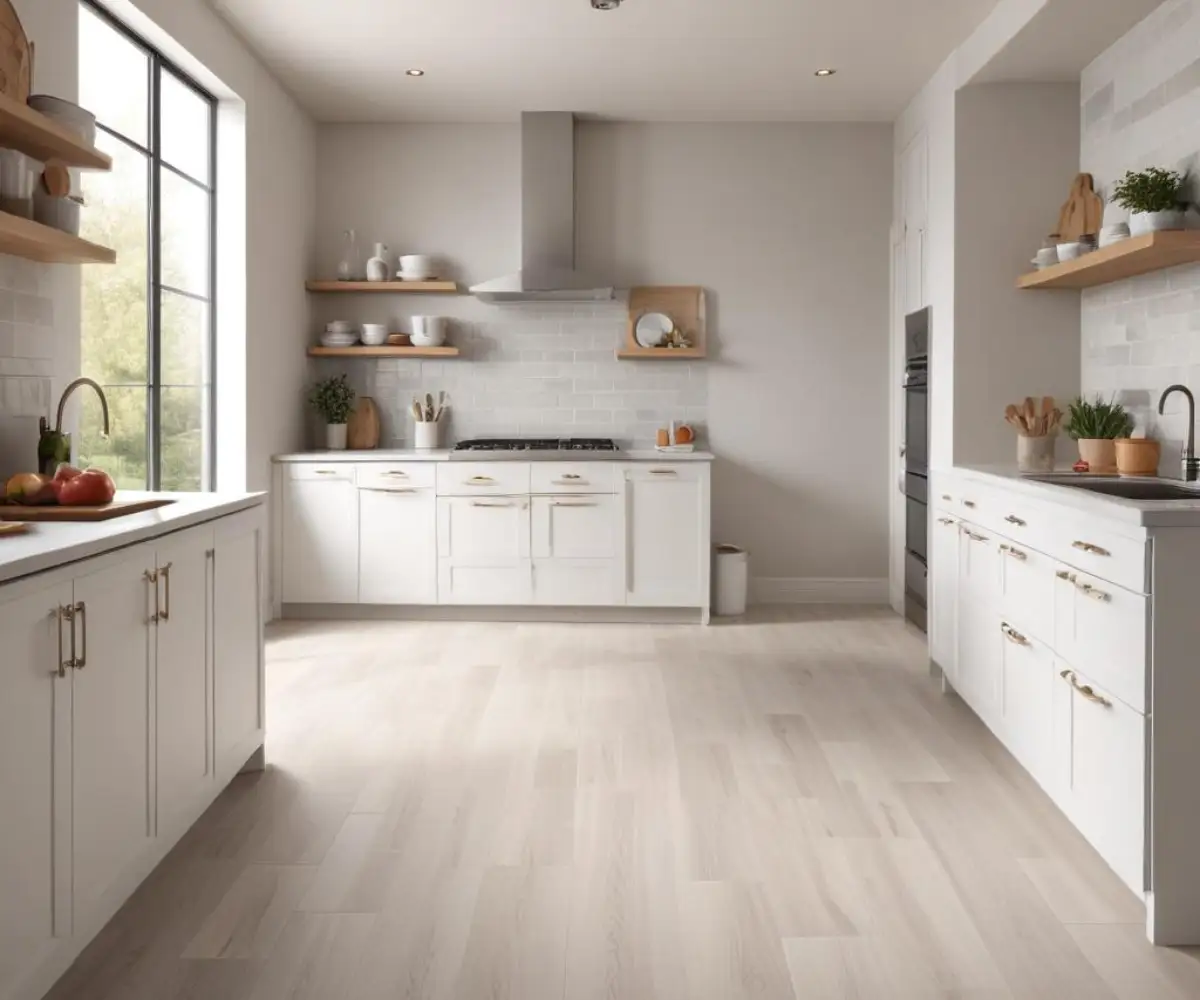
These wood-look tiles, available in various plank sizes and finishes like hickory, walnut, and oak, provide the warm, inviting look of hardwood without any of the drawbacks. You get the beauty of natural wood combined with the indestructible nature of porcelain, a combination many homeowners find irresistible.
Low-Maintenance Living
Unlike natural stone that requires regular sealing or hardwood that needs refinishing, Ashford porcelain tile demands very little upkeep. Routine cleaning typically involves just sweeping or vacuuming to remove loose debris, followed by mopping with a simple solution of warm water and a pH-neutral cleaner.
This ease of maintenance is a significant advantage for busy homeowners who want beautiful floors without a demanding cleaning regimen. Furthermore, some Ashford tiles feature an antimicrobial coating that helps protect against odor and stain-causing mold and mildew, contributing to a cleaner and healthier home environment.
The Unvarnished Truth: Potential Downsides of Ashford Tile
No product is perfect, and a trustworthy review must examine the potential drawbacks. While Ashford porcelain tile has many strengths, homeowners and installers have reported a few common challenges that are crucial to consider before making a purchase.
The Installation Challenge: This Isn’t a Beginner’s DIY Project
The very hardness that makes porcelain so durable also makes it notoriously difficult to cut and install. It requires specialized tools, such as a high-quality wet saw with a diamond blade, to achieve clean cuts without chipping the tile. Many DIY enthusiasts find themselves overwhelmed by the precision and equipment needed for a professional-looking installation.
Furthermore, porcelain planks can sometimes have a slight bow or “crown” in the center, a common issue with longer tiles. This makes achieving a perfectly level floor with tight grout lines challenging, even for seasoned professionals. Proper subfloor preparation is absolutely critical; any imperfections in the subfloor will be magnified and can lead to cracked tiles down the line. When planning your layout, you’ll need to account for existing fixtures, and modifying the subfloor around an electrical stub out requires careful precision.
Comfort and Coldness Underfoot
A frequent complaint about any tile floor is its hardness and coldness. Porcelain is no exception. It’s an unyielding surface, which can be uncomfortable to stand on for long periods, and it doesn’t retain heat well. In colder climates, a porcelain tile floor can feel frigid underfoot in the morning.
While this can be mitigated with area rugs or the installation of an underfloor radiant heating system, these are additional costs to factor into your budget. For those who prioritize a soft, warm feel, materials like luxury vinyl or carpet might be a better fit for living areas and bedrooms.
Grout: The Unsung Hero (and Potential Villain)
While the tiles themselves are low-maintenance, the grout lines between them are another story. Grout is porous and can easily become discolored from dirt and spills if not properly sealed and regularly cleaned. Light-colored grout, in particular, can be difficult to keep looking pristine in high-traffic areas.
Choosing a high-quality epoxy grout or a darker-colored grout can help minimize this issue. However, it’s a critical aspect of the overall aesthetic and maintenance reality that is often overlooked in the excitement of choosing the tile itself.
Ashford Porcelain vs. The Competition: A Head-to-Head Comparison
To provide context, it’s helpful to see how Ashford porcelain stacks up against other popular flooring choices. This table offers a clear, at-a-glance comparison of key attributes.
| Feature | Ashford Porcelain Tile | Ceramic Tile | Luxury Vinyl Tile (LVT) | Engineered Hardwood |
|---|---|---|---|---|
| Durability | Exceptional (PEI 4-5) | Good (PEI 3-4) | Good to Very Good | Fair to Good |
| Water Resistance | Excellent (Waterproof) | Good (Glazed is resistant) | Excellent (Waterproof) | Poor (Prone to warping) |
| Scratch Resistance | Excellent | Good | Good | Fair |
| Installation Difficulty | High (Professional recommended) | Moderate | Low (DIY-friendly) | Moderate to High |
| Comfort Underfoot | Hard and Cold | Hard and Cold | Softer and Warmer | Softer and Warmer |
| Maintenance | Low (Easy to clean tile) | Low | Very Low | Moderate (Requires specific cleaners) |
Expert Installation Tips for a Flawless Ashford Floor
Given that installation is the most significant hurdle, following professional best practices is non-negotiable for a lasting, beautiful result. If you’re hiring a professional, ensure they are experienced with large-format porcelain. If you’re an advanced DIYer, these tips are crucial.
Subfloor Preparation is Everything
Your subfloor must be perfectly flat, clean, and structurally sound. The industry standard for large-format tile is a maximum deviation of 1/8 inch over 10 feet. Use a self-leveling compound to correct any dips or low spots. An uneven subfloor is the number one cause of tile cracking under pressure.
The “Secret” to a Natural Look: Mix Your Boxes
Even within the same production run, there can be slight variations in color and pattern from one box of tile to the next. To ensure a blended, natural-looking floor, always pull tiles from several different boxes as you work. This prevents noticeable “patching” where one section of the floor looks slightly different from another.
A clean workspace is vital, both indoors and out. If you’re cutting tiles outside, be mindful of debris, as dealing with issues like extensive sand removal from yard cleanup can add unnecessary time and effort to your project.
Use the Right Mortar and Trowel
Porcelain’s density requires a high-quality, polymer-modified thin-set mortar to ensure a strong bond. For large-format tiles, it’s also critical to “back-butter” each tile—applying a thin layer of mortar to the back of the tile in addition to the amount spread on the floor. This provides maximum coverage and prevents hollow spots, which can lead to cracks.
Long-Term Care: Keeping Your Ashford Tile Looking New
Maintaining the beauty of your Ashford porcelain floor is remarkably simple. Use pH-neutral cleaners, as acidic or harsh chemical cleaners can damage the grout and the tile’s glaze over time. Regular sweeping prevents abrasive grit from scratching the surface.
For seasonal deep cleaning, ensure you’re using the right equipment for the job. Just as you would perform maintenance like draining gas from toro snowblower units before storing them for the summer, a yearly deep clean and inspection of your grout lines will prevent long-term staining and decay. Sealing your grout every few years is also a wise investment to protect it from moisture and discoloration.
The Verdict: Is Ashford Porcelain Tile Right for You?
After a thorough review of its properties, benefits, and real-world challenges, Ashford porcelain tile is an outstanding choice for homeowners who prioritize durability, water resistance, and sophisticated style. Its ability to realistically mimic natural materials like wood while offering superior performance makes it a versatile and long-lasting investment for nearly any room in the house.
However, it is not a product for the casual DIYer. The cost and complexity of proper installation must be factored into your budget. Its hard, cold nature may also be a drawback for those who value underfoot comfort above all else. Ultimately, if you are prepared for a professional installation and are seeking a beautiful, low-maintenance floor that can truly stand the test of time against the rigors of a busy household, the Ashford collection is a top-tier contender that is unlikely to disappoint.
