
Are Whirlpool Refrigerators Quiet? Your Guide to a Peaceful Kitchen
The modern home is a sanctuary, a place of peace away from the hustle of the outside world. In today’s open-concept living spaces, however, even the slightest persistent noise can become a major disruption. This brings the sounds of our hardest-working appliances, like the refrigerator, from the background right into the forefront of our daily lives.
You’re searching for a new refrigerator, and one question keeps surfacing: are Whirlpool refrigerators quiet? It’s a critical concern for anyone who values a tranquil home environment. A loud, humming appliance can disrupt conversations, interrupt sleep, and add a layer of stress to your home, making this question more about quality of life than just appliance features.
You'll Learn About
Why Refrigerators Make Noise: A Normal Operation Guide
Before labeling a refrigerator as “noisy,” it’s essential to understand that no refrigerator is completely silent. These complex machines generate a variety of sounds as part of their normal operation. Understanding these noises is the first step in differentiating between a standard operational sound and a genuine problem.
Modern high-efficiency refrigerators, including many Whirlpool models, may actually run longer than older units but are engineered to be more energy-efficient and quieter overall. Key components like the compressor and fans are the primary sources of sound. The compressor circulates refrigerant, while fans move air to maintain consistent temperatures.
Understanding Decibels (dBA) in Appliances
The loudness of a refrigerator is measured in decibels (dBA). For context, a whisper is about 30 dBA, and a normal conversation is around 60 dBA. Most modern refrigerators operate somewhere between 35 and 47 dBA. A rating below 40 dBA is considered exceptionally quiet.
While Whirlpool doesn’t always advertise the specific dBA rating for every model, they are generally engineered to operate within a quiet, acceptable range for the average home. Innovations in compressor technology and better insulation play a huge role in keeping these operational sounds to a minimum.
Are Whirlpool Refrigerators Engineered for Quiet Performance?
Whirlpool has a long-standing reputation for producing reliable home appliances, and noise reduction is a significant factor in their design process. Many contemporary Whirlpool models incorporate advanced features specifically aimed at dampening sound and ensuring a quieter kitchen environment.
One of the most significant advancements is the use of inverter compressor technology. Unlike traditional compressors that abruptly turn on at full power and off, an inverter compressor runs continuously at variable speeds. This not only saves energy but also results in a much quieter, more consistent, and less intrusive humming sound. Additionally, Whirlpool is pioneering innovations like SlimTech™ insulation, which can lead to quieter performance by reducing the number of compressor cycles needed.
Common Refrigerator Sounds and Their Meanings
It’s helpful to have a guide for the kinds of sounds you might hear from any refrigerator, including a Whirlpool. This can help you identify what’s normal and what might require attention.
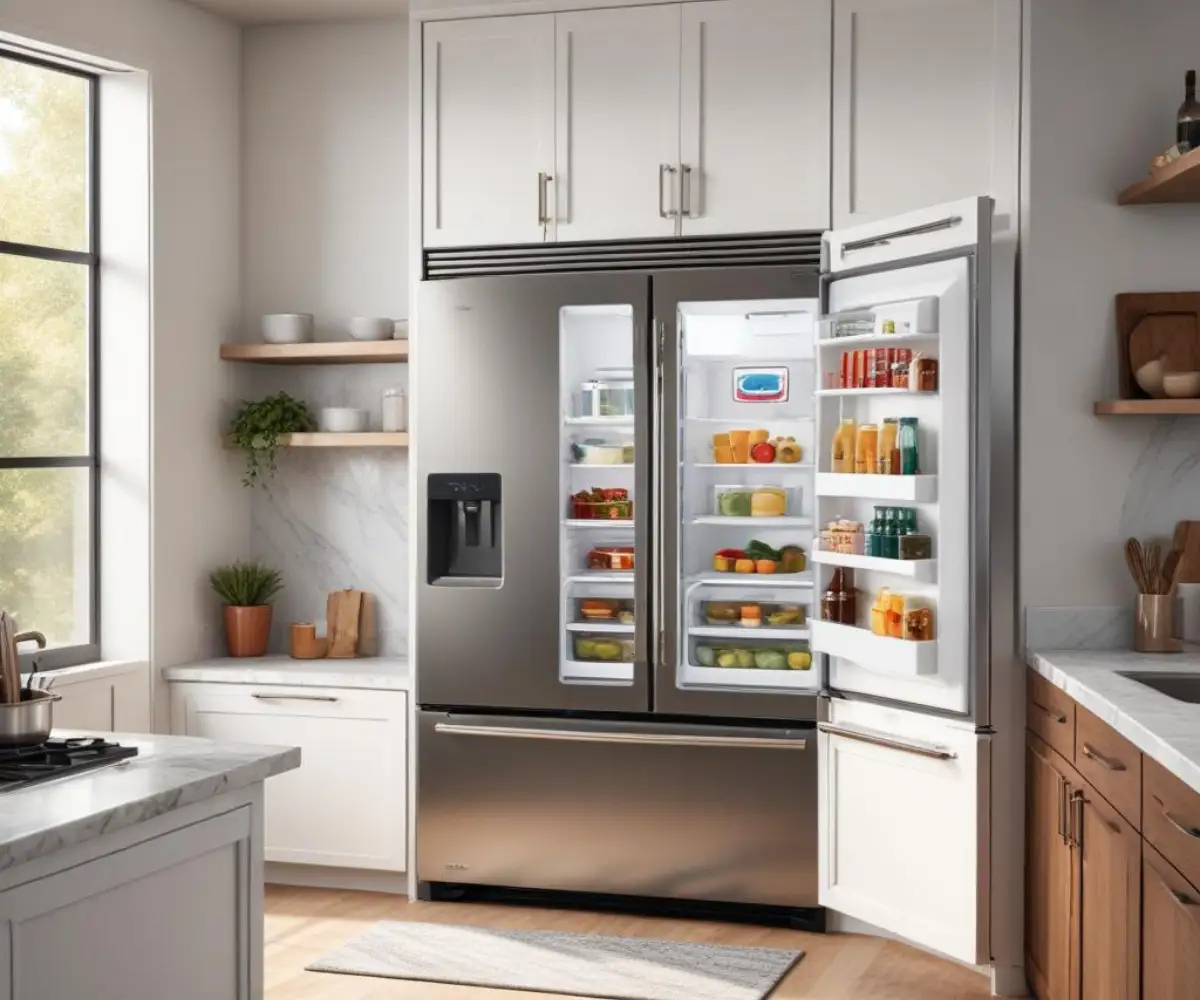
Most of the sounds your refrigerator makes are perfectly normal indicators that it’s working correctly to keep your food fresh and safe. However, if a sound is suddenly much louder or different than usual, it’s worth investigating.
Decoding Your Whirlpool’s Language: A Troubleshooting Guide
Even a quiet refrigerator can sometimes make a noise that seems concerning. Most often, these sounds have simple explanations and even simpler fixes. Learning to identify these noises can save you from an unnecessary service call.
From buzzing and humming to the occasional pop or crackle, your refrigerator is communicating its operational status. Let’s break down the most common sounds and what they mean for your appliance.
Buzzing or Humming: The Sound of Power
A low, steady hum is the most common sound you’ll hear from your Whirlpool refrigerator. This is typically the sound of the compressor doing its job. If this humming noise becomes noticeably louder, it could indicate that the compressor is working overtime, possibly due to dirty condenser coils.
A buzzing sound might be related to the evaporator fan if it’s obstructed or failing. You may notice this noise stops when you open the freezer door, as the fan typically shuts off. Ensuring vents inside are not blocked can sometimes resolve this.
Clicking, Popping, and Cracking
Have you ever heard a popping or cracking sound from your fridge? This is usually caused by the contraction and expansion of the interior plastic components as they adjust to temperature changes. It’s especially common during the defrost cycle and is completely normal.
A clicking sound can be the defrost timer switching on and off or the thermostat cycling. However, if you hear frequent, loud clicking, it could signal an issue with the start relay on the compressor, which might require a professional look.
Gurgling, Hissing, or Dripping
The gentle gurgling or hissing you might hear is the sound of refrigerant flowing through the cooling lines. Similarly, a dripping or sizzling sound is often just water hitting the defrost heater during the defrost cycle. These are standard operational sounds that indicate the cooling system is functioning properly.
While these sounds are normal, if you notice them accompanied by actual water leakage inside or outside the unit, it’s time to investigate further, as you might have a blocked defrost drain.
Rattling or Vibrating: The Most Common Culprit
A rattling noise is one of the most frequently reported concerns, and thankfully, it often has an easy solution. The most common cause of rattling is that the refrigerator is not perfectly level on the floor. An unlevel placement can cause vibrations during operation.
Another simple cause is the drain pan underneath the fridge being loose, or items on top of the refrigerator vibrating. Checking these simple things first can often eliminate the noise immediately.
| Sound | Potential Cause | Is It Normal? |
|---|---|---|
| Humming/Buzzing | Compressor or fan operation | Yes, unless it suddenly becomes very loud. |
| Clicking | Defrost timer, thermostat, or icemaker | Yes, occasional clicks are normal. Frequent loud clicks may indicate a problem. |
| Popping/Cracking | Thermal expansion of interior parts | Yes, this is a very common and normal sound. |
| Gurgling/Hissing | Refrigerant flowing through the system | Yes, this indicates the cooling cycle is active. |
| Dripping/Sizzling | Water hitting the defrost heater | Yes, a normal part of the defrost cycle. |
| Rattling/Vibrating | Not being level, loose drain pan, or items on top | No, this is often fixable with simple adjustments. |
How to Make Your Whirlpool Refrigerator Even Quieter
Even if your refrigerator is operating normally, there are several steps you can take to minimize its sound profile. Proper installation and routine maintenance are crucial for ensuring the quietest possible operation throughout the life of your appliance.
These proactive measures can make a significant difference, especially in homes where the kitchen is the central hub of activity. A few simple adjustments can transform a noticeable hum into faint background noise.
The Importance of Proper Installation
The first step to a quiet refrigerator is ensuring it’s installed correctly. Make sure there is at least one inch of clearance on all sides and at the back. This allows for proper air circulation, which prevents the compressor and fans from working harder and louder than necessary.
Most importantly, ensure the refrigerator is perfectly level. Use a bubble level to check, and adjust the leveling feet at the bottom until it’s stable. An unlevel fridge is a leading cause of rattling and vibration noises.
Routine Maintenance for a Peaceful Kitchen
Simple upkeep can go a long way. At least twice a year, you should clean the condenser coils. These are usually located on the back or underneath the refrigerator. When dust and debris accumulate on the coils, the fridge has to work harder to release heat, leading to louder operation.
Also, periodically check the drain pan to ensure it’s securely in place. Organize the contents inside your fridge so that bottles and jars aren’t rattling against each other or the walls of the unit.
How Whirlpool’s Noise Levels Stack Up
When considering a new appliance, context is key. While a quiet Whirlpool is an excellent choice, understanding the broader market provides valuable perspective. Premium brands discussed in a GE Cafe vs Monogram refrigerator comparison, for instance, often build their reputation on near-silent operation, but at a significantly higher price point.
Similarly, a KitchenAid vs GE Profile showdown will also involve weighing noise levels against a suite of other features. Interestingly, even when looking at budget-friendly lines like IKEA appliances, many of which are manufactured by Whirlpool, the specific model and its features will determine the final sound profile. Whirlpool consistently strikes a balance, offering reliable, quiet performance that represents excellent value.
The Final Verdict: Is a Whirlpool Refrigerator Right for Your Quiet Home?
So, are Whirlpool refrigerators quiet? The answer is a resounding yes. Whirlpool designs its refrigerators with the modern home in mind, incorporating technology to ensure they operate efficiently and with minimal noise. While no refrigerator is truly silent, Whirlpool models are engineered to produce only the low-level sounds of normal, healthy operation.
By understanding what causes refrigerator noises and how to address the few that are preventable, you can be confident in your choice. A Whirlpool refrigerator offers a reliable and quiet solution, allowing you to enjoy the peace and tranquility of your home without disruption. Proper installation and simple, regular maintenance are all it takes to ensure your kitchen remains the quiet heart of your home.
