Are Wall Ovens Hardwired? The Shocking Electrical Truth
You’ve finally chosen the perfect wall oven to complete your dream kitchen. It’s sleek, modern, and promises flawless culinary creations. But as you plan the installation, a critical question emerges that many homeowners overlook: are wall ovens hard wired, or do they simply plug into an outlet like other appliances?
This isn’t just a technical detail—it’s a crucial safety and logistical challenge that can bring your kitchen remodel to a screeching halt. The answer determines whether your installation is a simple slide-in-place job or a project requiring a licensed electrician, a new dedicated circuit, and a deep dive into your home’s electrical panel.
Ignoring this question can lead to dangerous electrical situations, voided warranties, and costly mistakes. This guide will illuminate the electrical realities of wall ovens, ensuring your installation is safe, compliant, and successful from the start.
You'll Learn About
What “Hardwired” Actually Means for Your Kitchen Appliance
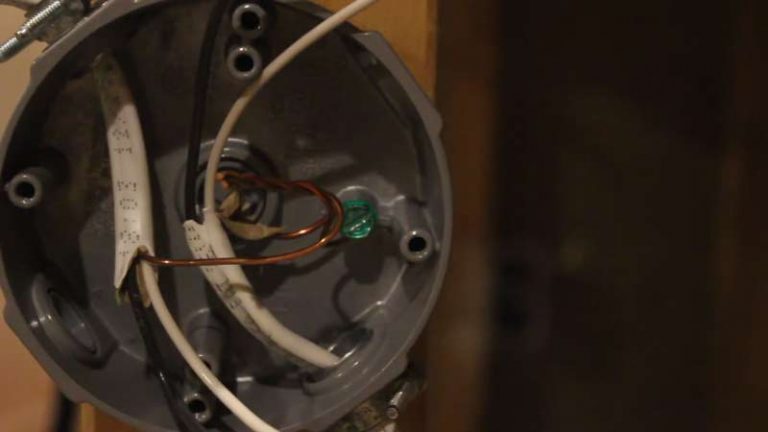
When an appliance is “hardwired,” it means it is permanently connected to your home’s electrical system. Instead of a familiar plug and cord that goes into a wall outlet, the oven’s electrical cable is routed directly into a junction box in the wall.
Inside this box, a licensed electrician connects the oven’s wires directly to the dedicated circuit from your home’s breaker panel. This creates a secure, uninterrupted, and permanent flow of power designed specifically for that single, high-demand appliance.
This method is the industry standard for major appliances that require a significant and constant amount of electricity. It’s a stark contrast to countertop microwaves or stand mixers that you can easily plug in and unplug at will.
The #1 Reason Wall Ovens Are Almost Always Hardwired: Power
The primary reason most wall ovens require a hardwired connection is their immense power consumption. A standard wall outlet in your home provides 120-volt electricity, which is perfectly fine for small electronics and lamps. However, a wall oven is a power-hungry appliance.
Most single wall ovens require a 240-volt dedicated circuit, typically rated for 30, 40, or even 50 amps. This high voltage is necessary to heat the elements quickly and maintain consistent temperatures for baking, broiling, and roasting. A standard 120-volt outlet simply cannot deliver this level of power safely or effectively.
Attempting to run a 240-volt appliance on a 120-volt circuit would, at best, prevent it from working. At worst, it could lead to constantly tripped breakers, overheating wires, and a serious fire hazard. Hardwiring ensures the oven has the stable, high-power connection it needs to operate as designed.
Decoding Your Kitchen’s Electrical System: A Homeowner’s Primer
Understanding the electrical setup for a wall oven is crucial for any homeowner. The entire system is built around safety and providing adequate power. This starts with a dedicated circuit, which means that the breaker in your electrical panel and the wiring leading to the oven serve that appliance and nothing else.
This prevents other devices from drawing power from the same line, which could overload the circuit. The wire itself is also critical. An electrician will use a specific wire gauge (thickness) appropriate for the amperage of the circuit—thicker wire for higher amps—to ensure it can handle the electrical load without overheating.
Finally, the circuit breaker acts as a failsafe. If the oven draws too much current for any reason, the breaker will trip, cutting off the power and preventing a dangerous situation. This integrated system of dedicated circuits, proper wiring, and breaker protection is non-negotiable for a safe wall oven installation.
The Rare Exception: Plug-In Wall Ovens
While the vast majority of wall ovens are hardwired, a small number of models are designed to use a plug and receptacle. These are not your standard wall outlets. They typically use a large, 240-volt receptacle, often a NEMA 14-50 or 6-50 type, similar to what an electric clothes dryer or an electric vehicle charger uses.
This option is less common because the hardwired method is generally considered a more permanent and robust connection. However, a plug-in model might be used in situations where local codes permit it or in specific kitchen configurations. Always check the manufacturer’s specifications to see what type of connection your chosen oven requires.
Even if your oven is a plug-in model, the outlet it connects to must still be on its own 240-volt dedicated circuit. You cannot simply install a 240-volt outlet on any existing wiring. The entire circuit, from the breaker panel to the outlet, must be professionally installed to meet the oven’s power demands.
Hardwired vs. Plug-In Connections: A Clear Comparison
Understanding the key differences between these two installation methods can help you prepare for your kitchen project. While both are safe when installed correctly by a professional, they have distinct characteristics.
Here is a breakdown of the critical differences between a standard hardwired installation and a less common plug-in setup for a 240-volt wall oven.
| Feature | Hardwired Connection | Plug-In Connection (240V Receptacle) |
|---|---|---|
| Connection Type | Direct wiring into a junction box. | A heavy-duty cord plugs into a dedicated 240V outlet. |
| Installation | Requires a licensed electrician for all steps. | Requires an electrician to install the dedicated outlet. |
| Commonality | The most common method for wall ovens. | Rare for wall ovens, more common for ranges. |
| Safety | Extremely secure and stable connection. | Safe, but relies on the integrity of the plug and outlet. |
| Serviceability | Power must be shut off at the breaker for servicing. | Can be unplugged for service (after shutting off breaker). |
| Best For | Permanent installations and ensuring code compliance. | Specific models that require it; may offer easier replacement. |
The Hidden Dangers of Improper Wall Oven Wiring
The electrical requirements for a wall oven are strict for a very good reason: safety. An improper installation is one of the most dangerous mistakes a homeowner can make. The risks associated with faulty wiring are severe and can have devastating consequences.
Using the wrong gauge wire is a primary concern. If the wire is too thin for the amperage of the circuit, it can overheat under load, melting its protective sheathing and creating a major fire hazard inside your walls. Loose connections within the junction box can also lead to arcing—an electrical spark—which can ignite surrounding building materials.
Beyond the fire risk, improper grounding creates a serious risk of electric shock. Furthermore, a DIY installation that doesn’t follow the manufacturer’s instructions or local electrical codes can instantly void your appliance’s warranty, leaving you responsible for expensive repairs. It can even cause problems with your homeowner’s insurance in the event of a fire or other damage.
What a Professional Hardwiring Installation Involves
Understanding the process a certified electrician follows can give you peace of mind. While this is absolutely not a DIY guide, knowing the steps involved helps you recognize a professional and thorough job.
First, the electrician will shut off all power at the main electrical panel by turning off the appropriate breaker. They will then run a new, correctly gauged electrical cable from the breaker panel to the oven’s location. This is the dedicated circuit.
Next, they install a junction box in the wall behind the oven. The electrician will then carefully connect the wires from the house circuit to the oven’s flexible conduit, matching the colors precisely: black to black (hot), red to red (hot), white to white (neutral), and green/bare to green/bare (ground). Every connection is secured with wire nuts and the junction box is safely covered before the oven is pushed into place.
When to Call an Electrician: Don’t Risk a DIY Disaster
The message is clear: wall oven electrical work is not a do-it-yourself project. The risks are far too high, and the knowledge required goes well beyond a simple home repair. You must hire a licensed electrician for this task.
Call a professional if you are replacing an old oven with a new one, as the power requirements may have changed. It is absolutely essential to call an electrician if you are installing a wall oven in a location where one did not previously exist. They will need to run a new dedicated circuit from your breaker panel, which is a complex and highly regulated task.
If you have any doubts about your existing wiring, or if an oven is causing your breaker to trip, do not hesitate. An electrician can diagnose the problem safely and ensure your kitchen is up to code.
Beyond the Wires: Other Critical Wall Oven Considerations
While the electrical connection is paramount, a successful installation involves more. Proper ventilation is essential for performance and safety. Ensure your cabinet design allows for adequate airflow around the oven, as detailed in the manual, to prevent overheating and ensure efficient operation. For more on this, understanding your wall oven vent system is crucial.
The physical fit is also key, especially in smaller kitchens where a shallow wall oven might be necessary to save space. Always measure your cutout precisely before purchasing. And once installed, be aware of the normal operational sounds. Sometimes, what seems like excessive noise might just be the cooling fan, a topic many homeowners wonder about when they notice their ZLINE oven fan noise after a cooking cycle.
The Future of Ovens: Do Smart Features Change the Wiring?
With the rise of smart kitchens, many new wall ovens come equipped with Wi-Fi connectivity, touch screens, and advanced cooking technologies. It’s natural to wonder if these features change the fundamental electrical requirements. The answer is a definitive no.
While the digital components may add a small amount of power draw, the heavy lifting is still done by the electric heating elements. A smart oven with air fry, steam, or precision cooking modes is still a high-power, 240-volt appliance at its core. It will require the same robust, dedicated, hardwired circuit as its less-connected counterparts.
The “smart” technology relies on low-voltage electronics, but the cooking power comes from the same high-voltage connection. As you shop for the latest models, do not assume that new tech equals a simpler installation. The core principles of electrical safety and power delivery remain the same.
Your Wall Oven Wiring: The Final Verdict
So, are wall ovens hardwired? In almost every case, the answer is a resounding yes. This isn’t an arbitrary choice by manufacturers; it’s a necessary safety standard dictated by the high power these essential kitchen appliances demand.
The 240-volt dedicated circuit and direct, hardwired connection ensure your oven operates efficiently, safely, and reliably for years to come. While a few exceptions exist, you should always plan for a hardwired installation performed by a qualified, licensed electrician.
Investing in a professional installation protects your home, your family, and your new appliance. It’s the single most important step in ensuring your journey to a new kitchen ends in culinary success, not an electrical disaster.