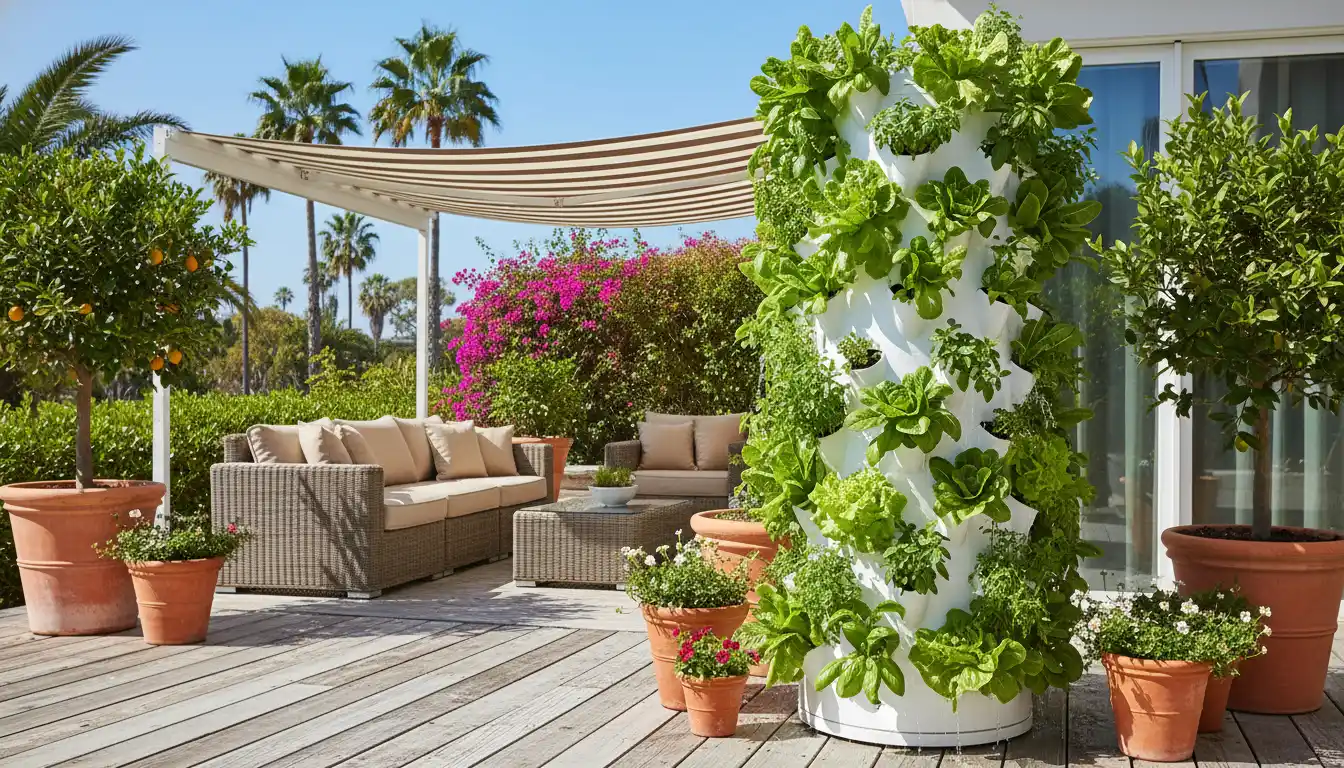
Are Tower Gardens Worth It? The Honest Truth & ROI
You’ve seen them on social media: lush, vertical columns of overflowing greenery that promise to turn your living room or patio into a futuristic farm. But with price tags ranging from $500 to over $1,000, the burning question for any home improver is simple: Are Tower Gardens worth it?
The short answer is yes, Tower Gardens are worth the investment for households that prioritize fresh, pesticide-free greens and have the discipline for weekly maintenance, with a typical financial break-even point of 12-18 months. However, for the casual gardener expecting a “set it and forget it” appliance, the initial sticker shock and ongoing maintenance curve can make it a regrettable purchase.
This guide cuts through the marketing hype. We’ve analyzed real user experiences, calculated the actual costs of operation, and compared the durability of these systems to help you decide if a vertical aeroponic garden belongs in your home.
You'll Learn About
The Real Cost Breakdown: Upfront vs. Hidden Expenses
When you look at the price of a brand-name Tower Garden, you are paying for more than just plastic. You are paying for a closed-loop aeroponic design that recycles water and nutrients, theoretically saving you money on groceries. But let’s look at the numbers.
The Initial Investment
A basic setup will cost you between $600 and $900 depending on the model (indoor vs. outdoor) and accessories like LED grow lights, which are non-negotiable for indoor growing. While this rivals the cost of a high-end appliance, proponents argue that it replaces a significant portion of your weekly produce bill.
Hidden Ongoing Costs
Most reviews gloss over the recurring costs. To keep your tower running efficiently, you need to budget for:
- Electricity: Running the pump and LED lights (for 14-16 hours a day) adds approximately $5-$10 to your monthly energy bill.
- Nutrients: The proprietary mineral blends are essential. Expect to spend $40-$60 annually on restocking “Tower Tonic” or similar hydroponic nutrients.
- Replacement Parts: Rockwool cubes (for starting seeds) and net pots are consumables. You might also lose small components, similar to how easily a door handle plug can go missing during a DIY repair, requiring occasional small purchases.
Crop ROI: What Should You Actually Grow?
Not all crops are created equal in a Tower Garden. To maximize your return on investment (ROI), you need to grow plants that are expensive to buy at the store but cheap and fast to grow hydroponically.
Trying to grow root vegetables (potatoes, carrots) is impossible, and massive vining plants like pumpkins are inefficient. The table below breaks down the “profitability” of common crops to help you decide if your eating habits align with what the tower does best.
| Crop Type | Avg. Growth Cycle | Store Cost vs. Home Cost | ROI Verdict |
|---|---|---|---|
| Herbs (Basil, Cilantro, Mint) | 3-4 Weeks | Store: $3.00/bunch Tower: $0.10/plant |
Highest. Pays for the tower fastest. |
| Leafy Greens (Lettuce, Kale) | 3-5 Weeks | Store: $4.00/bag Tower: $0.20/head |
High. Constant supply of salads saves huge money. |
| Fruiting Crops (Tomatoes, Peppers) | 2-3 Months | Store: Variable Tower: Low yield per sq/ft |
Medium. worth it for taste, not for savings. |
| Strawberries | 3-4 Months | Store: High Tower: Difficult to pollinate |
Low. High effort, lower yield compared to soil. |
The Maintenance Reality: The “15-Minute” Myth
Marketing materials often claim maintenance takes “just 15 minutes a week.” While technically true for checking pH levels and adding water, this doesn’t account for the deep cleaning required between growing cycles.
Algae and Salt Buildup: Over time, nutrient salts and algae will accumulate on the plastic and pump. Cleaning this isn’t as stubborn as ram board tape removal after a floor renovation, but it does require elbow grease. You will need to disassemble the tower sections and scrub them out roughly every 3-6 months to prevent clogging and disease.
pH Management: The water chemistry changes as plants feed. You must test the pH weekly. If it drifts too high or low, your plants will suffer “nutrient lockout” and stop growing. This requires a small chemistry set (usually included) and a steady hand.
Dealing with Noise and Light Pollution
One aspect rarely mentioned in product descriptions is the sensory impact of having a farm in your living room.
The “Trickle” Factor
Aeroponic towers work by pumping water up and letting it rain down inside the hollow tube. This creates a constant trickling sound. For some, it’s a soothing Zen water feature. For others, it sounds like a toilet constantly running.
Pro Tip: To dampen the noise, ensure the water reservoir is always topped off (falling water makes more noise in an empty tank). You can also place a silicone mat under the pump inside the reservoir to reduce vibration hum.
The Light Factor
If you grow indoors, the LED lights are incredibly bright. They need to be on for at least 14 hours a day. If you live in a studio apartment or plan to put this in a media room, the glare can be overwhelming. It is brighter than standard room lighting—think of it less like a lamp and more like a glowing commercial vending machine.
Durability: Plastic vs. The Elements
Is the plastic robust enough to last? Genuine Tower Gardens use high-grade, UV-stabilized polycarbonate (food-grade PC/ABS). This is significantly different from the PVC pipe used in DIY tutorials.
Cheap PVC can become brittle and crack under the sun, and may leech chemicals. The specialized plastic in branded towers is designed to withstand outdoor UV exposure for 10+ years without degrading. You can confidently place it on a patio or deck. Just be careful with heavy placement; while durable, you wouldn’t want to drag it across a scratch-prone surface like a 6 cm quartz countertop without protection.
Tower Garden vs. DIY: Is Building One Cheaper?
A common debate in the home improvement community is whether to buy or build.
The DIY Route: You can build a vertical hydroponic system using 5-gallon buckets and PVC fence posts for under $200.
Pros: Cheap, customizable.
Cons: Ugly aesthetic, prone to leaks, difficult to clean, often noisier, and pump failure is common due to poor flow design.
The Branded Route: Buying a pre-made system.
Pros: “Plug and play,” aesthetically pleasing (looks like furniture/decor), optimized water flow for silent operation, higher resale value.
Cons: High upfront cost.
Are Tower Gardens Worth It? The Honest Truth & ROI
1. Is the high upfront cost of a Tower Garden actually justified?
For many households, yes, but it depends on your consumption habits.
While the initial investment ranges from $600 to over $1,000 (depending
on accessories like LED grow lights), the value comes from the
“aeroponic” technology that grows plants 3x faster with 98% less water
than traditional gardening. If you regularly buy premium organic greens
and herbs, the system offers a durable, high-yield solution that
eliminates soil buying, weeding, and significant water waste, justifying
the price for long-term users.
2. How long does it realistically take to break even on the investment?
Most consistent users report a return on investment (ROI) between 6
to 12 months. This timeline is fastest if you focus on high-cost crops
like fresh basil, cilantro, fancy lettuces, and kale. If you primarily
grow cheap produce like standard iceberg lettuce, the payback period
will extend significantly. To maximize ROI, prioritize growing items
that are expensive or spoil quickly when bought from the grocery store.
3. What are the hidden ongoing costs nobody talks about?
Beyond the sticker price, you must budget for “Tower Tonic” (mineral
blends), pH balancing kits, and replacement rockwool cubes for new
seedlings, which can total $50–$100 annually. Additionally, parts like
the submersible pump may need replacement after a few years of
continuous use. While not exorbitant, these recurring costs are
necessary to keep the system running efficiently.
4. How much will my electricity bill increase?
The pump itself is highly efficient, often costing less than $1.50
per month to run. However, if you grow indoors using the LED light kit,
expect a more noticeable increase—typically between $6 to $15 per month
depending on your local energy rates and if you run the lights for the
recommended 14–16 hours daily.
5. Is the produce actually better than store-bought organic?
Yes, significantly. Because the plants are harvested at peak ripeness
and eaten immediately, the nutrient density and flavor profile are
superior to store-bought organic produce that has traveled hundreds of
miles. You effectively eliminate the “nutrient degradation” that happens
during shipping and storage, resulting in crispier greens and more
aromatic herbs.
6. What is the honest truth about maintenance time?
Marketing often claims “set it and forget it,” but the reality is you
will spend 15–20 minutes weekly on maintenance. This includes checking
water levels, testing and adjusting pH, adding nutrients, and pruning
plants to prevent overcrowding. You must also clean the pump filter
monthly and perform a deep clean of the entire unit between growing
seasons to prevent algae and salt buildup.
7. Can I really replace my grocery produce shopping completely?
Not completely, but you can become self-sufficient in specific
categories. A standard unit with 20 ports can easily supply a family of
four with all their necessary salad greens and herbs. However, for
calorie-dense crops like potatoes, carrots, or large quantities of
fruiting vegetables (tomatoes, squash), a Tower Garden is not large
enough to replace the grocery store entirely.
8. What crops offer the best financial return?
Leafy greens and herbs are the ROI kings. A bundle of organic basil
or mint can cost $3–$4 at the store for a small amount, whereas a Tower
Garden can produce massive bushes of these herbs for pennies. Swiss
chard, arugula, and spinach are also high-value crops. heavy fruiting
plants like full-size tomatoes or pumpkins are often not worth the space
they consume relative to the yield.
9. What are the biggest downsides potential buyers ignore?
The noise and light pollution can be surprising for indoor growers;
the trickling water sounds like a fountain, which some find soothing and
others annoying, while the grow lights are extremely bright.
Additionally, large plants like tomatoes can become top-heavy and
require an external support cage, making the unit cumbersome to move and
visually overwhelming in a small living room.
10. Why buy a brand name Tower Garden instead of building a DIY PVC pipe system?
DIY systems can save you $200–$300 upfront but often lack the
efficiency and safety of the commercial unit. The brand-name Tower
Garden uses food-grade, UV-stabilized plastic designed to prevent algae
growth and chemical leaching. DIY PVC versions often struggle with
uneven water distribution, clogging, and algae issues due to light
penetration, which can lead to crop failure and lower long-term ROI.
Final Verdict: Who is this For?
So, are Tower Gardens worth it? It depends entirely on your lifestyle.
Buy it if:
• You spend $20+ a week on leafy greens and herbs.
• You have limited floor space but want high yields.
• You want a clean, soil-free gardening experience indoors.
• You value design and don’t want a “science project” look in your living room.
Skip it if:
• You primarily want to grow root vegetables or huge vining crops.
• You are on a strict budget (soil gardening is far cheaper).
• The sound of running water irritates you.
• You aren’t willing to perform monthly cleaning and maintenance.
Ultimately, a Tower Garden is a lifestyle appliance. Treat it like a high-end espresso machine: expensive upfront, requires learning and cleaning, but produces a superior, daily product that can eventually pay for itself.