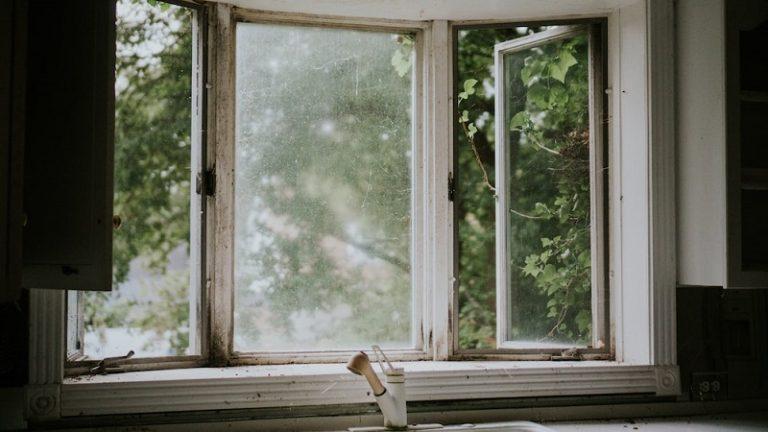
Are Old Windows Worth Anything? Don’t Trash Them Until You Read This!
You’ve just completed a major home renovation, and a stack of old, single-pane windows is now leaning against your garage. The immediate impulse is to haul them to the curb. But before you do, it’s crucial to understand that what looks like construction debris might actually be a hidden treasure.
Many homeowners replace old windows to improve energy efficiency, often spurred by issues like drafts that signal bigger problems. Sometimes, these drafts are related to poor insulation or even systemic issues within the walls, like cold air returns with no ductwork that compromise your home’s thermal envelope. While new windows solve part of the problem, the old ones you’ve removed possess a unique value that modern replacements lack.
You'll Learn About
The Untapped Potential: Why Your Old Windows Aren’t Junk
In today’s world of mass production, the craftsmanship and materials of yesteryear are increasingly rare and sought after. Old wooden windows, especially those from homes built before the mid-20th century, were often made from old-growth timber. This wood is denser, more durable, and more resistant to rot and insects than the farmed wood used today.
Beyond the wood, the glass itself can be valuable. Many older windows feature wavy or “seeded” glass, which has subtle imperfections and bubbles from bygone manufacturing processes. This unique character is impossible to replicate authentically and is highly prized by restorers, designers, and artists.
Decoding the Value: Factors That Determine an Old Window’s Worth
Not all old windows are created equal. Several key factors can turn a simple window sash into a valuable architectural artifact. Understanding these elements is the first step to unlocking their potential monetary or decorative worth.
Age and Historical Significance
The first question to ask is, how old is the window? Windows from the 18th, 19th, and early 20th centuries are often considered antiques. If you can trace the window to a specific historical period or a notable building, its value increases significantly.
True antique windows possess a story and a level of craftsmanship that makes them more than just functional items; they are pieces of history.
Material and Craftsmanship
Examine the wood and the joints. Windows made from hardwoods like oak or mahogany are rarer than those made from pine. Look for handcrafted details like mortise-and-tenon joints, which indicate a level of quality far beyond modern, mass-produced windows.
The durability of old-growth wood means that even a window that looks weathered can often be restored to its former glory, a task that appeals to historic home purists.
The Glass Itself: More Than Just a Pane
The type of glass is a major value determinant. Wavy or distorted glass, a byproduct of older glass-making techniques, is highly desirable for restoration projects as it refracts light in a unique way. Similarly, stained, leaded, or beveled glass can be extremely valuable, often worth hundreds or even thousands of dollars depending on the complexity and condition.
Even a simple, single pane with that authentic shimmer and distortion has more intrinsic value than a perfectly flat, modern piece of glass.
Original Hardware’s Hidden Value
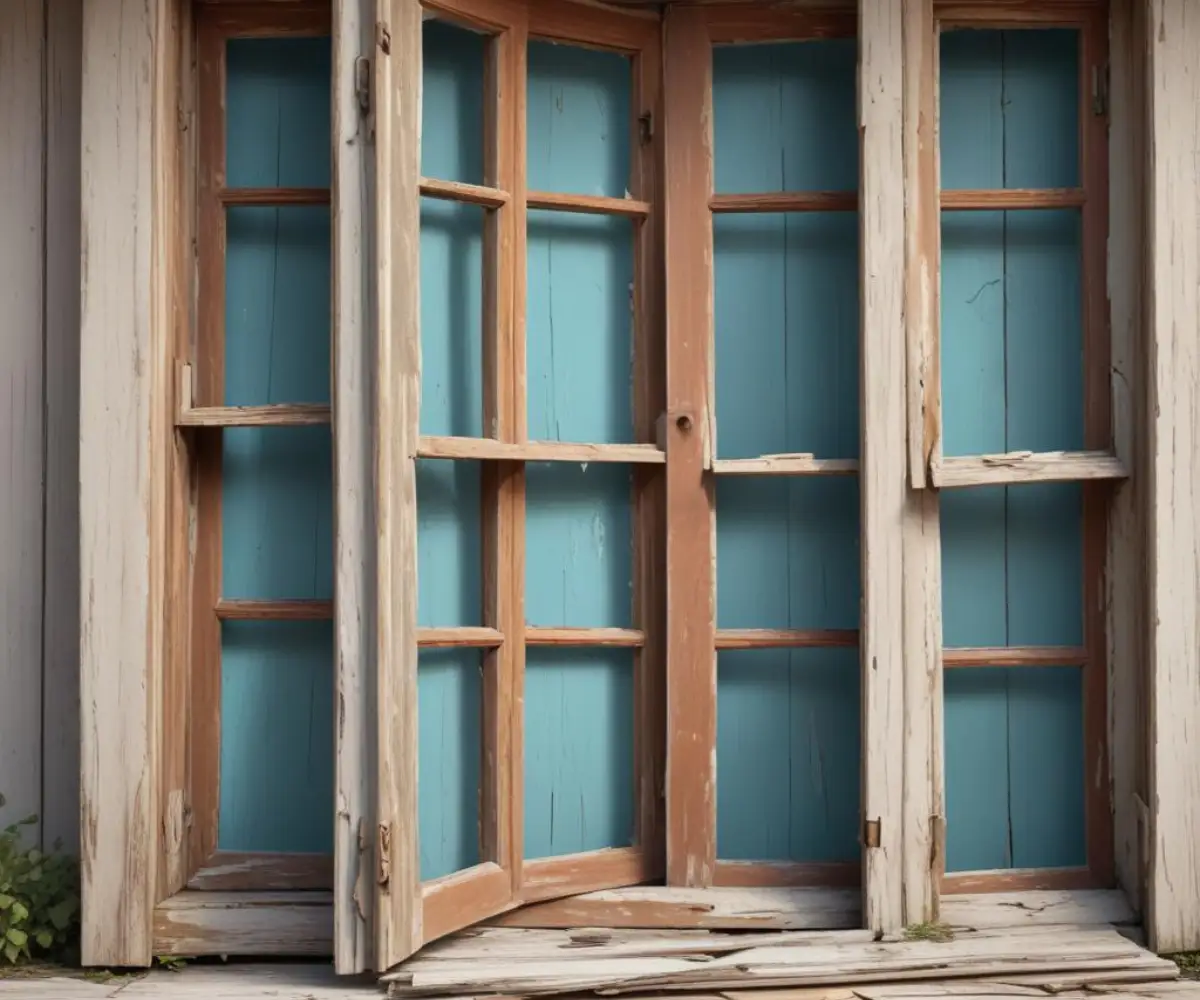
Don’t overlook the hardware. Original brass, bronze, or cast-iron sash locks, pulleys, and lifts are highly sought after by restorers. These small components are often stripped from old windows and sold separately for a handsome price.
Before you discard a frame, check the hardware. It could be the most valuable part of the entire assembly.
Condition and Overall Integrity
A window’s condition plays a critical role in its value. While some weathering is expected and even desirable for a rustic look, significant rot or damage can diminish its worth. However, many issues that seem severe, like peeling paint or cracked glazing putty, are often fixable.
It’s important to distinguish between superficial cosmetic issues and deep, structural decay. A solid frame with flaky paint is far more valuable than a rotting frame that looks intact from a distance.
Where to Cash In: Selling and Donating Old Windows
Once you’ve assessed your old windows, you have several avenues for turning them into cash or a valuable tax deduction. The right choice depends on the window’s quality, your location, and how much effort you’re willing to put in.
From architectural salvage yards that cater to professionals to online marketplaces for DIY enthusiasts, there’s a market for almost every type of old window. Choosing the best platform is key to maximizing your return.
Architectural Salvage Yards
These businesses specialize in buying and selling reclaimed building materials. They are an excellent option for high-quality, antique windows, especially those with unique features like stained glass or unusual shapes. They have an expert eye and will often pay a fair price for desirable pieces.
Architectural salvage yards are the primary destination for restorers of historic homes, ensuring your windows will be used to preserve another property’s character.
Online Marketplaces and Local Classifieds
Websites like eBay, Facebook Marketplace, and Craigslist can connect you directly with buyers. This route is ideal for more common window types or for reaching the DIY and crafting community. High-quality photos and detailed descriptions are essential for attracting buyers.
Be sure to highlight key features like “wavy glass,” “old-growth wood,” or “original brass hardware” in your listing to attract the right audience.
Donating for a Tax Deduction
Organizations like Habitat for Humanity ReStore accept donations of used building materials. While you won’t get cash, you can receive a tax receipt for the fair market value of your windows. This is a great option if you want to clear out the items quickly while supporting a good cause.
Ensure the windows are in a salvageable condition, as these organizations typically cannot accept items that are broken or have significant rot.
| Sales Venue | Potential Value | Pros | Cons |
|---|---|---|---|
| Architectural Salvage Yard | High | Targets expert buyers; often pays fair market value for quality items; handles logistics. | Selective about what they accept; may offer lower prices for more common windows. |
| Online Marketplace (eBay) | Variable | Large, national audience; potential for bidding wars on rare items. | Requires careful packing and shipping; fees can be high; competition is strong. |
| Local Classifieds (Facebook) | Low to Medium | No fees; local pickup avoids shipping hassles; direct communication with buyers. | Smaller audience; may attract lowball offers; requires managing meetups. |
| Flea Markets / Antique Shops | Low to Medium | Targets antique and decor shoppers; can sell directly to interested parties. | Requires renting a booth; success is not guaranteed; may need to transport items yourself. |
| Donation (e.g., Habitat ReStore) | Tax Deduction | Supports a charity; quick and easy disposal; provides a tax benefit. | No cash return; must be in good, usable condition. |
From Frame to Fame: Creative Upcycling and Repurposing Ideas
If selling isn’t your goal, old windows offer endless possibilities for creative DIY projects. Their inherent rustic charm can be repurposed into stunning and functional pieces for your home and garden, adding character that new items simply can’t match.
Upcycling is not just an aesthetic choice; it’s a sustainable one. By giving an old window a new life, you are keeping valuable materials out of the landfill and creating a one-of-a-kind piece with a rich history.
Functional and Stylish Home Decor
The classic beauty of a multi-pane window makes it a perfect foundation for various decor items. You can transform an old window into a rustic coffee table top, a unique headboard, or a charming picture frame that tells a story.
Another popular project is converting a window into a mirror. By replacing the glass panes with mirrored glass, you can create a decorative piece that adds light and a sense of space to any room.
Innovative Garden and Outdoor Structures
Old windows are a gardener’s best friend. With a collection of them, you can construct a beautiful and functional greenhouse or a cold frame to protect your plants during colder months. The glass panes allow sunlight to enter while shielding plants from the elements.
Even a single window can be repurposed in the garden as a decorative element in a privacy fence or as the top of a miniature planter box.
Unique Organizers and Display Pieces
With a few additions, an old window can become a highly functional organizer. Add hooks to the bottom to create a coat rack or a place to hang towels. By painting the glass with chalkboard paint, a multi-pane window can be transformed into a weekly planner or a message board for the kitchen.
For a more decorative touch, replace the glass with chicken wire and use it as a jewelry organizer or a place to clip photos and notes.
The Hidden Danger: A Critical Warning About Lead Paint
Before you begin cleaning, sanding, or cutting an old window, there is a critical safety issue you must address: the high probability of lead-based paint. Homes built before 1978 commonly used paint containing lead, and windows are a primary source of lead exposure due to the friction from opening and closing.
Lead exposure can cause serious health problems, particularly in children and pregnant women. Disturbing lead paint through scraping or sanding creates toxic dust that can be inhaled or ingested, leading to lead poisoning.
How to Safely Handle Old Windows
First, assume any window from a pre-1978 home contains lead paint. You can confirm this with a home test kit, but it’s safest to proceed with caution regardless. When handling these windows, always wear protective gear, including gloves, goggles, and a respirator rated for lead dust.
Work outdoors if possible to ensure proper ventilation. Avoid dry sanding or using high-heat guns, which can vaporize the lead. Instead, use wet-sanding techniques to minimize dust. Proper cleanup and disposal are also crucial to prevent contamination.
Step-by-Step: Preparing Your Windows for Their Next Life
Proper preparation is key to maximizing an old window’s value, whether you plan to sell it or upcycle it. A little effort can dramatically improve its appearance and structural integrity, making it far more appealing to buyers or easier to work with for a project.
This process is about more than just cleaning; it’s an assessment. Just as a professional would carefully repair a bad crown molding job before painting, you should meticulously inspect and prepare your window to reveal its true potential.
Gentle Cleaning and Thorough Assessment
Start by cleaning the window gently with mild soap and water. Avoid harsh chemicals or pressure washing, which can damage the delicate wood and old glass. As you clean, carefully inspect the frame for rot, the glazing for cracks, and the glass for any unique characteristics.
This initial cleaning will not only improve its appearance but also help you decide whether the window is a candidate for simple upcycling or a more involved restoration.
Repairs and Restoration
For windows that will be sold for architectural restoration, it’s often best to leave them in their original condition. However, for DIY projects or to improve the value of a more common window, minor repairs can make a big difference. This includes tasks like reglazing loose panes or stabilizing loose joints with wood glue.
More extensive restoration should only be tackled if you have the skills. A poorly executed repair can devalue a window more than leaving it as-is.
Staging for Sale or Display
If you’re selling the window, presentation matters. Take clear, well-lit photos from multiple angles. Showcase any special features like wavy glass, unique hardware, or intricate woodwork. Honesty is also key—be sure to document any damage or flaws clearly in your description.
By investing a small amount of time in preparation, you can transform a dusty, forgotten window into a valuable asset, ready for a new chapter in another home.